Know Before You Go: India Tours
What Wildlife Will I See on an India Safari?
India is home to some of Asia's most celebrated and endangered wildlife, including the Bengal tiger, greater one-horned rhinoceros, Asian elephant and sloth bear. From the sal forests and meadows of central India to the Terai grasslands and wetlands of Dudhwa National Park, the country's protected areas safeguard an extraordinary diversity of species across dramatically different landscapes.
Photo gallery
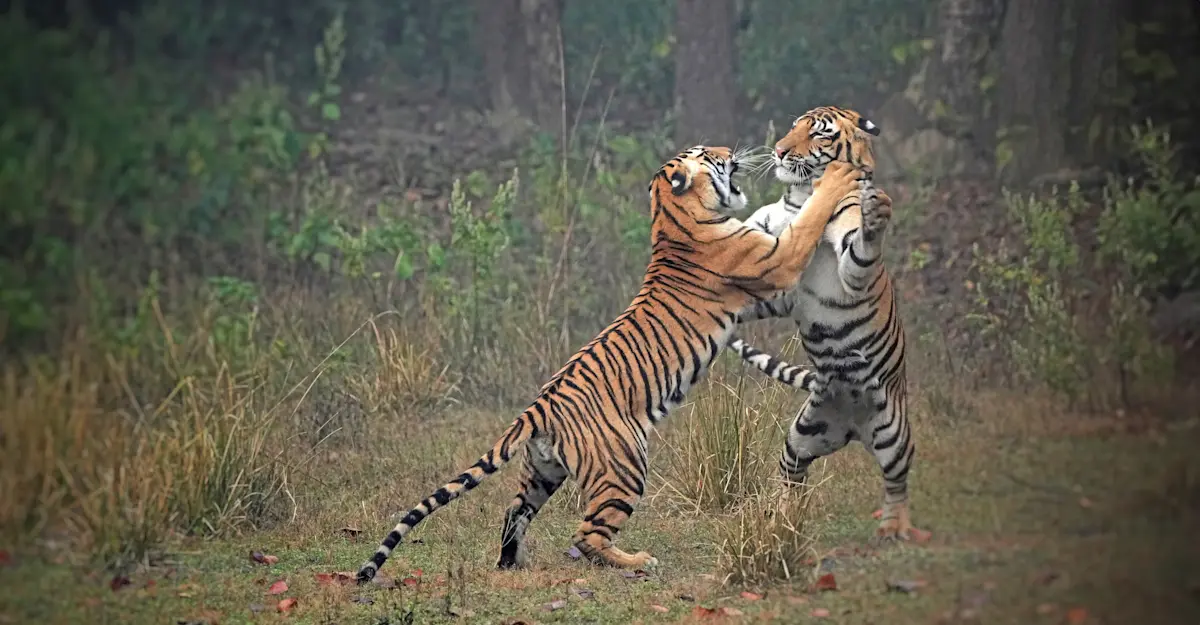
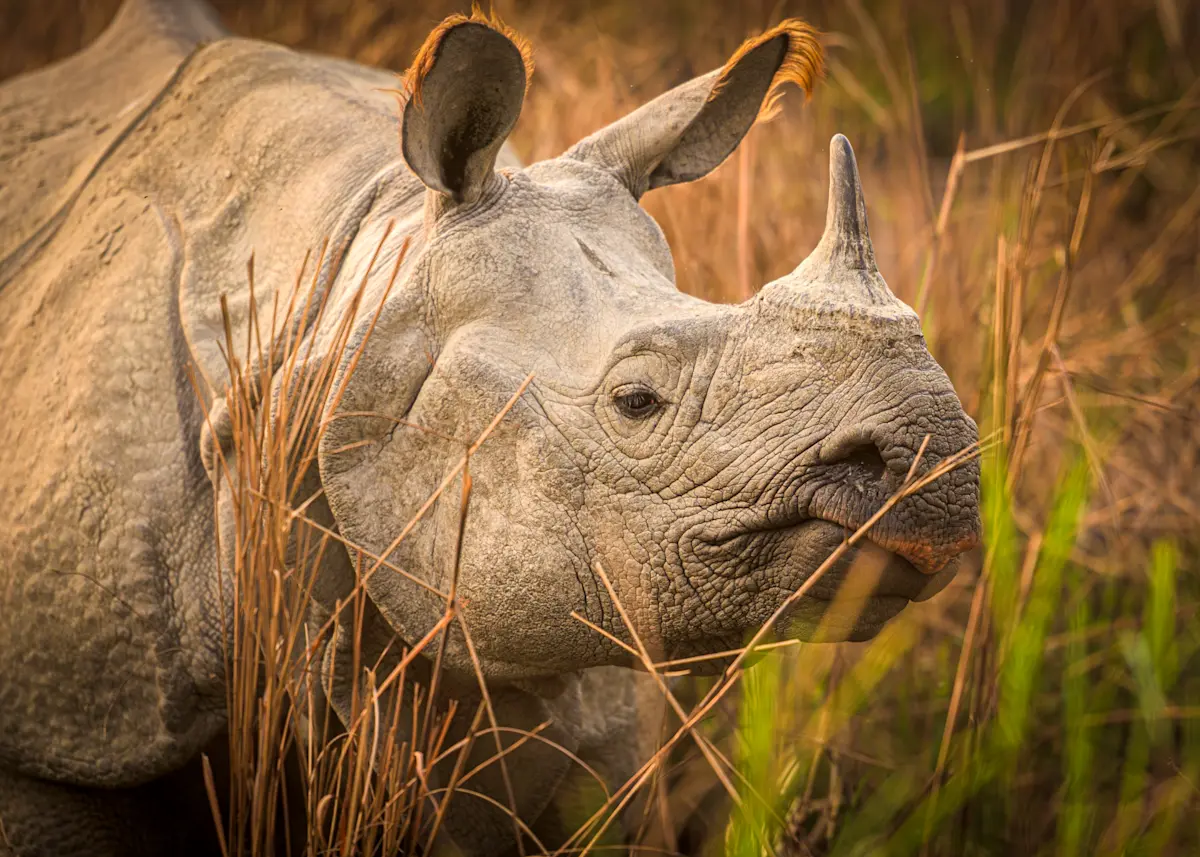
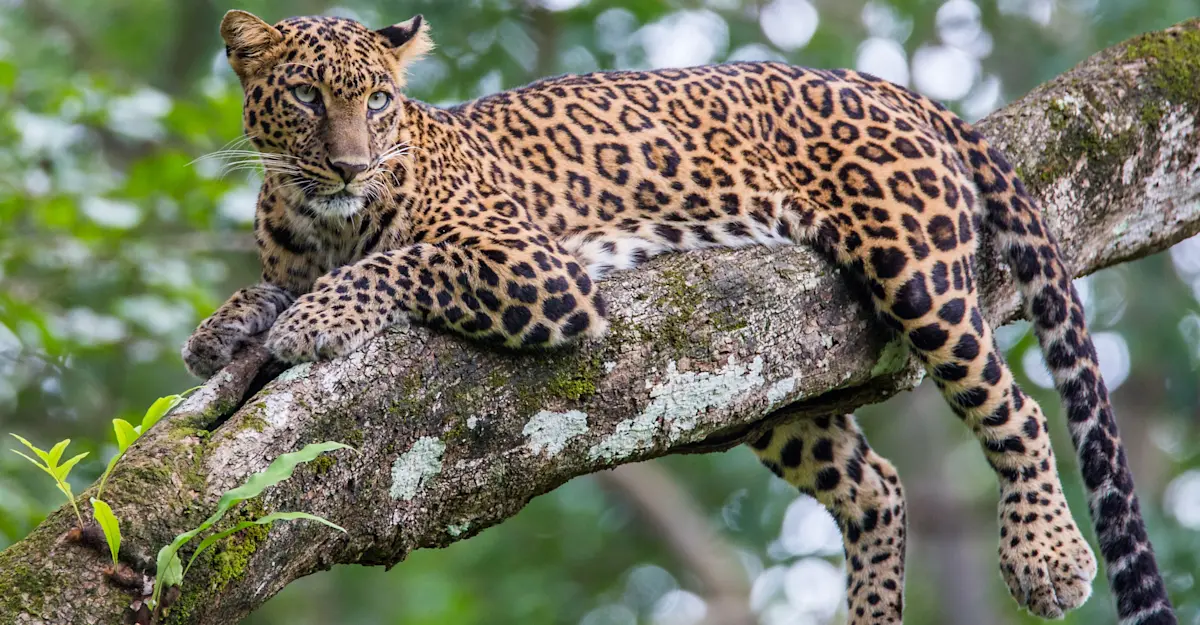
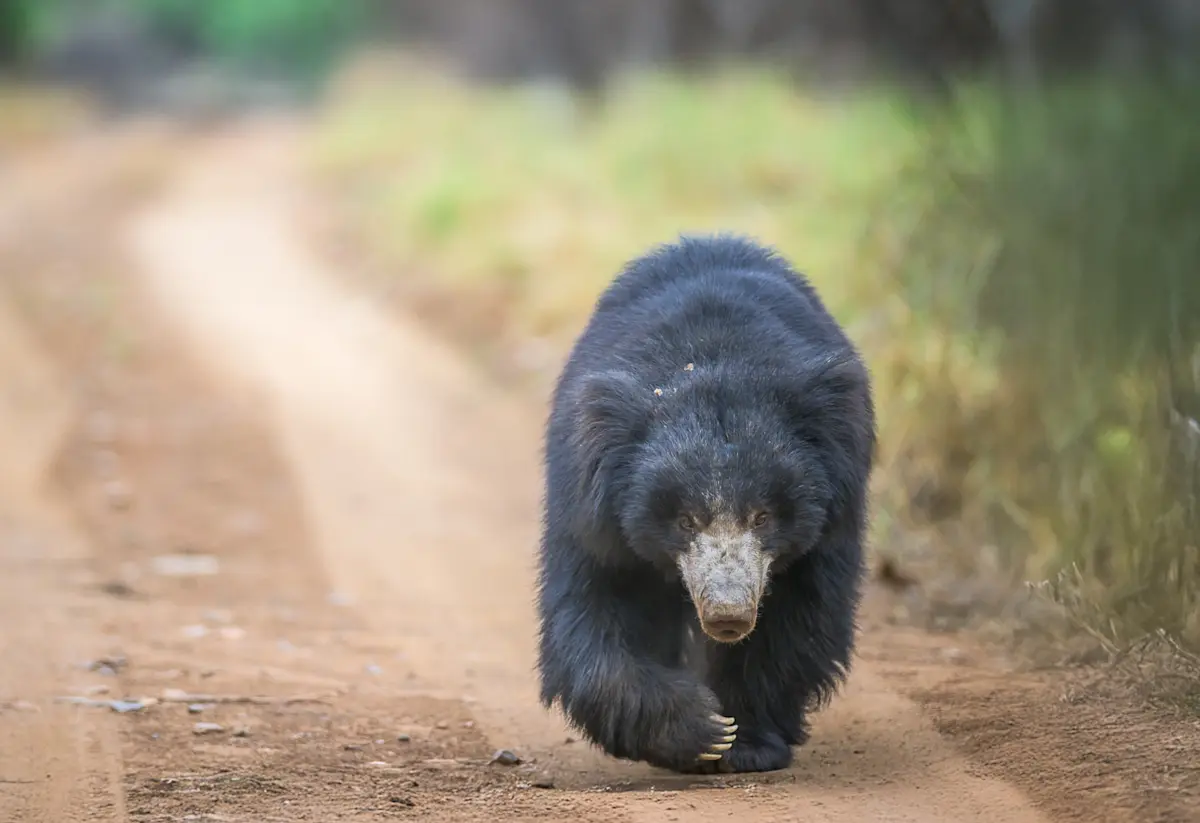
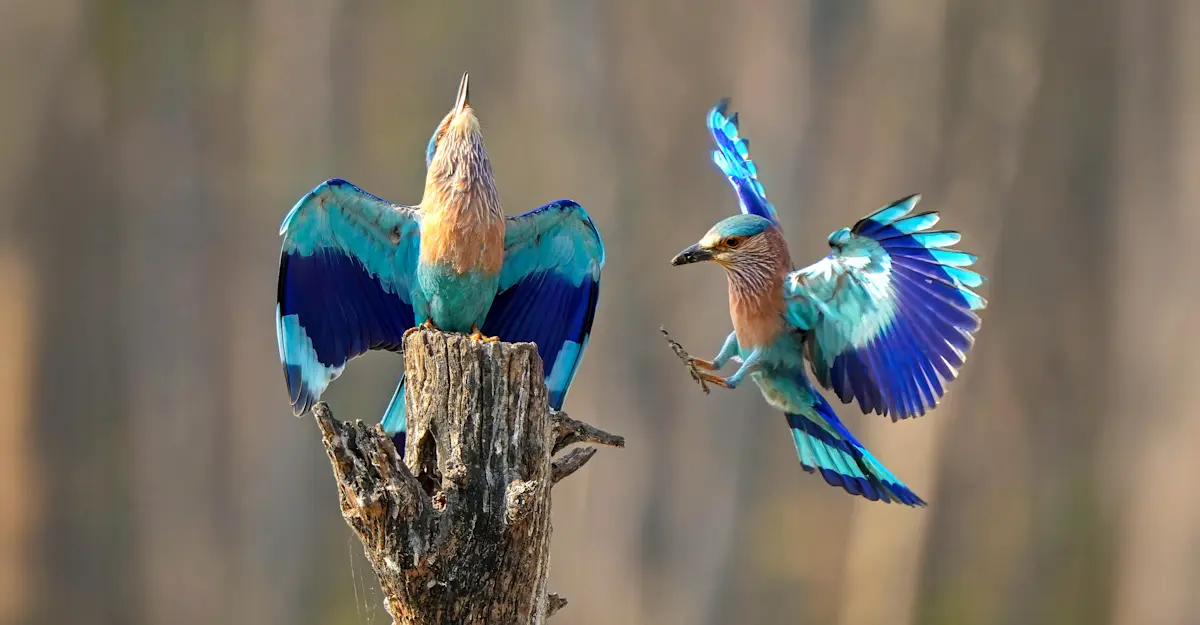
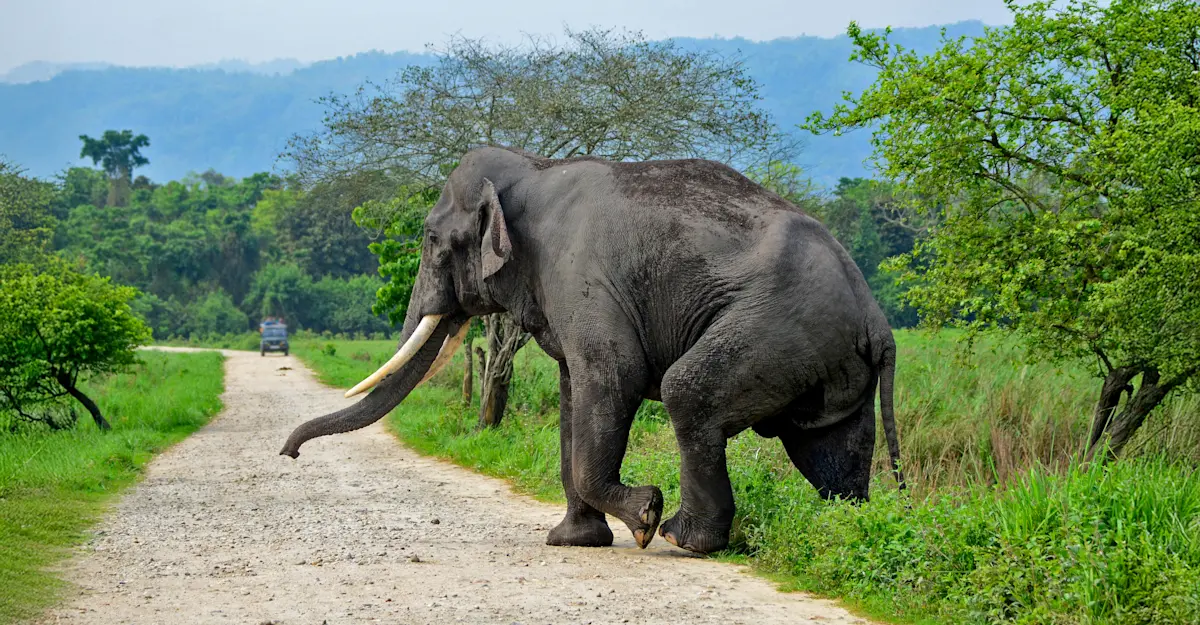
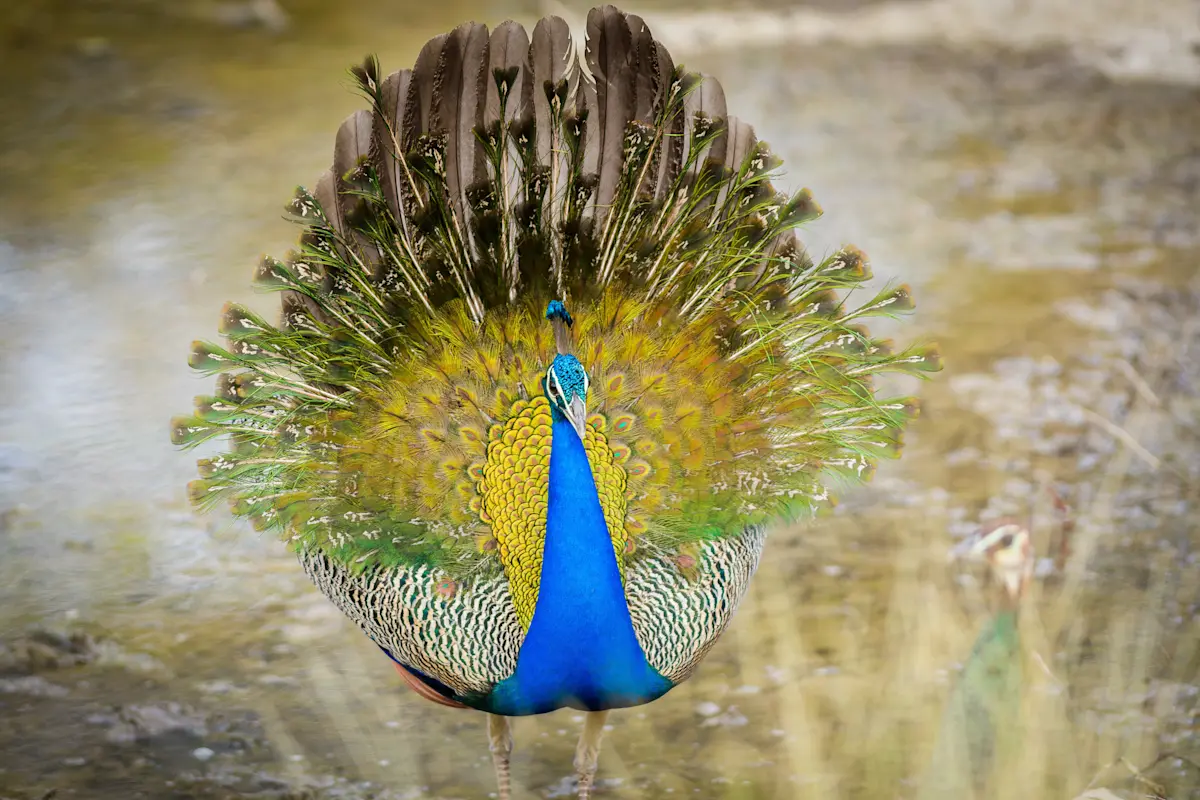
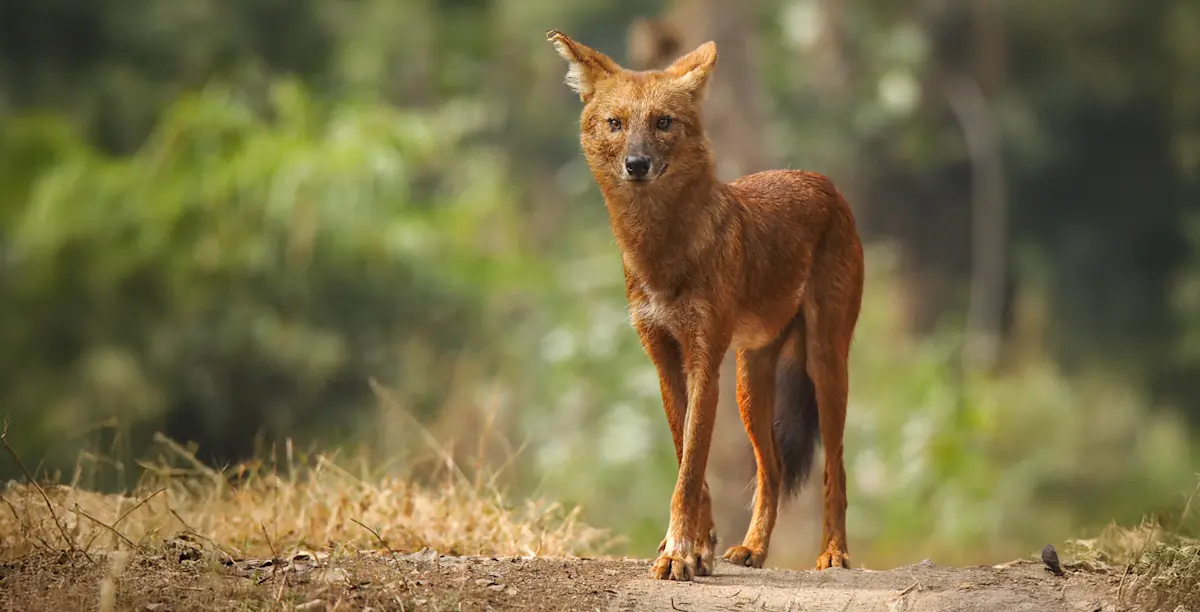
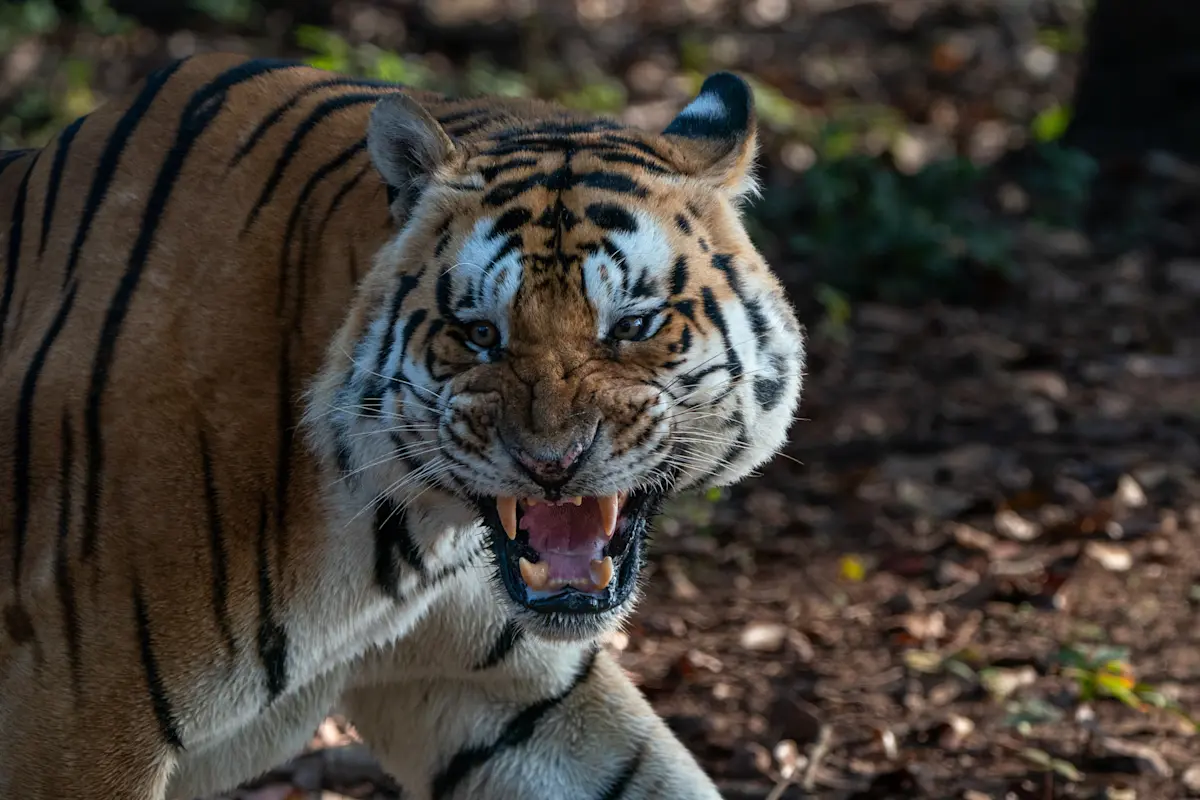
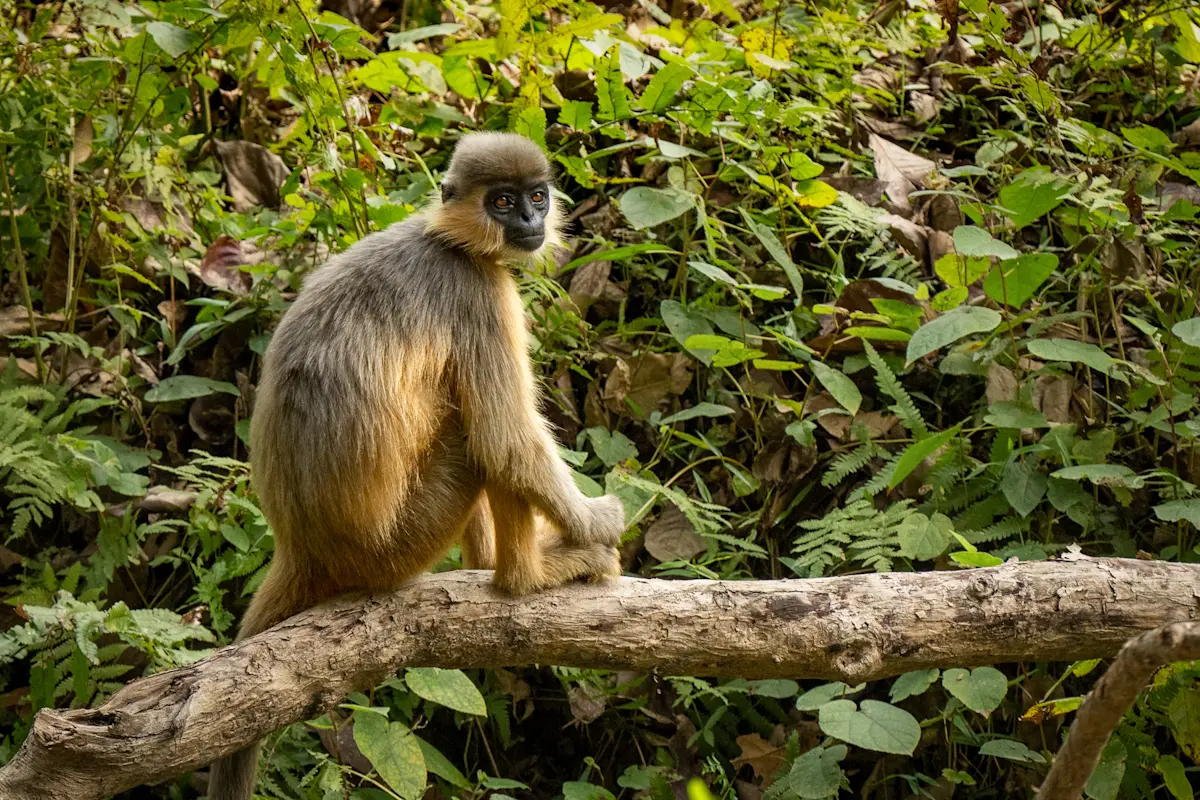
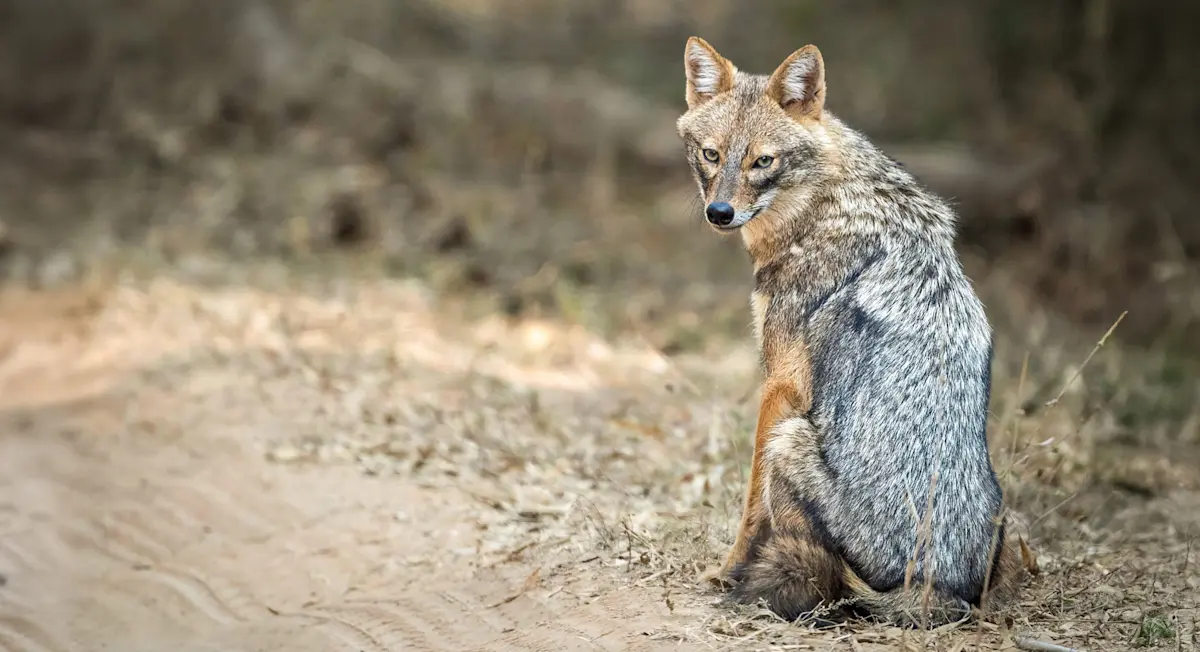
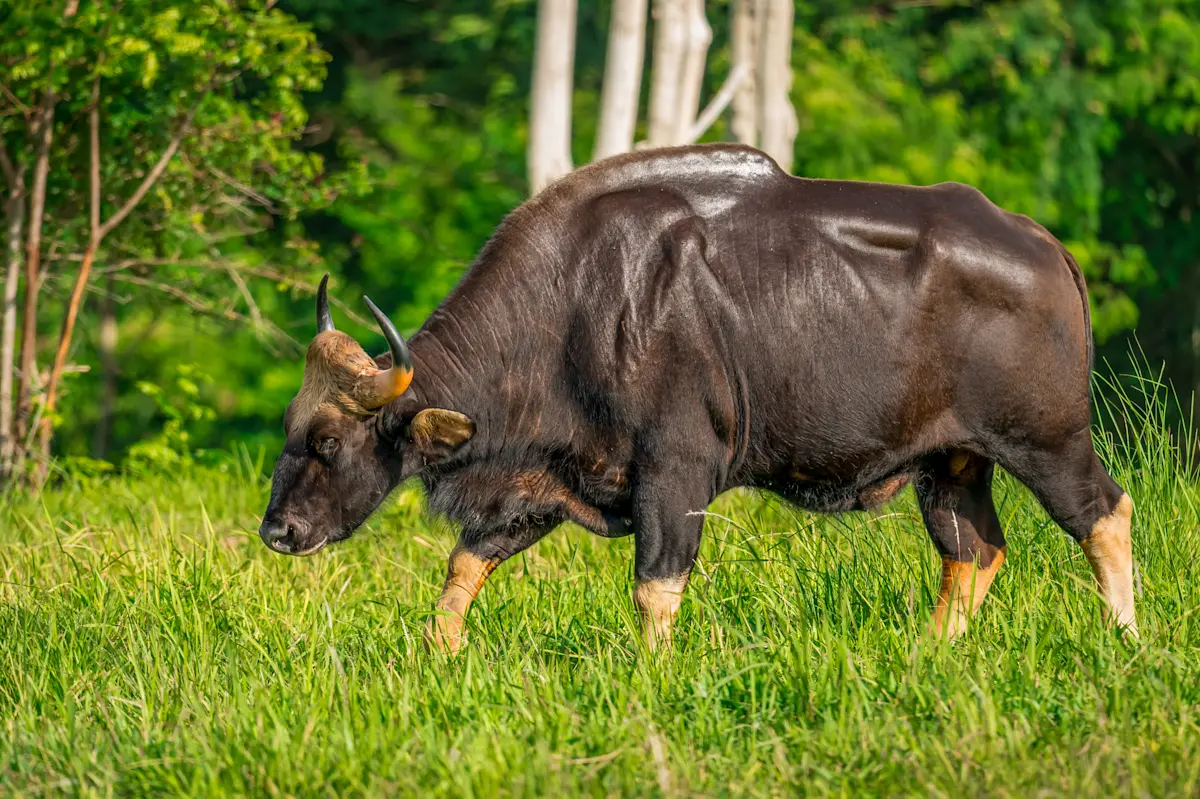
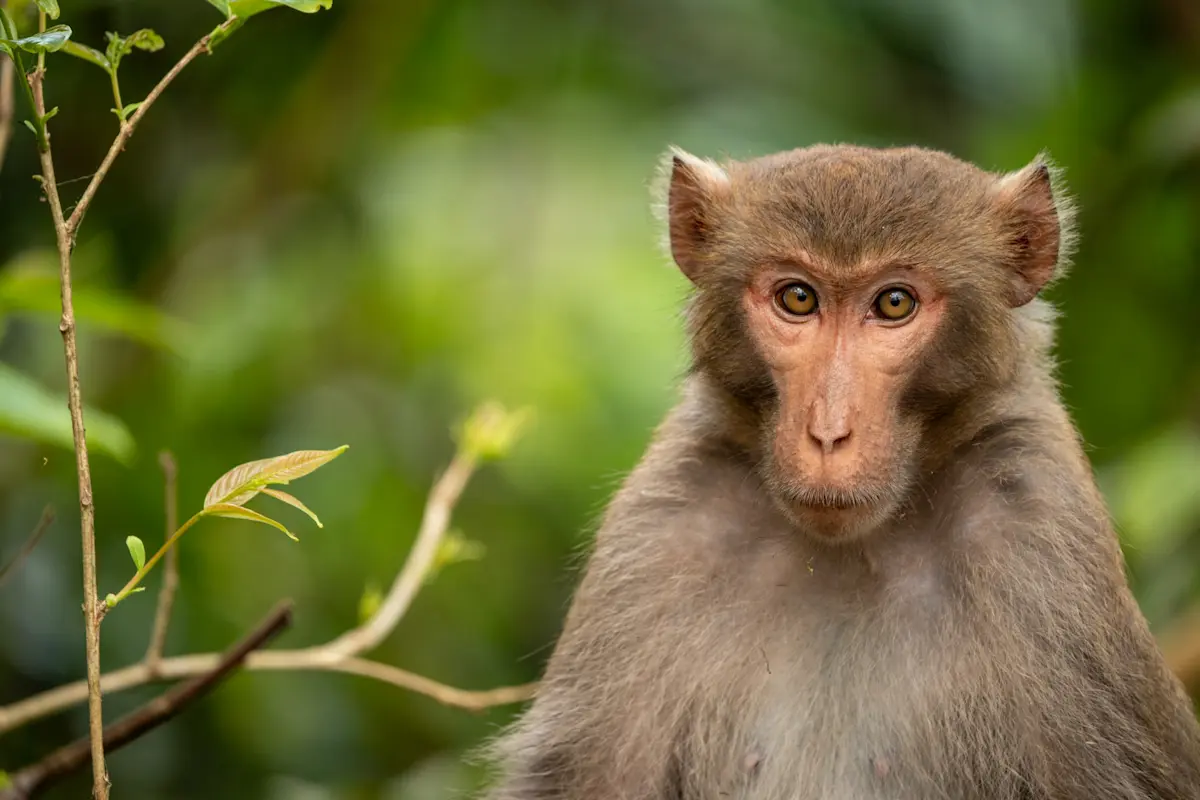
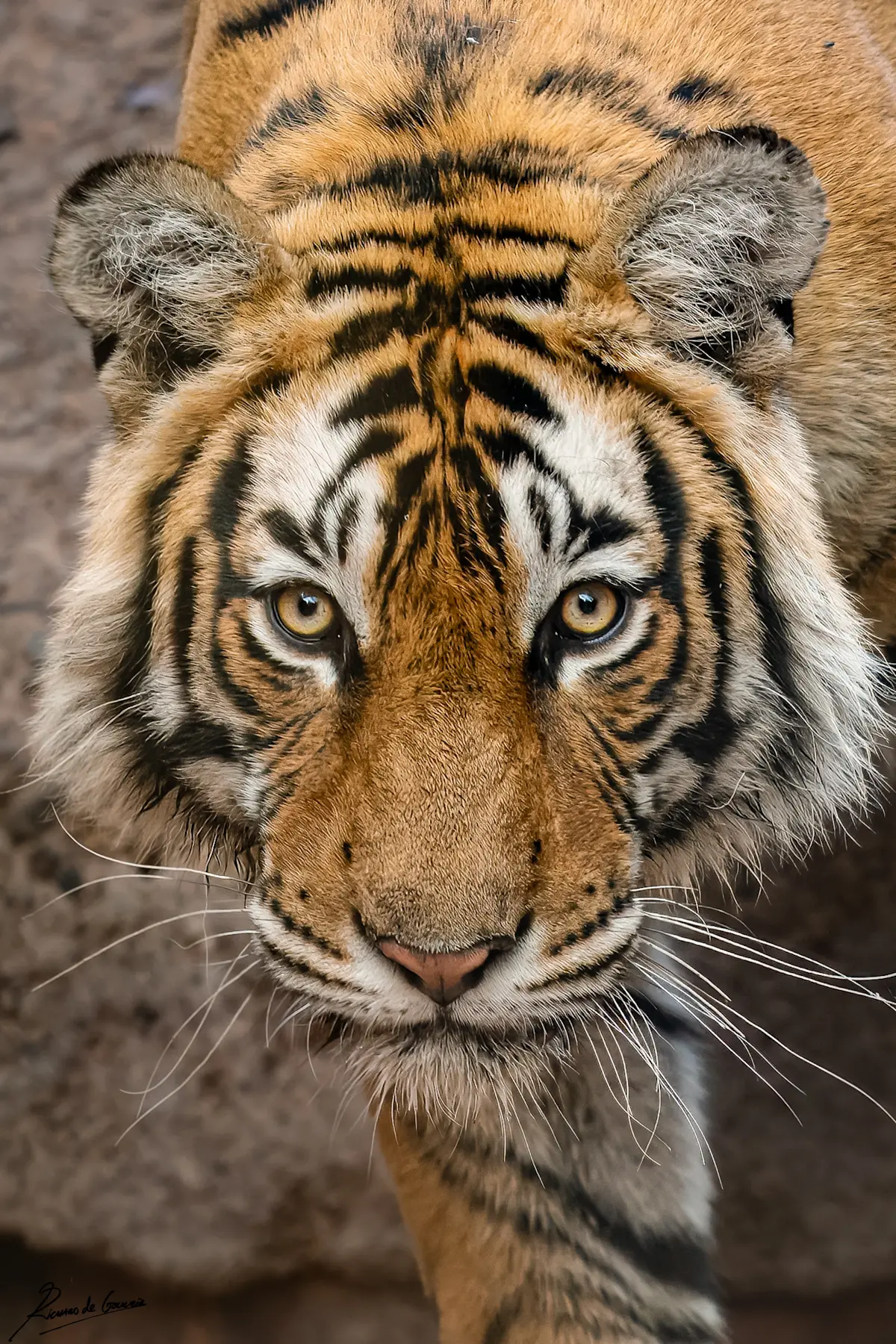
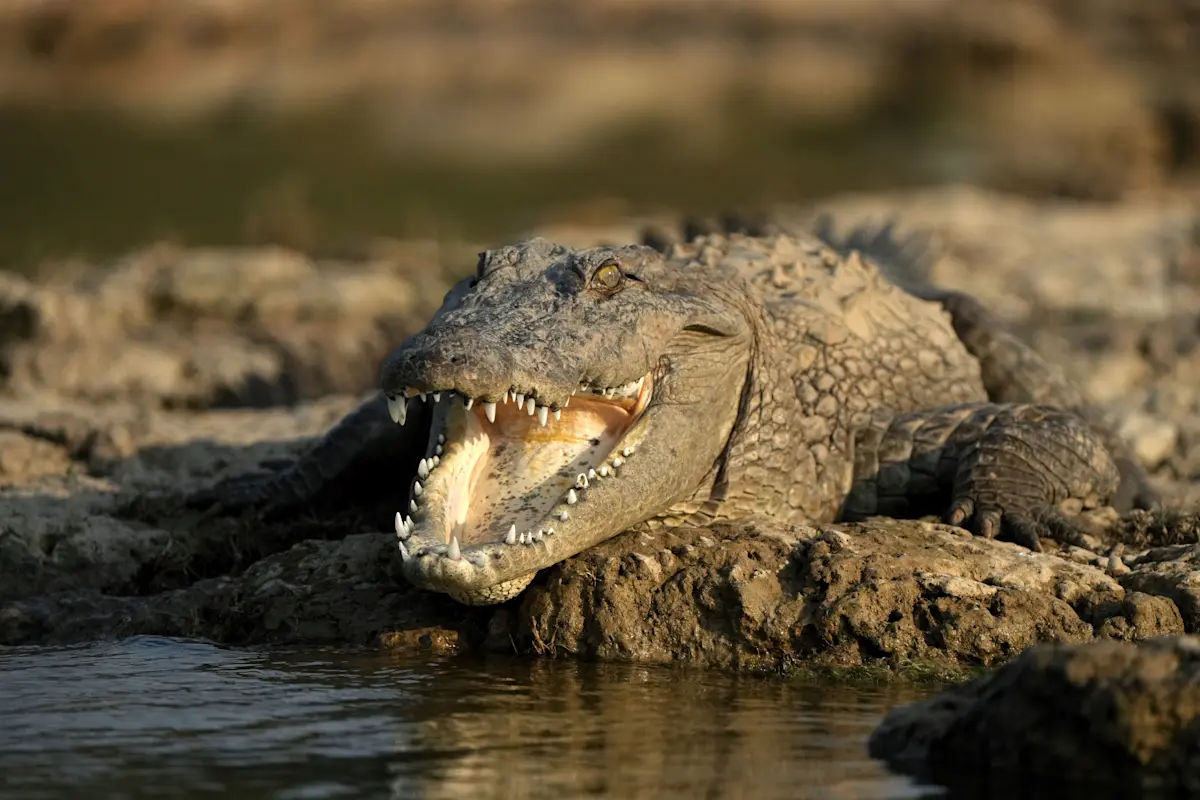
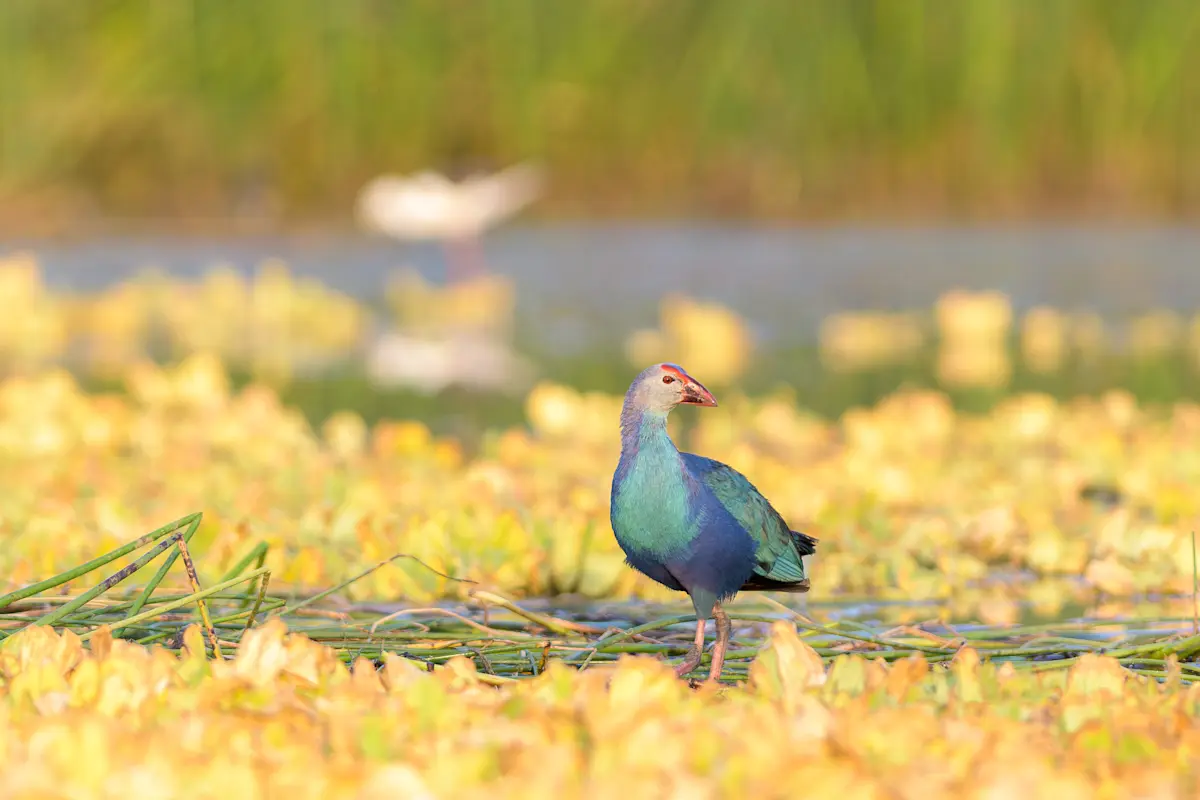
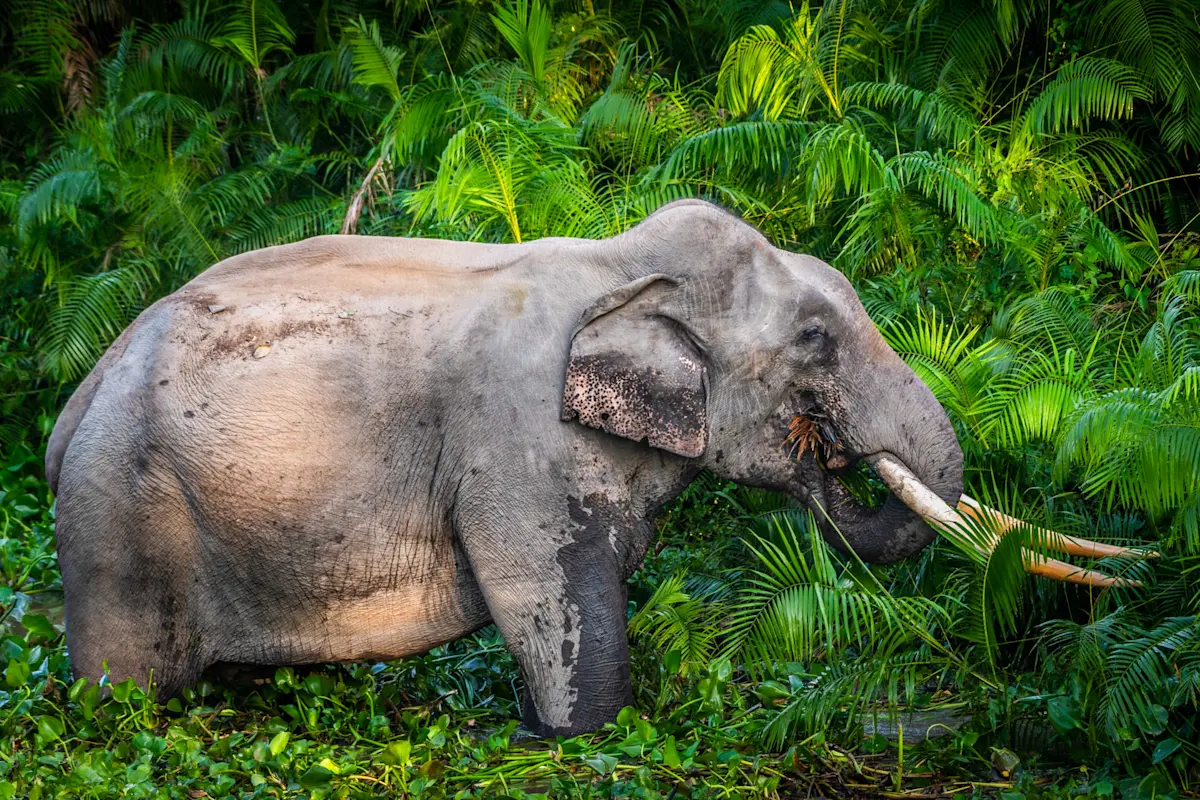
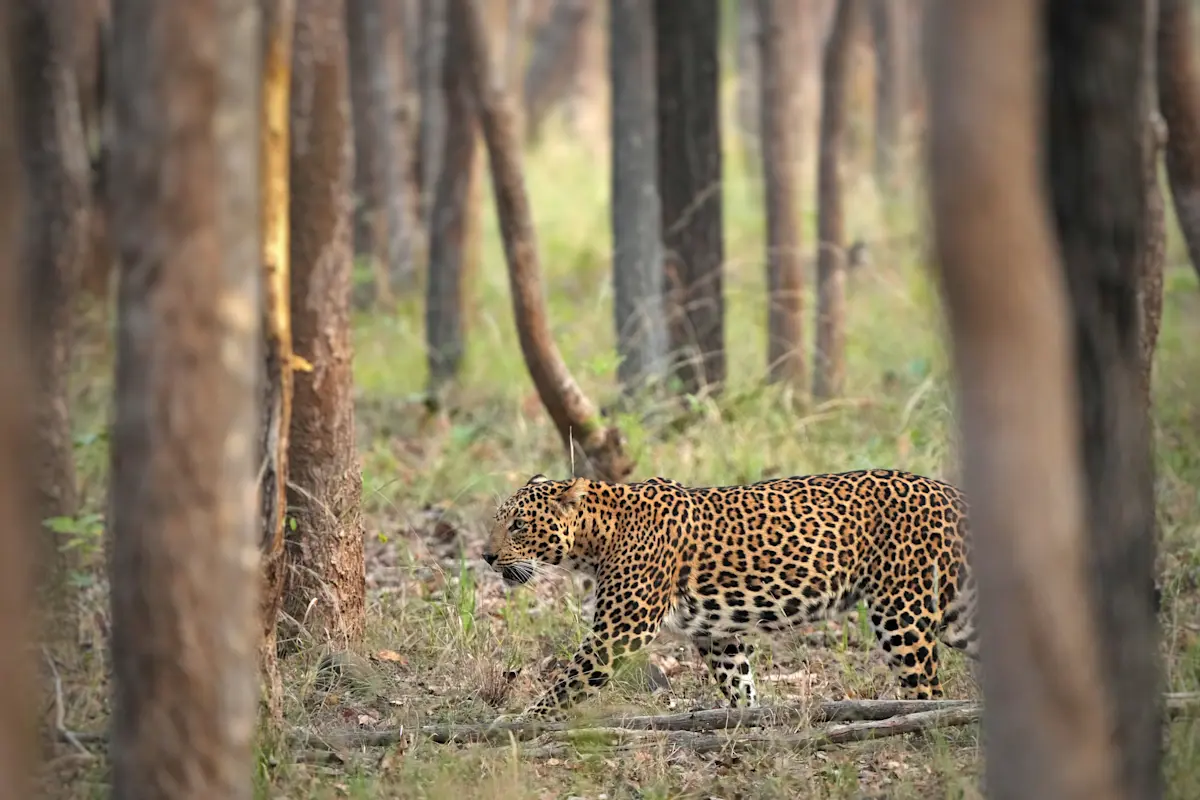
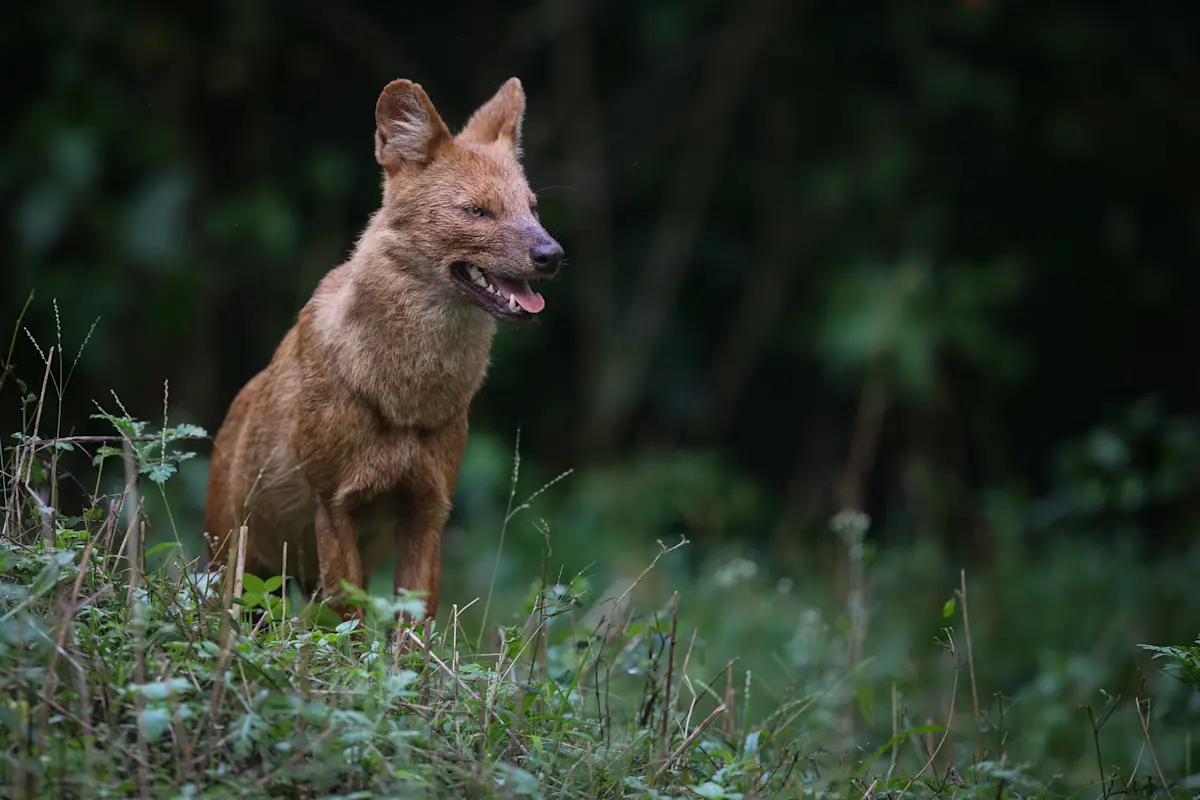
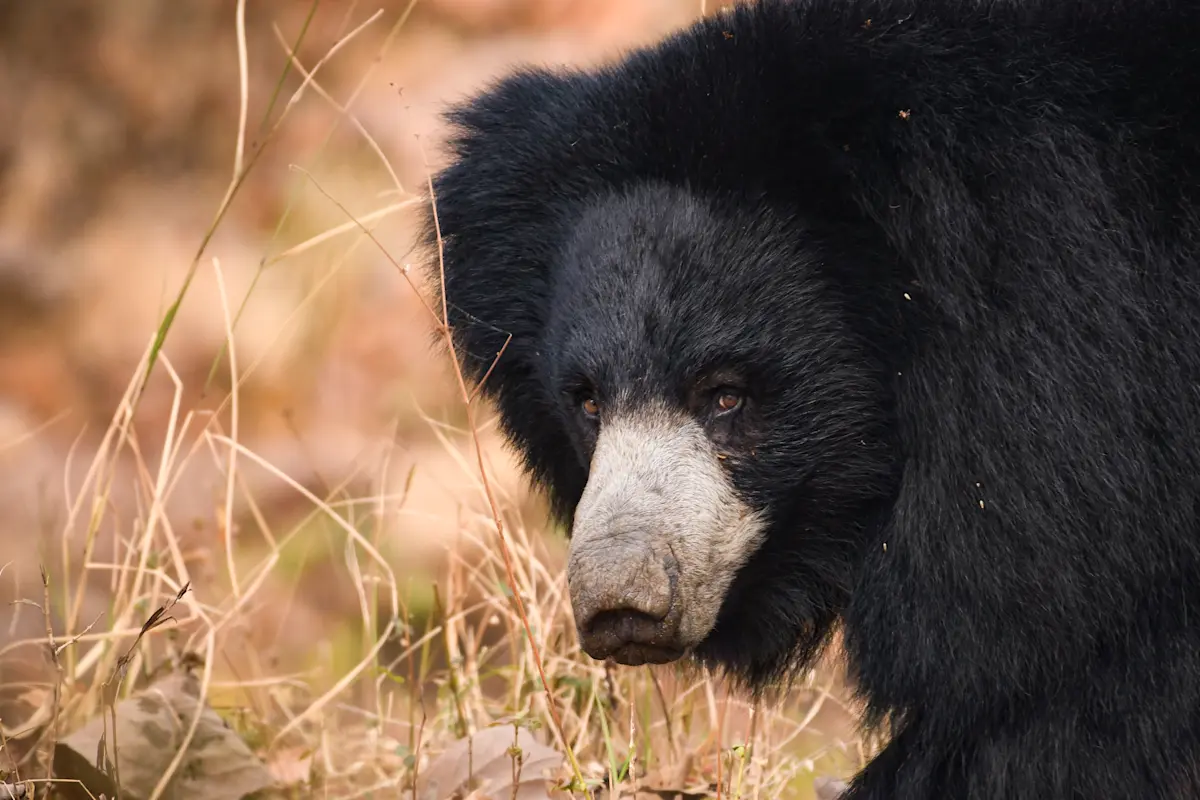
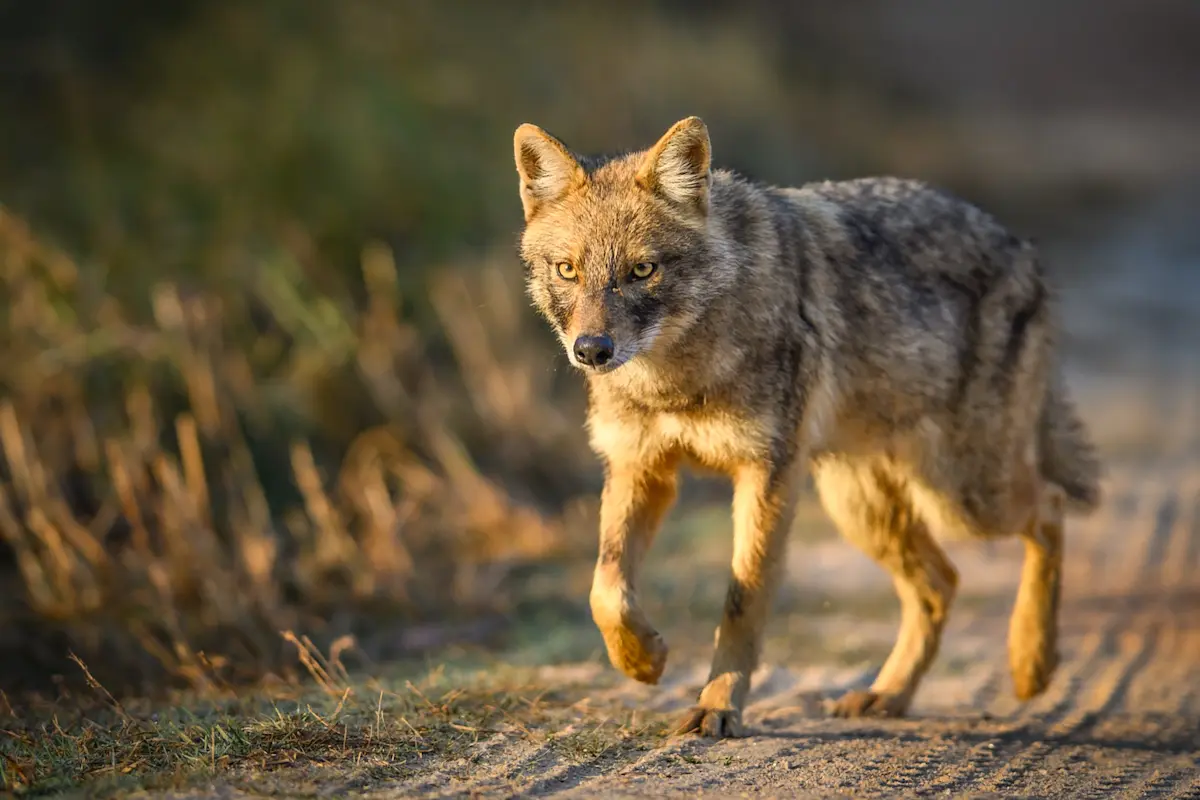
Photo 1 of 22
Wildlife Frequently Asked Questions
Why Is India One of the Best Wildlife Destinations in Asia?
India is one of Asia’s best wildlife destinations because it protects an extraordinary range of species across tiger forests, riverine grasslands, wetlands and tropical woodlands. Its national parks and tiger reserves offer some of the world’s best opportunities to see wild Bengal tigers, along with one-horned rhinoceroses, Asian elephants, leopards, sloth bears, langurs, crocodiles and hundreds of bird species.
Central India’s reserves, including Bandhavgarh, Kanha and Tadoba, are especially rewarding for tiger safaris, while Dudhwa National Park adds a different wildlife experience with Terai grasslands, wetlands, rhinos, barasingha and prolific birdlife.
Will I See Tigers on Safari in India?
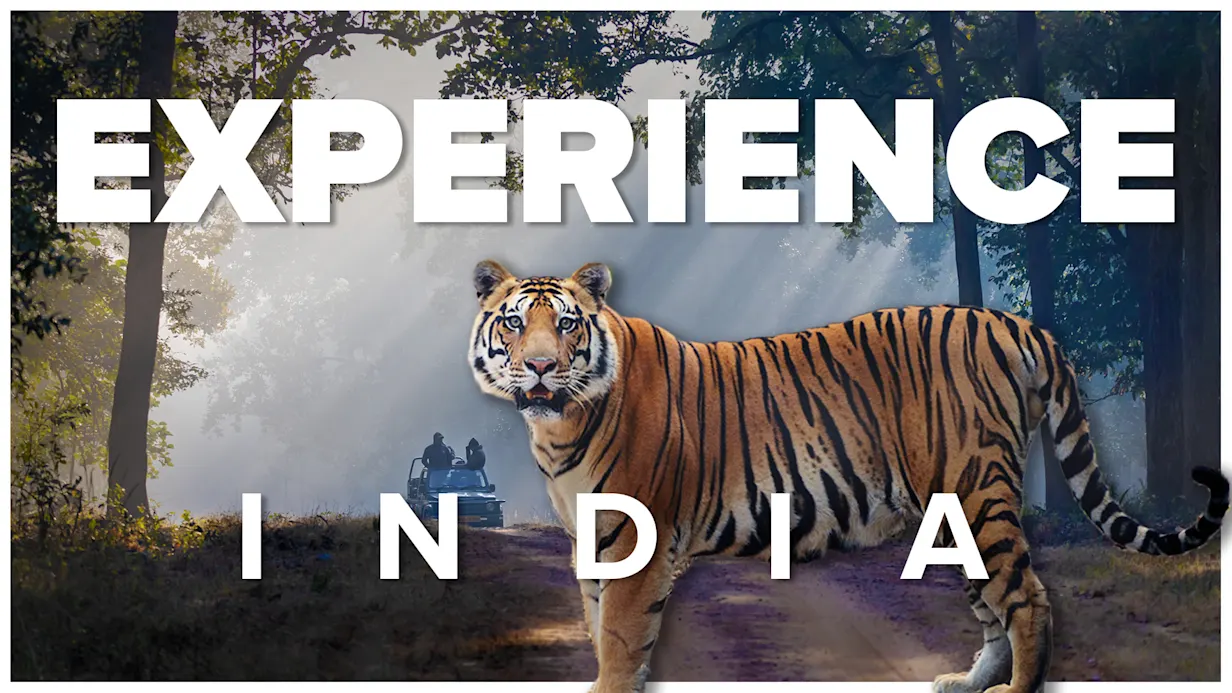
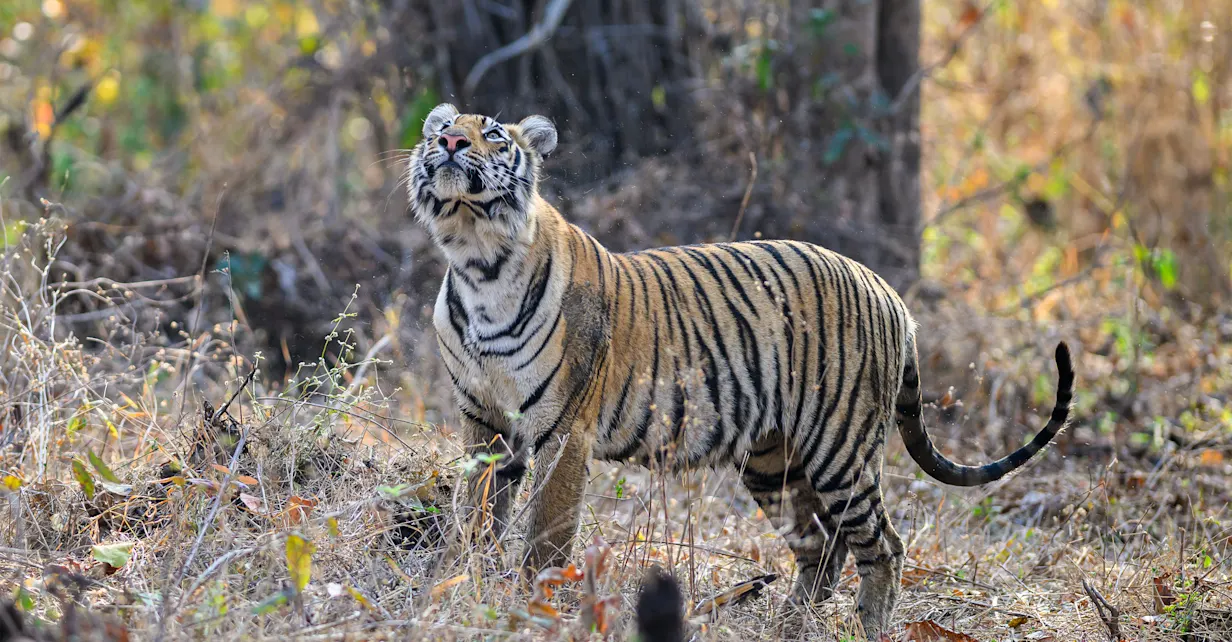
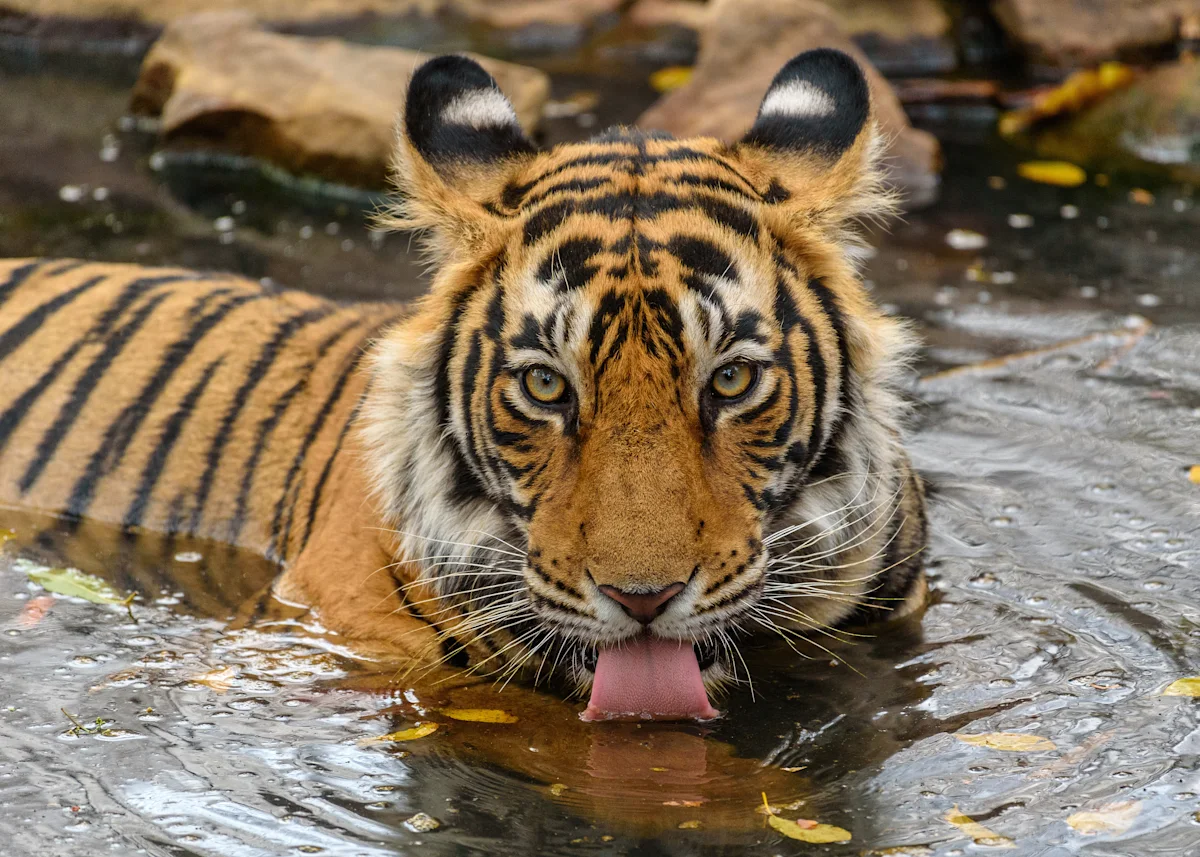
No wild tiger sighting can be guaranteed, but a tiger safari in India offers some of the best opportunities in the world to see wild Bengal tigers. Central India’s renowned tiger reserves—especially Bandhavgarh and Kanha national parks in Madhya Pradesh and Tadoba-Andhari Tiger Reserve in Maharashtra—are known for strong conservation success, healthy prey populations and excellent tiger-viewing potential.
Experienced naturalist guides track pugmarks, alarm calls and territorial movement patterns to position safari vehicles responsibly and strategically. Viewing opportunities are enhanced by multiple game drives, carefully timed visits during the drier months and guides familiar with individual tiger territories and movement patterns.
What Other Big Mammals Might I See in India?
India’s national parks protect a wide range of mammals beyond tigers. Depending on itinerary and region, travelers may see:
Greater one-horned rhinoceroses, often grazing in Dudhwa’s grasslands and wetland edges
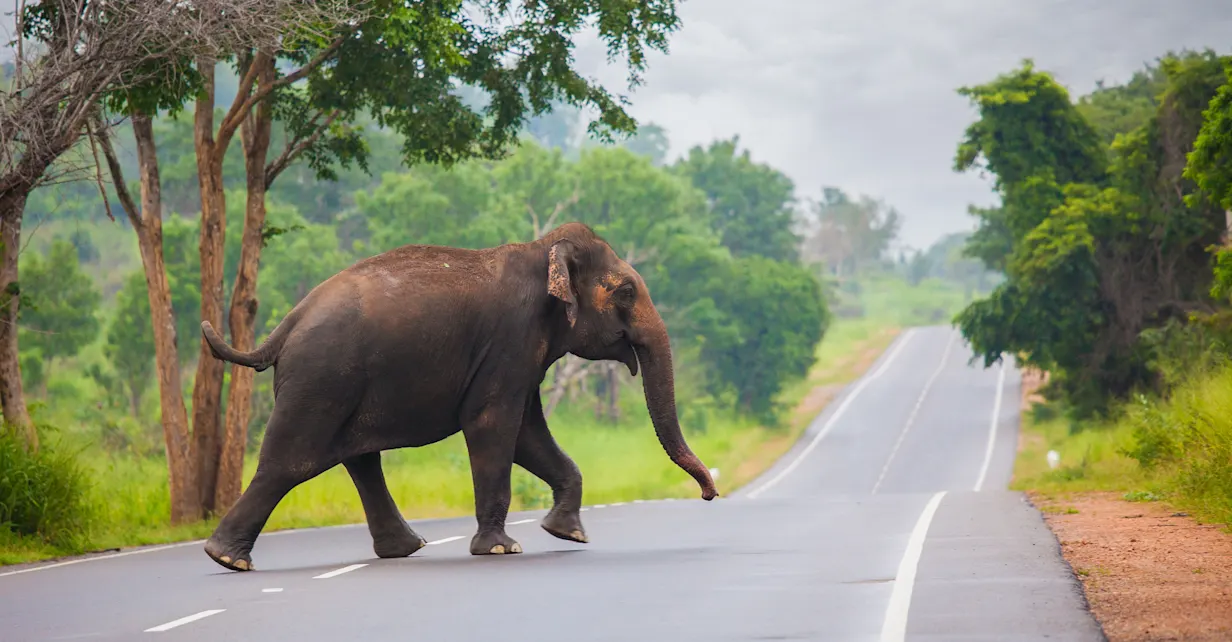
Asian elephants, moving through forests, grasslands and riverine habitat in family groups
Sloth bears, shaggy-coated mammals often seen digging for termites or crossing forest tracks
Leopards, elusive big cats that may appear near rocky terrain, forest edges or quieter park zones
Gaur, massive wild cattle often seen in Kanha’s meadows and forest clearings
Barasingha, also called swamp deer, especially associated with Kanha and Dudhwa’s grassland habitats
What Primates and Smaller Mammals Might I Encounter?
India’s forests, grasslands and village-edge habitats support a wide range of primates and smaller mammals. These species add movement and sound to the safari experience and often help guides interpret predator activity.
Common sightings may include:
Hanuman langurs, long-limbed monkeys often seen in trees, near temples or giving alarm calls when predators are nearby
Rhesus macaques, highly social primates commonly seen in forest edges, towns and protected areas
Golden jackals, slender canids often trotting through meadows, tracks or open woodland
Indian palm civets, porcupines and other nocturnal mammals, sometimes glimpsed around dusk or early morning
What Birds Will I See on Safari in India?
India is one of Asia’s richest birding destinations, with more than 1,300 recorded bird species across the country. Safari travelers often encounter birds throughout the day, from raptors circling above forest clearings to kingfishers, storks and eagles near rivers and wetlands. Dudhwa is especially notable for its birdlife, with more than 400 recorded species.
Depending on region and season, you might see:
Sarus cranes, the world’s tallest flying birds, often found in marshes and wet grasslands
Painted storks, egrets, ibises and kingfishers, feeding around lakes, rivers and wetlands
Indian peafowl, often seen walking through forest clearings and lodge grounds
Indian rollers, easily recognized by the brilliant blue wings they flash in flight
Hornbills, barbets and parakeets, adding color and sound to wooded habitats
Raptors such as crested serpent eagles, fishing eagles and changeable hawk-eagles
What Reptiles and Aquatic Wildlife Might I See in India?
India’s rivers, wetlands and forest waterholes support a variety of reptiles and aquatic species. Sightings vary by region, but wetlands and river systems can add a rich dimension to an India wildlife safari.
Species may include:
Gharials, long-snouted, fish-eating crocodilians found in select Indian river systems
Marsh crocodiles, also called mugger crocodiles, often seen basking along banks or resting near channels
Freshwater turtles, including roofed turtles and softshell species in rivers, ponds and wetlands
Monitor lizards, large reptiles sometimes seen near water, forest tracks or sun-warmed clearings
These wetland habitats also attract amphibians and abundant birdlife, especially during the cooler months and near permanent water sources.