Why Fall Is a Great Time to Visit Yellowstone National Park
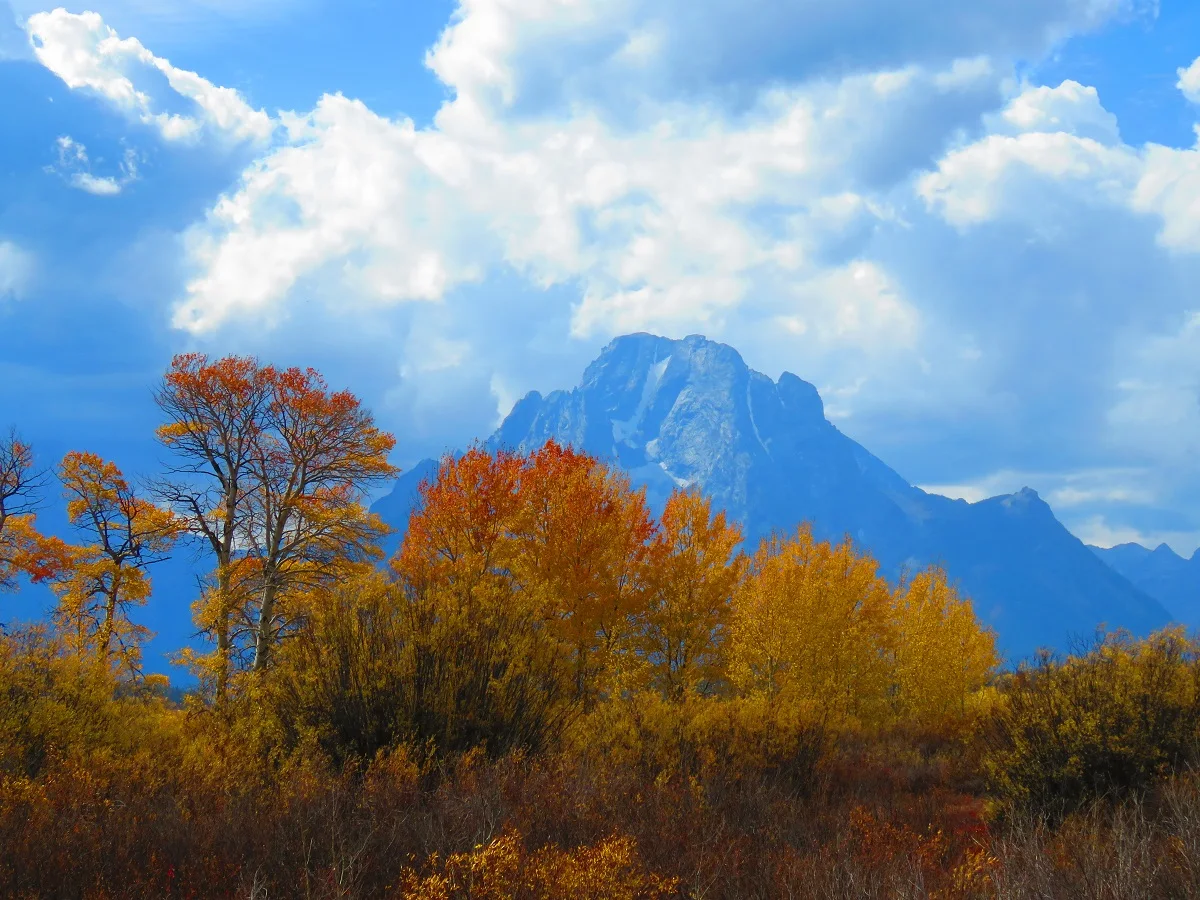
Each season in Yellowstone National Park brings something new and fresh for visitors. In the winter, travelers can spot wolf packs navigating through snow-covered trees. In the summertime, longer days allow visitors to spend even more time immersed in nature, taking in the sights of one of our nation’s most treasured landscapes. Fall is the season we rarely hear about, though, despite it being one of the best times to visit Yellowstone. With newly emerging fall foliage and less crowds, photographers and visitors can experience a more intimate, beautiful nature expedition. Here are a few reasons why visiting Yellowstone in the fall is a must do for every traveler and photographer.
Fall Foliage
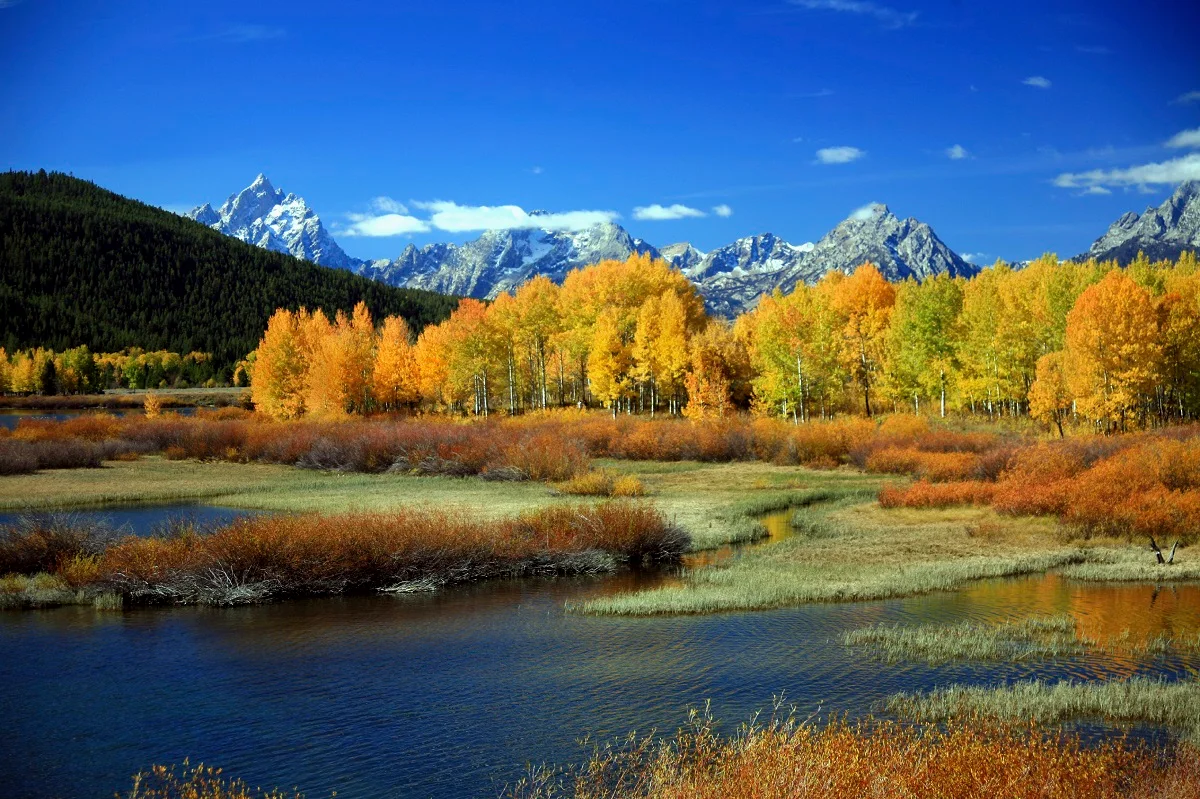
There is a crisp sweetness in the air as autumn winds roll in and trees begin to change from summer green to auburn orange and bright yellow. Experience fall foliage like never before in an undisturbed setting full of cascading waterfalls, mountainous peaks and roaming wildlife. The changing colors give visitors a unique opportunity to experience this national park from a perspective few see.
Amazing Wildlife Sightings
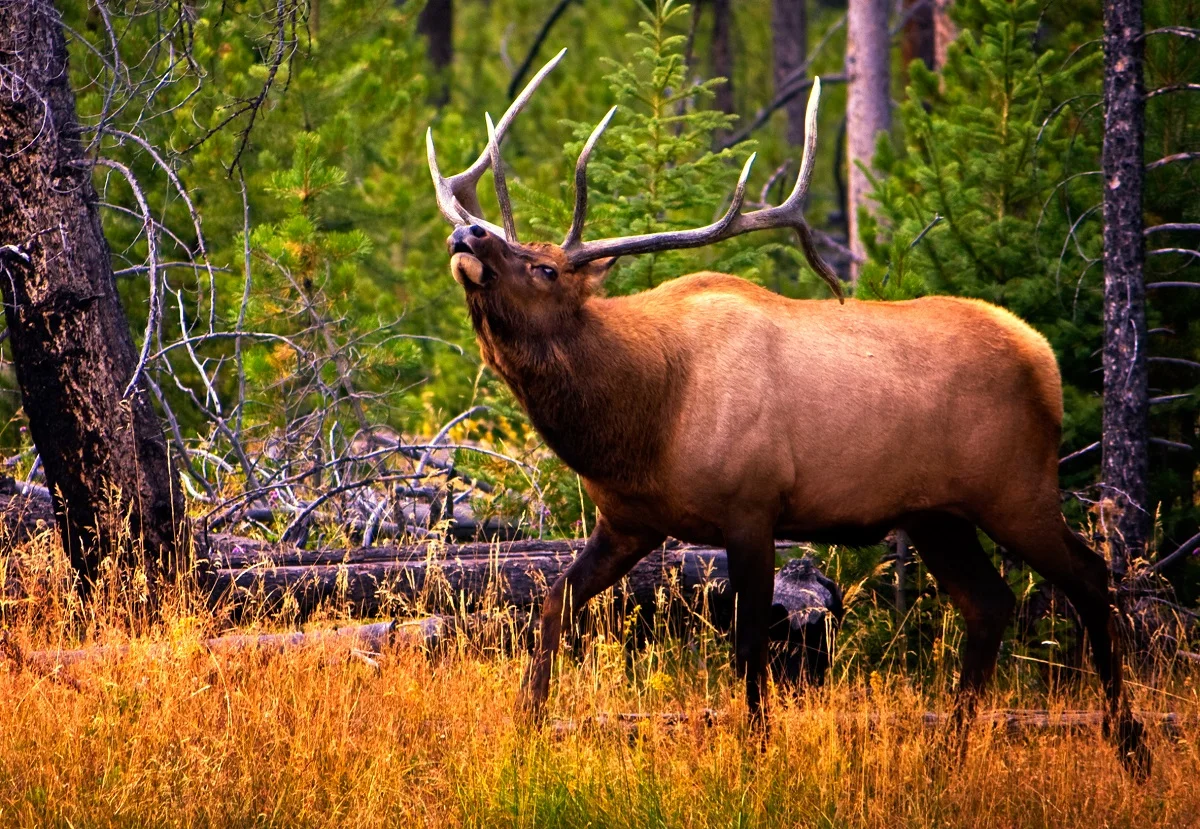
Exploring Yellowstone in the fall has the added bonus of potentially higher wildlife sightings, as many animals prepare for the upcoming winter season. You may spot pronghorn, bighorn, sheep, deer and moose during this time. Fall is also, arguably, the best time to spot bears, bison and elk. Bears can be spotted in the fall season as they prepare for hibernation. Elk and bison can be seen migrating in autumn to lower elevations in the park. Elk, who enter their breeding season in the fall, also roam around and make noises to attract mates during this time. Not only do guests have the opportunity to see these migrating elk, they can hear their calls as well.
Fewer Visitors
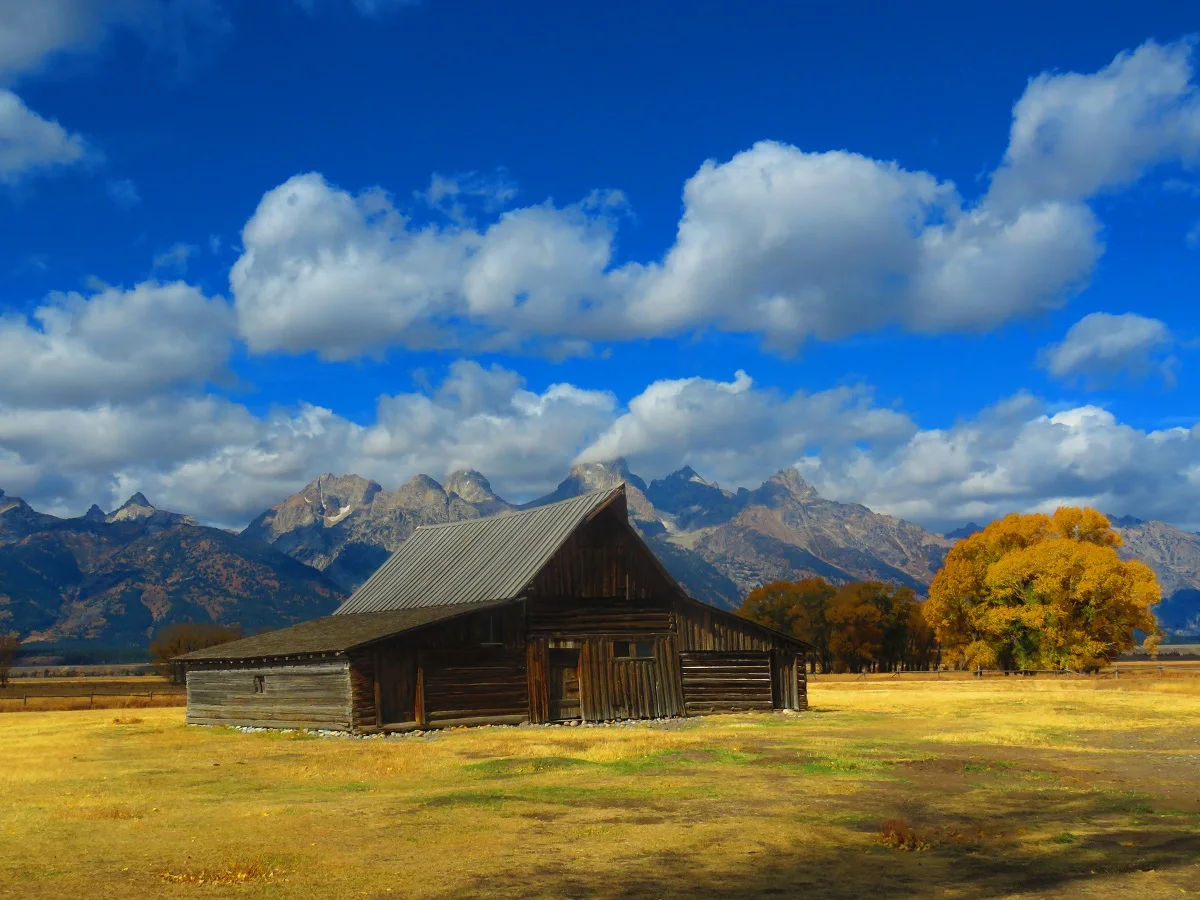
With over four million visitors a year, Yellowstone’s grounds can get quite populated. While Natural Habitat Adventures’ Expedition Leaders do an excellent job of scouting isolated pockets of wildlife in the summer season, July and August are the most popular months to visit the park. Fall, on the other hand, brings cooler temperatures and a mass reduction of tourists, making for more intimate wildlife encounters. Photographic opportunities will also allow for less tourists and more scenery as you take in the vast, empty landscape.
Picturesque Photography
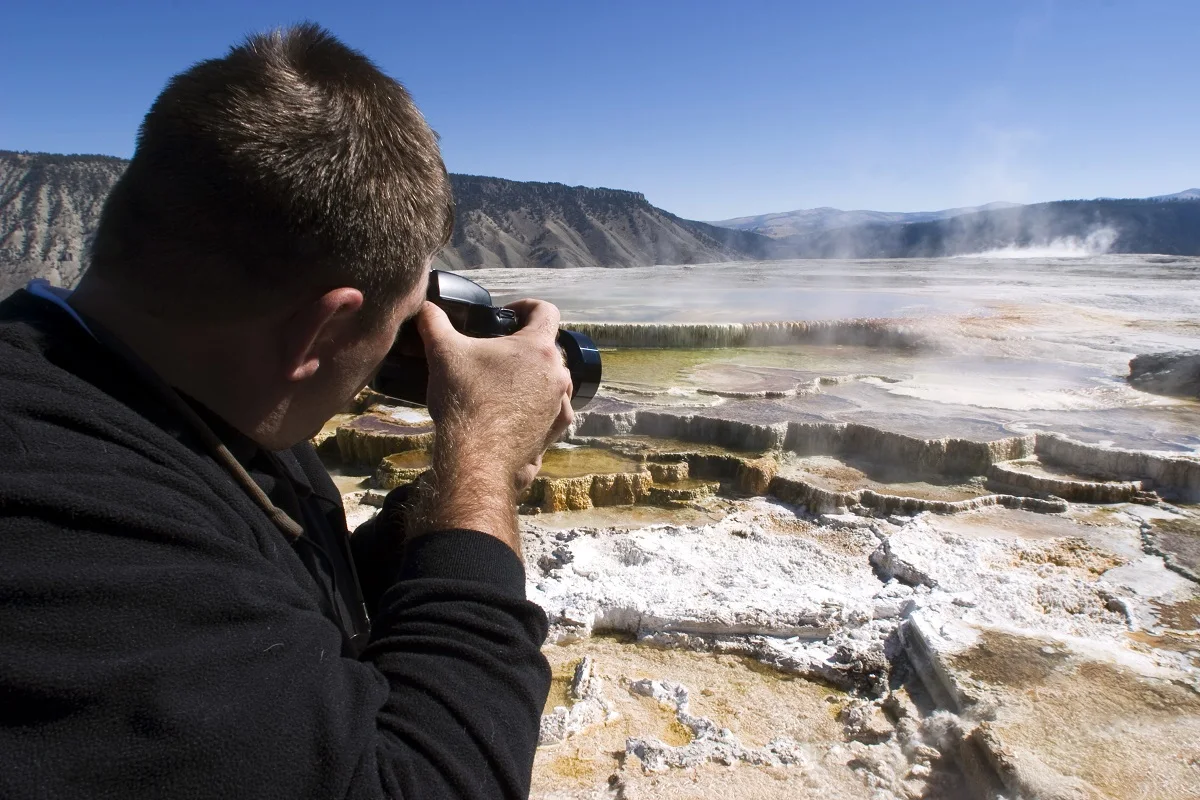
Yellowstone in the autumn is a photographer’s dream trip. Amateur or professional, every photographer will marvel in the beautiful fall transformation in Yellowstone. Imagine bears and elk roaming in the foreground with shimmering yellow leaves in the distance. In addition to the breathtaking, seasonal scenery, fall also brings the reduction of huge tour groups. Every photographer knows the pain of cropping out individuals or blurring tourists out of their photos. In the off season, photographers will be able to set up their tripods and get a fabulous variety of shots without worrying about groups of visitors getting in their photos.
While we love all seasons to visit our national parks, there is something truly magical about autumn that few travelers experience. With beautiful weather, few tourists, spectacular scenery and an abundance of wildlife, fall in Yellowstone is perfect for anyone looking to explore a new landscape without traveling too far.