









By Brendan Hyatt
As the climate continues to change, birds must contend with rising temperatures, shifting precipitation patterns and habitat loss. For many species, these changes threaten nesting habitat, food availability and long-term survival. At the same time, birds are helping scientists better understand how ecosystems respond to environmental change. Earthwatch research projects are contributing valuable data that can help inform future conservation efforts.
Owls and Climate Change
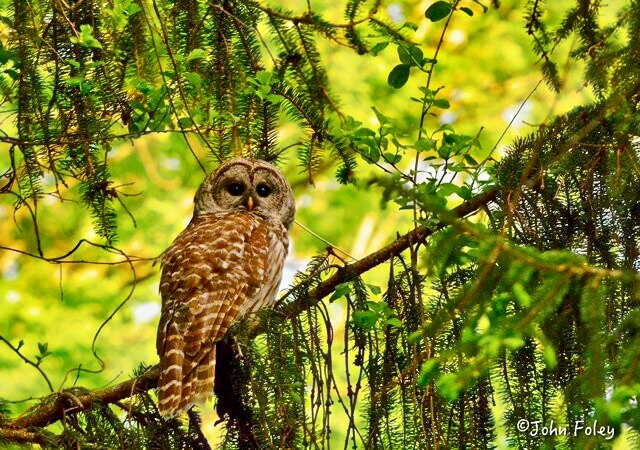
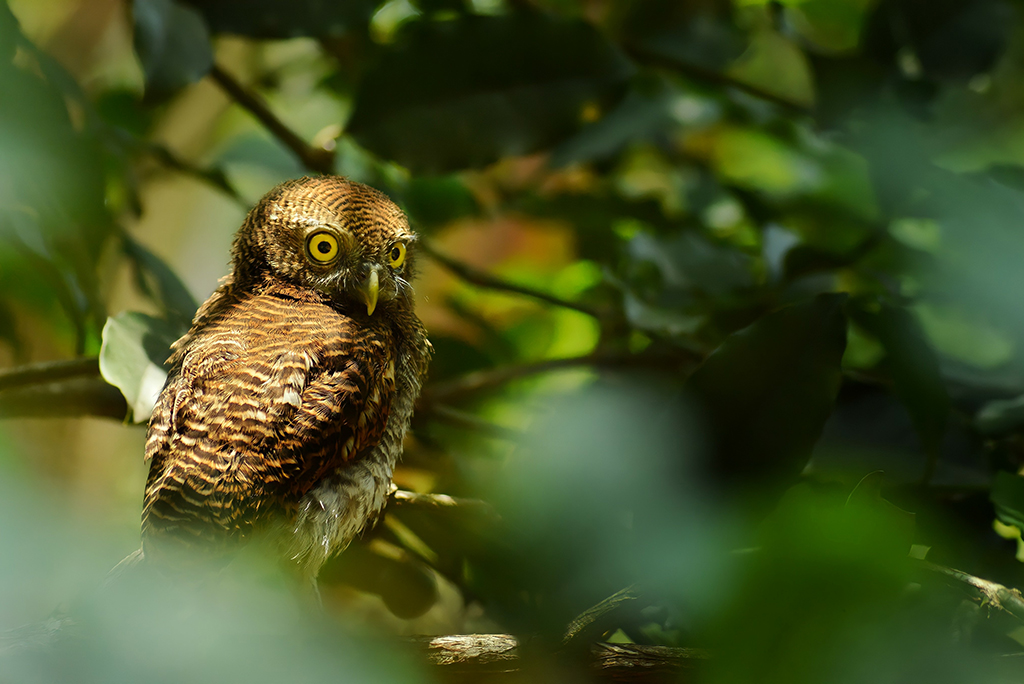
Many of the United States’ smaller owl species live in the forests of the West. Species such as the flammulated owl, northern saw-whet owl and elf owl depend on aspen and conifer forests for survival. They use tree cavities—small openings often created by woodpeckers—for nesting and shelter.
As temperatures rise and environmental conditions shift, many of these forests face increasing pressure. In some regions, scientists expect significant declines in aspen habitat. As forests change, natural nesting cavities may become less available. Changes in precipitation, drought frequency and insect abundance may also affect the food sources that owls rely on to survive and raise young.
Understanding these relationships is critical for protecting owl populations in the decades ahead.
Birds and Climate Change: The Bigger Picture
Owls are not alone.
Birds are often among the first animals to respond to environmental change. Because they are highly mobile and sensitive to shifts in habitat and food availability, changes in bird behavior can provide early clues about broader ecological trends.
Many bird species are already adjusting their migration routes, breeding schedules and geographic ranges in response to changing conditions. Coastal and marine birds face additional challenges from sea-level rise, warming oceans and changing food webs. Other species must adapt as drought, wildfire and habitat loss alter the landscapes they depend on.
In 2019, scientists at the National Audubon Society reported that two-thirds of North American bird species could face significant risks from climate change. At the same time, North America has lost nearly 3 billion birds since 1970—a decline of roughly 30%.
While these numbers are concerning, they have also helped focus attention on the need for long-term monitoring and conservation.
Why Birds Are Important Indicators
As scientists work to understand environmental change, birds have become one of their most valuable sources of information.
Because birds respond quickly to changing conditions, researchers can use observations of their movements, breeding patterns and habitat use to better understand broader ecological shifts. Bird data can also serve as a proxy for changes occurring among other species that are more difficult to monitor.
Another advantage is the sheer amount of information available. Birders, researchers and participants have documented hundreds of millions of bird observations through programs such as Cornell University’s eBird. These large datasets help scientists track changes across decades and across entire continents.
In fact, the National Audubon Society’s climate report relied heavily on these long-term observations.
How Earthwatch Research Helps Birds
Long-term monitoring is essential for understanding how birds respond to a changing climate.
On An Intimate Encounter with Arizona’s Forest Owls, Earthwatch participants work alongside scientists studying owl populations in Arizona’s Chiricahua Mountains. Researchers are examining nesting success, habitat use and the factors that influence owl survival.
Some studies focus on whether artificial nest boxes can help support flammulated owl populations in areas where aspen forests may decline in the future. Other research investigates how changing environmental conditions affect multiple owl species across the region.
The information gathered through these projects helps scientists identify conservation strategies that may support owl populations over time.
Earthwatch participants also contribute to research through Measuring Climate Change in Acadia National Park, where scientists monitor forests, vegetation, soil conditions and wildlife responses to environmental change. These long-term datasets help researchers better understand how ecosystems are adapting and which species may be most vulnerable.
Together, these projects provide important insights into how birds and other wildlife respond to changing conditions.
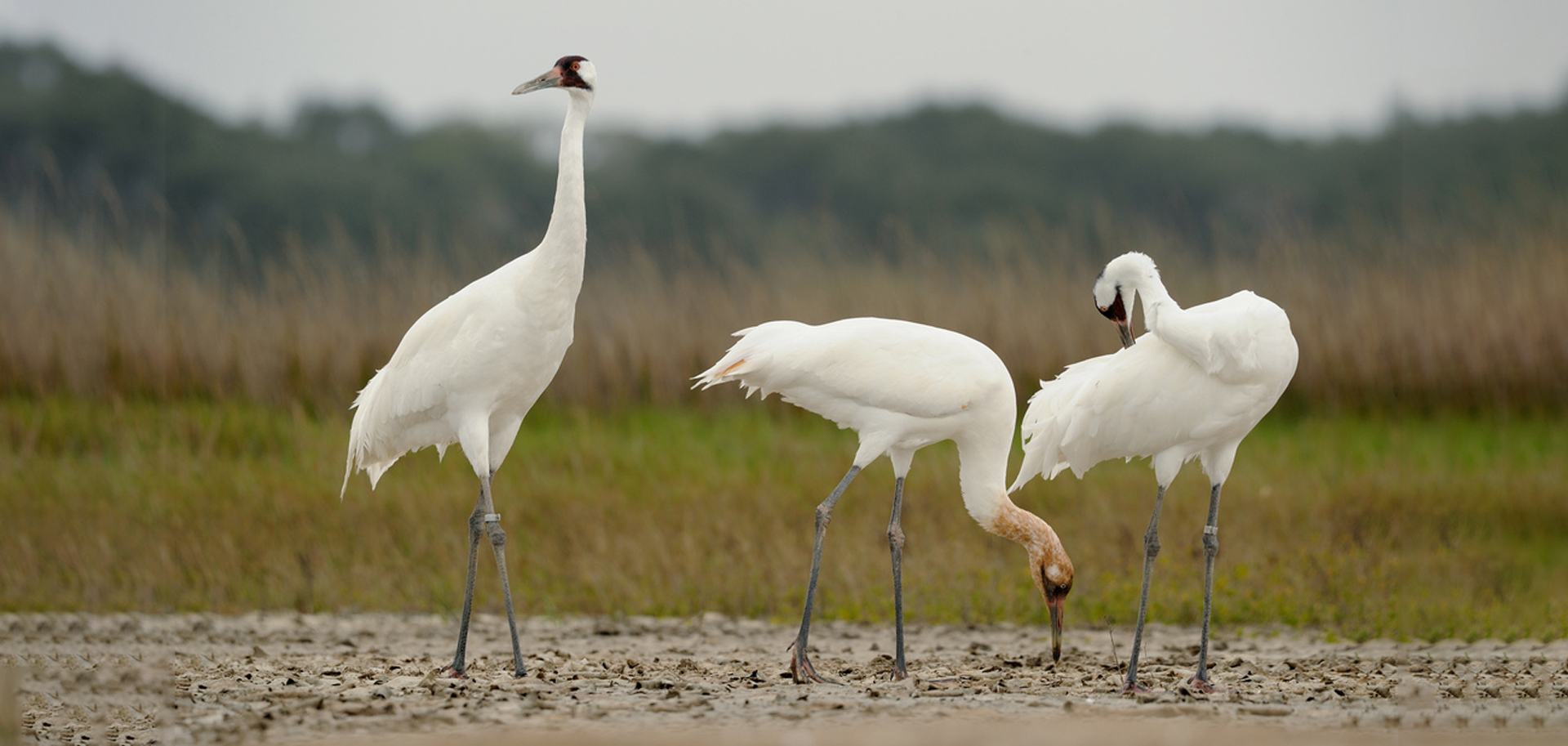
This wild, whooping crane family is in their wintering grounds at Aransas National Wildlife Refuge in Texas. ©Klaus Nigge/USFWS
Success Stories in Bird Conservation
Bird conservation has demonstrated that long-term research can make a meaningful difference.
One of the most celebrated examples is the whooping crane. By the 1940s, only a handful of wild whooping cranes remained in North America. Decades of research, habitat protection and coordinated conservation efforts helped reverse that decline.
Today, the species continues to recover, offering hope that science-based conservation can help protect vulnerable bird populations.
Success stories like these highlight the importance of collecting long-term data and understanding the factors that influence wildlife survival.
The Future of Bird Conservation
Birds provide a window into the health of ecosystems around the world. By studying how they respond to environmental change, scientists gain valuable insights into the future of forests, wetlands, grasslands and coastlines.
Protecting birds requires more than monitoring populations. It also means conserving habitat, supporting scientific research and helping communities understand the challenges wildlife face.
Whether you report bird sightings in your area, support conservation organizations or join an Earthwatch expedition, your actions can contribute to a better understanding of the natural world.
Join the Research
Earthwatch participants help scientists collect the long-term data needed to understand how wildlife responds to environmental change.
Whether you’re listening for owl calls in Arizona’s mountain forests or helping monitor ecosystem change in Acadia National Park, you can contribute directly to research that informs conservation efforts around the world.
Explore upcoming Earthwatch expeditions and discover how you can help support the future of bird conservation.