Good Nature Travel Blog

  • Videos

    Video: The Lost California Grizzlies

    Jul 20, 2017 · Candice Gaukel Andrews

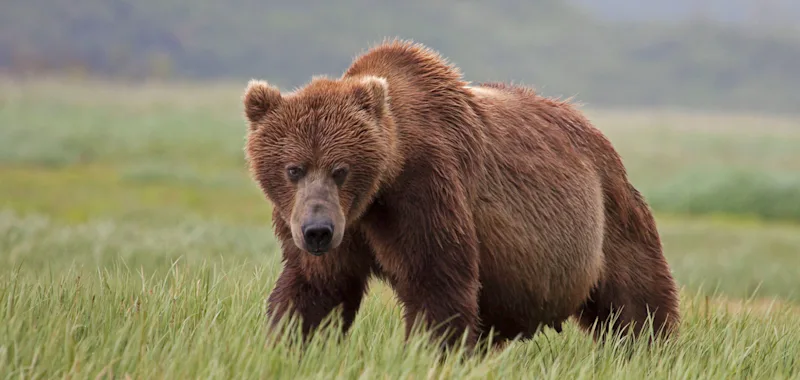
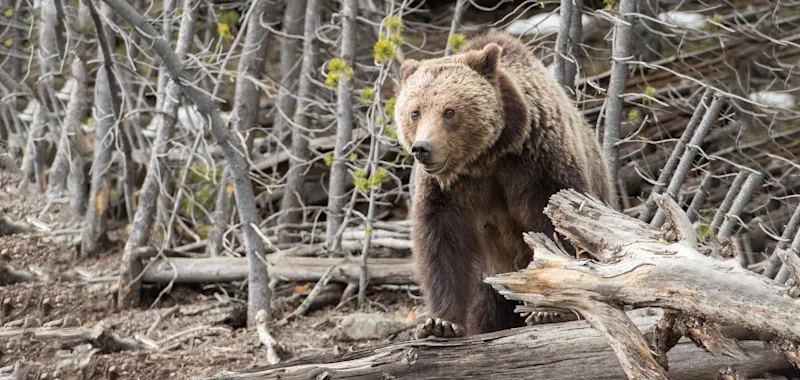
    Although prominently featured on the California flag, a wild grizzly bear hasn’t been seen in the state since the 1920s. In the early 1800s, about 50,000 grizzlies roamed between the Pacific Ocean and the Great Plains. In California alone, before the Gold Rush (1848–1858), there were probably 10,000 grizzlies.
  • News & More

    Greater Yellowstone Ecosystem Grizzly Bears Just Lost Federal Protections

    Jul 18, 2017 · Candice Gaukel Andrews

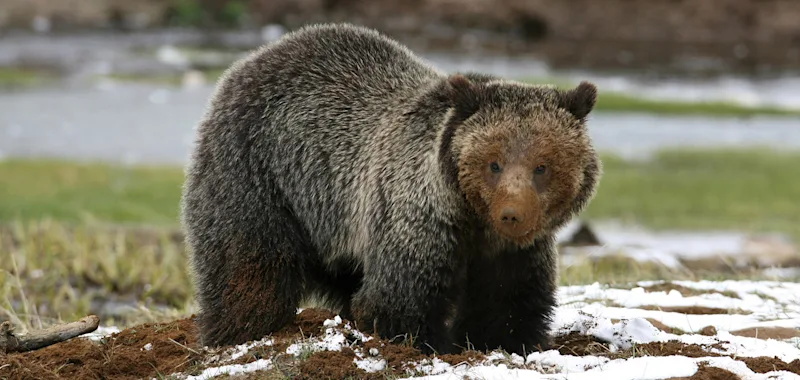
    Later this month, in late July 2017, Greater Yellowstone Ecosystem grizzly bears outside Yellowstone National Park and nearby Grand Teton National Park will lose their Endangered Species List protections. Jurisdiction over the bears will be handed over to Idaho, Montana and Wyoming. In general, that will mean fewer restrictions on killing the bears.

  • News & More

    Quickly Losing Protections: Our Birds, Lands and Oceans

    Jun 20, 2017 · Candice Gaukel Andrews

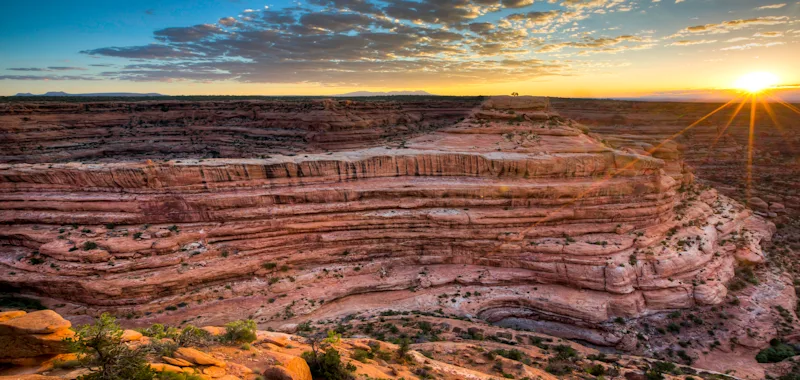
    One hundred and eleven years ago, the American Antiquities Act of 1906 was passed. It authorizes the president to designate federally managed lands as national monuments in order to conserve important archaeological, historic and scientific sites.

  • News & More

    Drones: Wildlife Difficulty or Poaching Deterrent?

    Mar 14, 2017 · Candice Gaukel Andrews

    Drones have become popular conservation tools. The Bureau of Land Management, the Department of the Interior and the U.S. Geological Survey have all used unmanned aerial vehicles (UAVs) to monitor wildlife populations or to map roads or wetlands for land management purposes.

  • Conservation

    Contrary World: Science Education, Pipelines and Wildlife

    Mar 7, 2017 · Candice Gaukel Andrews

    Now, when I wake up in the mornings, I feel as if I’m just about to step foot into a truly either-or, binary-only, black-or-white, contrary world; a world where every advance forward in science or in caring for the natural world and each other must be accompanied by a major step to the rear.

  • Videos

    Video: Endangered Honduras Frogs Get a New Health Clinic

    Feb 16, 2017 · Candice Gaukel Andrews

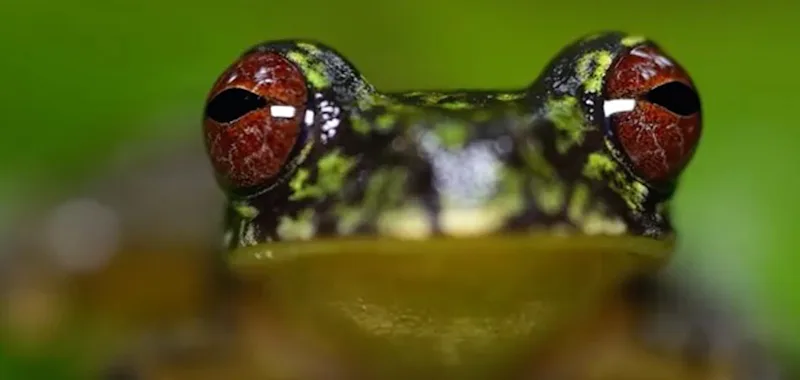
    Across the globe in the past few decades, an invasive chytrid fungus has been devastating amphibian populations. While scientists aren’t sure how the frog-killing form of Batrachochytrium dendrobatidis swept the planet, many suspect it traveled by the importing and exporting of amphibians for food or the pet trade.

  • Conservation

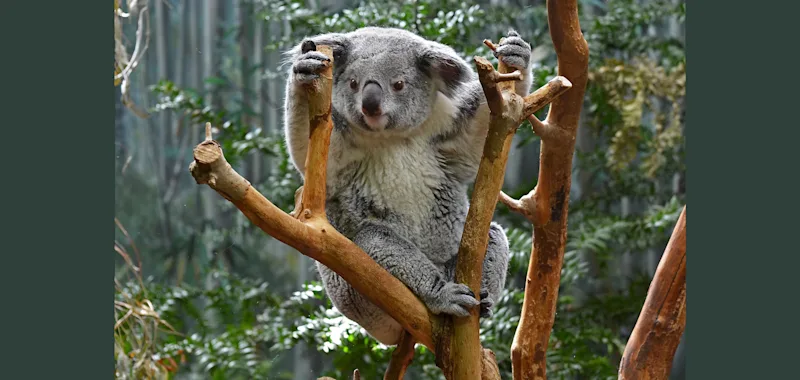
    Rent a Wild Animal in Australia: A Conservation Innovation?

    Jan 17, 2017 · Candice Gaukel Andrews

    Allowing wildlife—a public resource—to be transferred into the hands of private operations isn’t a new idea. Many U.S. states allow the practice to generate income in economically stressed areas. Now, however, some Australian conservationists are proposing the same concept, only not just for prey animals, prized for supplying hunting opportunities.

  • Conservation

    Bushmeat and Locavores: When “Eating Locally” Goes Bad for Going Big

    Oct 25, 2016 · Candice Gaukel Andrews

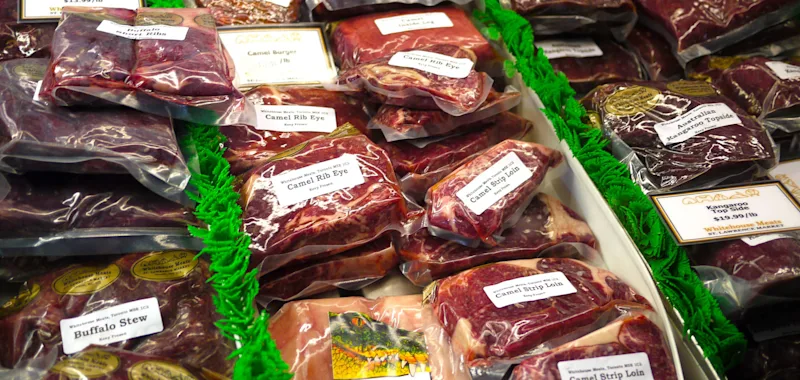
    Becoming a locavore—someone who prefers to find and eat local foods—is a growing and, in most cases, healthy trend in the United States. Locavores typically forage for berries, fruits, mushrooms and nuts; and some take up hunting, deciding they prefer to eat free-range, organically grown meat.

  • Conservation

    Forever Killing Wolves

    Oct 4, 2016 · Candice Gaukel Andrews

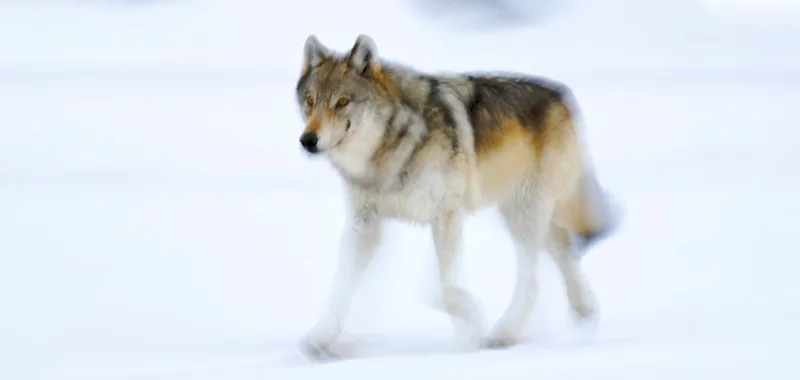
    This is the dirty fact I’ve come to recognize: we humans won’t allow wolves to live on our planet. We won’t stop until the last one of them is gone. If you don’t believe me, look at what’s happening in our own country. Then, look around the world.

  • Nature & Wildlife

    Protecting the Woolly Mammoth to Save Today’s Elephants

    Sep 27, 2016 · Candice Gaukel Andrews

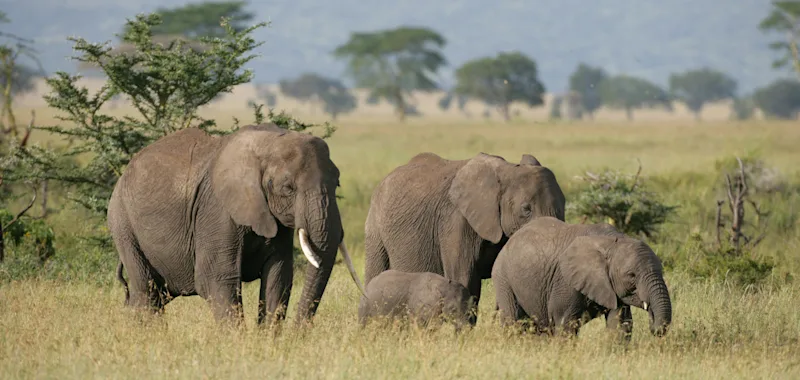
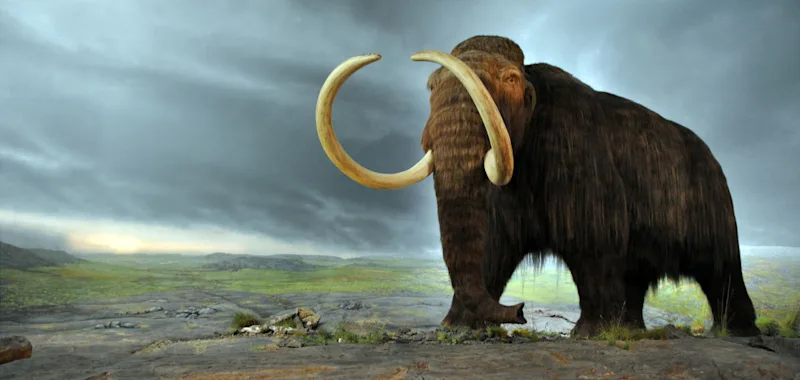
    The woolly mammoth—an animal that went extinct 4,000 years ago—is currently being considered for legal protection under conservation trade rules. “How that can be?” you might well ask. The answer lies in a story that’s entwined with some very modern-day issues: climate change and the rampant poaching of today’s elephants.