

Nature & Wildlife
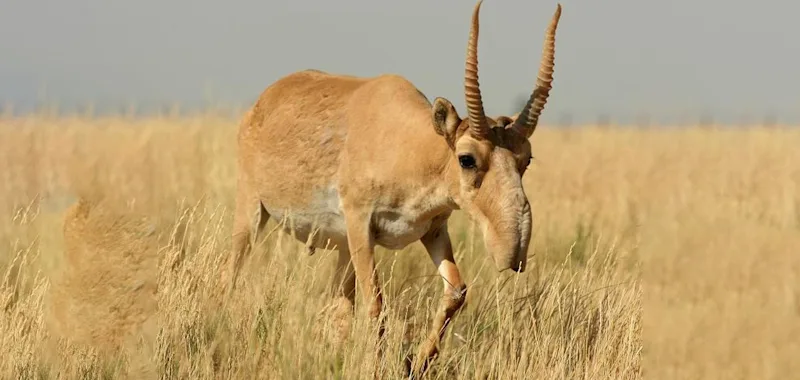
Saiga Antelope Now Victims of Climate Change
In 2015, on the steppes of Kazakhstan, at the crossroads of Asia and Europe, more than 200,000 critically endangered saiga antelope suddenly died in a span of just three weeks.
Nature & Wildlife
In 2015, on the steppes of Kazakhstan, at the crossroads of Asia and Europe, more than 200,000 critically endangered saiga antelope suddenly died in a span of just three weeks.
Nature & Wildlife
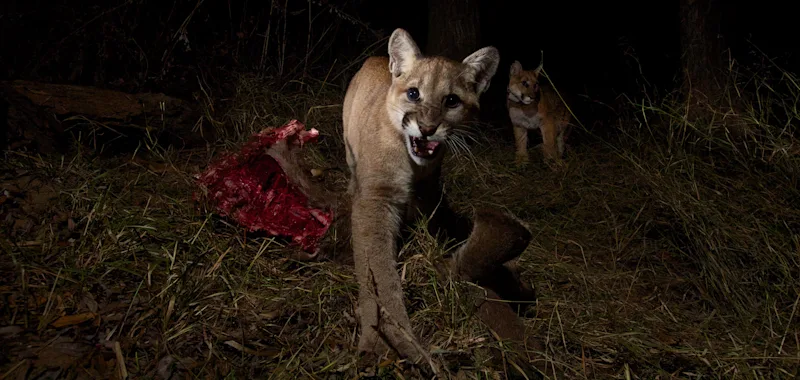
Eastern cougars (Puma concolor couguar) were officially declared extinct last week, on January 22, 2018. The U.S. Fish and Wildlife Service (USFWS) has now removed them from the Endangered Species list, where they had been placed in 1973.
Conservation
I read about something today that may seem like a small thing to know in the midst of all the news in our lives. But perhaps, deep down inside it, you’ll find a very profound thought and idea. This small item came from a study conducted at Northwestern University in Illinois.
Nature & Wildlife
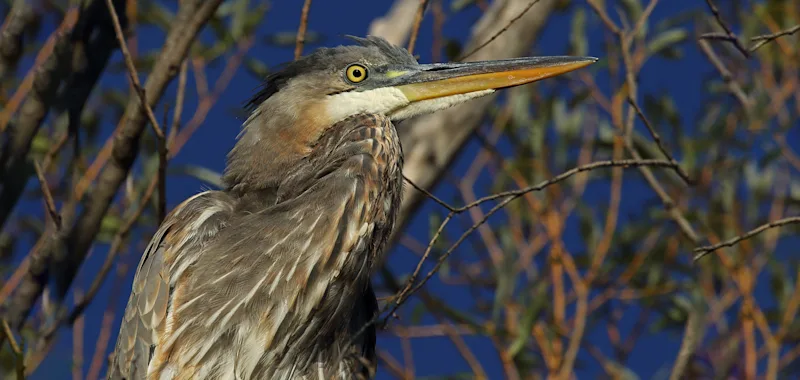
Wildlife science has many measurements; for example, “carrying capacity,” “depredations” or “translocations.” But there’s a new scale I recently came across: “bird years lost.” A bird year is a quantity devised by ornithologist Daniel Cristol at the College of William and Mary in Williamsburg, Virginia.
Conservation
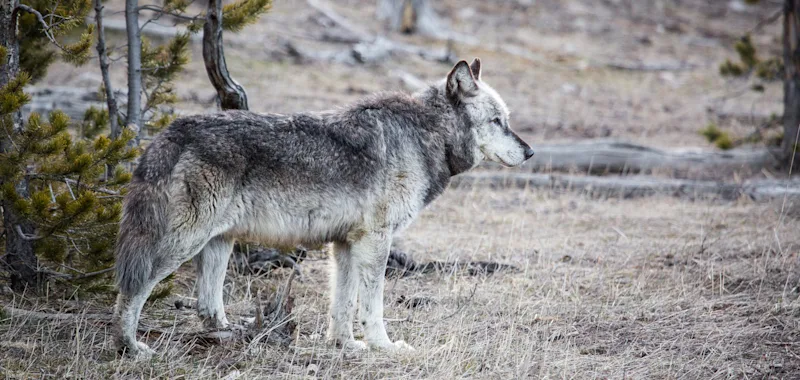
Conflict between wolves and ranchers is just about as old as, well, as there have been ranchers in the West. Wolves were nearly hunted, poisoned and trapped to extinction in the Lower 48 a few decades ago, due in part to the threat they posed to livestock.
Videos
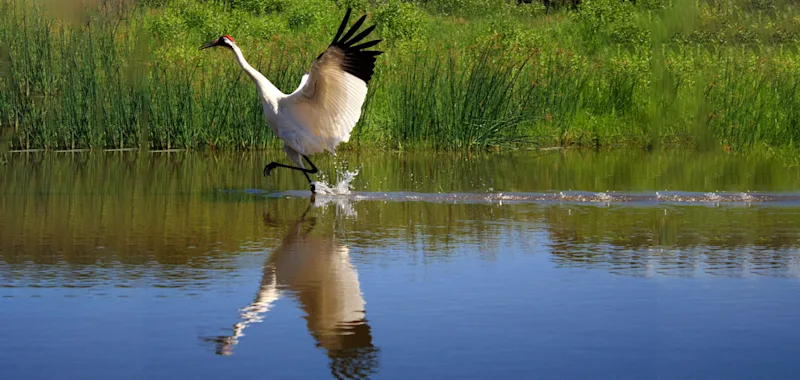
In 1942, there were fewer than 20 whooping cranes left alive in the world. Their habitats were vanishing, and they had been hunted almost to extinction. If we were to keep them from blinking out, we needed to think in new and bold ways. With the help of science, we did.
Nature & Wildlife
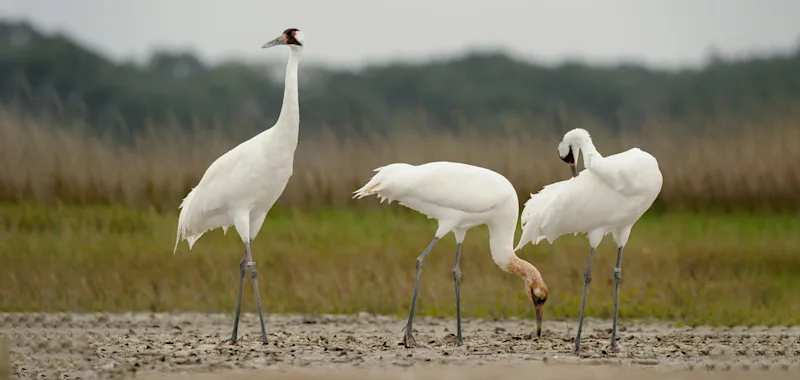
After more than 50 years, the largest captive-breeding-and-release program for whooping cranes is closing. Housed at the U.S. Geological Survey Eastern Ecological Science Center in Laurel, Maryland, the $1.5 million program was cut from the federal budget for fiscal year 2018, which began October 1, 2017.
Nature & Wildlife
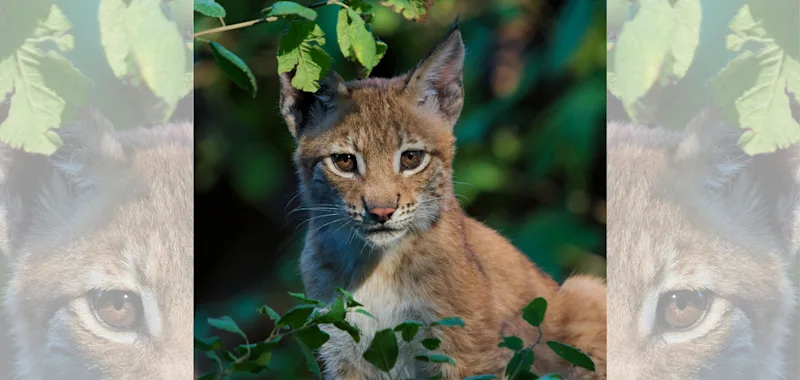
It’s a story too often told. Once, a predator roamed wildlands and then was relentlessly hunted to extinction or to the brink of it. In the Lower 48, the histories of bison, gray wolves, beavers, grizzly bears and whooping cranes come to mind. In Great Britain, the story includes Eurasian lynx.
Videos
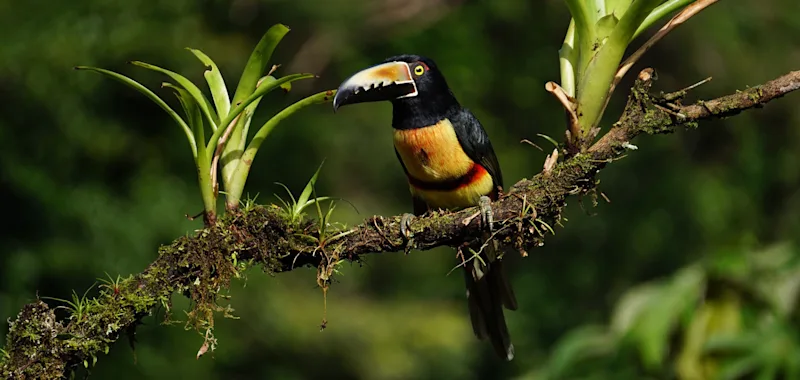
Around the world, deforestation is causing millions of species to lose their natural habitats. Estimates are that tracts half the size of England are lost annually, and scientists say that the world’s rain forests could completely vanish in a hundred years at the current rate of clearing.
News & More
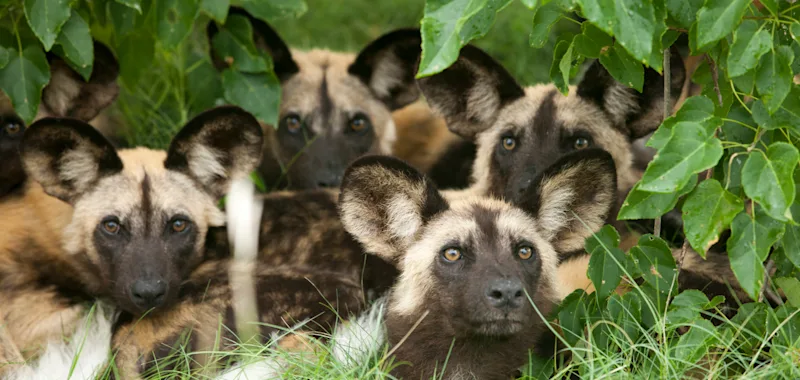
Polar bears struggling to find the ice floes they need for hunting and survival became the icon of climate change and our rapidly warming planet decades ago. And we’ve often heard how hotter temperatures are affecting the globe’s north and south poles and their oceans.
Videos
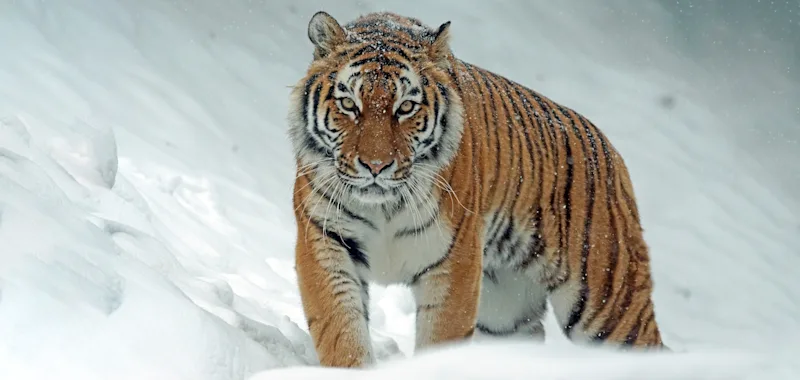
Watching wild animals being returned to their natural habitats after an accident or injury is immensely gratifying and often thrilling. Restoring even just a bit of nature makes our hearts instinctively feel that a wrong is being righted. Our senses of justice are assuaged.
Conservation
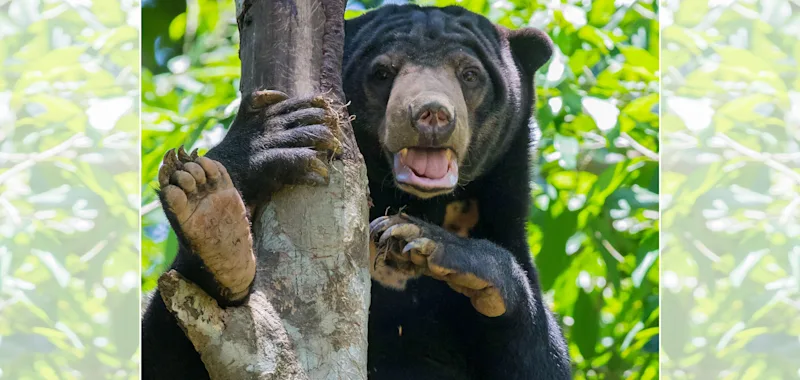
Wildlife tourism—tourism specifically based on encounters with undomesticated animals—accounts for 20 to 40 percent of the total $1 trillion annual, global tourism industry. This comes from a paper published in late 2015 in the peer-reviewed, science journal PLOS ONE. The paper further states that wildlife tourism is the leading foreign-exchange earner in several countries.