Good Nature Travel Blog

  • Conservation

    Video: Google Glass Aids Rhino Conservation Groundwork

    Apr 25, 2014 · WWF

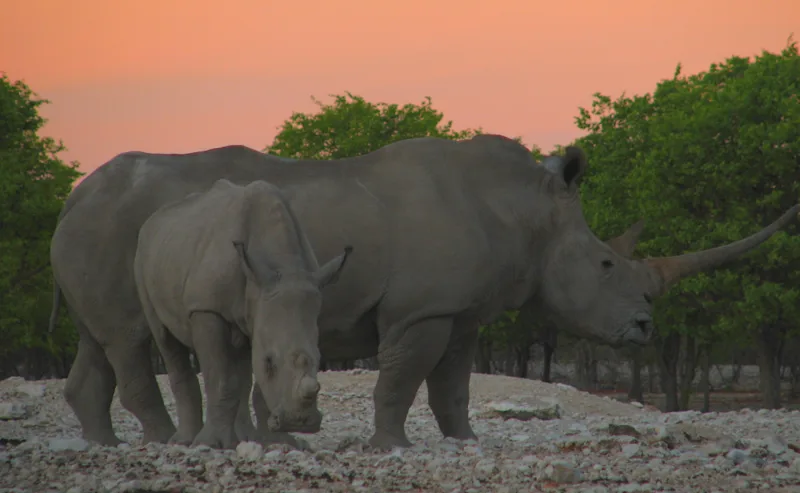
    WWF has actively been looking at how technology is transforming conservation. As a Google Glass Explorer, WWF has started to test Field Notes, a tool biologists can use to record field data hands-free. Watch this video as WWF-Nepal senior research officer Sabita Malla journey’s through Chitwan National Park, monitoring rhinos with Google Glass.
  • Conservation

    Help Stop Wildlife Crime: How to Buy Environmentally Friendly Souvenirs

    Mar 16, 2014 · WWF

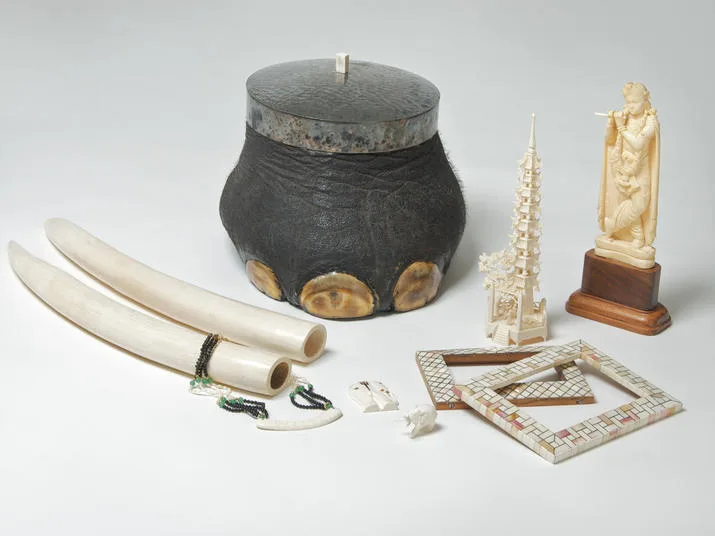
    As a traveler, you have tremendous power to decrease the demand for illegal products by making informed purchases. Your purchases abroad and at home have a profound impact on wildlife. Demand for illegal products made from endangered species fuels wildlife crime and devastates populations of elephants, marine turtles, rhinos and tigers, among other species.

  • Conservation

    Video: UK Royalty Issues Plea to 'Unite for Wildlife'

    Feb 15, 2014 · Tania Curry

    Prince Charles of Wales and William, Duke of Cambridge, recently issued six videos to urge the end of the illegal wildlife trade through the support of organizations who are working on the ground in these countries, with governments and raising awareness to end the demand of illegal wildlife products in key markets, such as Asia.

  • Conservation

    A Heart-warming Photo Essay: Kenyans Protecting their Wildlife

    Feb 10, 2014 · Emily Deemer

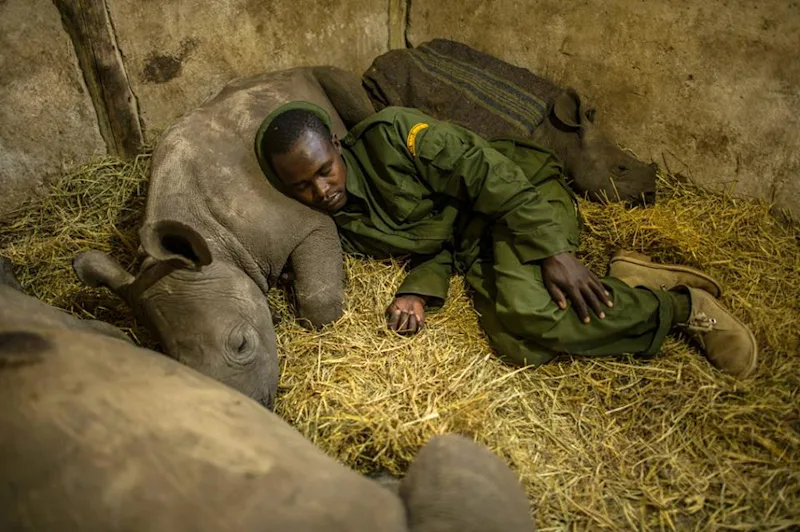
    The New York Times Lens recently featured a heart-warming photo essay highlighting how local communities in Kenya are working to protect their endangered wildlife. In the photo above, a ranger named Kamara is sleeping with three orphaned rhino calves at Kenya’s Lewa Wildlife Conservancy.

  • Conservation

    An Elegy – and a Hope – for Elephants

    Nov 21, 2013 · Wendy Redal

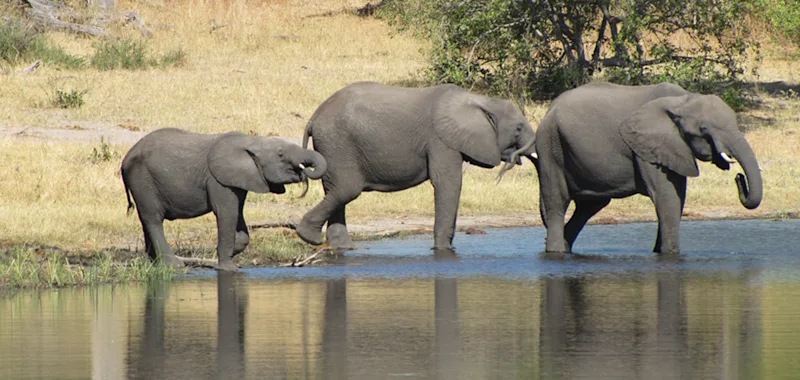
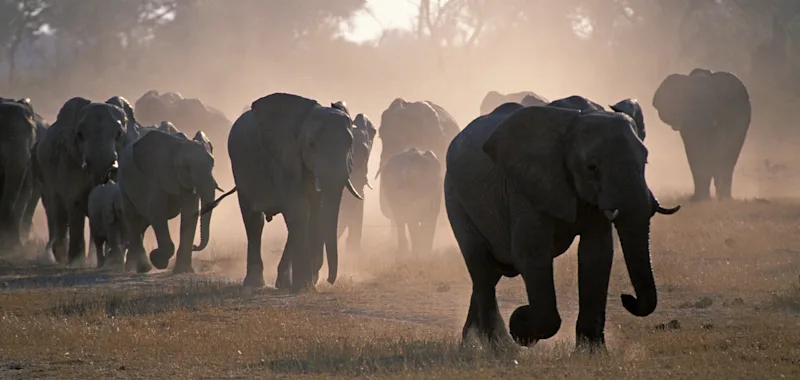
    A PERSONAL REFLECTION ON THE U.S. IVORY CRUSH Two years ago when I was on safari in Botswana, I saw my first herd of wild elephants. We heard them first—a low, rumbling thunder in the distance.

  • Nature & Wildlife

    Will the U.S. Destruction of Six Tons of Ivory Truly Curtail Poachers?

    Nov 19, 2013 · Candice Gaukel Andrews

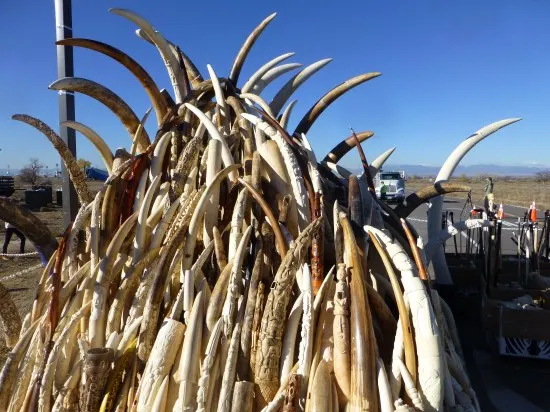
    Last week, the U.S. Fish and Wildlife Service pulverized nearly six tons of illegal African and Asian elephant ivory. A conservative estimate of this ivory, which was seized at our nation’s ports of entry from the late 1980s to the present, is that it represents 2,000 animals.

  • Conservation

    Poachers Kill 300 Elephants in Zimbabwe Using Cyanide

    Oct 23, 2013 · Wendy Redal

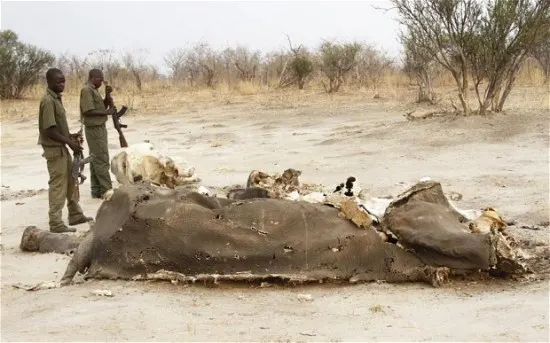
    I’m always more enthused to share conservation success stories than grim accounts of wildlife devastation, but it’s crucial for the Good Nature community to remain informed about crises, too, since awareness and public pressure are often essential to addressing the problems that impede conservation efforts.

  • Conservation

    WWF President and CEO Appointed to White House's Advisory Council on Wildlife Trafficking

    Sep 20, 2013 · Emily Deemer

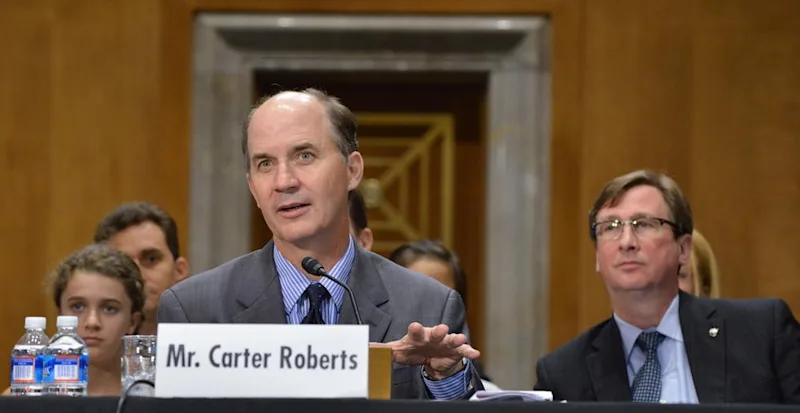
    President Obama has appointed WWF President and CEO Carter Roberts and several others to the Advisory Council on Wildlife Trafficking this month. The Task Force will be constructing a charter for preventing wildlife trafficking worldwide, with a focus on the supply coming out of Africa, as well as Asia on the demand side.

  • Conservation

    CITES: Can a Crackdown on Wildlife Crime Wait Another Year?

    Mar 27, 2013 · Candice Gaukel Andrews

    Just two weeks ago, on March 14 and 15, 2013, in southern Chad near the country’s border with Cameroon, poachers killed at least 86 elephants—maybe more. The victims included 33 pregnant females and 15n calves. The motive was ivory, for illegal trade. Elephants, of course, aren’t the only animals being massacred today for their body parts.

  • Conservation

    How to Avoid Buying Illegal Souvenirs

    Aug 7, 2009 · Megan Koelemay

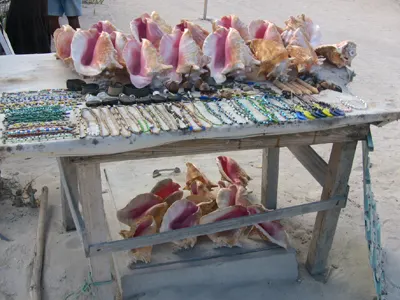
    Every year, millions of tourists in the Caribbean and Mexico buy wildlife curios as souvenirs – often without any inkling that they are supporting unsustainable and illegal wildlife. Check out www.worldwildlife.org/goodbuy to learn more.