How to Avoid Buying Illegal Souvenirs

Every year, millions of tourists in the Caribbean and Mexico buy wildlife curios as souvenirs – often without any inkling that they are supporting unsustainable and illegal wildlife.
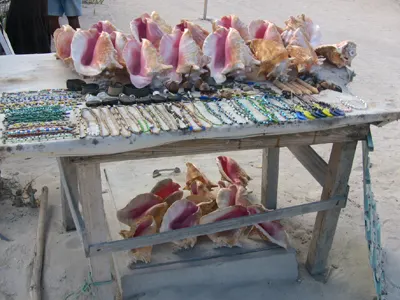
Some travelers don’t think twice about buying wildlife like Mexican parrots or products made from turtles, iguanas, and coral – all protected by domestic or international laws. Shop owners are often unaware that some of the wildlife products on sale required export permits or may be illegal to take back to the United States or Europe – or they know, but pretend not to.
There have even been reports of wildlife smugglers posing as cruise tourists, using the anonymity of mass tourism to poach rare species.TRAFFIC, opens in new tab, the joint wildlife trade monitoring program of World Wildlife Fund, opens in new tab and the International Union for the Conservation of Nature, opens in new tab, is working with governments, some of the cruise lines, traders, and tourists to promote good buys that will save wildlife and boost local economies.
Learn more about these efforts – and how you, as a tourist, can make a good decision – on the new Make a Good Buy, opens in new tab website.