


By Sophia Ludtke, Spring Power & Gas Fellow
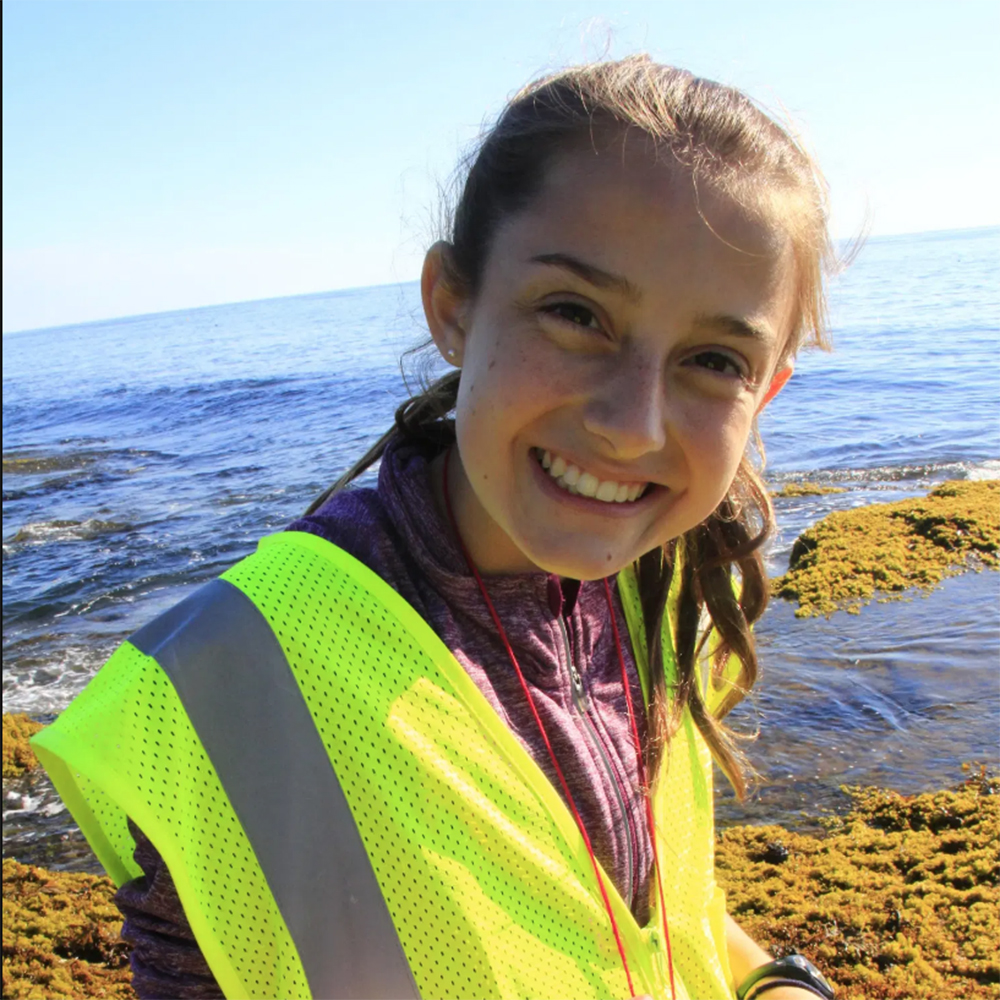
Through the generous support of Spring Power & Gas, I had the opportunity to join 12 other high school students in Acadia National Park with Earthwatch to explore how climate change is affecting biodiversity along Maine’s coast.
From a young age, I have loved both science and the outdoors, but before this trip, I never imagined how naturally those two interests could come together. Working alongside scientists and fellow participants in the field showed me how accessible and engaging scientific research can be.
Our project focused on understanding how warming temperatures may affect bird migration and fruit availability—and the relationship between the two.
The scientists leading the research hypothesized that some birds seeking cooler temperatures may be shifting their migration patterns. At the same time, warmer conditions may be causing fruit-bearing plants to ripen earlier in the season. If those changes occur at different rates, birds may arrive after an important food source has already peaked. Plants, meanwhile, may lose some of the animals that help disperse their seeds.
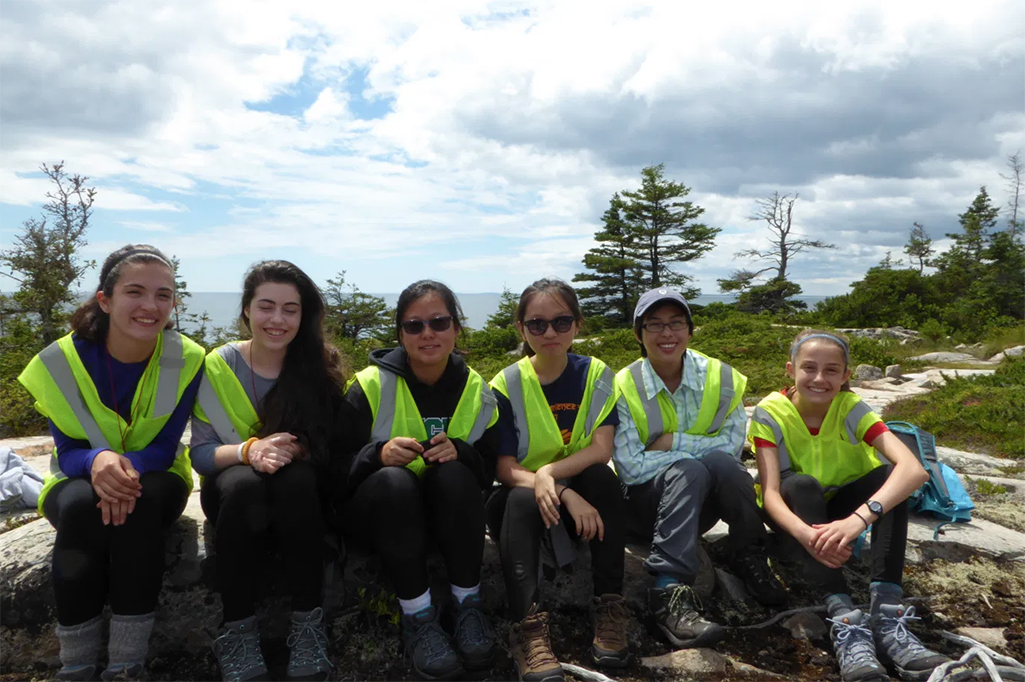
As our lead scientist, Dr. Feldman, explained, this interaction reflects a much larger story unfolding across ecosystems worldwide.
We know environmental conditions are changing, but scientists are still working to understand exactly how those changes will affect plants, animals and people. At times, climate change can feel overwhelming, too large for any one person to address. This experience helped shift my perspective. I began to see how individual contributions—from ecological research to engineering innovations, public policy, education and art—can all play a role in building a more sustainable future.
While I still don’t know exactly what role I will play, this experience reaffirmed my desire to be part of the solution.
The expedition also immersed me in the scientific process and helped me realize how much I enjoy it.
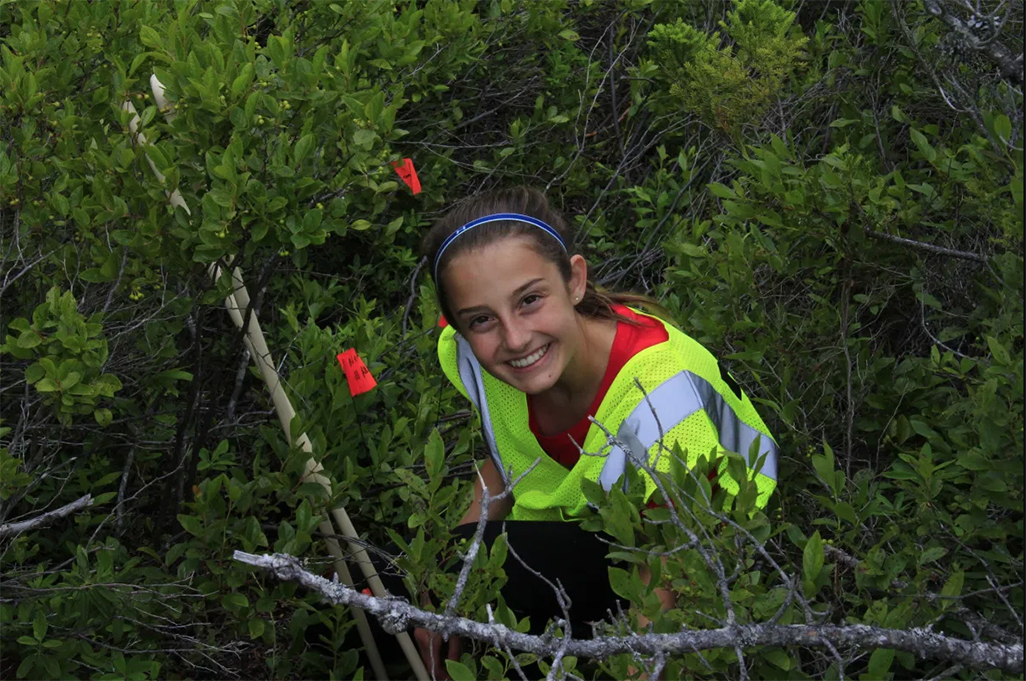
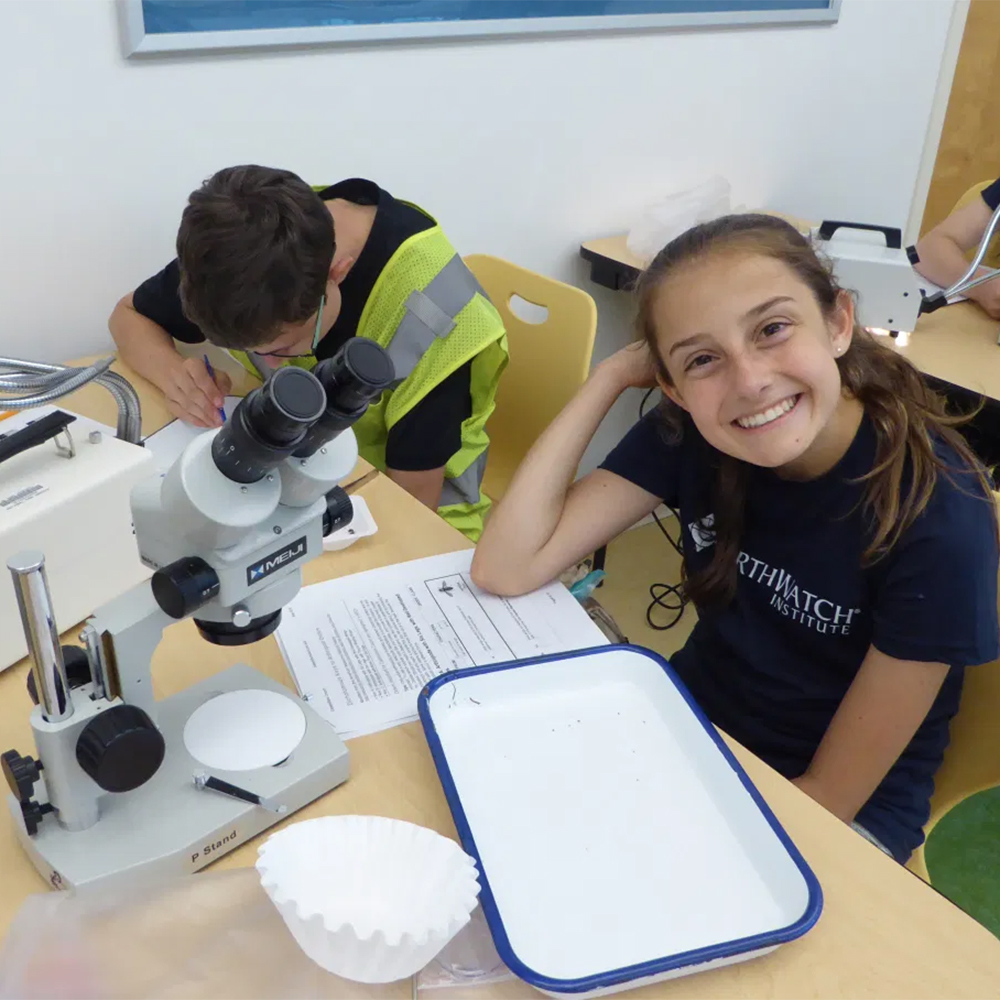
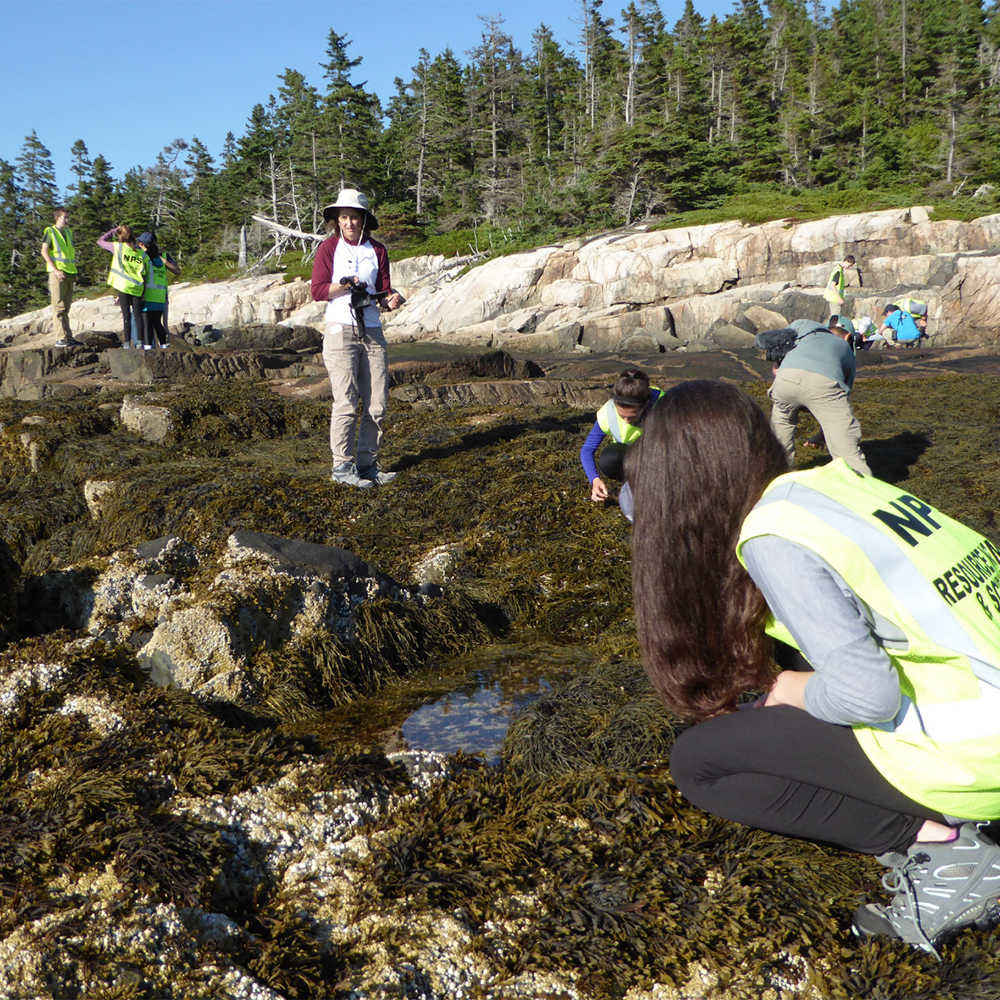
Each day in the field looked a little different. We trekked through dense vegetation to establish 3-foot by 6½-foot study plots. We crouched among intertidal rocks searching for invertebrates. We filled brightly colored cups with water to sample insect populations. We counted huckleberries and recorded data across our study sites.
At times, the work was physically challenging, but I always felt that the information we were collecting could contribute to meaningful scientific discoveries.
Working alongside a professional scientist at such a young age was incredibly empowering.
One highlight of the week was hearing from a female scientist conducting research similar to our own. She shared her work, answered questions and talked with us about our interests and future goals.
Although female role models in STEM appear in books, films and media, meeting a scientist in person had a different impact. It helped me imagine a future where I could conduct research that mattered and share it with the next generation of aspiring scientists.
My week in Acadia passed far too quickly. If I had the chance to return, I would do so without hesitation.
I miss the coastline, the forests and the night sky. Looking up at a sky filled with stars reminded me how connected we are to the natural world. Spending a week immersed in nature reinforced the importance of protecting these places for future generations.
I miss the science as well. From counting caterpillars and examining specimens under microscopes to searching for hermit crabs among the rocks, every day offered new opportunities to learn. The experience helped me discover a field I strongly connect with—environmental science—and one I may pursue in the future.
But most of all, I miss the people.
Whether we were counting huckleberries, collecting data or sharing stories beneath the stars, we formed strong friendships. I know many of us will stay in touch for years to come.
I am grateful for this experience and hope many more students have the opportunity to participate in programs like this in the future.
Learn More
Explore Measuring Climate Change in Acadia National Park to learn more about the research taking place along Maine’s coast and how participants contribute to long-term environmental monitoring.