



By Catie Mino, Earthwatch Academic Facilitator
Acadia National Park stretches along Maine’s rugged coastline, encompassing nearly 50,000 acres of forests, rocky shorelines and marine habitats. It was the setting for our research project, Measuring Climate Change in Acadia National Park, where we studied the effects of climate change and ocean acidification on the intertidal zone.
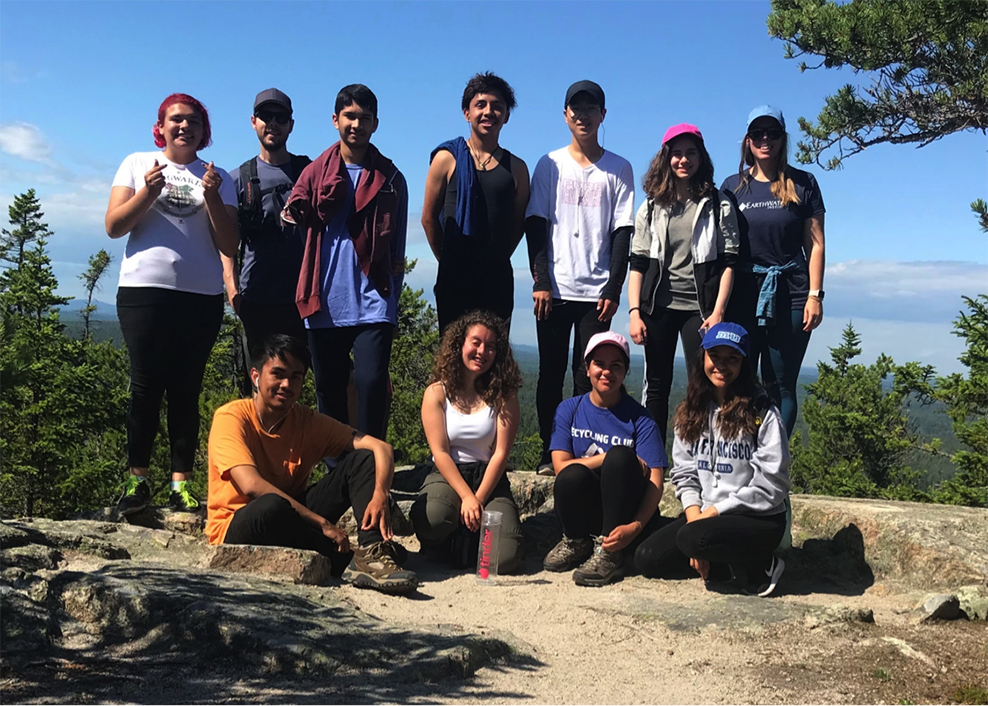
Our team included one scientist, two academic facilitators and nine students participating through Earthwatch’s Ignite student fellowship program. Traveling from Los Angeles to Maine’s Schoodic Peninsula, the students found themselves immersed in a landscape unlike anything they had experienced before. They arrived eager to explore, dancing through a rainstorm and bringing that same enthusiasm to every aspect of the research.
Discovering the Intertidal Zone
The intertidal zone is a place of constant change. Hidden beneath the ocean for much of the day, it emerges only when the tide recedes, revealing seaweed-covered rocks, tide pools and a surprising diversity of life.
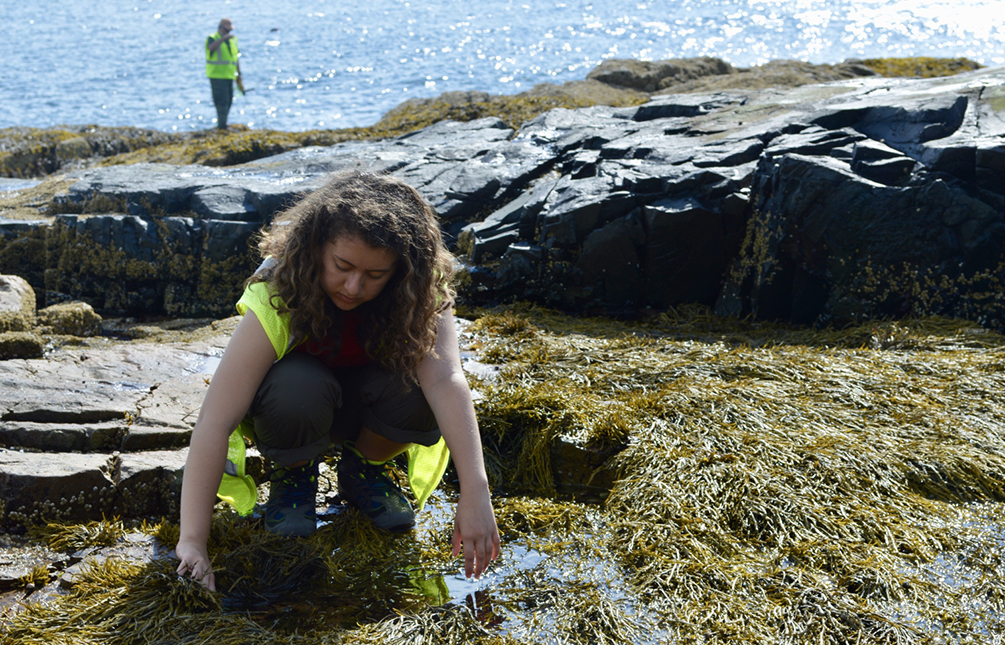
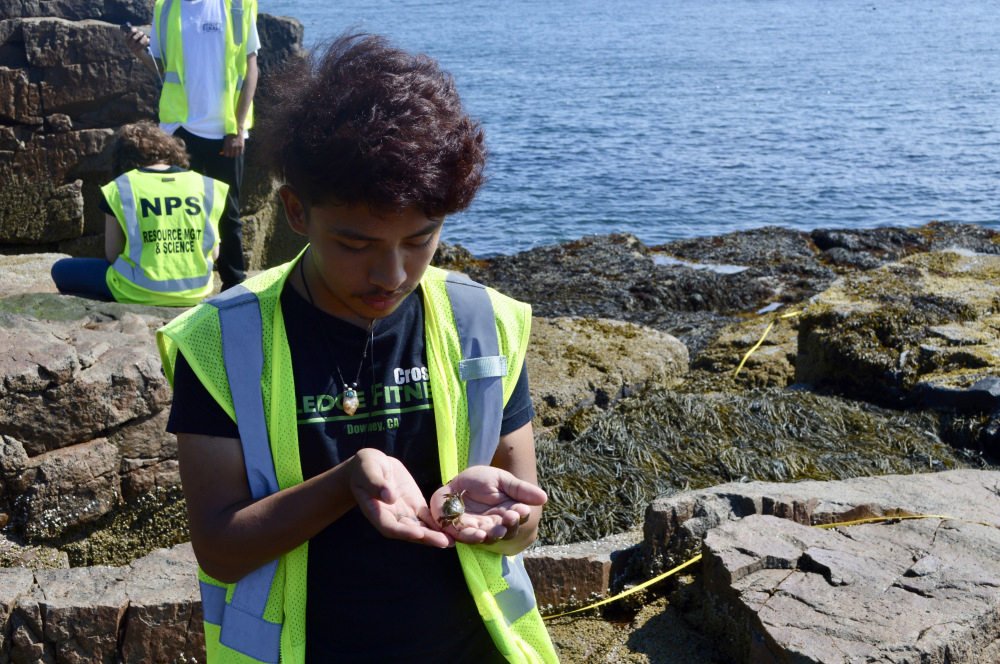
On our first day in the field, the students moved cautiously across the slippery rocks and carefully lifted seaweed in search of marine creatures. As the days passed, their confidence grew. Some searched tide pools and seaweed beds for invasive green crabs. Others used GPS units and compasses to guide the group to research sites.
Each visit revealed something new.
Research Guided by the Tides
The tides shaped our schedule. Most mornings began at 7am, and fieldwork revolved around low tide.
Of course, the expedition wasn’t all work. We hiked coastal trails, watched sunsets, played games and shared a traditional Maine lobster dinner.
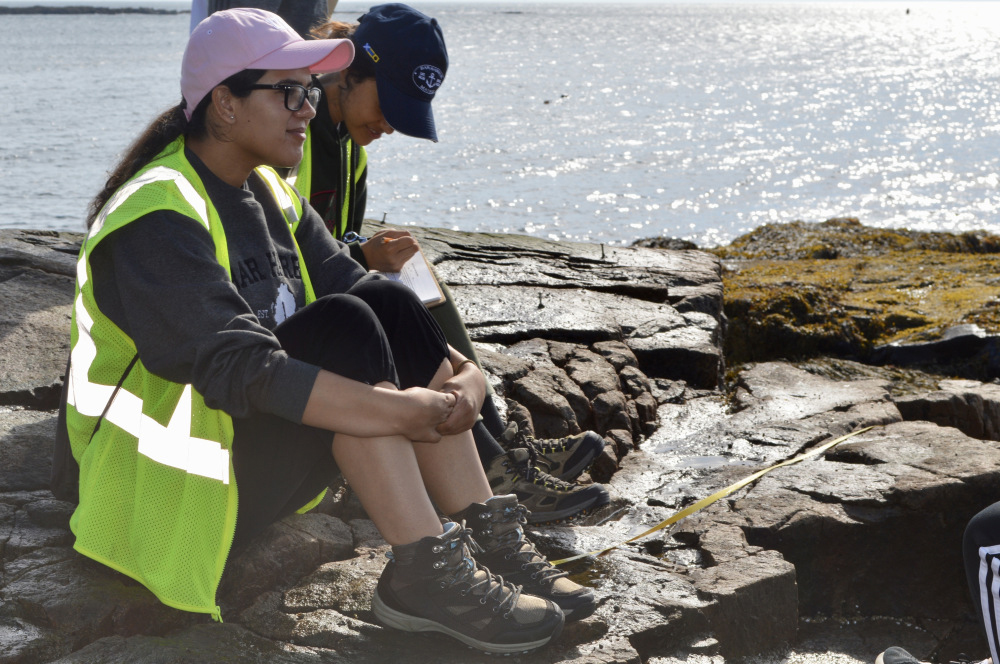
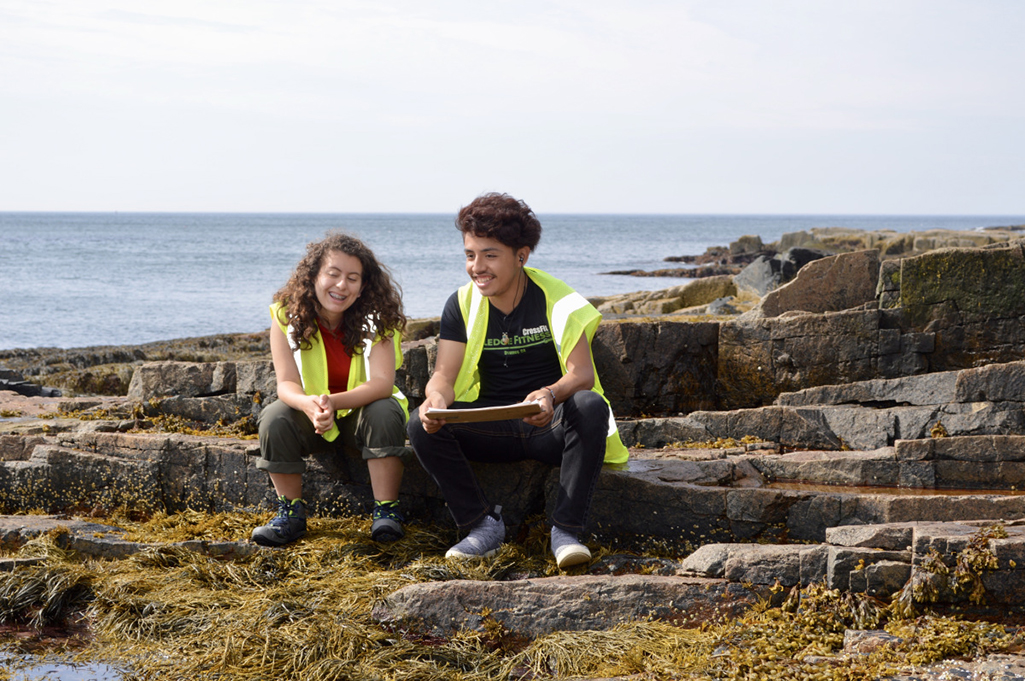
During each low tide, we returned to the intertidal zone to collect data. Researchers established four quadrats at study sites, and together we documented the organisms found within each square. Barnacles, seaweed and snails became the focus of our surveys as we recorded their abundance and distribution.
The students also helped install transects for long-term monitoring of intertidal communities.
Back in the lab, the work continued.
We collected 100 snails, weighed and labeled them, then placed them into four separate tanks designed to simulate different environmental conditions. Each tank featured varying temperatures or carbon dioxide levels. After a set period, the snails were weighed again and any changes were recorded.
The data collected during these experiments contributed to a broader effort to understand how marine organisms respond to changing ocean conditions.
Learning Beyond the Classroom
As a science educator, few things are more rewarding than watching students contribute to research that supports real scientific questions.
Topics such as climate change and ocean acidification can feel abstract in a classroom. Graphs, photographs and textbooks can explain the concepts, but they only tell part of the story.
Field research brings those concepts to life.
When students collect data themselves, they gain a deeper understanding of how scientific knowledge is built. They see firsthand how researchers ask questions, gather evidence and interpret results.
Just as importantly, they develop a personal connection to the issues being studied.
Watching students step outside their comfort zones and immerse themselves in scientific research was one of the most rewarding parts of the expedition. Early mornings, demanding fieldwork, unfamiliar surroundings and new social dynamics all presented challenges. The students met each one with enthusiasm.
A Transformation in the Field
Programs like this benefit everyone involved. Scientists gain valuable data. Academic facilitators return home with new ideas for their classrooms and research projects.
But the students gain something even more important.
When they stepped off the plane in Maine, they were inexperienced field researchers meeting one another for the first time. They had to learn how to work as a team, solve problems together and adapt to unfamiliar situations.
Over the course of the expedition, that transformation became impossible to miss.
They participated in real-world scientific research. They worked alongside professional scientists and saw firsthand what a career in research can look like. They helped collect data, test hypotheses and contribute to an ongoing scientific investigation.
Most importantly, they learned the value of collaboration.
Together, they asked questions, gathered evidence and found solutions. In the process, they developed a deeper awareness of the natural world and a greater appreciation for the importance of working together.
The intertidal research project in Acadia National Park left participants with a lasting respect for coastal ecosystems and the challenges they face in a changing world.
Learn More
Explore Measuring Climate Change in Acadia National Park to learn more about the research taking place along Maine’s coast and how participants contribute to long-term environmental monitoring.