

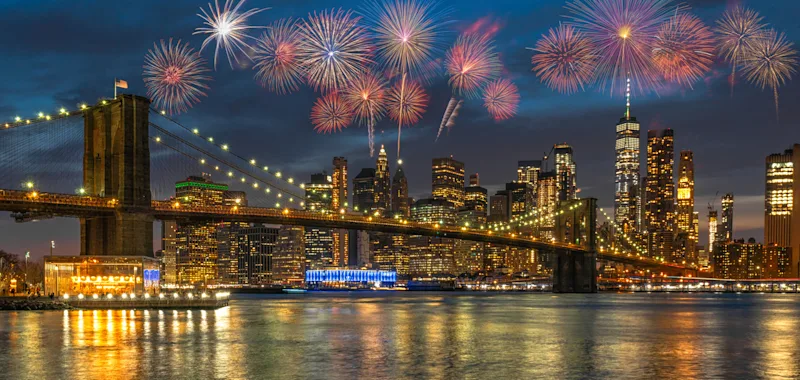
July 4th Fireworks Fill the Sky with Lights—and Pollutants
Fourth of July fireworks can release harmful pollutants into the air you breathe. There are, however, other, healthier alternatives.
1183 stories
Fourth of July fireworks can release harmful pollutants into the air you breathe. There are, however, other, healthier alternatives.
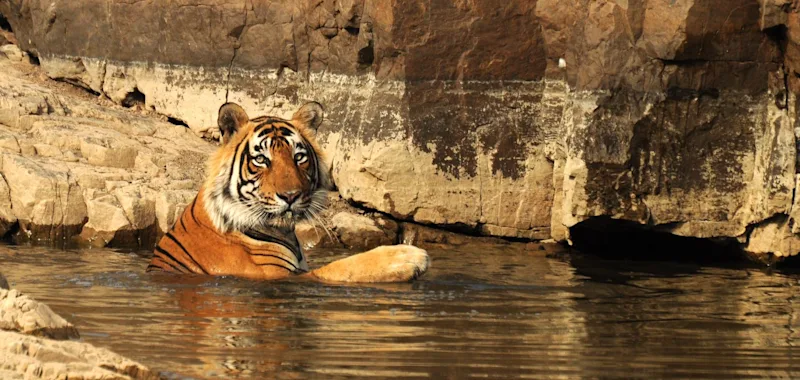
As the largest member of the cat family, tigers are compellingly powerful and stealthy. It’s no wonder they’ve been one of nature’s most feared predators for roughly two million years! But in just the past 150 years, the tiger’s range has shrunk by nearly 95%.
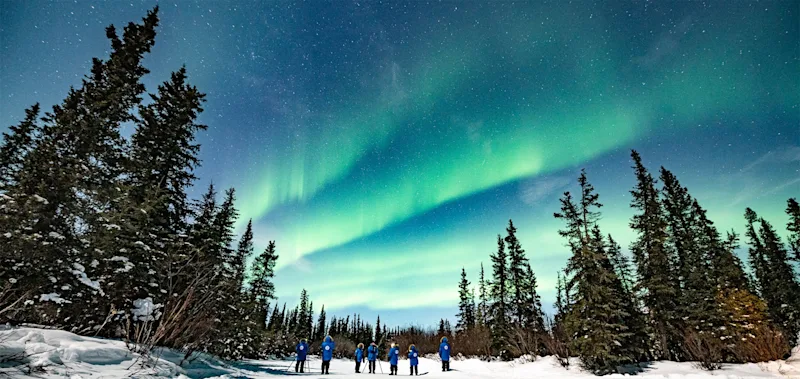
By Nat Hab Expedition Leader Eddy Savage The aurora borealis has evoked a powerful mythological significance from different cultures for millennia. There are stories of the ancestors of Canadian Inuit playing a game of kickball in the sky with a walrus’s skull.
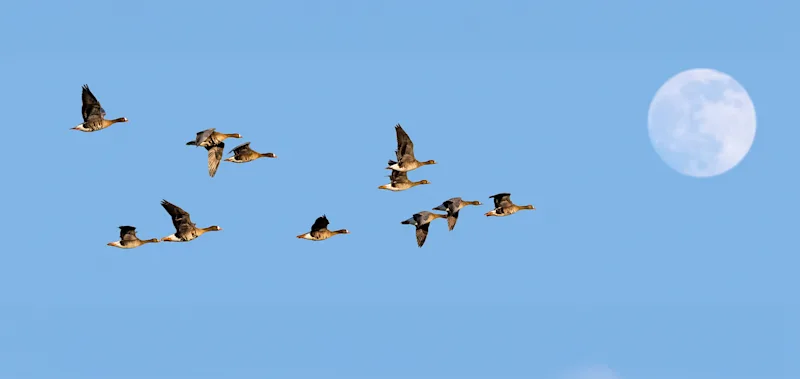
Bird migration may seem like a timeless natural phenomenon, but the way birds migrate is shifting dramatically, with profound implications for ecosystems and biodiversity. Here are just a few examples: Swallows and swifts are shifting arrival and departure times to align with shifting insect abundance.
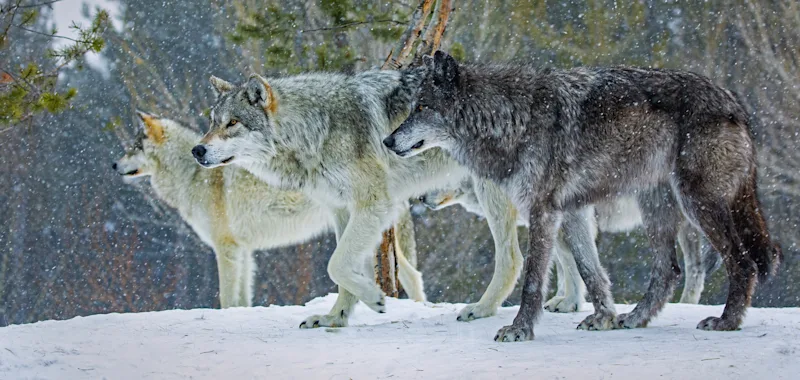
Wolves have been misunderstood throughout the millennia, painted as wild and deadly beasts. They are creatures of myth and folklore—often to their detriment. The truth is that wolves are highly intelligent animals. They are extremely social and develop close bonds with family members and within their packs.
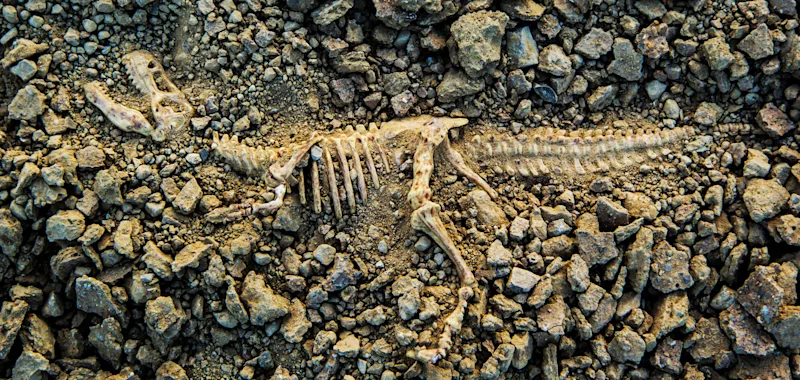
Captivating remnants of ancient times, fossils offer a window into Earth’s history and the evolution of life. They document the past, providing clues about extinct species, vanished environments and the processes that shaped our planet.
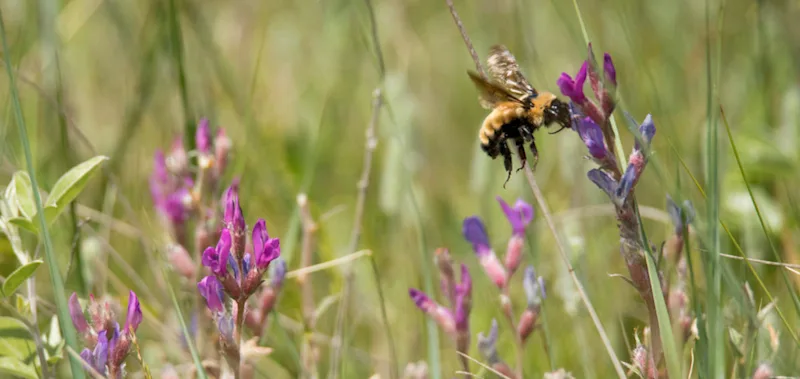
Everyone knows the honey bee, but did you know there are more than 20,000 different bee species in the world—and around 4,000 species that live in the U.S. and Canada alone? In fact, honey bees (Apis species) are not native to North America. They originated in Europe, Asia and Africa. Bees are incredibly important insects.
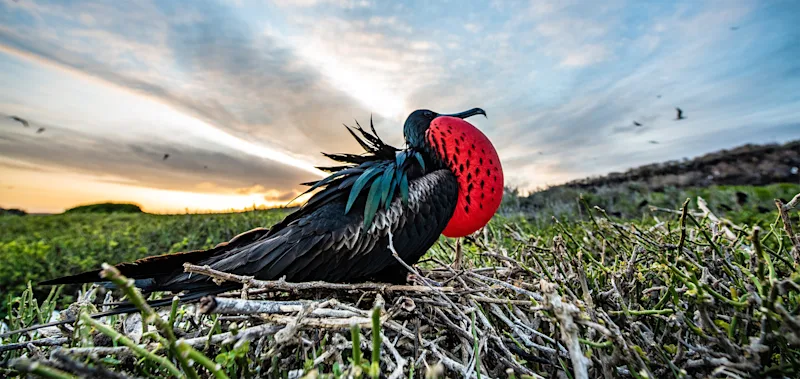
By Matt Kareus Most travelers know that the strange creatures Charles Darwin observed in the Galapagos Islands in the early 19th century played a pivotal role in shaping his world-changing theory of evolution by natural selection.
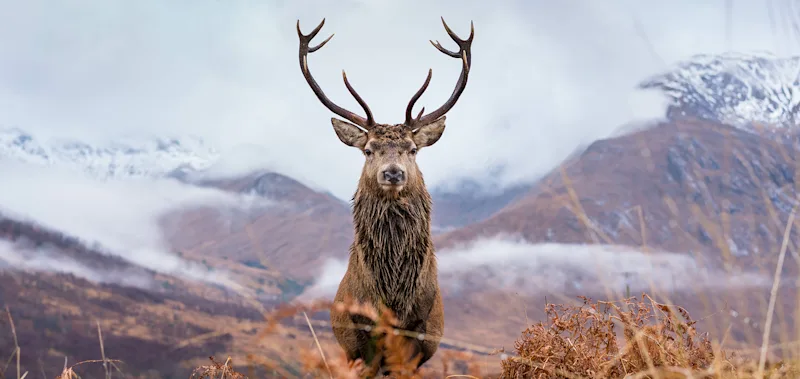
When it comes to Scottish wildlife, there’s one creature in particular that attracts more tourists than any other. ‘Nessie,’ as she’s known, is an enormous marine ‘monster’ that many believe resides in the cavernous waters of Loch Ness, an over 800-foot-deep lake tucked within the country’s Highlands.
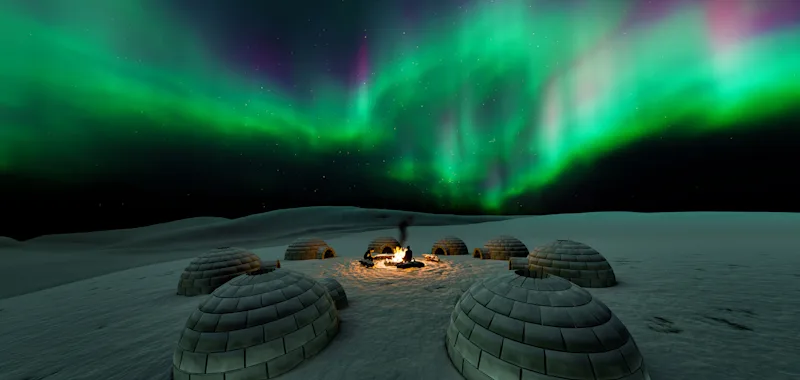
Today, we know that the aurora borealis, commonly called the “northern lights,” occurs when electrically charged particles from the sun zoom into Earth’s atmosphere. The phenomenon is most commonly witnessed during fall and winter at high-latitude locales, including Alaska and northern Canada.

At the intersection of biology and psychology, there’s a tantalizing field of study called biomusicality, which looks at whether different species are capable of behaving in ways that show that they recognize aspects of music, including beat and rhythm. For example, female crested gibbons display jerky, almost robotic patterns of movement.
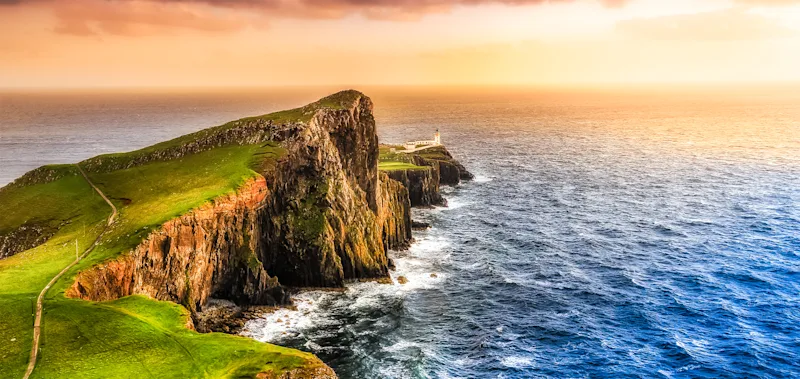
While Scotland has long been known for its culture-rich cities and castle-crowned crags, it is also one of Europe’s last great wildernesses. At almost every turn is a vista that will stop you in your tracks—so keep your camera close at hand!