

Science Storytelling
Human beings have been telling stories for as long as there have been languages to tell them in. We think in stories, we remember in stories, and we turn just about everything that we experience into a story.
1183 stories
Human beings have been telling stories for as long as there have been languages to tell them in. We think in stories, we remember in stories, and we turn just about everything that we experience into a story.
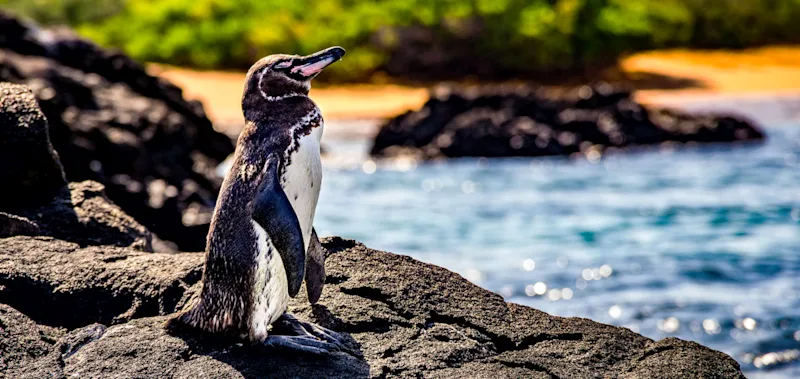
The third Friday in May is Endangered Species Day, a chance to celebrate, learn about and take action to protect threatened and endangered species. This Global Day of Action was created and founded by David Robinson and the Endangered Species Coalition in 2006 and has continued to grow in scope and momentum since.
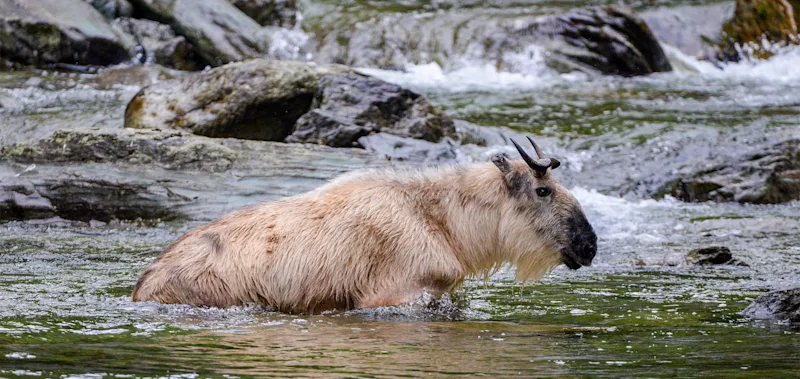
By Nat Hab Expedition Leader Eddy Savage What if I told you that deep in the foothills of the Himalayas, in Sichuan Province, China, lived an animal whose closest living relative is the muskox? Seems a bit out of place for a sub-tropical latitude, right? Well, it’s true.
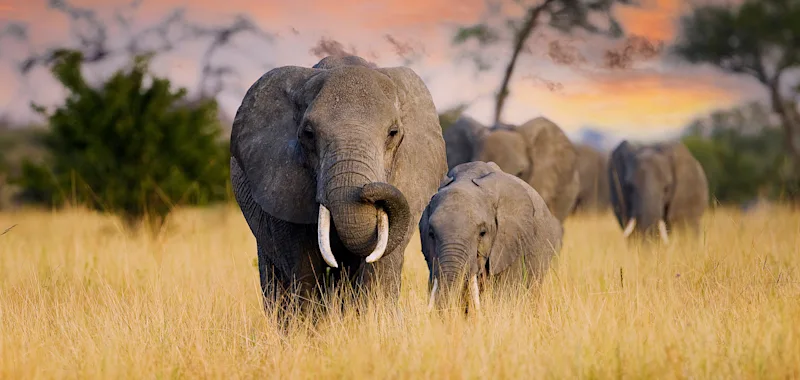
Across the animal kingdom, mothers “of all stripes” care for their offspring, playing a vital role in nurturing and protecting them, and teaching them essential skills. They also provide comfort and security, enabling young animals to thrive and reach maturity.
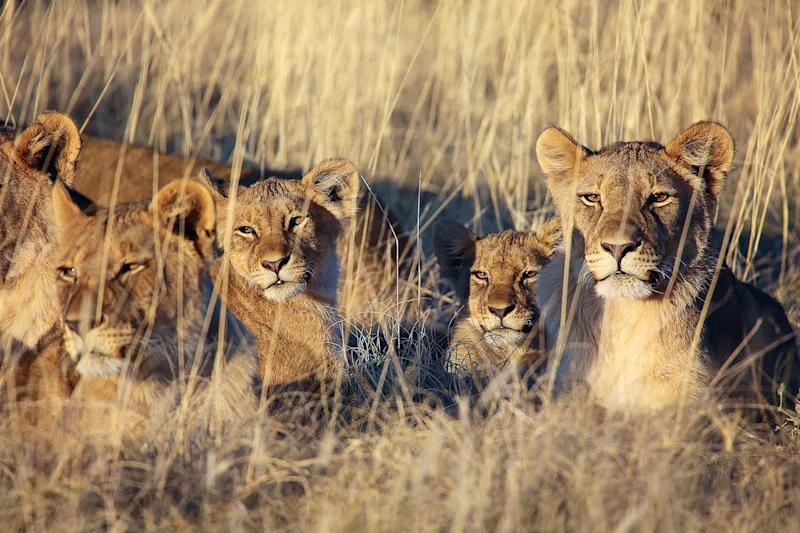
Namibia can be described almost exclusively in superlatives: largest, oldest, driest, richest, most. Are you looking for an African safari adventure in a land of surreal landscapes and growing wildlife populations with a culture of conservation? Consider Namibia, the second least densely populated sovereign country in the world.
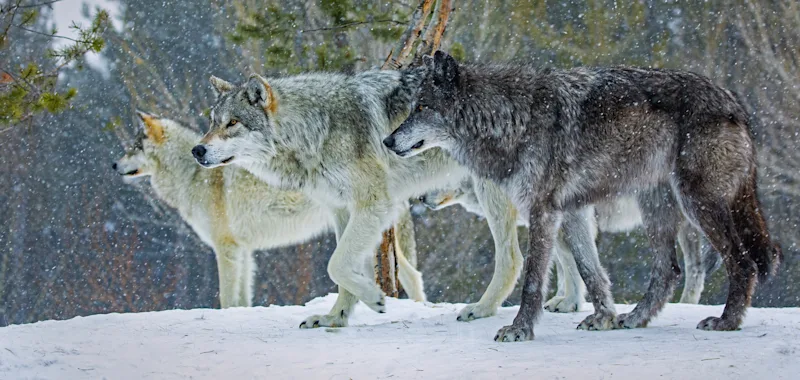
Despite a common belief, counting is not unique to humans. In fact, a vast range of animals understand numbers, helping them to solve a variety of problems, such as acquiring food, defending themselves, navigating and even finding a mate.
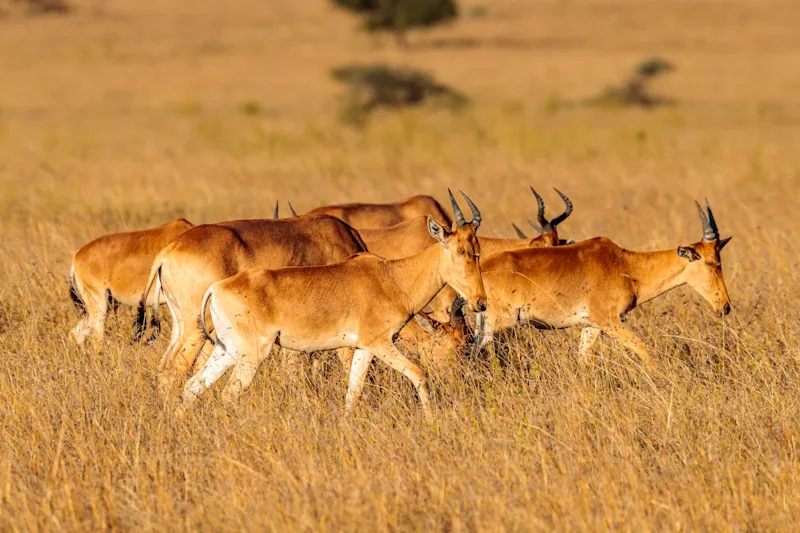
Zambia is home to the wildlife of a classic African safari—elephants wandering vast plains, cheetahs stalking silently through the grass and hippos bobbing in rivers. Yet Zambia offers even more: an extraordinary variety of rare and unusual animals found in few other places.
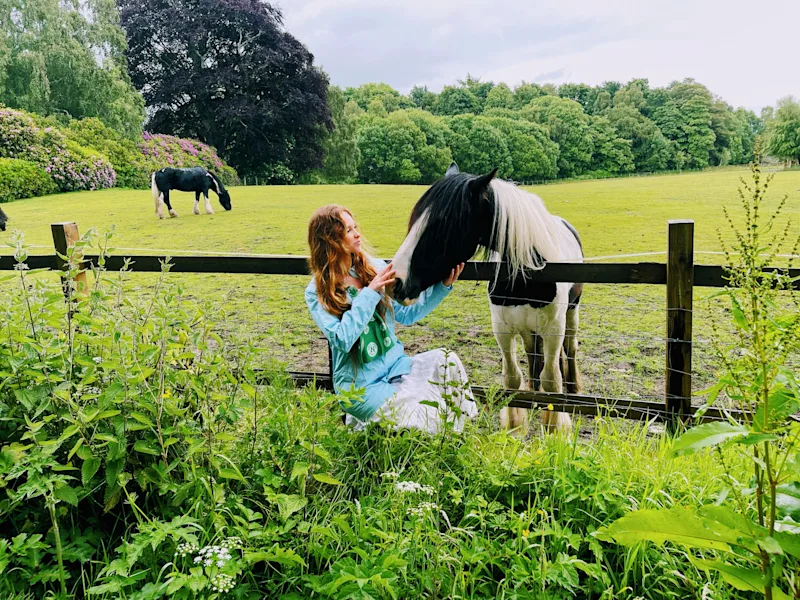
“Let us step into the night and pursue that flighty temptress, adventure.” ―Albus Dumbledore, Harry Potter and the Half-Blood Prince There’s a certain magic that envelops the Scottish Highlands—a blend of mist-shrouded mountains, enchanting lakes and fables whispered through generations.
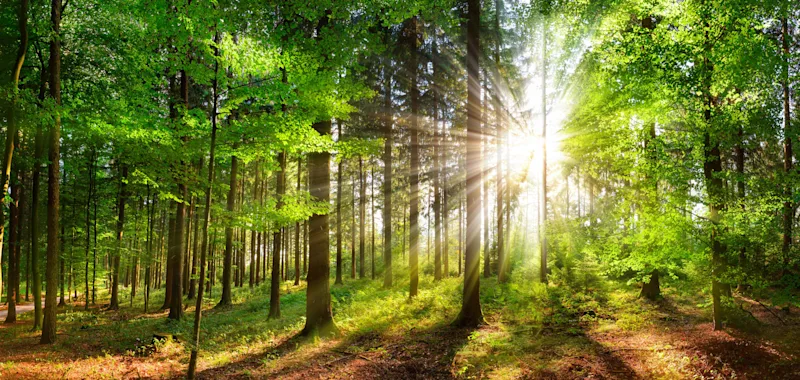
Trees are some of my favorite beings on Earth. That’s why I look forward to Arbor Day every year, the national holiday that recognizes the beauty and the importance of trees.
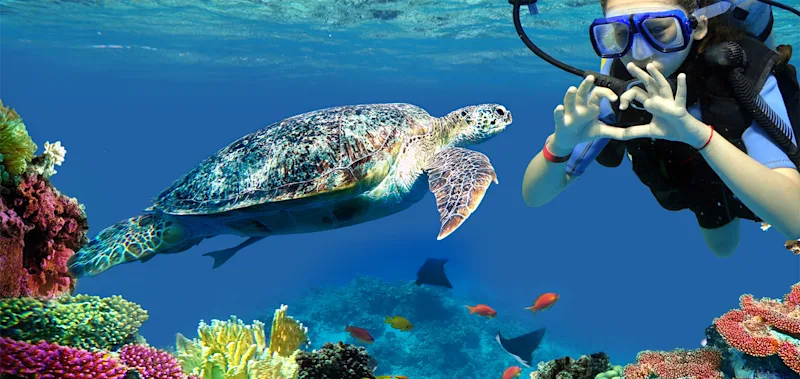
What is it about sea turtles that makes them so endearing? It is their size? Their age? Their gracefulness in the water? All of these characteristics add to our fascination with these gentle sea creatures, but, additionally, I believe it’s that they’re critical to the health of the world’s oceans.
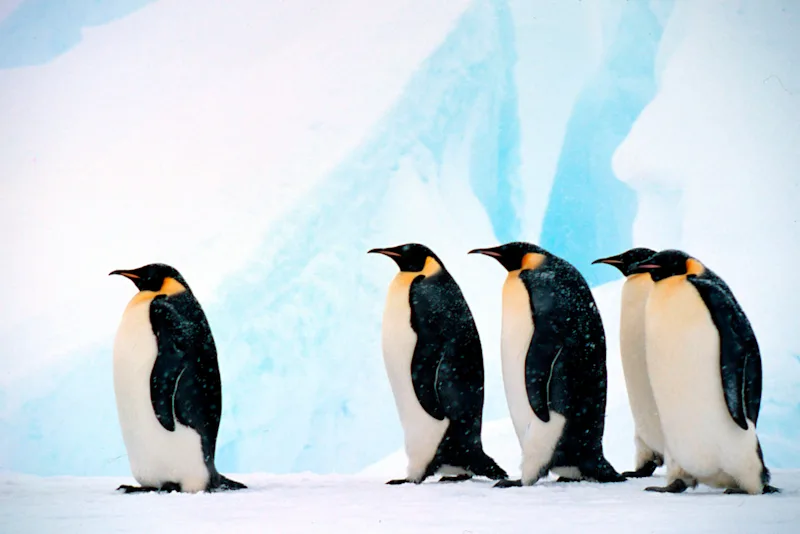
Imagine a vast expanse of ice and snow, windswept shores, and rugged volcanic islands. Now picture penguins, some waddling clumsily on land, others gliding gracefully underwater, thriving in some of the harshest yet most breathtaking habitats on Earth.
Within Africa’s second-youngest country lies the world’s oldest desert, with more than 55 million years of history buried in its shifting sands. The vast Namib Desert extends for 1,200 miles along the Atlantic coast—from Angola southward across Namibia—to the Olifants River in South Africa.