Nature & Wildlife

1185 stories

  • What Are Africa’s Wildlife “Big Five” and Where Can I See Them?

    Sep 23, 2025 · Emily Goodheart

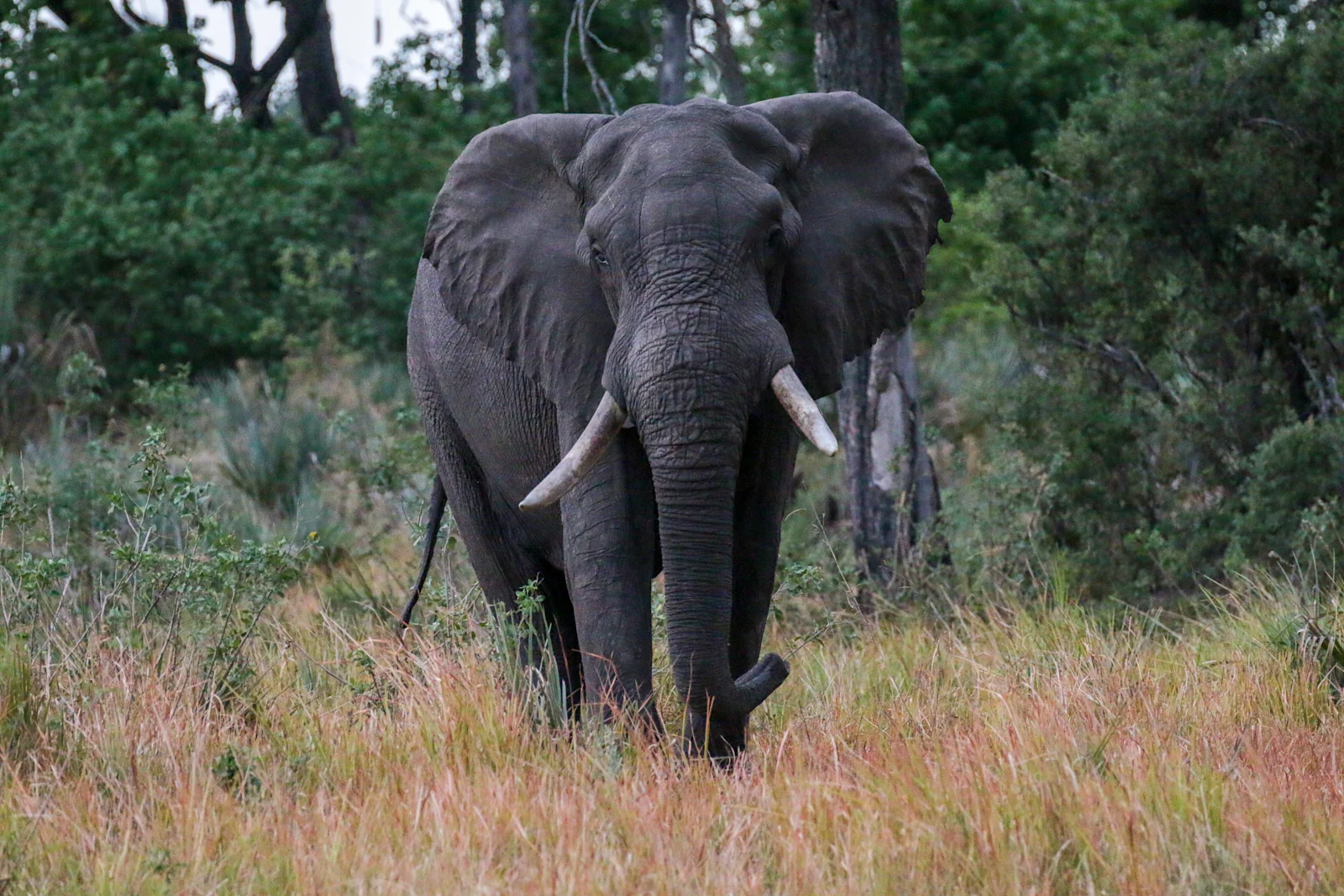
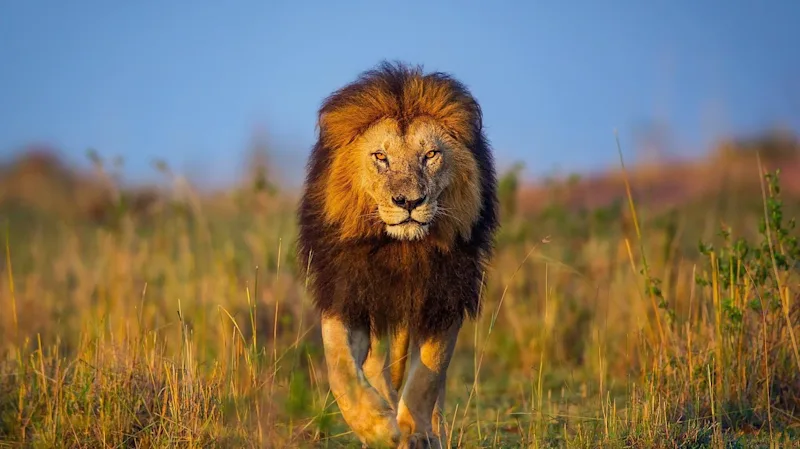
    The Lion King left many viewers longing to visit the plains of Africa. The family-friendly film conjures up images of elephants browsing on acacia trees and amber-eyed predators prowling among golden grasses as an enormous red sun sinks below the horizon.
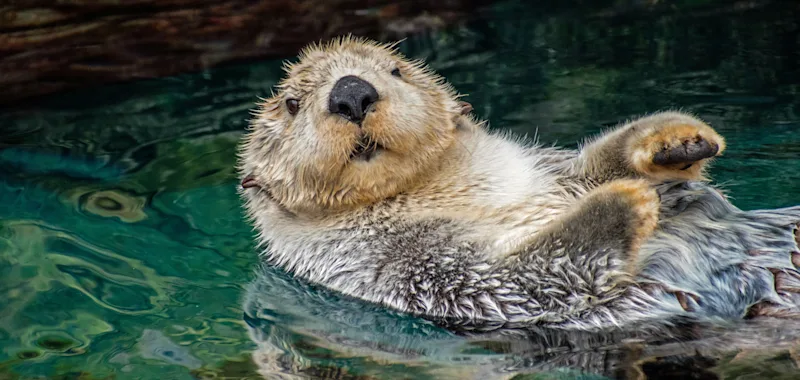
  • Celebrating Sea Otters

    Sep 16, 2025 · Candice Gaukel Andrews

    Sea otters can be a powerful ally in confronting climate change, according to the Monterey Bay Aquarium in California. In places where they’re thriving, they can maintain and restore kelp forests and coastal wetlands, strengthening our natural defenses against the worst impacts of a warming world.

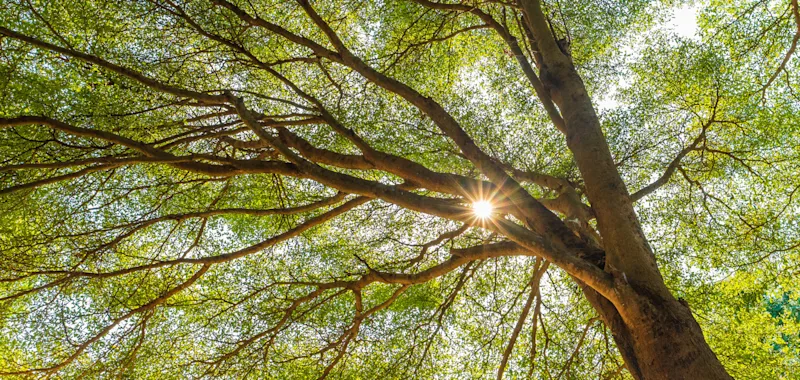
  • When We Walked in Trees and in Other, Early Terrains

    Sep 2, 2025 · Candice Gaukel Andrews

    I believe that we are drawn to certain terrains. We know instinctively what landscape feels most like home when we want to wander, whether it’s mountains, seascapes or wide, open ranges. Our inclination for peregrination is old.

  • The Resilience of the Natural World

    Aug 26, 2025 · Candice Gaukel Andrews

    Animals and plants are remarkably resilient in the face of environmental changes. Their creative adaptations and strategies for surviving in ever-altering conditions include going dormant, developing drought tolerance, adjusting migrations, switching to nocturnal activity, forming a salinity tolerance and making social partnerships.

  • Our Impacts on the Natural World

    Aug 19, 2025 · Candice Gaukel Andrews

    Our impacts on the natural world can be very large—and often detrimental. This manifests in various ways, including in biodiversity loss, climate change, habitat destruction and pollution. These changes can have cascading effects on ecosystems and human societies, leading to a range of challenges.

  • Penguins and Their Original Homelands

    Aug 13, 2025 · Candice Gaukel Andrews

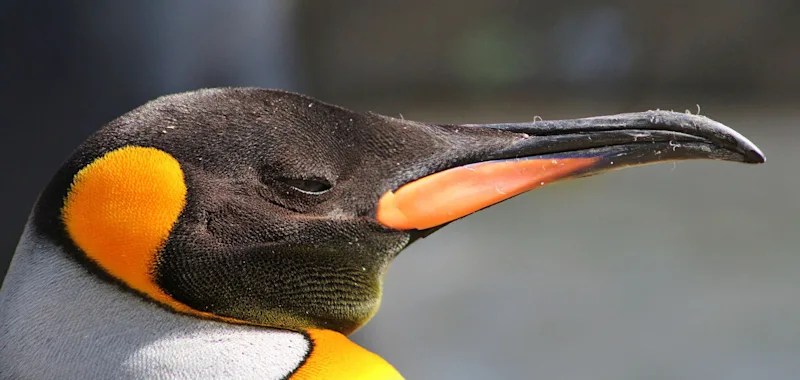
    Part of the reason that I’m so enthralled with Antarctica is because it’s one of the rare places on Earth that has never had an Indigenous population; in other words, there are no native human Antarcticans. Of course, animals other than us have lived there for eons. Perhaps, the best known and most abundant are penguins.

  • Wildflower Season in Alaska: A Floral Guide for Nature Travelers

    Aug 6, 2025 · Emily Goodheart

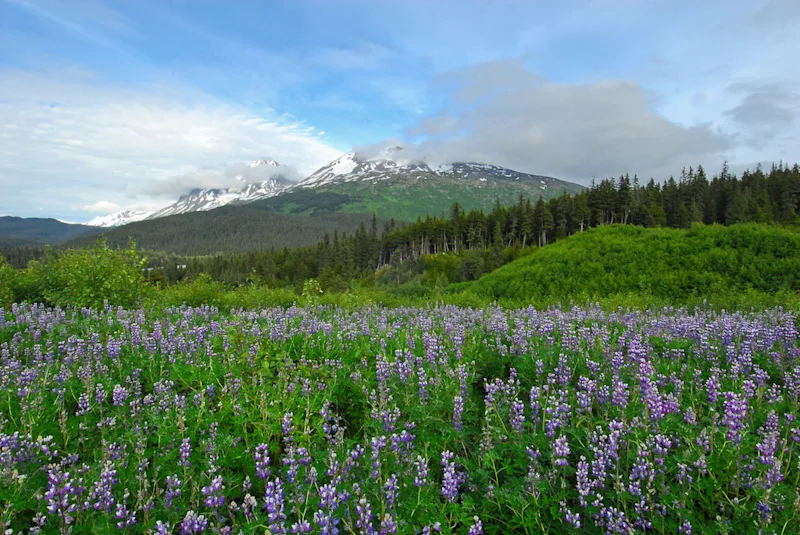
    More than 1,500 species of wildflowers color the Alaskan landscape. Bursting forth from lush valleys and alpine meadows during the northern summer, the flora blooms from mid-June into August. Experience Alaska’s summer splendor as we survey a tapestry of mixed forest, glacier-fed lakes and rivers, ice-crowned peaks and wondrous wildflower meadows.

  • Traveling to Victoria Falls—5 Facts to Know Before You Go

    Aug 5, 2025 · Emily Goodheart

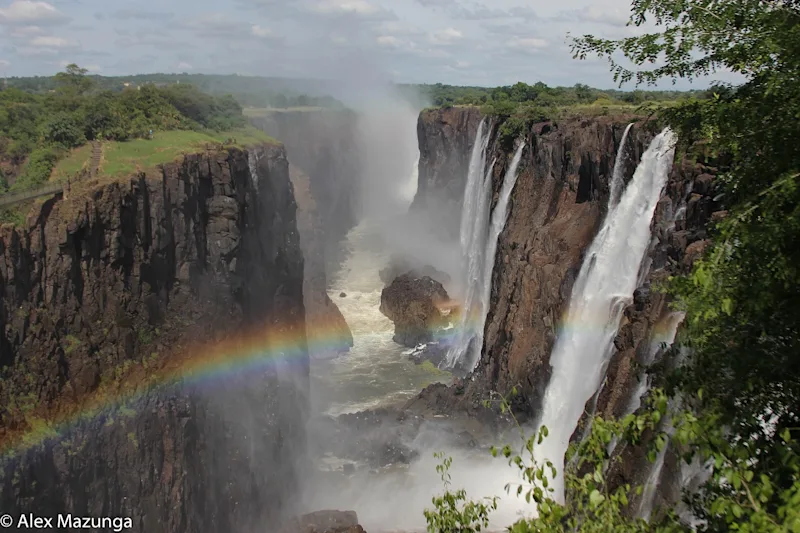
    Victoria Falls: The Eden of Africa Scottish explorer David Livingstone first recorded Victoria Falls in 1855, writing that he was struck by “scenes so lovely they must have been gazed upon by angels in their flight.” Rising spray creates shimmering rainbows and sustains a lush rainforest microclimate along the basalt canyon walls.

  • 3 Ways to Celebrate International Wolf Day

    Aug 1, 2025 · Lavanya Sunkara

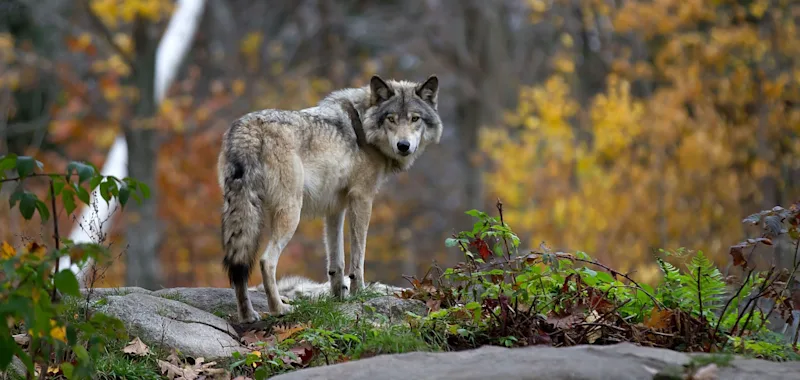
    Like sharks, wolves have an unfair reputation for being villains. Children grow up reading fairy tales about the “big bad wolf.” But in reality, these animals are generally not harmful to humans, as they shy away and avoid any interactions with us.