10 Things to Know About Guanacos
“Haven’t I seen you someplace before?”
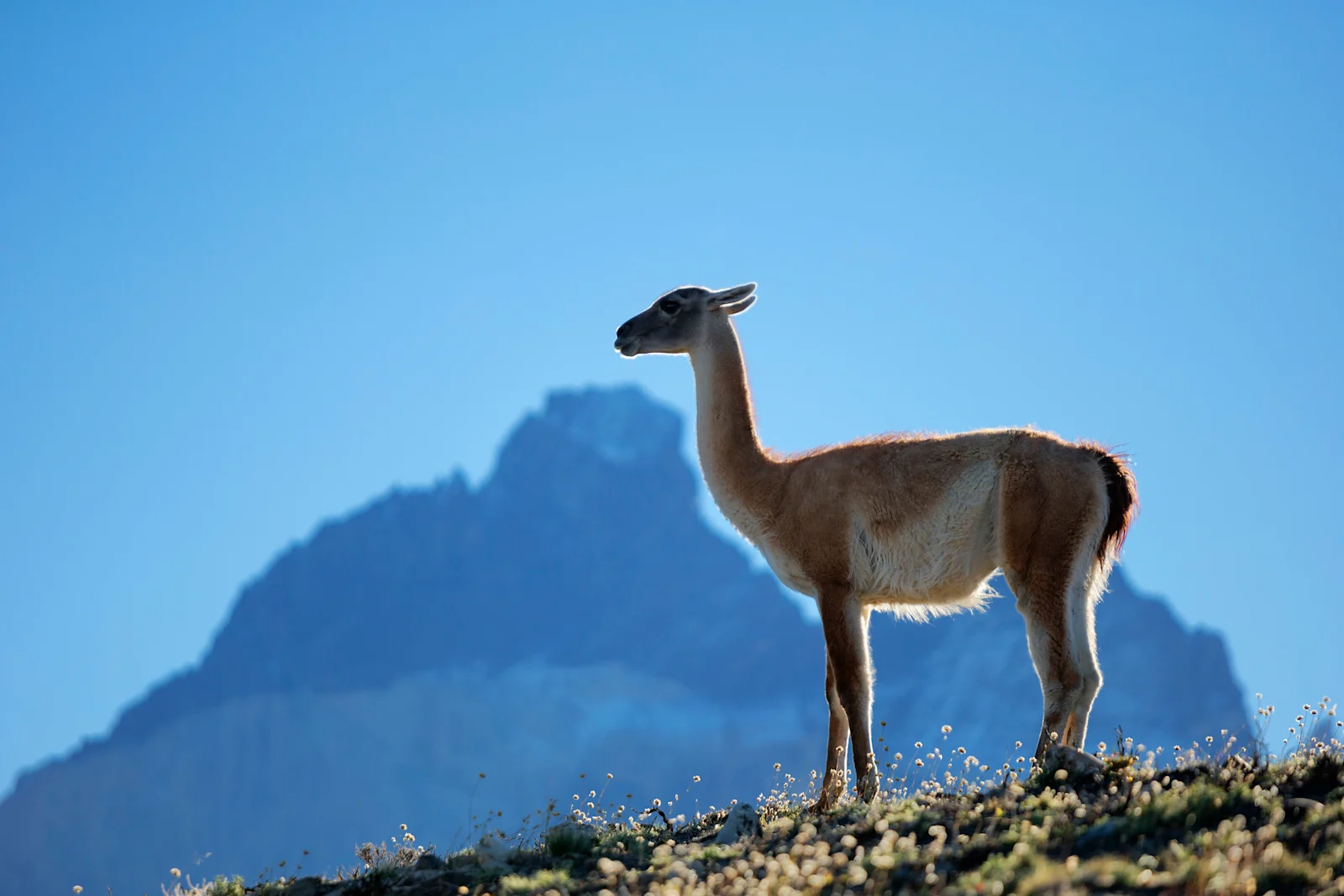
Surely it’s a question the guanaco would get frequently if guanacos were the question-receiving type. Native to mountainous regions of South America, the guanaco is an animal that most people have never heard of but would likely recognize. That’s because it’s the wild descendant, or “parent species” of the domesticated llama.
One of the most populous wild mammal species in South America, guanacos are sighted nearly daily on journeys through Patagonia in Argentina and Chile. During my visit, we saw herds galloping as gracefully as gazelles in East Africa, males sparring to gain dominance over a desirable female and even a pair mating alongside a dirt road just across the border in Chile.
Here are 10 interesting facts I learned about guanacos during my journey through Patagonia:
#10: Guanacos tend to separate by sex
Females live in herds of around 10 females, plus their young and one dominant male. Researchers have observed bachelor herds numbering as many as 50 individuals.
#9: If you hear what sounds like a high-pitched laugh echoing across the street, stay alert
That’s a guanaco warning call to let others know of the possible presence of a puma.
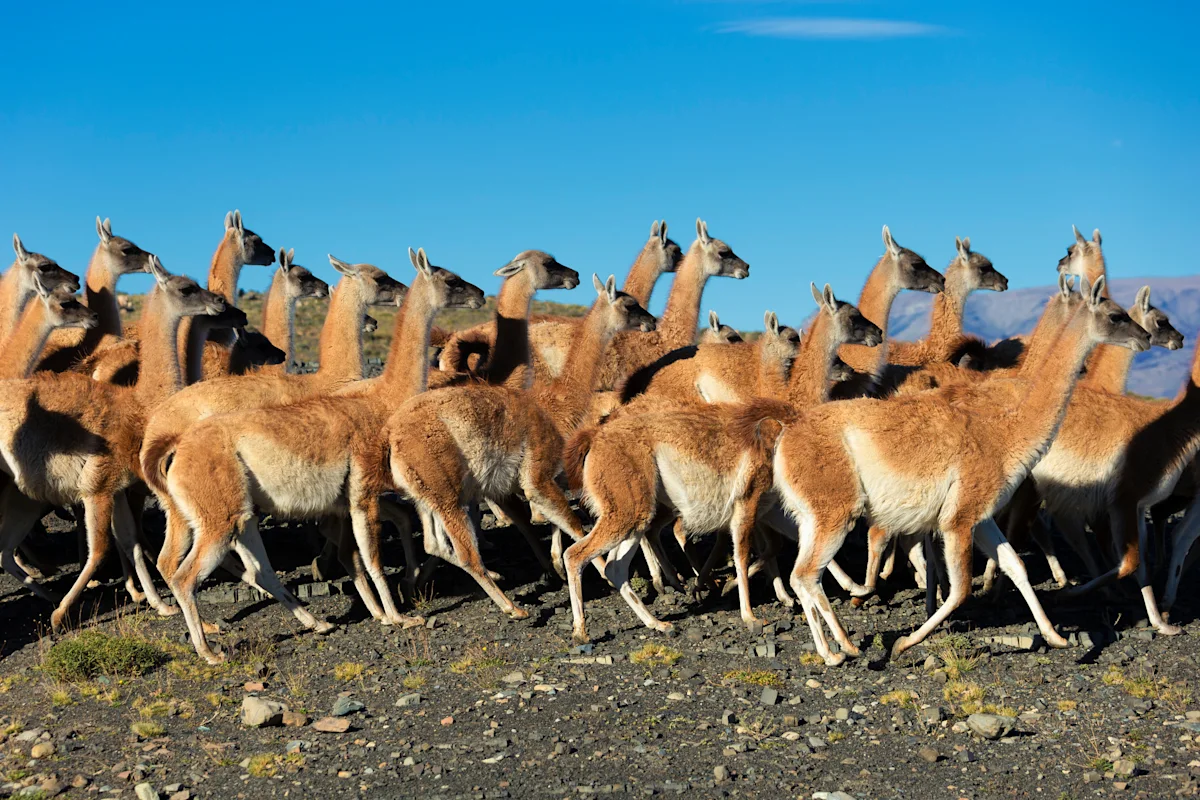
#8: Guanacos can run 35 miles an hour, which is almost as fast as a tiger
They have evolved to be able to run fast from predators because the environments where they live don’t have many hiding spots.
#7: Patagonia is actually the lowest-level place where guanacos live
They tend to prefer higher-altitude hangouts, even residing as high as 13,000 feet in the Andes mountains.
#6: Tehuelche superstition
The nomadic, precolonial Tehuelche people who occupied the Patagonian Steppe believed the appearance of a two-headed guanaco meant illness would soon follow.
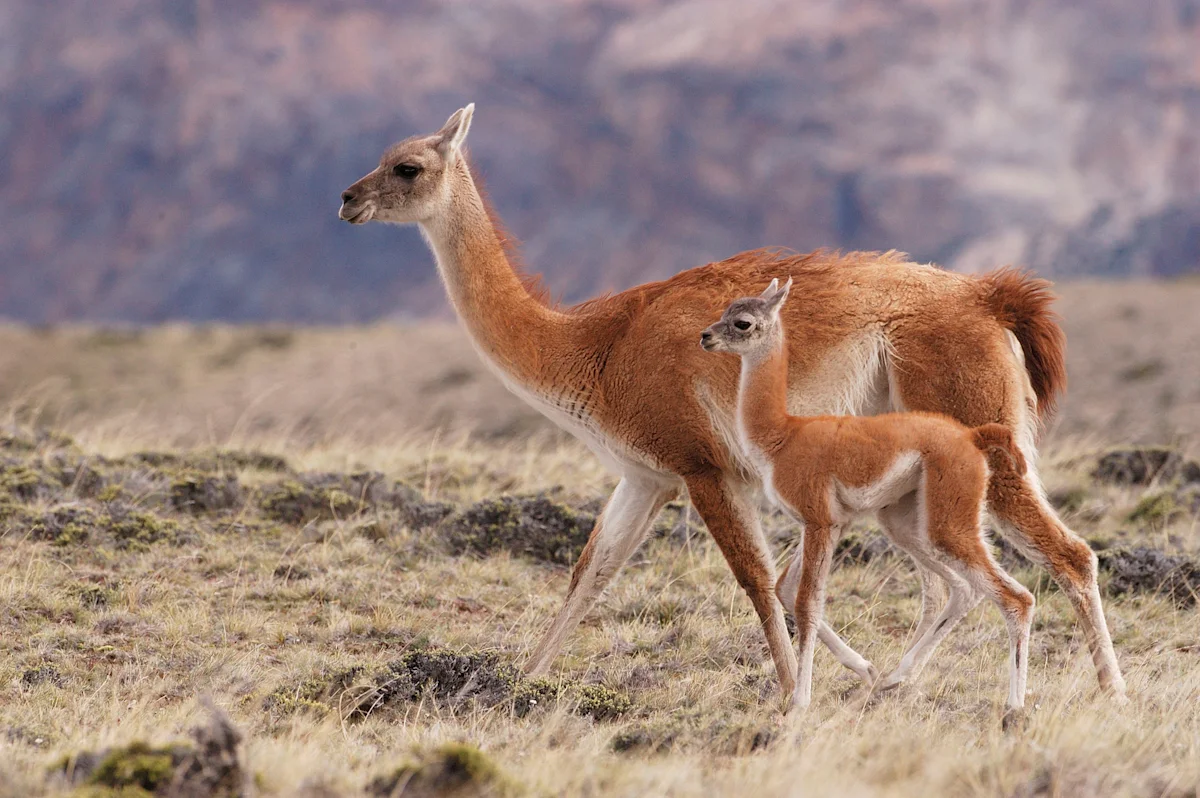
#5: Baby guanacos are called chulengos
They can walk within five minutes of being born.
#4: Guanacos don’t have great food options
Guanacos cope with food shortages with the use of their three-chambered stomachs, which help extract as much nutrition as possible from the poor-quality grasses that comprise their diets.
#3: The preferred way male guanacos like to fight?
By biting each other’s front legs.
#2: Guanacos are considered one of the most adaptable animals in the world
They can survive extreme conditions, including fierce winds and heavy snow.
#1: Guanaco populations today are just 5 percent of what they were when Europeans first arrived on the continent
Back then, more than 50 million guanacos roamed South America but were hunted for their warm wool. Today guanacos are protected from hunting.