
Know Before You Go: Madagascar Tours
Why Should I Go to Madagascar?
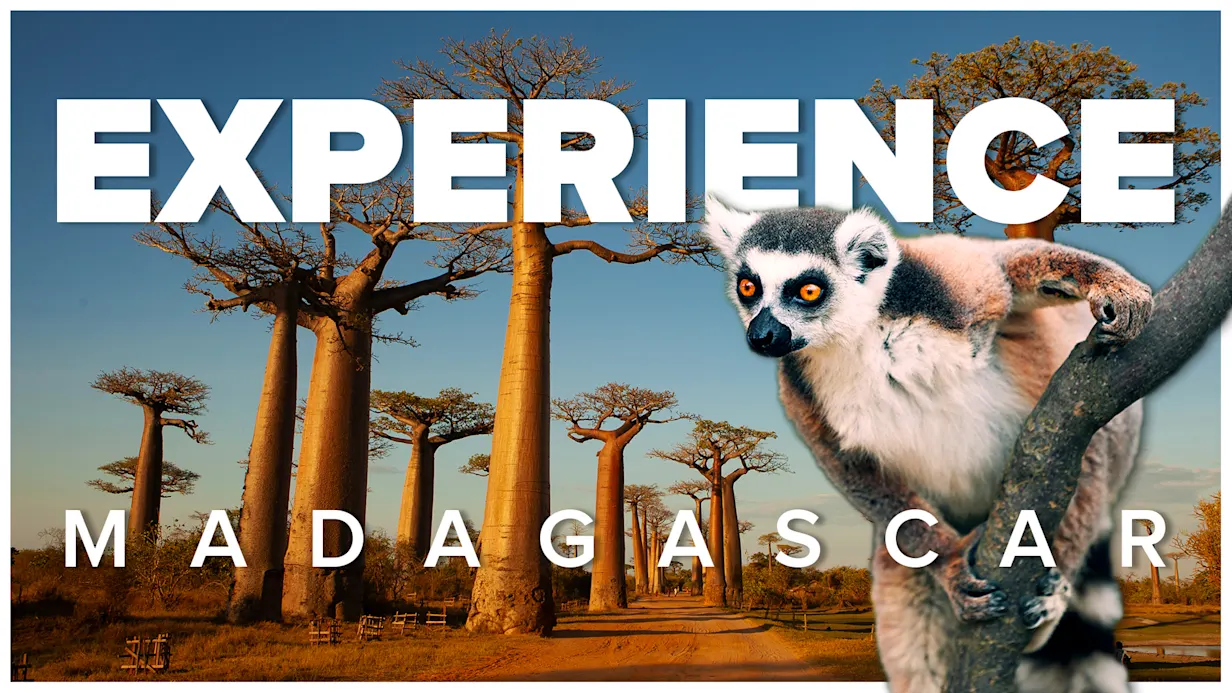
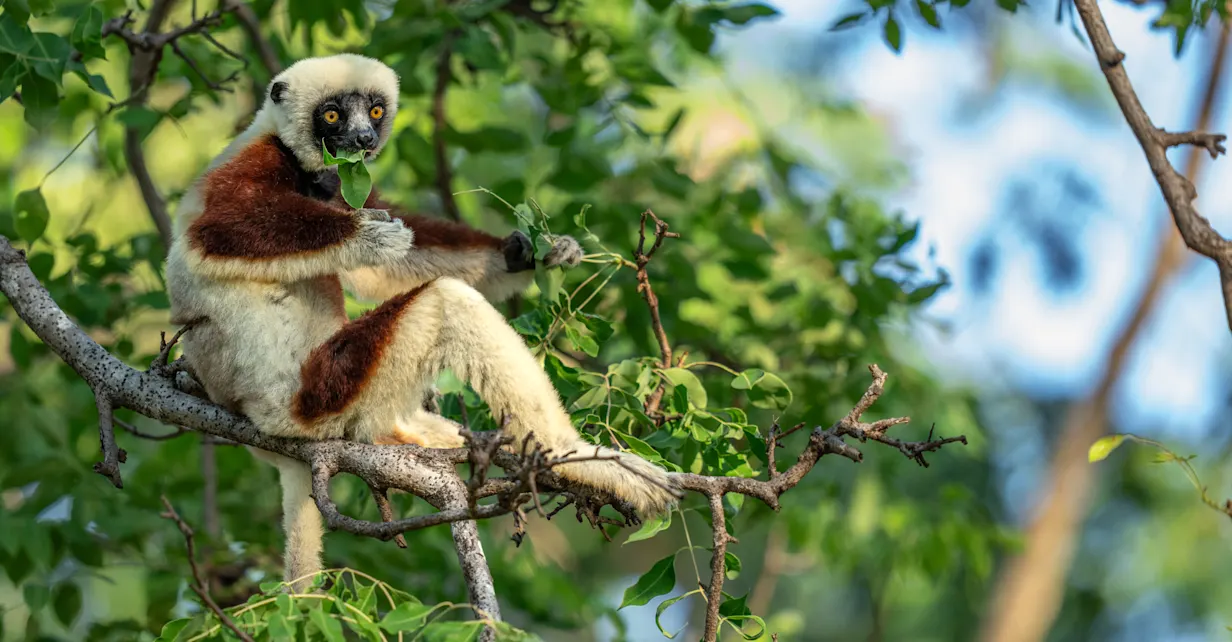
If you're drawn to wildlife found nowhere else on Earth, Madagascar should top your travel list. Lemurs leap through the canopy, baobabs tower over arid plateaus and jewel-colored chameleons vanish into the foliage. This large, biodiverse island off the southeast coast of Africa is home to thousands of endemic plants and animals found nowhere else. For nature travelers seeking rare species and dramatic landscapes, Madagascar delivers one of the most rewarding wildlife experiences on Earth.
What Makes Madagascar One of The World’s Top Wildlife Destinations?
Madagascar—often called the "eighth continent"—is a massive island in the Indian Ocean, isolated from mainland Africa for more than 80 million years. This long separation has created one of the most biodiverse places on Earth. Roughly 90% of its plant, mammal and reptile species exist nowhere else, including more than 100 species of lemurs, dozens of colorful chameleons and bizarre insects and amphibians adapted to niche environments. From misty rainforests to cactus-studded deserts and sweeping baobab plains, Madagascar offers a diverse and dramatic array of ecosystems in one journey.
Nature travelers to Madagascar can expect to encounter:
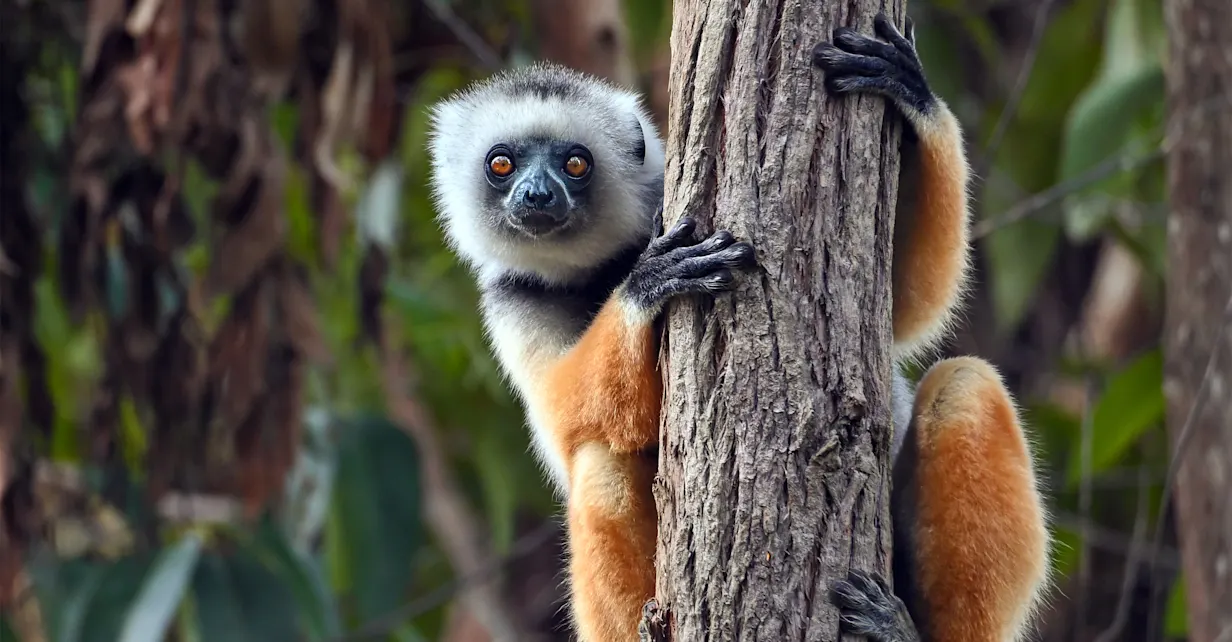
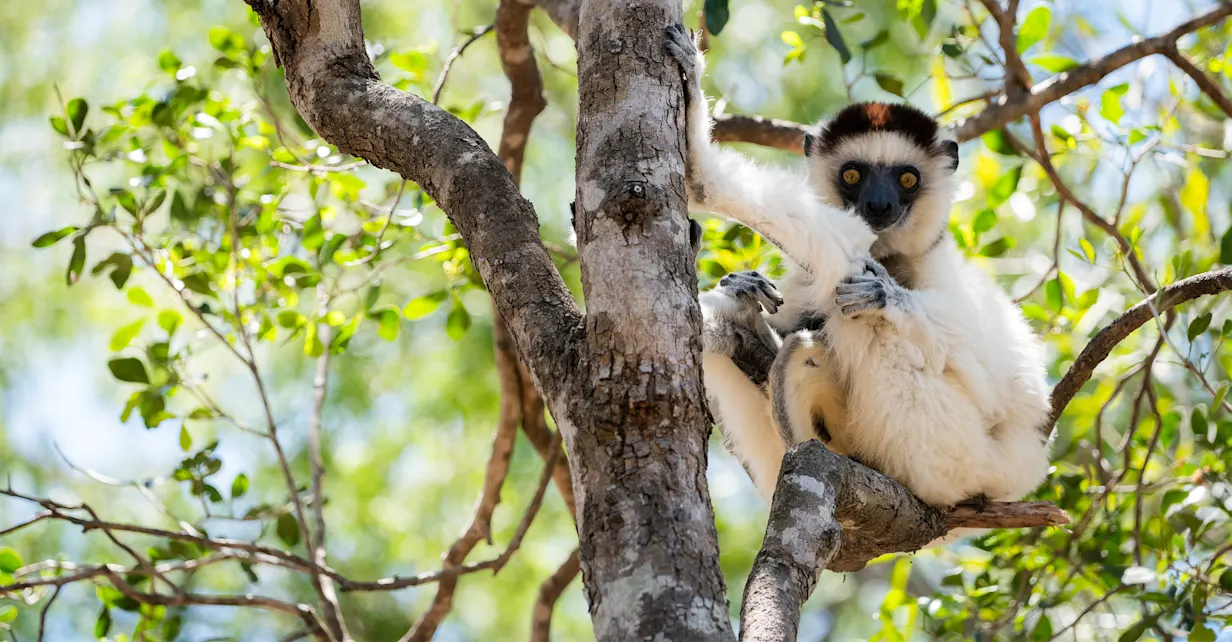
A variety of lemur species, including indri, sifaka, ring-tailed and red-ruffed lemur
Colorful chameleons and geckos
Endemic birdlife like vangas, ground rollers and couas
Unusual mammals like the fossa and tenrec
Giant baobabs and medicinal plants
When Is the Best Time to Go to Madagascar?
The best time to visit Madagascar is during the dry season from May to October, when the weather is sunny and comfortable and wildlife viewing is at its peak. June and July are cooler and ideal for hiking and exploring rainforests, while October and November are warmer and may bring early rains that make the landscape lush and wildlife more active.
Birdwatching is excellent throughout the year, and lemurs can be seen in every season, though they tend to be most active during the cooler months.
How Do You Get to Madagascar?
Most travelers fly into Antananarivo (TNR), Madagascar’s capital and main international gateway. From there, domestic flights or private charters connect visitors to national parks and nature reserves across the island. Because many of these areas are remote, flying offers the fastest and most comfortable way to reach them.
Overland travel is possible but road journeys can be long and bumpy, especially in rural regions. Travelers combining multiple regions such as Andasibe, Ranomafana or the southern spiny forests often mix flights with guided 4x4 transfers for a smoother and more flexible itinerary.
Where Are the Best Places to Go in Madagascar?
Madagascar is one of the world’s most biodiverse islands, and its wildlife regions are spread across vast distances and contrasting ecosystems. Most nature travelers explore several key areas, each offering a different window into the island’s extraordinary flora and fauna.
Andasibe-Mantadia National Park lies a few hours east of Antananarivo and is the best place to hear the haunting call of the indri, Madagascar’s largest lemur. The lush rainforest is also home to chameleons, tree frogs and a wide variety of orchids.
Farther south, Ranomafana National Park protects mist-shrouded rainforest where travelers can spot golden bamboo lemurs, colorful frogs and other rare species found nowhere else on Earth.
In the island’s arid interior, Isalo National Park features wind-carved sandstone canyons, natural pools and dry forest wildlife adapted to the region’s rocky terrain.
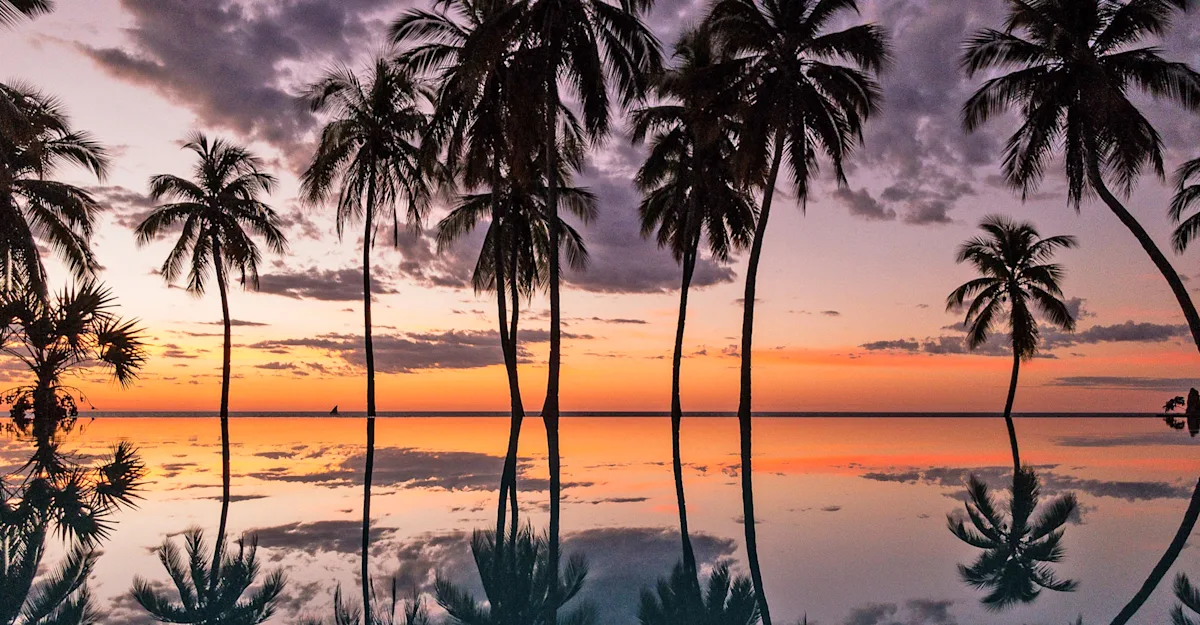
Anjajavy Private Reserve, on the northwest coast, combines dry deciduous forest and secluded beaches. Accessible only by air, it offers exceptional biodiversity and exclusive accommodations overlooking the Mozambique Channel.
Masoala National Park, on the northeast peninsula, encompasses both pristine rainforest and a protected marine reserve teeming with coral reefs, humpback whales and rare birds.
Together these destinations reveal why Madagascar ranks among the most remarkable nature and wildlife travel experiences on Earth.
Why Travel with Natural Habitat Adventures to Madagascar?
Wildlife tourism plays a crucial role in Madagascar’s future. Much of the island’s habitat is under threat from logging, agriculture, mining and climate change. Responsible ecotourism not only supports local communities but also incentivizes the preservation of natural areas.
Natural Habitat Adventures offers expert-led small-group trips to Madagascar with private charter flights and secluded accommodations, immersing guests in the island’s wildest places. As WWF’s travel partner, Nat Hab supports conservation efforts that protect endangered species and promote sustainable livelihoods.
Why Choose Nat Hab for a Madagascar Tour?
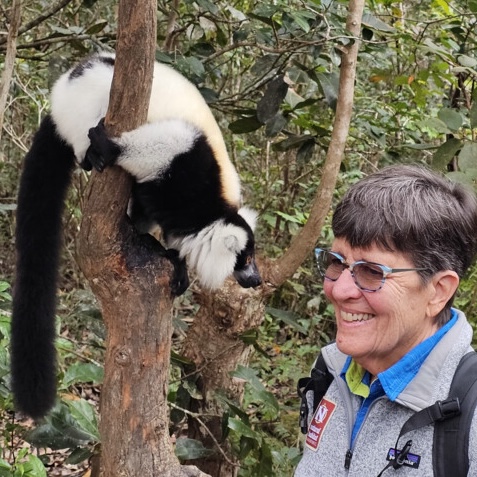
Nat Hab’s Madagascar journeys explore the island’s most unique ecosystems, from rainforest to spiny desert, revealing endemic wildlife, diverse cultures and extraordinary biodiversity found nowhere else on Earth. Learn More
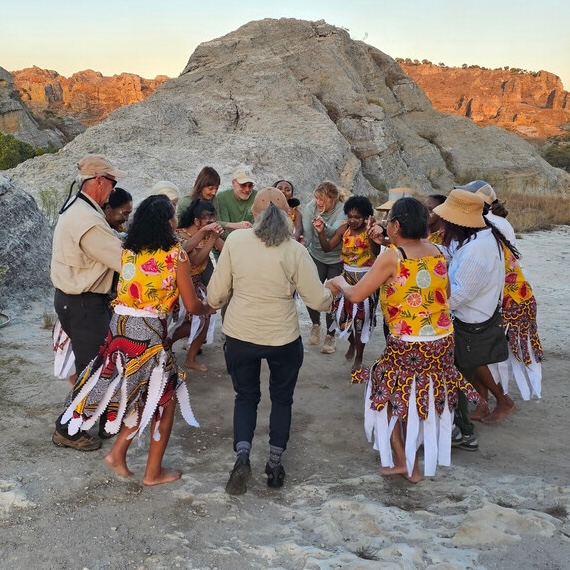
Nat Hab limits its Madagascar trips to 8-10 guests, depending on the trip, for personalized experiences, flexible exploration and intimate wildlife encounters in Madagascar’s most remote habitats. Learn More
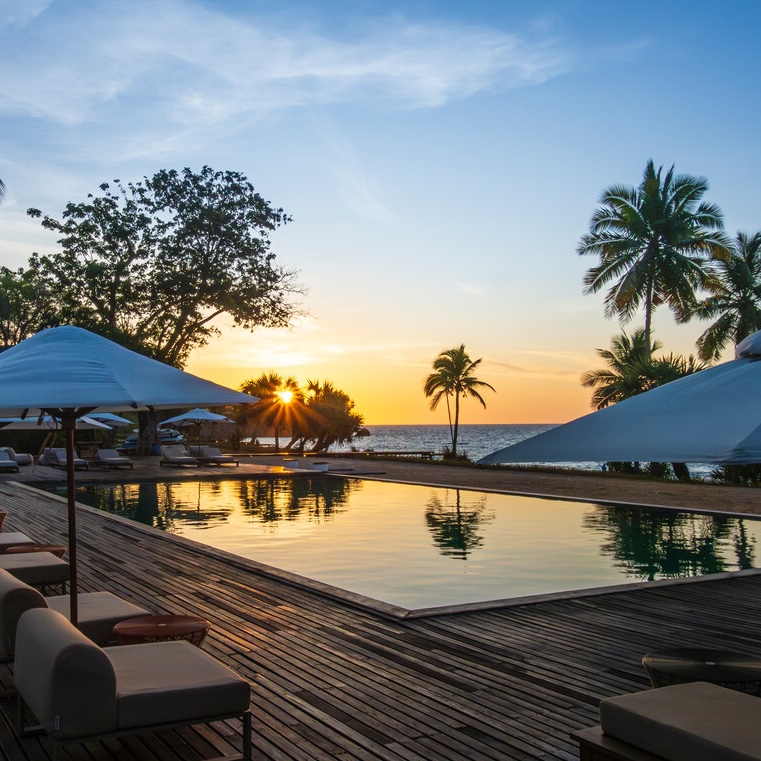
Stay in boutique ecolodges immersed in nature that blend comfort with conservation amid Madagascar’s pristine rainforests, baobab groves and coastal sanctuaries teeming with rare endemic species. Learn More
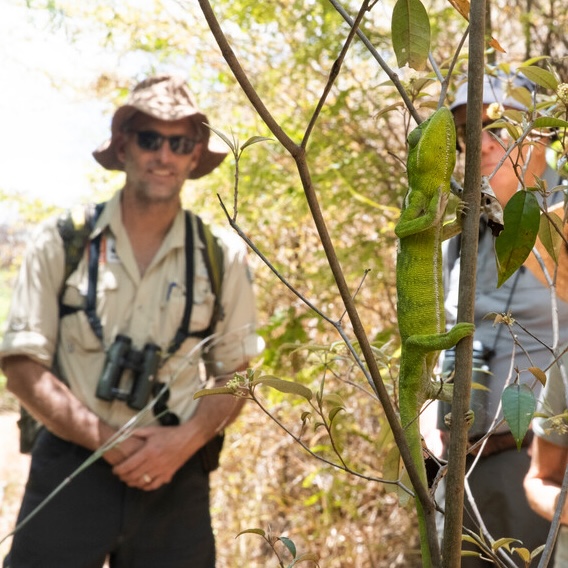
Nat Hab’s Madagascar Expedition Leaders are expert naturalists who interpret the island’s rare ecosystems with insight, revealing lemurs, reptiles and extraordinary biodiversity through guided walks and meaningful connections. Learn More
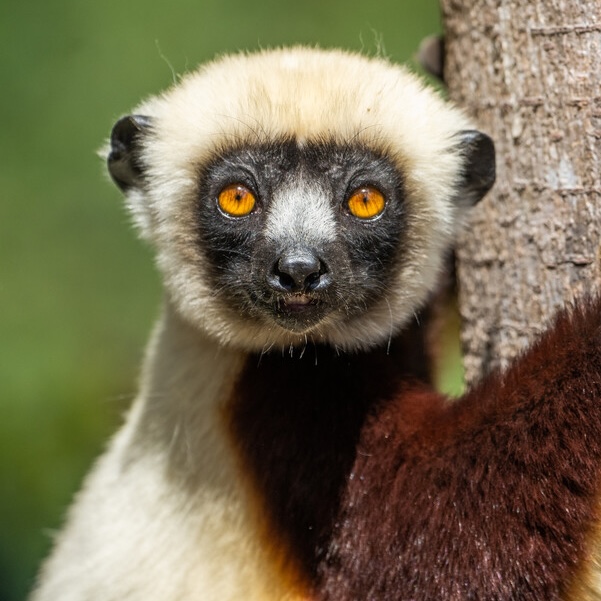
Through our WWF partnership, Nat Hab’s Madagascar trips support habitat protection, community-based conservation and sustainable ecotourism that safeguards the island’s remarkable wildlife and cultural heritage for future generations. Learn More
Madagascar Tour Guide


Frequently Asked Questions
What should I pack for a Madagascar wildlife trip?
Packing for a Madagascar wildlife adventure means preparing for varied climates, from humid eastern rainforests to dry southern reserves. Lightweight, breathable clothing is best for warm days, while a light jacket or fleece is useful for cooler evenings in the highlands. A compact rain layer helps with sudden tropical showers, and sturdy footwear is essential for muddy trails and forest walks. Travelers should also bring sun and insect protection, plus gear for wildlife observation and photography.
Suggested packing essentials:
Light, breathable layers
Rain jacket and waterproof shoes
Hat, sunscreen and insect repellent
Binoculars and a headlamp for night walks
Camera with zoom lens
Is it safe to travel to Madagascar?
Traveling to Madagascar is generally safe for tourists, especially when visiting with an experienced Madagascar tour operator familiar with local logistics, wildlife regions and national parks. Most rural areas and protected nature reserves are peaceful, welcoming and popular with eco-tourists.
Visitors should take common travel precautions, particularly in urban centers such as Antananarivo, where petty theft can occur. Avoid walking alone at night, keep valuables secure and stay aware of your surroundings.
Because medical care is limited outside major cities, travelers to Madagascar should plan ahead by carrying essential first-aid supplies and purchasing travel insurance. For nature and wildlife travel, good preparation ensures a safe and enjoyable experience.
Do I need any vaccines or medications to travel to Madagascar?
Travelers visiting Madagascar should consult a travel medicine specialist before departure. Routine vaccinations should be current, and additional vaccines commonly recommended for Madagascar include:
Hepatitis A
Hepatitis B
Typhoid
Rabies (for certain activities)
A yellow fever certificate is required only if arriving from or transiting through a country with yellow fever transmission.
Malaria is present across much of Madagascar. Tourists are strongly encouraged to take prescribed antimalarial medication and use standard mosquito-avoidance measures such as repellent, long sleeves and mosquito nets—especially when visiting Madagascar’s rainforests, wetlands or rural regions.
What language is spoken in Madagascar?
The primary language spoken in Madagascar is Malagasy, which is used by the vast majority of the population. French is also an official language and is widely understood, especially in cities. English is increasingly used in tourism areas, making travel communication easier for international visitors.
What is the food like in Madagascar?
Malagasy cuisine reflects the island’s diverse cultural history. Rice is the staple food throughout Madagascar and accompanies most meals. Travelers can expect:
Vegetable and chicken curries
Zebu (local beef) stews
Fresh seafood, especially along the coast
Desserts flavored with Madagascar vanilla, clove, cinnamon and combava
Common seasonings include ginger, garlic, turmeric and coconut milk. Hot sauces such as sakay add spice to many dishes. Food in Madagascar is flavorful, varied and an enjoyable part of the travel experience.
What currency is used in Madagascar?
Madagascar uses the Malagasy ariary (MGA). Credit cards are accepted only in select hotels and businesses, so travelers should carry cash for markets, tips and small purchases.
What’s the weather like in Madagascar?
Weather in Madagascar varies significantly by region. Daytime temperatures typically range from 60–100°F across the island. Rain is possible year-round, especially in rainforest areas.
Madagascar’s dry season (May–October) is cooler and less humid, making it an ideal time for wildlife viewing and outdoor travel. During this period, temperatures often fall between 60–80°F depending on the region.
The wet season (November–April) is warmer, with coastal and eastern areas frequently reaching 85–100°F, along with higher humidity and heavier rainfall.