
Know Before You Go: Madagascar Tours
What Wildlife Will I See in Madagascar?
Madagascar is best known for its exceptionally high number of endemic species—wildlife found nowhere else on Earth. Over 90% of the island’s mammals, reptiles, amphibians and plants are unique to this ancient landmass, isolated for millions of years.
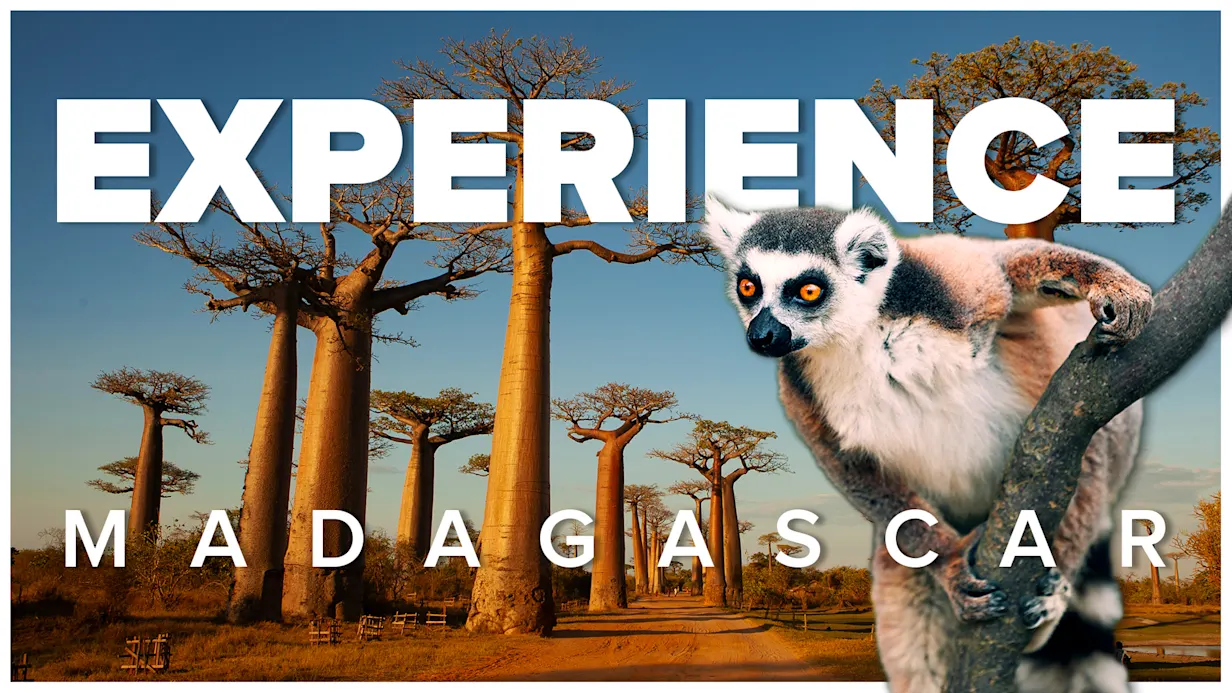
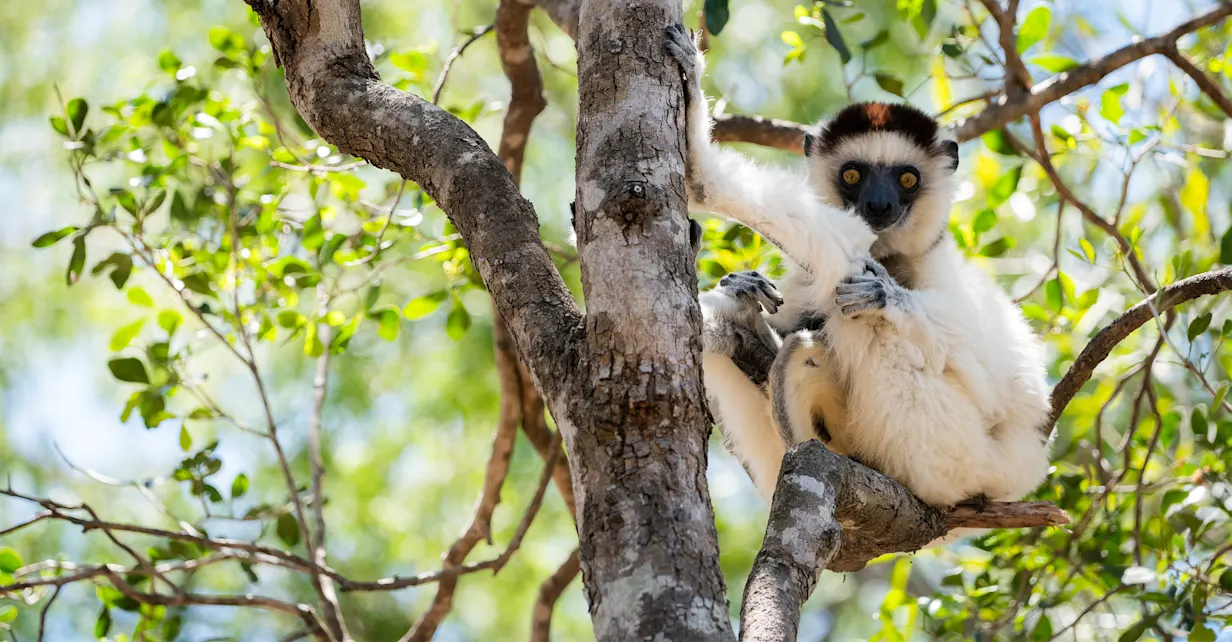
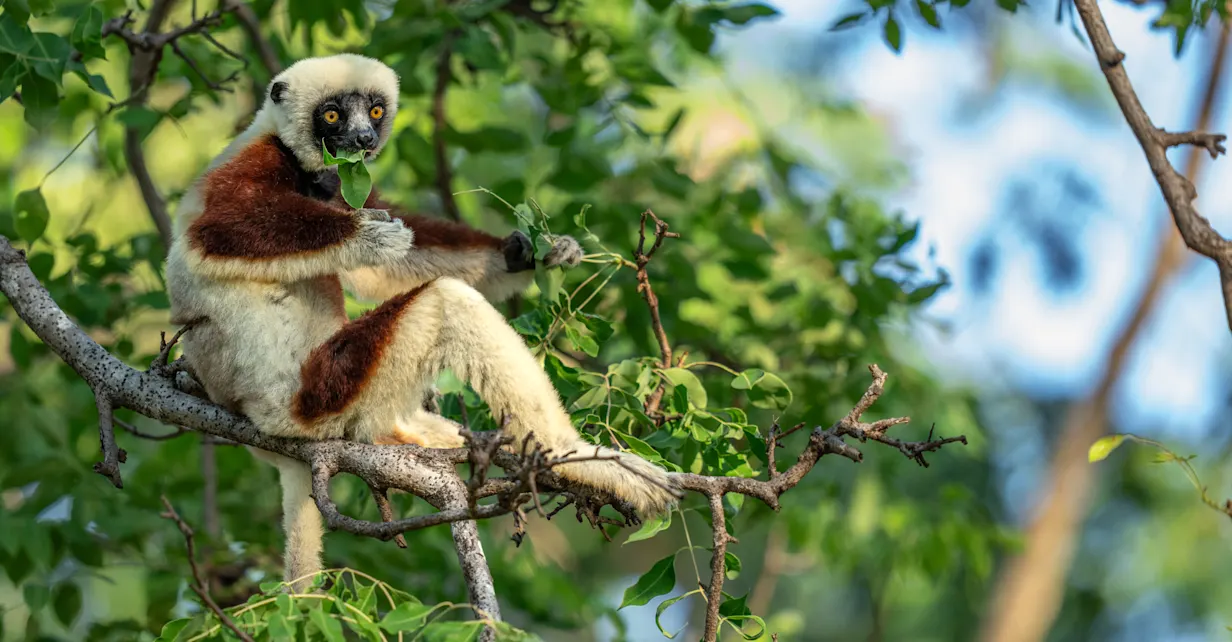
Travelers are especially drawn by Madagascar’s 100+ lemur species, which range from tiny mouse lemurs to large, acrobatic sifakas. The island is also home to rare reptiles like leaf-tailed geckos and more than half the world’s chameleon species. Rainforest and coastal habitats support diverse birdlife, with nearly 300 species recorded.
On guided walks, you might spot:
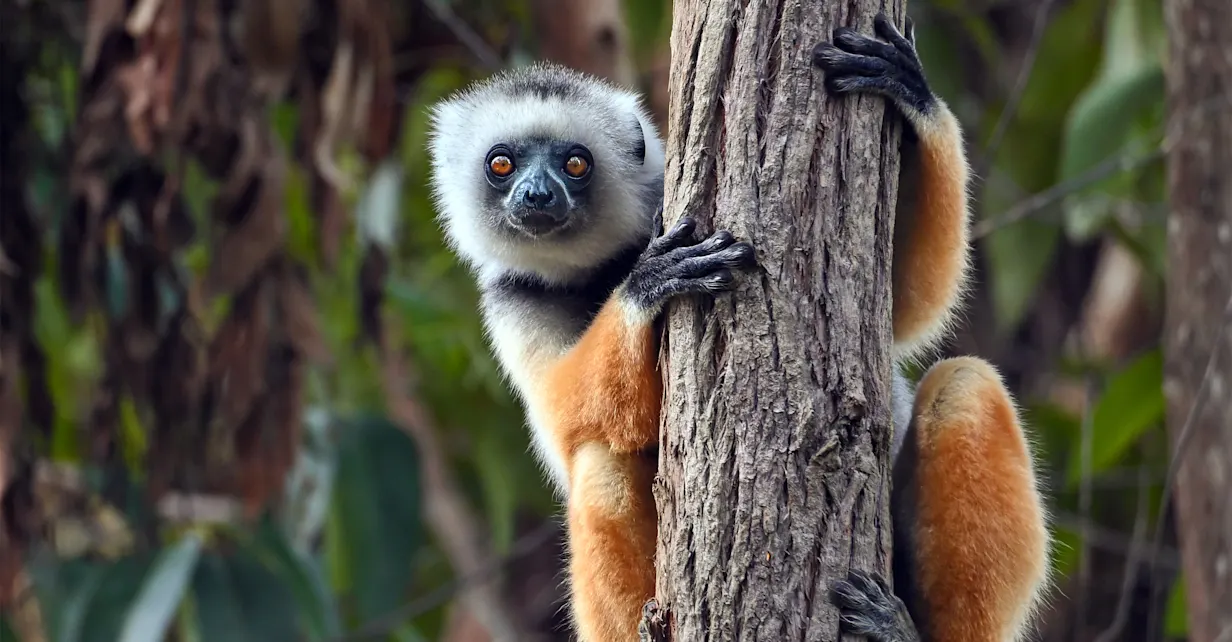
Indris and diademed sifakas in the canopy
Red-ruffed lemurs vocalizing through the trees
Tenrecs and fossas hidden in dense forest
Nocturnal mouse lemurs, tree frogs and owls after dark
Many species are endangered due to habitat loss, making responsible wildlife tourism essential for conservation, opens in new tab.
Photo gallery
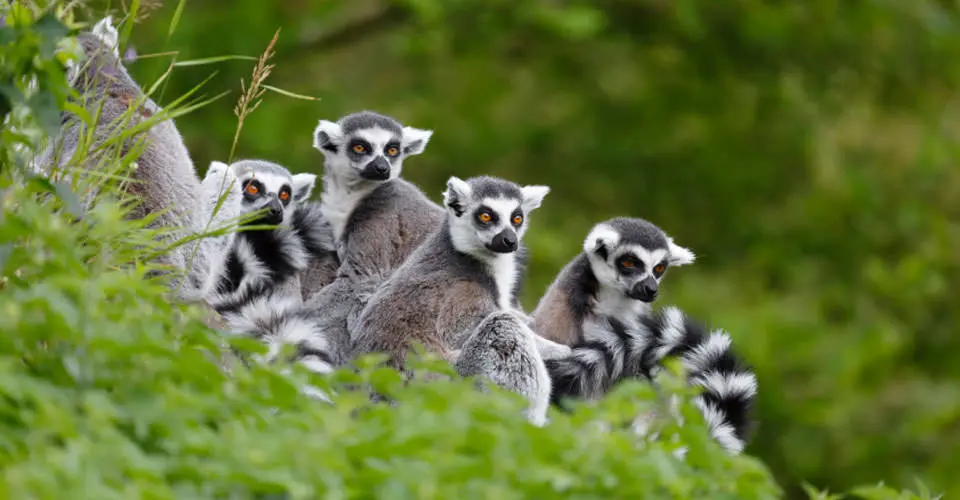
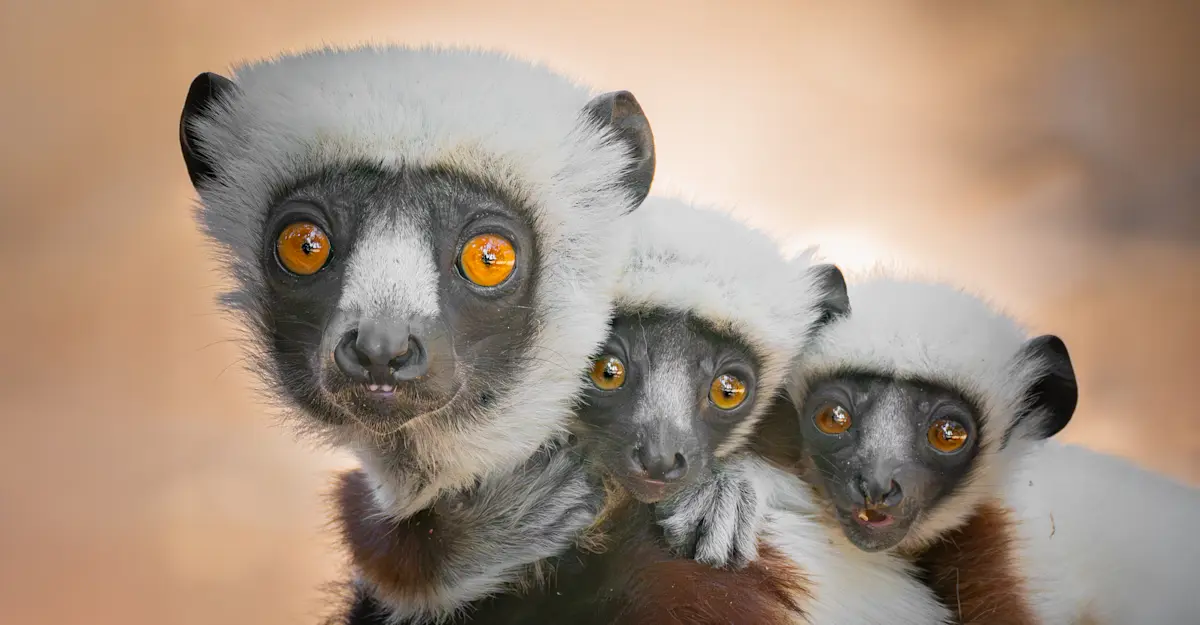
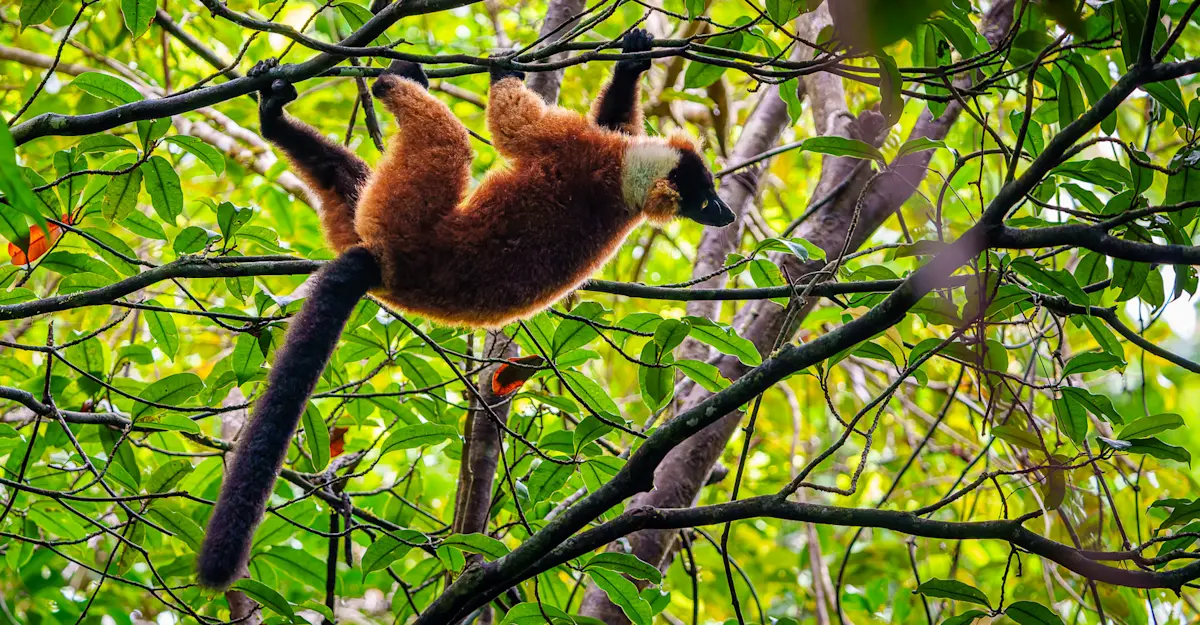
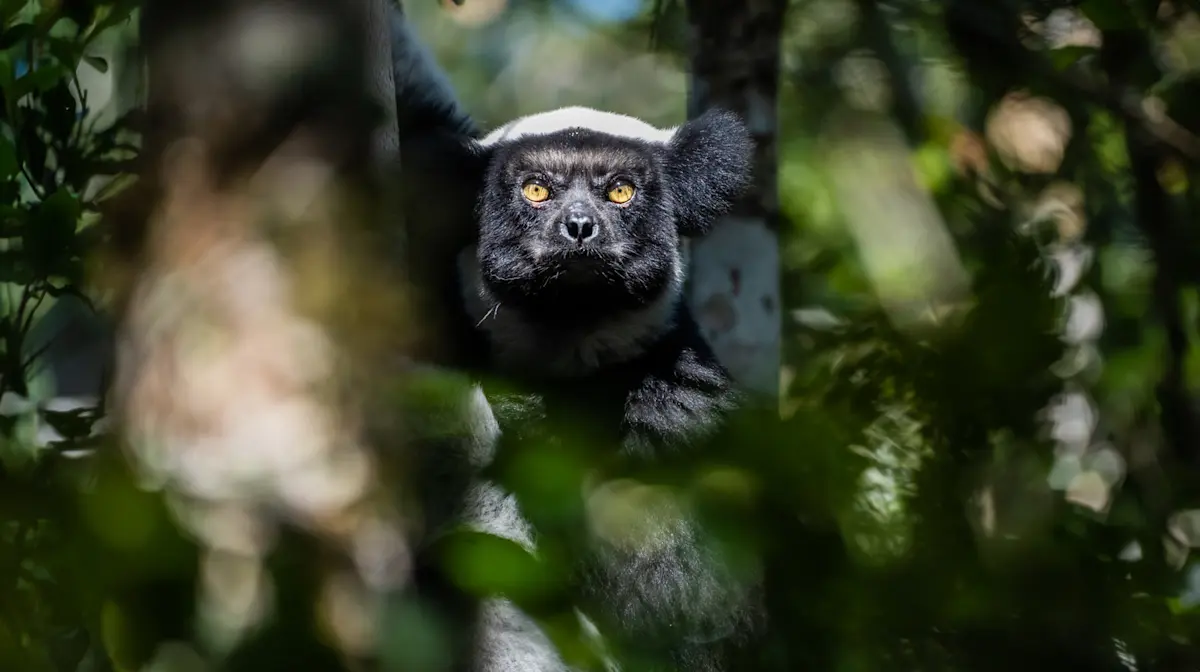
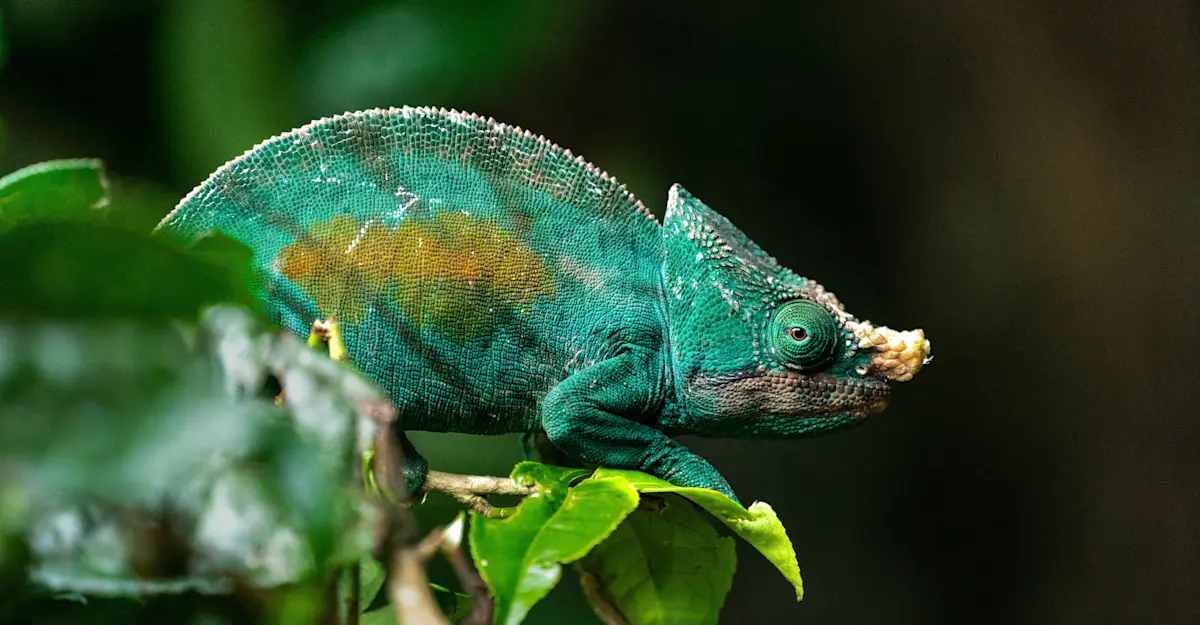
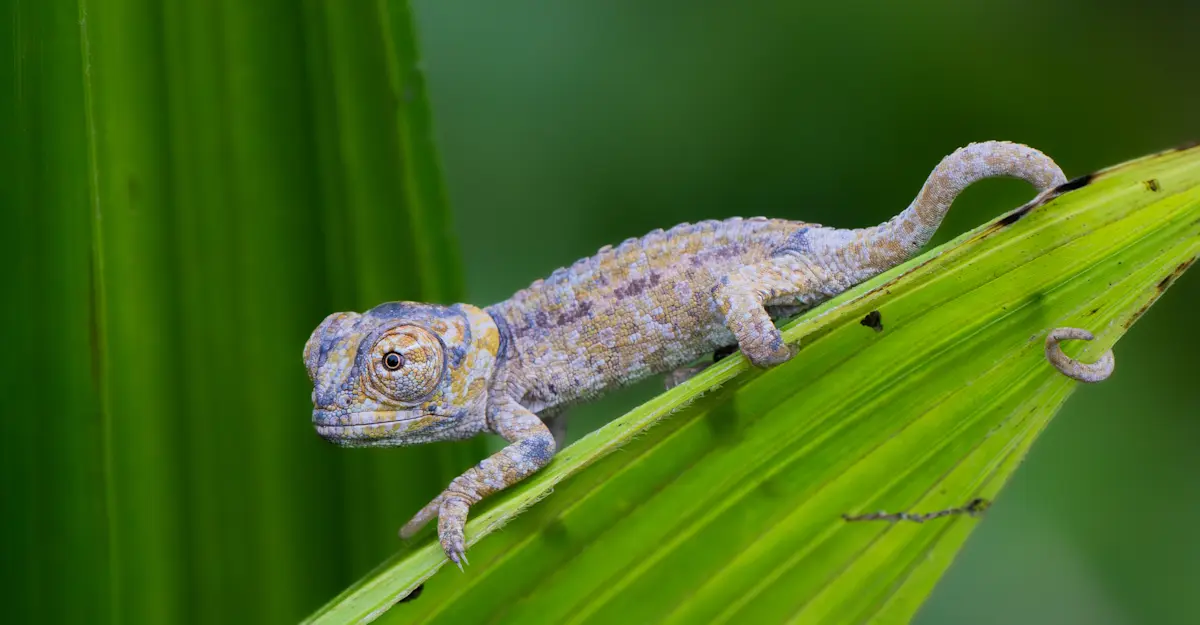
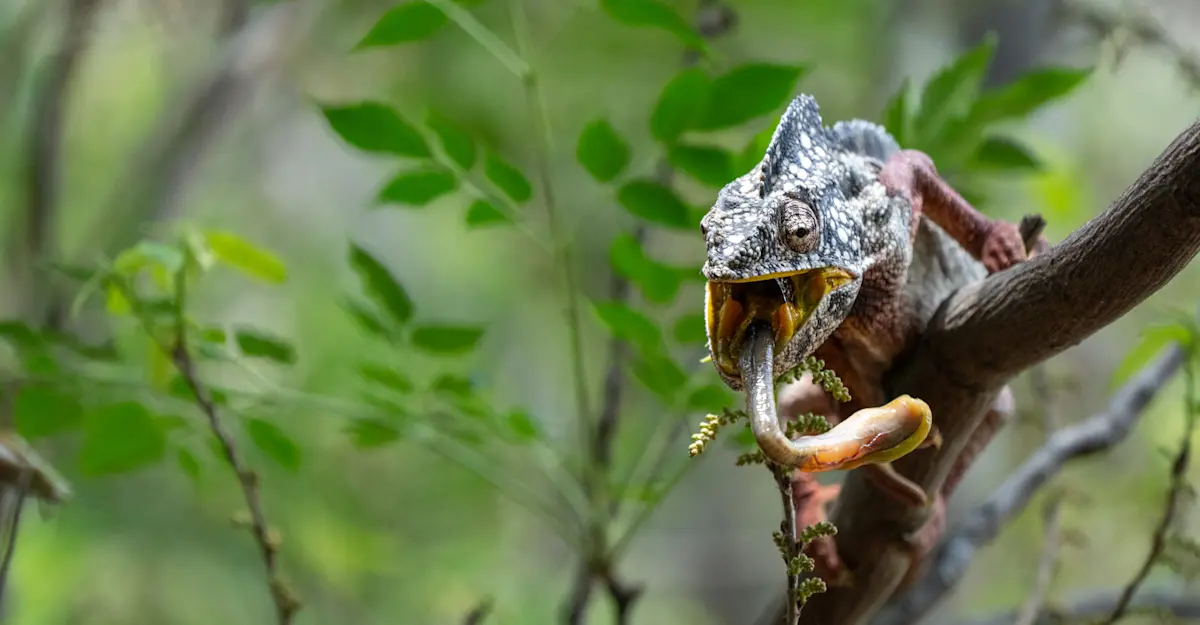
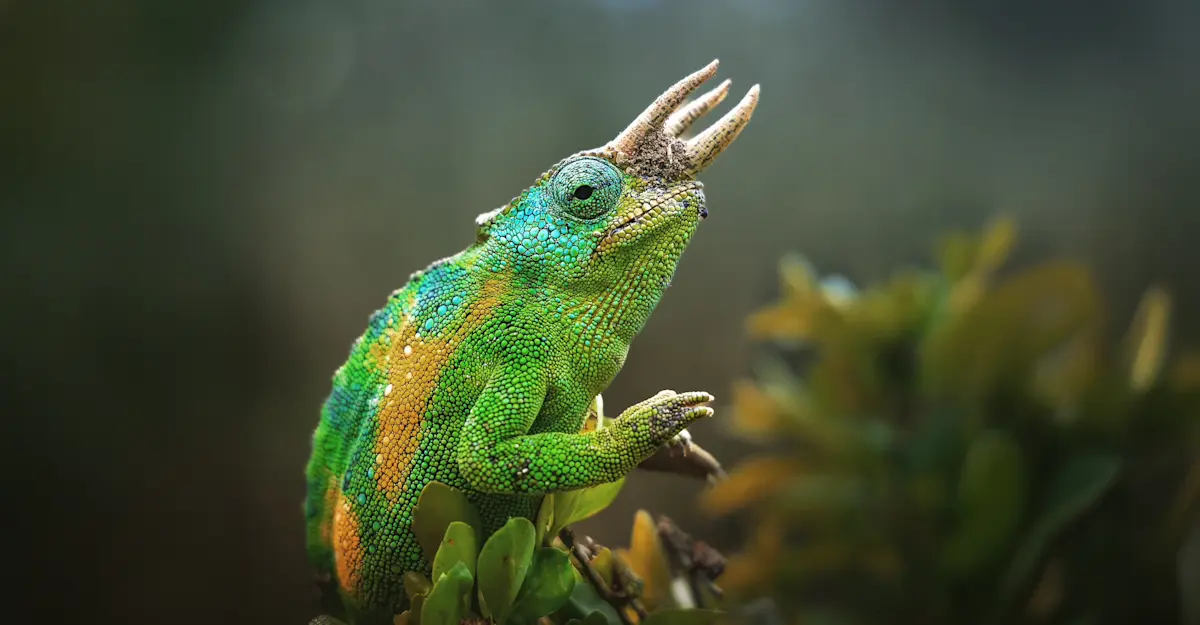
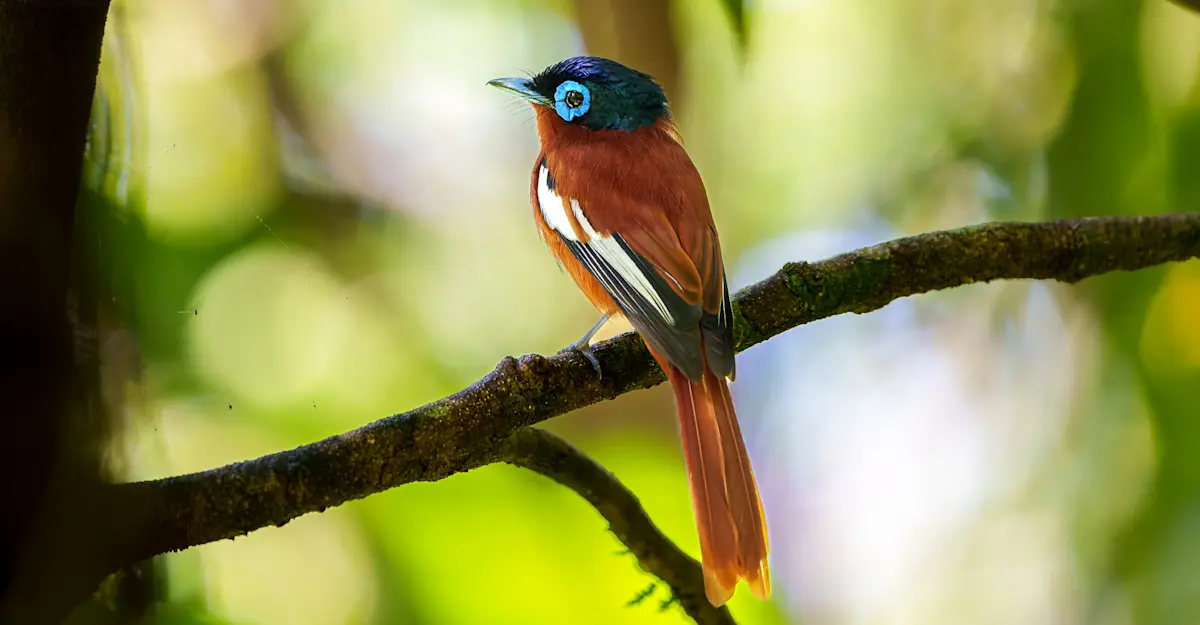
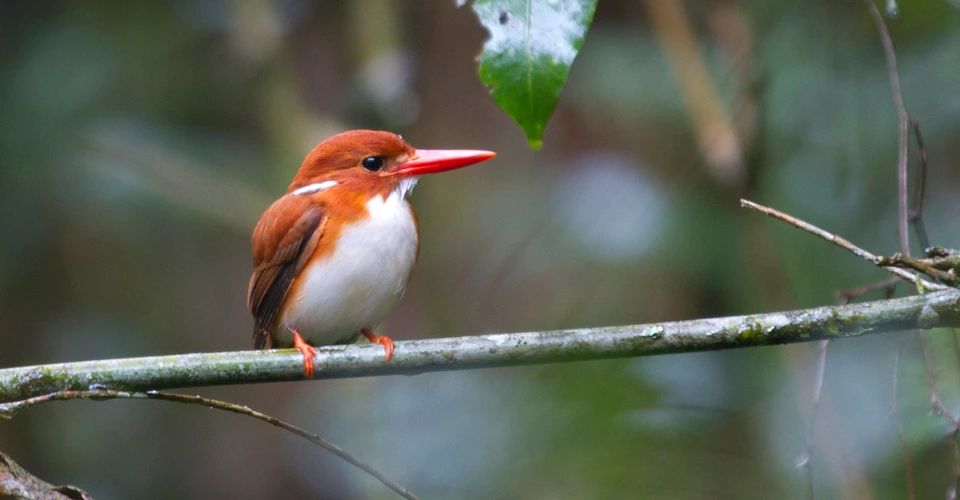
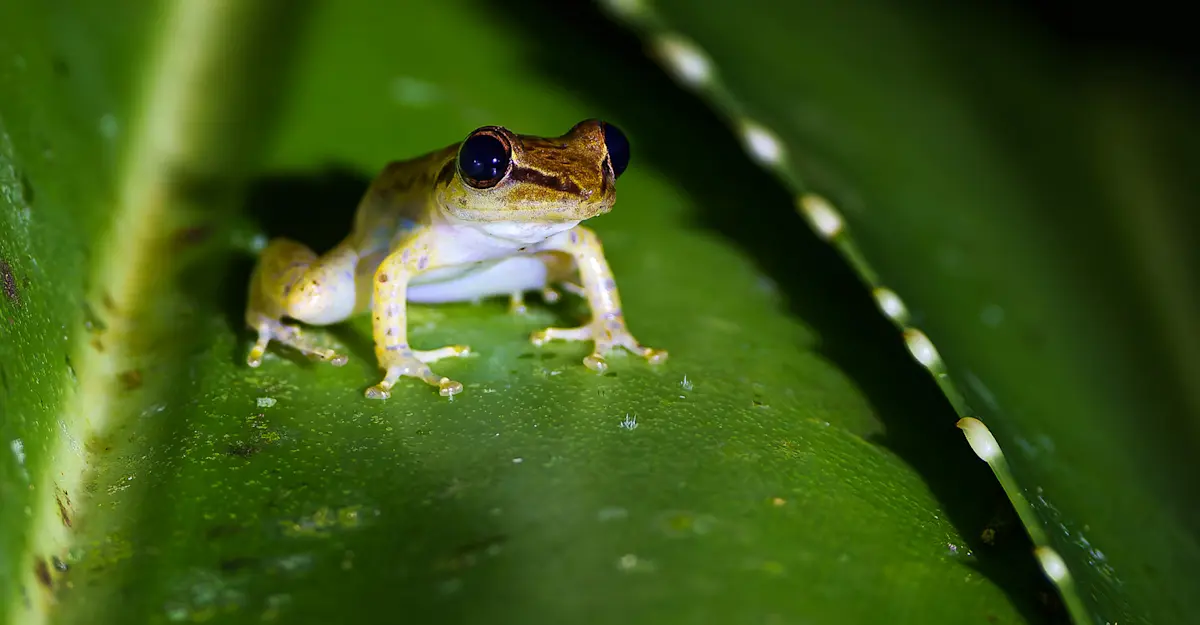
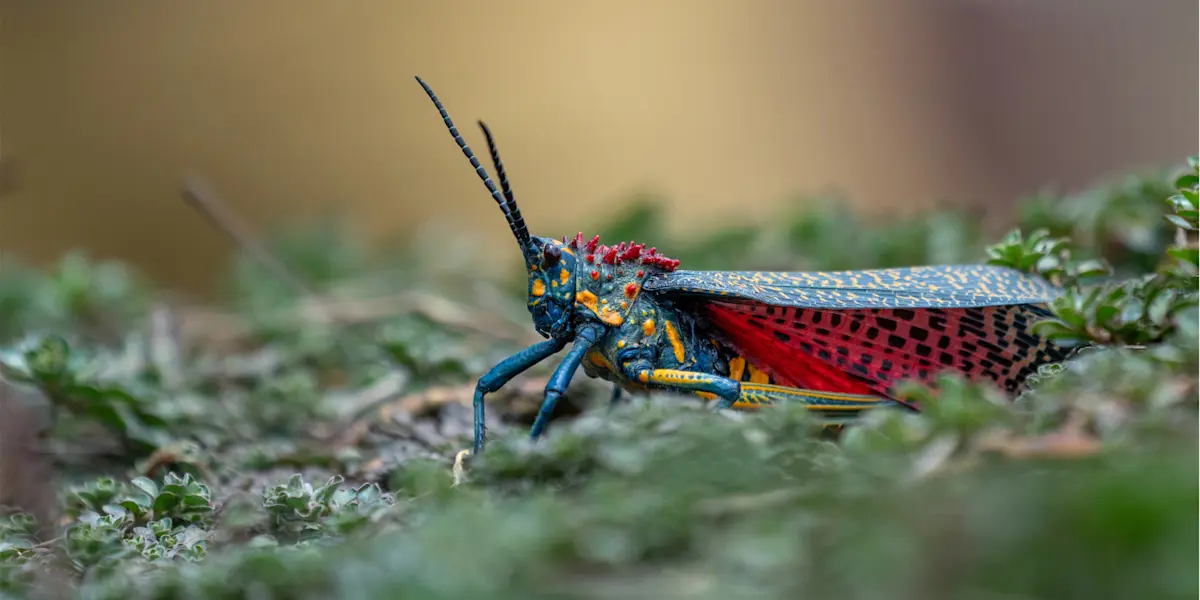
Photo 1 of 12
Wildlife Frequently Asked Questions
Where Can I See the Most Wildlife in Madagascar?
Madagascar is one of the world’s best destinations for wildlife travel, especially for travelers hoping to see lemurs, chameleons, endemic birds and rare rainforest species. The most reliable places to see wildlife in Madagascar are its national parks and private reserves, each protecting a unique ecosystem. Top Madagascar wildlife destinations include:
Andasibe-Mantadia National Park: One of the best places in Madagascar to see indri lemurs, sifakas and diverse rainforest wildlife. Its humid forests are known for loud indri calls, orchid diversity and excellent primate viewing.
Ranomafana: A rainforest hotspot famous for bamboo lemurs, colorful chameleons, frogs and birdlife. This park is ideal for travelers interested in rare species and guided night walks.
Anjajavy Reserve: A remote coastal reserve with high densities of lemurs, including Coquerel’s sifakas, plus rare reptiles and mangroves. This is one of Madagascar’s best locations for secluded, luxury wildlife viewing.
Masoala National Park: Accessible only by boat, Masoala is home to red-ruffed lemurs, marine wildlife, untouched rainforest and rich biodiversity. It’s excellent for travelers seeking both land and ocean wildlife experiences.
Zombitse-Vohibasia: A dry deciduous forest with unique birds, isolated lemur species and baobabs. This region is important for spotting Madagascar’s rarest endemic birdlife.
Isalo National Park: A dramatic desert-like landscape where travelers can reliably see ring-tailed lemurs, sifakas and unusual plant life. The sandstone canyons create striking scenery paired with accessible wildlife encounters.
Nat Hab’s small-group trips include private access to several of these regions, offering a chance to explore remote areas often missed by mainstream tourism.
Think you know Madagascar’s weirdest wildlife? Take our Madagascar Wildlife Trivia Quiz to test your jungle IQ!
When is the Best Time to See Wildlife in Madagascar?
Madagascar’s dry season—from May to November—offers the best wildlife visibility, comfortable temperatures and easier access to parks. However, October and November are especially rewarding. That is when:
Lemurs are more active during mating or birthing season
Reptiles, frogs and insects emerge with warmer temperatures
Migrating humpback whales visit coastal waters (June–Sept)
Rainforests can be productive year-round, but the wet season (Dec–April) brings heavier rainfall and some road closures.
What Animals Can I See on Night Walks?
Night walks are a highlight of Madagascar wildlife travel. Once the sun sets, the forest comes alive with creatures that remain hidden during the day. Possible nocturnal sightings include:
Mouse lemurs: Tiny primates darting through the understory
Sportive and woolly lemurs: Perched in trees, watching with wide eyes
Leaf-tailed geckos: Camouflaged against tree bark
Chameleons: Sleeping on leaves, easier to spot at night
Frogs and tenrecs: Chirping or rustling underfoot
Guides help visitors spot elusive animals by flashlight without disturbing their natural behaviors.
What are Madagascar’s Rarest Animals?
Madagascar is home to some of the world’s most elusive species. While you’re unlikely to see all of them, here are a few highlights:
Aye-aye: A nocturnal lemur with a long, skeletal finger—very rarely seen
Fossa: Madagascar’s top predator, resembling a small cougar
Ploughshare tortoise: Critically endangered and almost never seen in the wild
Madagascar serpent eagle: A secretive raptor of eastern rainforests
Appert’s tetraka: A bird found only in one forest in the southwest
These animals are incredibly difficult to find, but your presence supports the protected habitats they rely on.
Why is Madagascar’s Wildlife So Unique?
Madagascar broke away from mainland Africa more than 100 million years ago. Isolated in the Indian Ocean, its wildlife evolved separately, creating an ecosystem unlike anywhere else. This evolutionary history explains:
The absence of large predators like lions or hyenas
The presence of primitive primates (lemurs) instead of monkeys or apes
Endemic plant life, such as baobabs and pachypodia (spiny succulent plants)
Reptile and amphibian species with no mainland relatives
Today, Madagascar is considered one of the world’s top five biodiversity hotspots.
How Can I Maximize Wildlife Viewing in Madagascar?
To experience Madagascar’s full biodiversity, aim to:
Visit multiple ecosystems—rainforest, dry forest, coast and wetland zones support different species
Travel with expert naturalist guides who know where to find elusive animals and interpret behaviors
Join small-group tours that minimize disturbance and allow longer, quieter wildlife encounters
Use private flights (when possible) to reach remote parks that offer less crowded, more pristine conditions
Plan for both day and night walks to witness the full range of diurnal and nocturnal species