

Know Before You Go: Kenya Safaris
Where Will I Stay on a Kenya Safari?
Accommodations on a Kenya wildlife safari are chosen first and foremost for their location. Staying close to prime wildlife habitat means earlier starts, fewer vehicles and more time observing animals when they are most active. Most nights are spent in small, well-sited camps and lodges inside or adjacent to protected areas, where wildlife moves freely through the surrounding landscape.
From the Maasai Mara to the Laikipia Plateau, Kenya’s safari accommodations emphasize intimacy, strong guiding access and a close connection to the environment. Properties are deliberately small, blending into the bush rather than dominating it, and designed to keep guests immersed in the rhythms of the savanna while still providing comfort at the end of the day.
Photo gallery
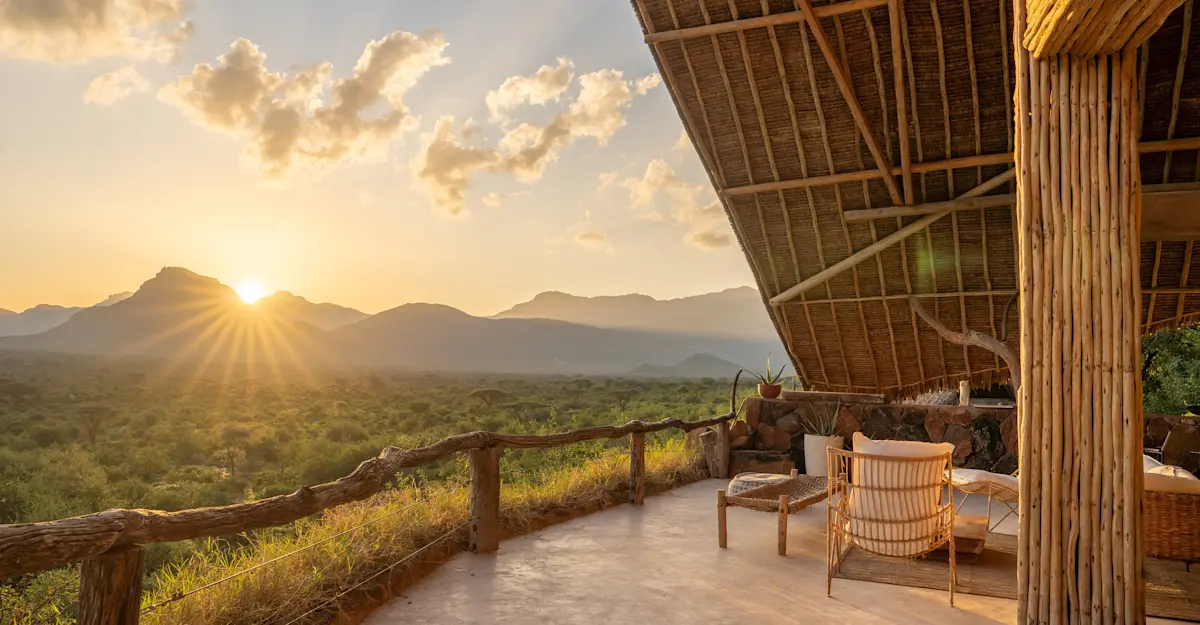
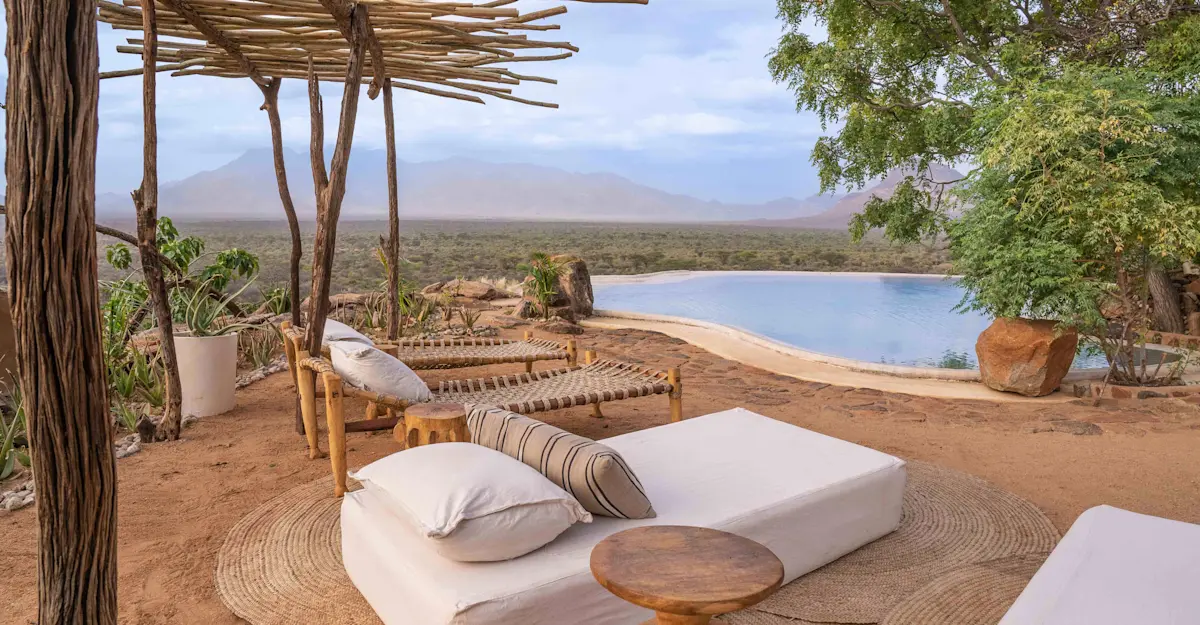
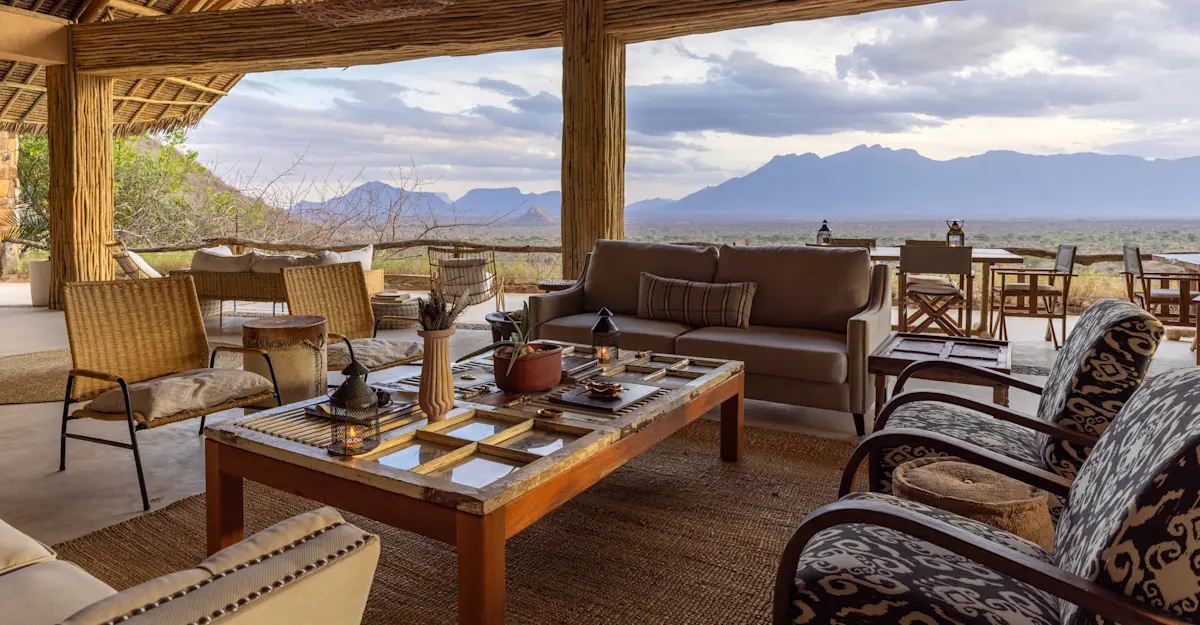
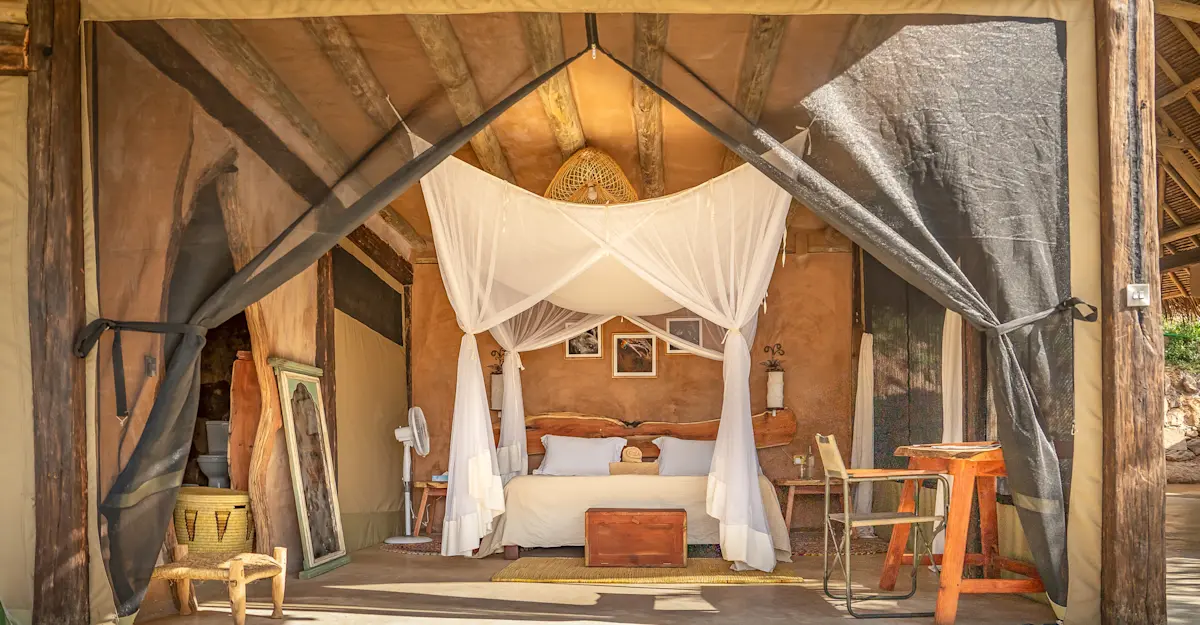
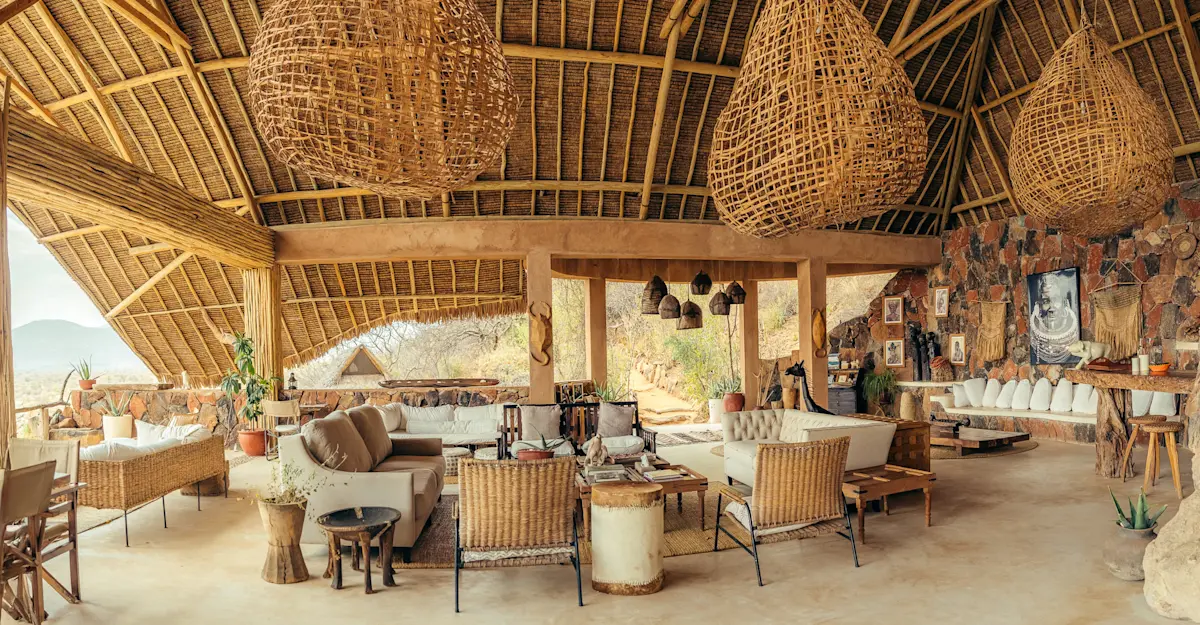
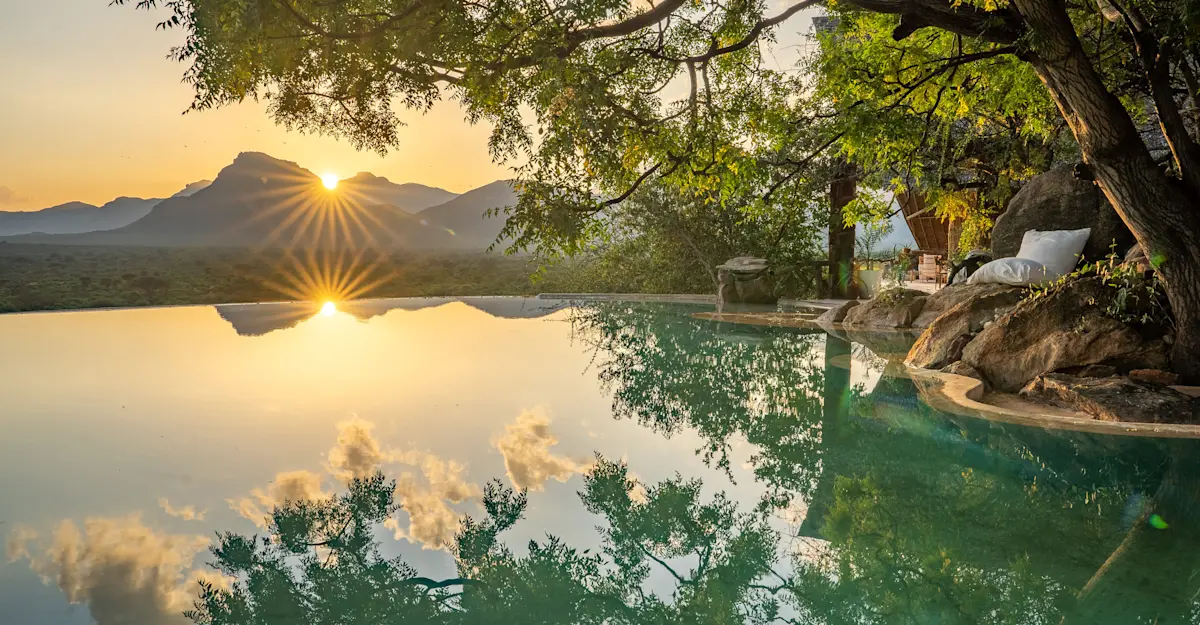
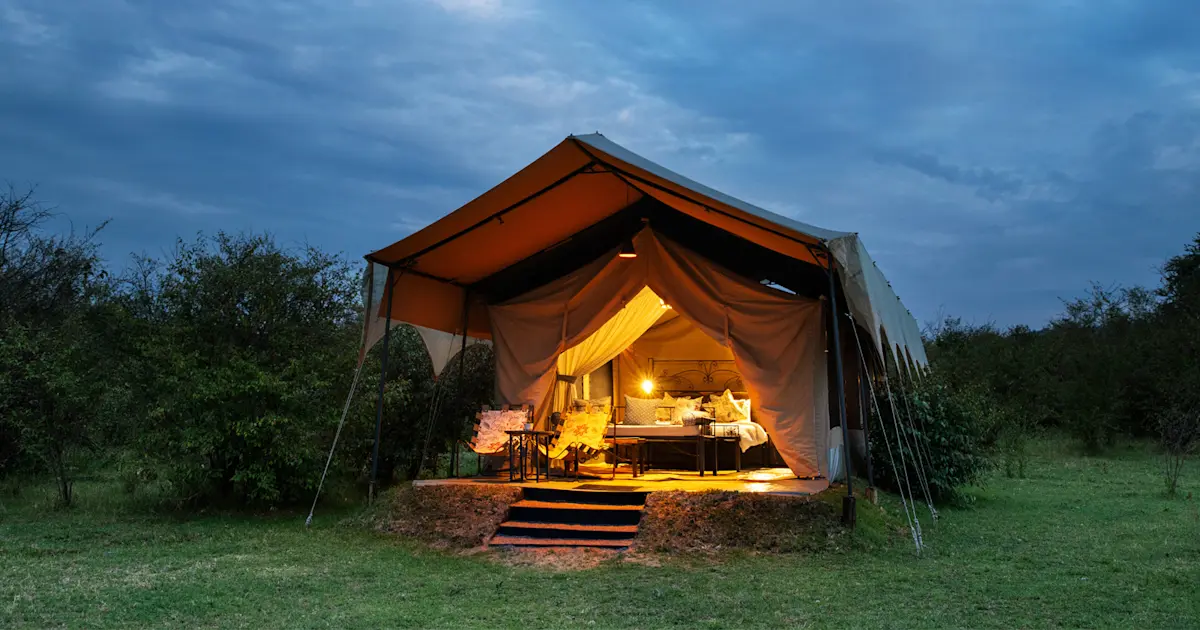
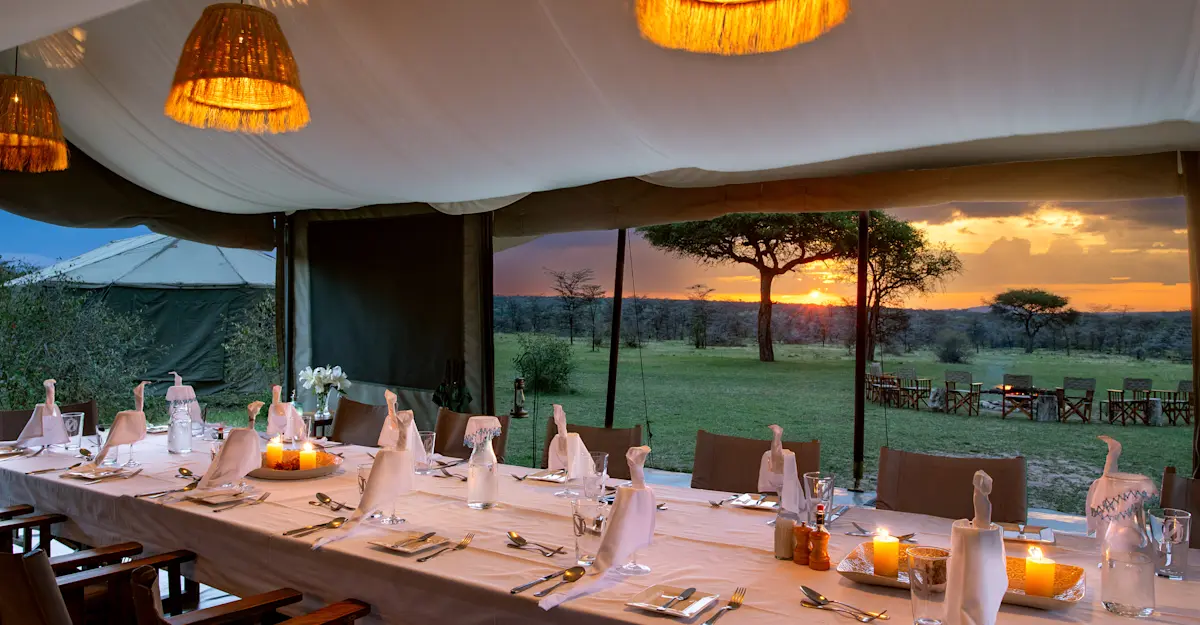
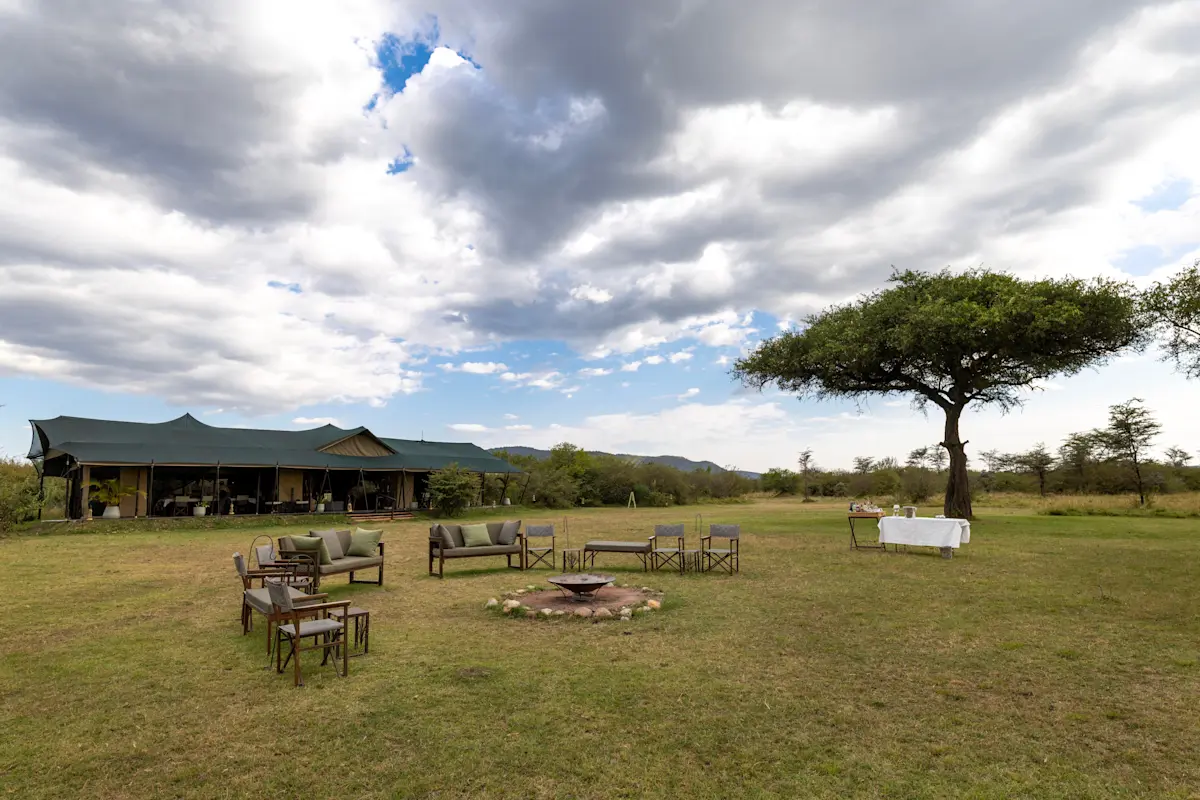
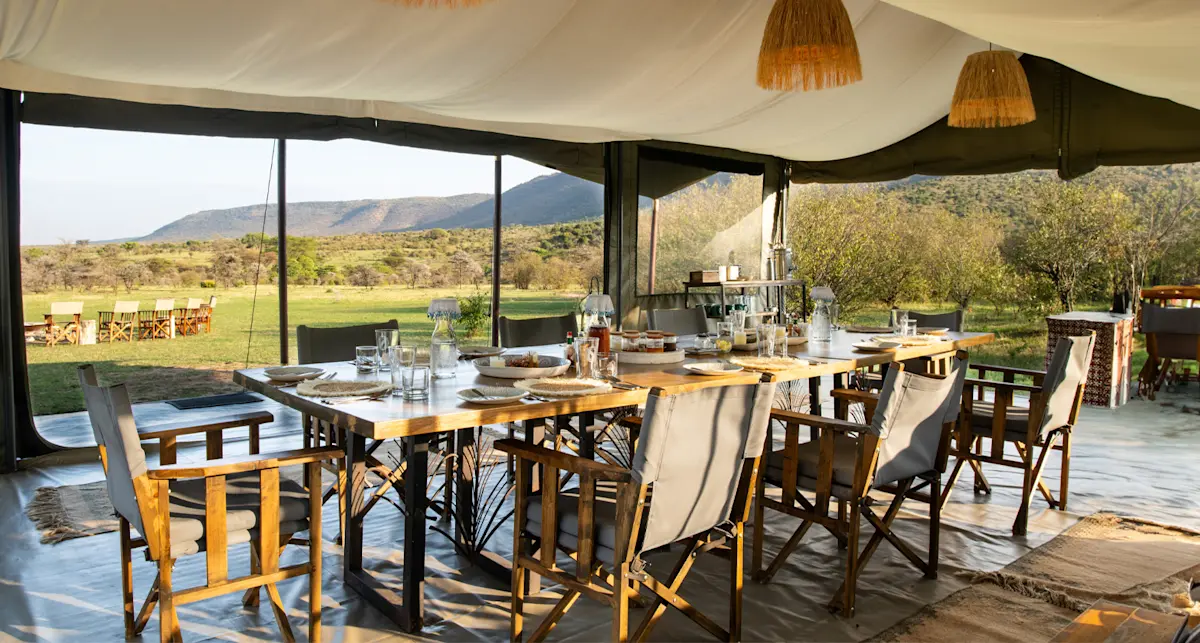
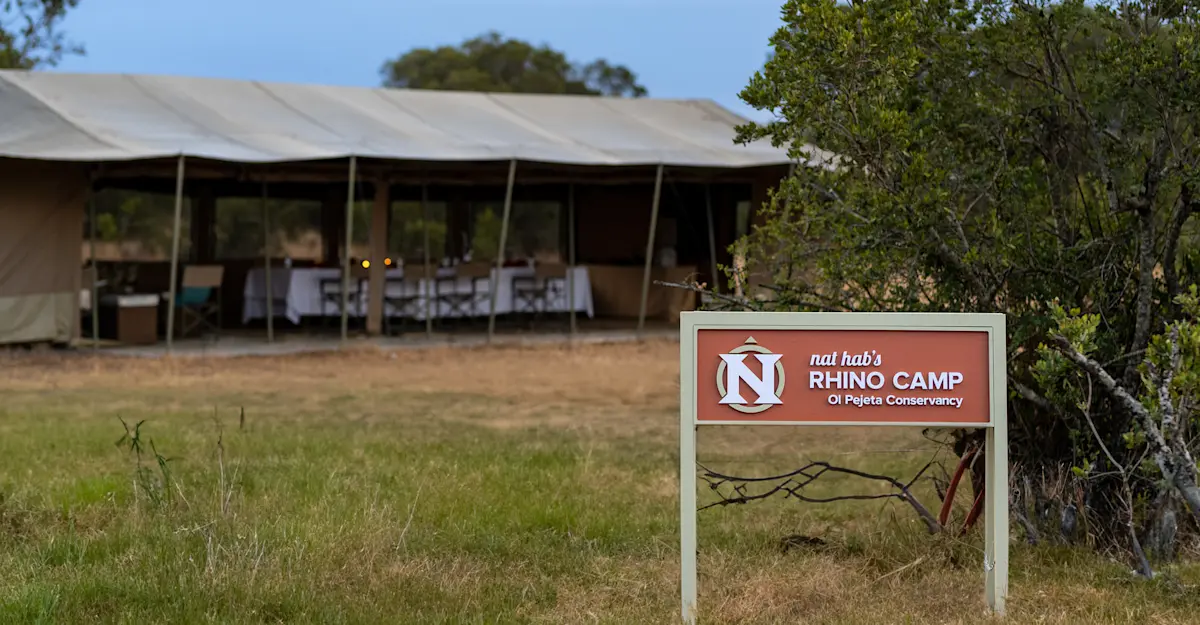
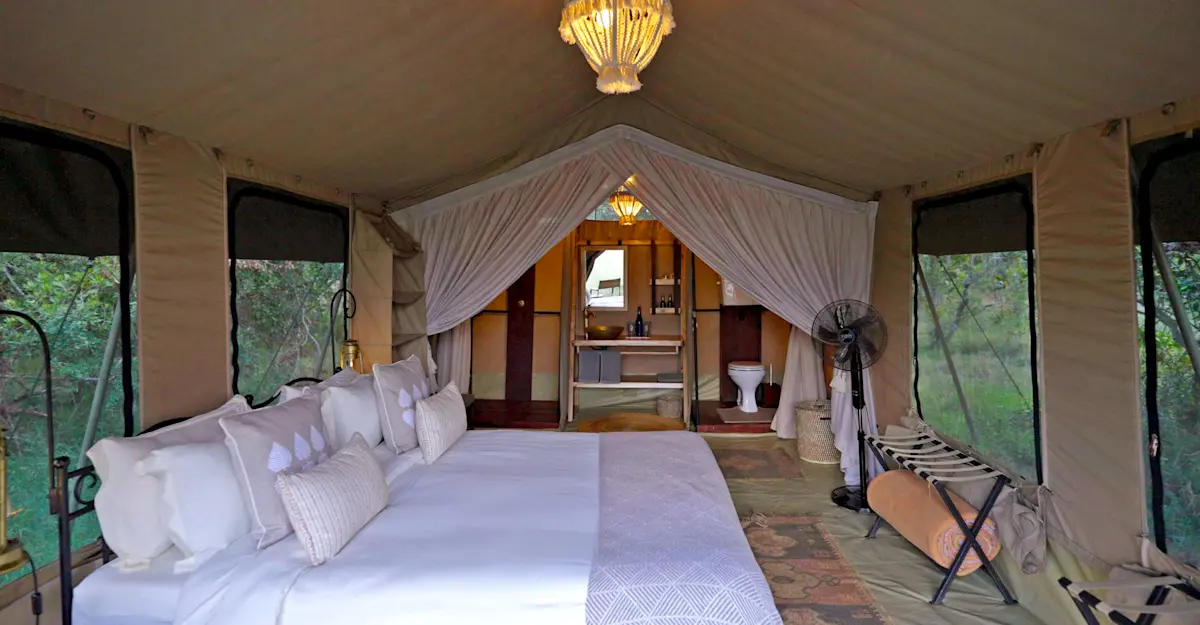
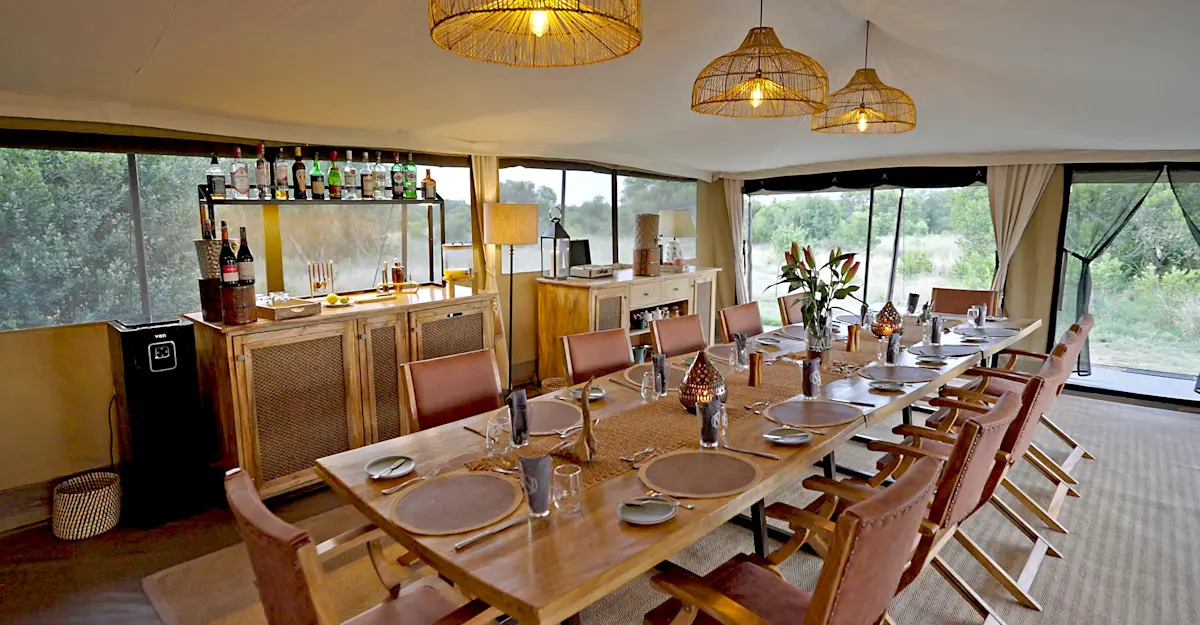
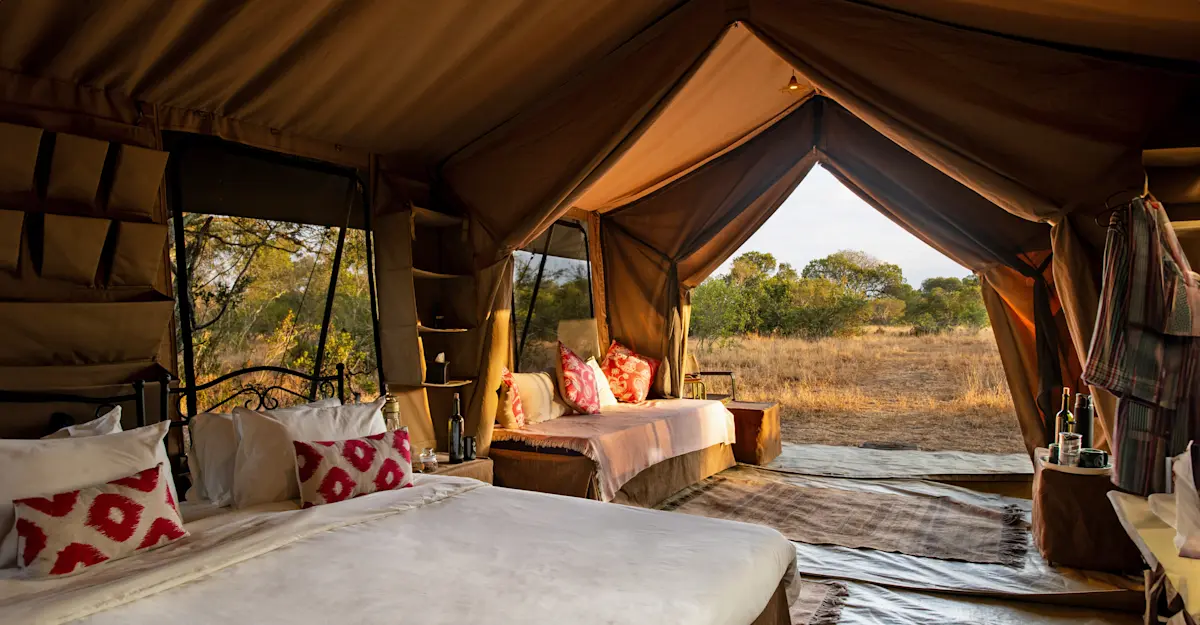
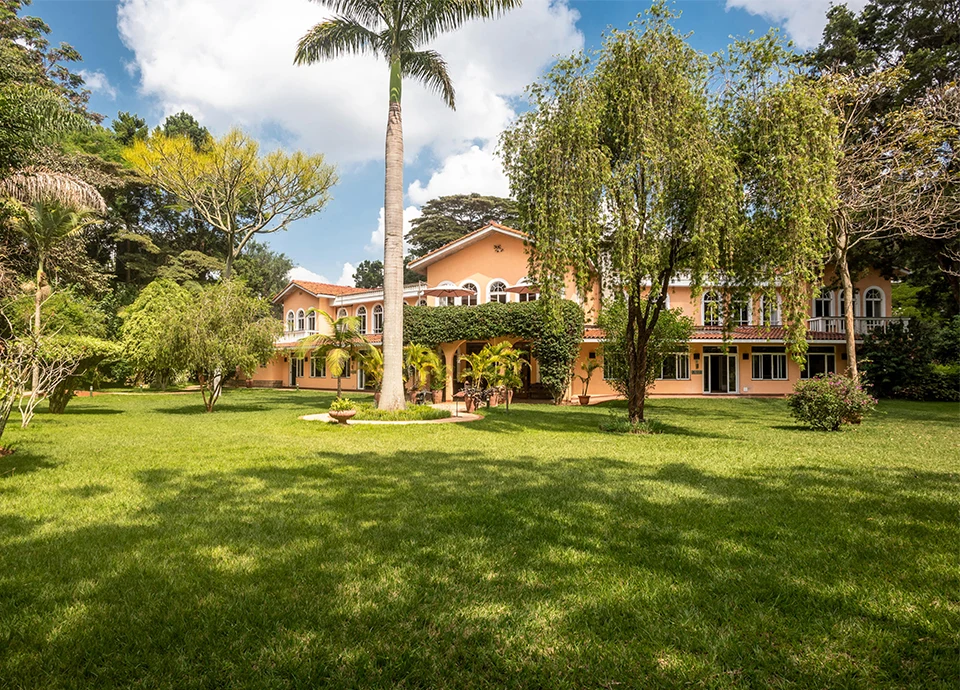
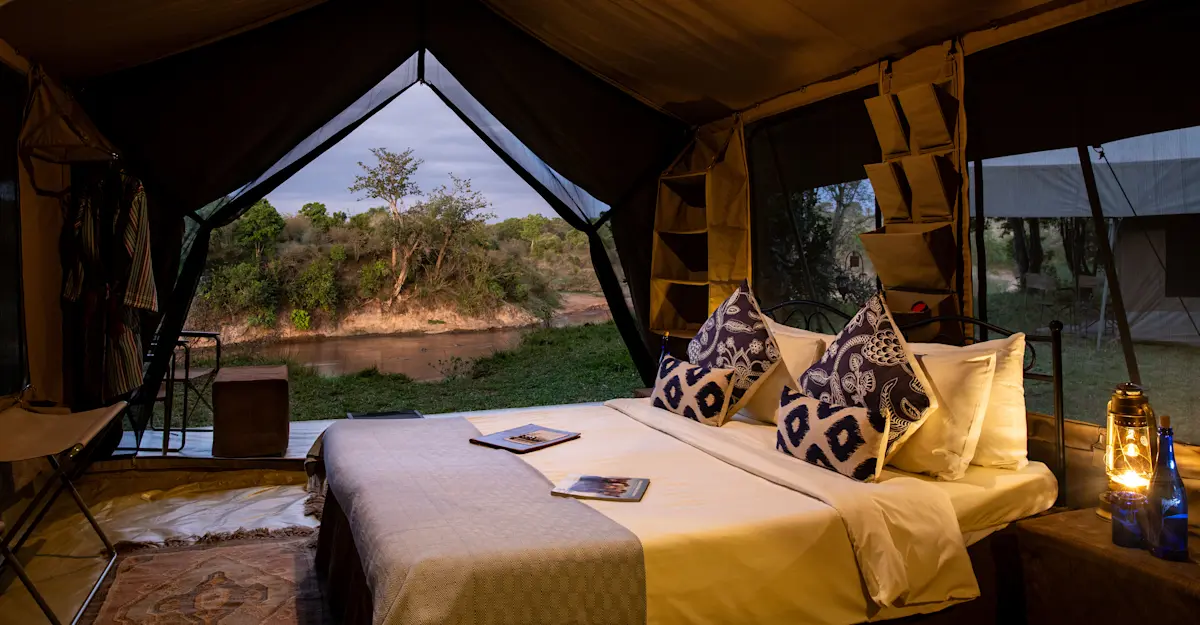
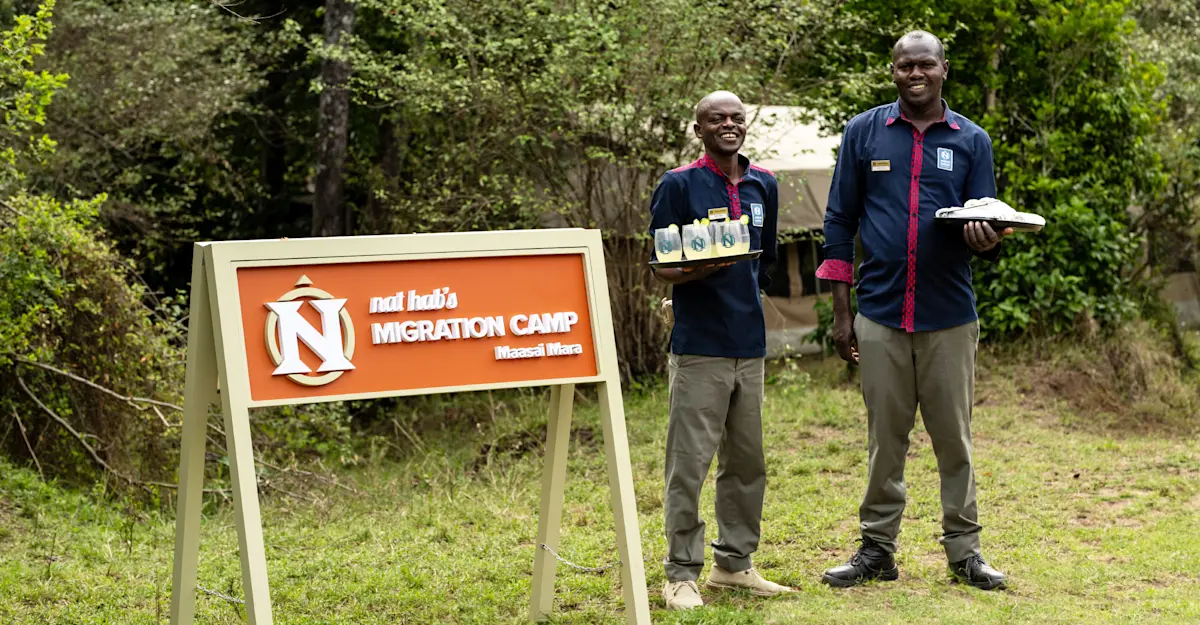
Photo 1 of 17
Classic Tented Camps
The most common safari accommodation in Kenya is the classic tented camp. These camps typically feature a limited number of spacious canvas tents set well apart for privacy. Each tent usually includes proper beds with mosquito netting, en suite bathrooms with hot showers, wood or canvas floors and a shaded veranda overlooking plains, river corridors or woodland.
Common areas are often open-sided or under canvas, allowing breezes, birdsong and distant animal calls to flow through camp. Many tented camps operate on private conservancies, where vehicle numbers are limited and activities such as guided walks and night drives are possible. Power is generally solar, sometimes supplemented by generators, reinforcing the low-impact nature of these camps.
Tented camps offer a strong sense of immersion without sacrificing comfort and are often favored by travelers who want to feel connected to the landscape.
Mobile Migration Camps
Kenya is also known for its seasonal mobile migration camps, which relocate throughout the year to stay close to the Great Migration as herds of wildebeest and zebra move across the ecosystem. These camps are designed to be temporary and minimally intrusive, yet they still provide full beds, en suite bathrooms and attentive service.
By positioning camp near active migration corridors, mobile camps allow guests to spend less time driving and more time observing river crossings, predator-prey interactions and the movement of vast herds. Their seasonal nature also helps reduce long-term pressure on sensitive habitats.
Safari Lodges
Safari lodges in Kenya are permanent structures, usually built from stone and timber, and tend to be slightly larger than tented camps. Rooms are solid-walled and may offer additional amenities such as swimming pools or expanded communal spaces. Lodges are often located in excellent wildlife areas and can be a good option for travelers who prefer a more traditional building while still enjoying daily game drives.
Although lodges may feel more established, the best ones are carefully designed to blend into their surroundings and maintain strong access to wildlife.
What to Expect with Nat Hab
Nat Hab selects camps and lodges based on wildlife access, conservation values and overall experience rather than excess luxury. Group sizes are small, which keeps camps feeling personal and allows for flexible wildlife viewing.
Accommodations typically feature comfortable beds, en suite bathrooms with hot showers, shaded outdoor seating areas and welcoming communal lounges where guests gather between drives. Many properties are located on Maasai or Samburu lands managed as conservancies, where tourism supports local communities and helps protect wildlife habitat.
By staying in these carefully chosen camps, travelers experience Kenya’s wildlife landscapes up close while contributing to long-term conservation and community-based stewardship.


