Good Nature Travel Blog

  • Nature & Wildlife

    New Insights into Animal Behavior

    May 5, 2026 · Candice Gaukel Andrews

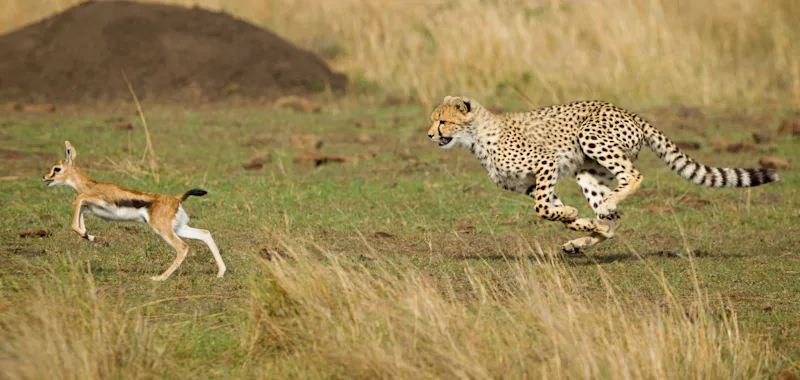
    It’s typically said that animal behavior is the result of biology and environment. The responses of wildlife are driven by the primal urges to survive and reproduce; or are triggered by internal or external cues, such as the appearance of a nearby threat.
  • Nature & Wildlife

    Bird Eyes and Dark Skies

    Feb 18, 2025 · Candice Gaukel Andrews

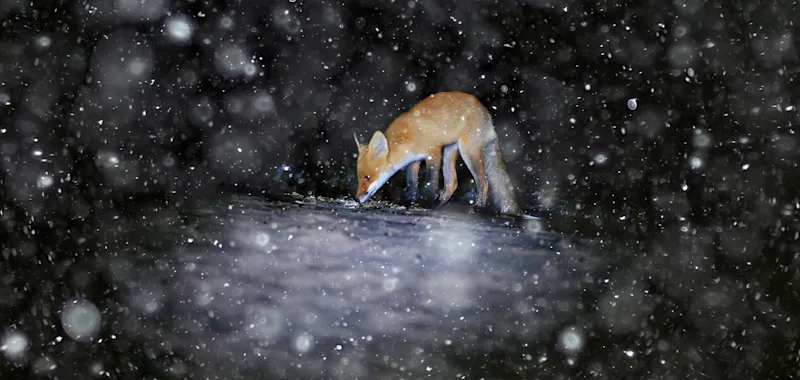
    When we misuse or overuse artificial light at night, we create nighttime light pollution, which makes it harder to see the night sky and causes negative effects on wildlife and human health. For example, sea turtle hatchlings usually wait until night to emerge from their nests to reduce exposure to daytime predators.

  • Nature & Wildlife

    Where Wildlife Resides: Climate, Co-Cultures and Communal Z’s

    Oct 8, 2024 · Candice Gaukel Andrews

    When people are deciding where to live, factors such as a community’s cost of living, employment opportunities, ease of transportation, and proximity to family and friends are usually considered on a somewhat equal basis. It turns out that for other mammals, the process is a bit more straightforward.

  • Nature & Wildlife

    How Crows and Ravens Made the World their Home

    Jan 31, 2023 · Candice Gaukel Andrews

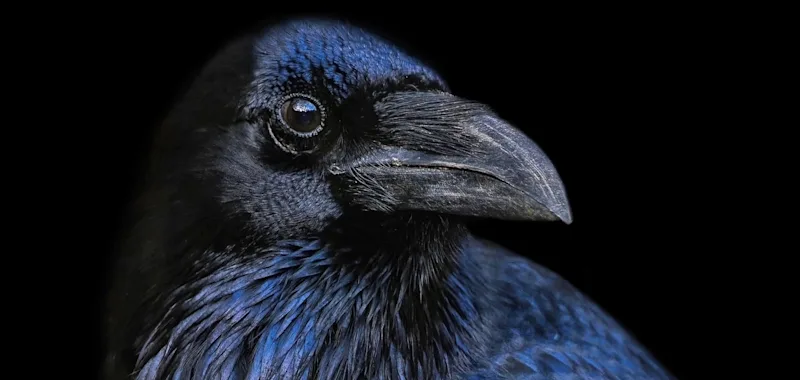
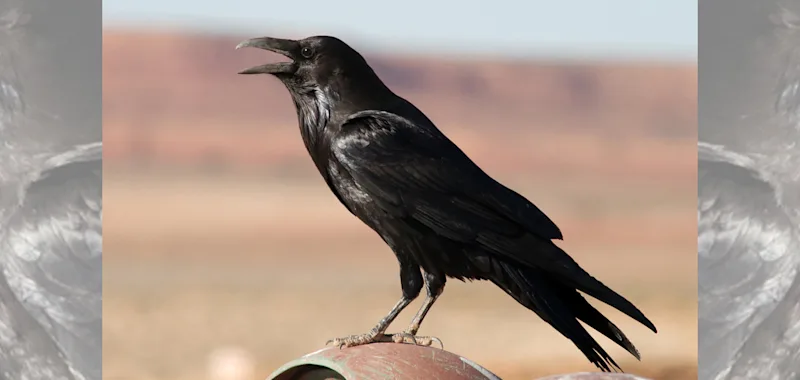
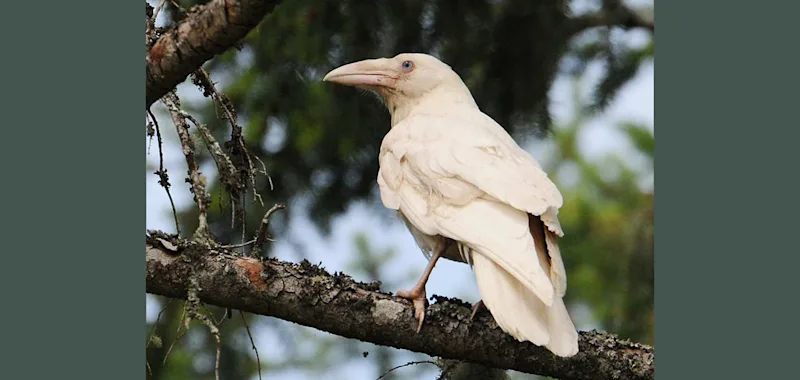
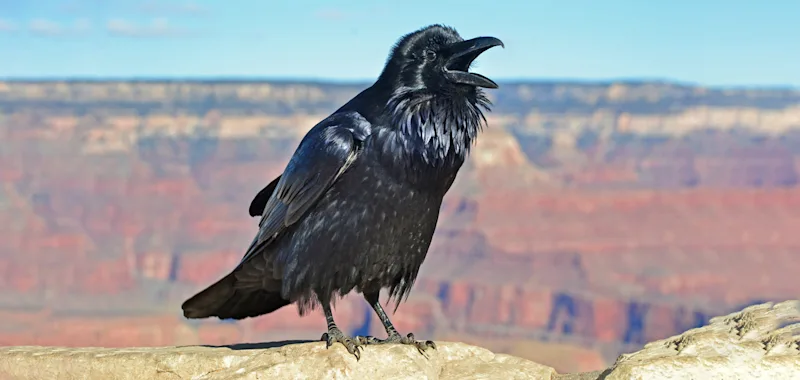
    You know them because you see them in your neighborhood every day. And you certainly have heard their distinctive, harsh caws and kraas. They are crows and ravens, the corvids that are well-known for their black color. Crows can be found all over the world in a variety of habitats.

  • Travel Tales

    Five Sensory Travel Journeys for the Coronavirus Age

    May 5, 2020 · Candice Gaukel Andrews

    The world that I look out upon from the window in my home office, here in Wisconsin, is pretty quiet right now. In other times, the interstate just beyond the woods that surrounds my house would be busy with fast-moving cars and semitrucks. But presently, only occasionally does the sound of any traffic reach me.

  • Nature & Wildlife

    Halfway into the Year of the Bird, and Still in Trouble

    Jul 17, 2018 · Candice Gaukel Andrews

    We’re more than halfway into 2018, the Year of the Bird. When I wrote about this banner year back in December 2017, I wondered if by marking the 100th anniversary of the Migratory Bird Treaty Act (MBTA), we would make any true progress on protecting our nation’s—and the world’s—birds.

  • Videos

    Spirit Bear Videos: A Look into Lives of Peace and Harmony

    Apr 12, 2018 · Candice Gaukel Andrews

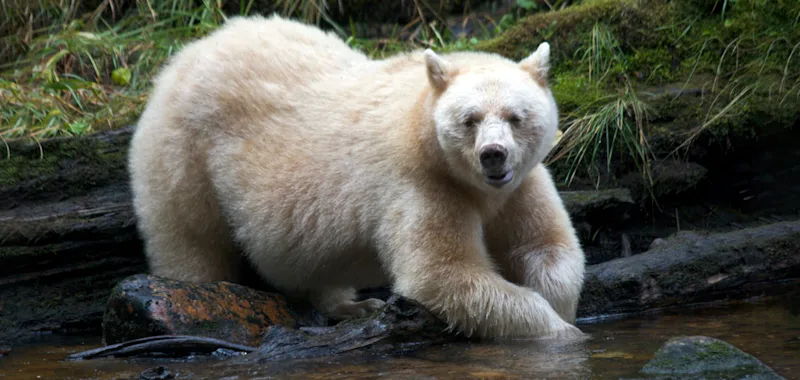
    According to legend, Raven went among the black bears and promised that every 10th bear cub would be born white as a reminder of the time when the world was pure and clean and covered with snowdrifts and glaciers.

  • Videos

    Bird Video: The “Caw” of a Crow and the “Kraa” of a Raven

    Oct 26, 2017 · Candice Gaukel Andrews

    Ever since I read Edgar Allan Poe’s poem “The Raven” in junior high school, the bird has fascinated me. Corvids, such as ravens and crows, are among the smartest of all birds and have a reputation for solving more and more complicated problems invented by increasingly creative scientists.

  • Nature & Wildlife

    White, Wild Animals and Why Difference Shouldn’t Be Wrong

    May 2, 2017 · Candice Gaukel Andrews

    A framed photo that hung on a wall of my grandfather’s large dining room is one of my earliest memories. Sepia-toned, it depicted a herd of deer, taken in Wisconsin’s Northwoods, near Boulder Junction. A few of the deer in that image looked different from the others; they appeared to be all white.

  • Conservation

    Remedy for Deforestation: Raven Replanters

    Feb 16, 2016 · Candice Gaukel Andrews

    Corvids—a family of birds that includes crows, jays, magpies, nutcrackers and ravens—are smart animals. They can make tools, recognize individual human faces and give our five-year-old children a run for their money in solving puzzles.

  • News & More

    Seeding the Earth: When We Lose an Animal, We Lose a Forest

    Nov 25, 2014 · Candice Gaukel Andrews

    When we hear news about the declining numbers—and even near-extinction—of some of the world’s largest animals, such as tigers and rhinos, we usually think about that loss in terms of the planet’s diminishing animal biodiversity and what we can do to conserve what’s left of these species.