Good Nature Travel Blog

  • Nature & Wildlife

    Hooves and Horns: Ungulates of North America’s National Parks

    Jun 20, 2026 · Michelle Peters

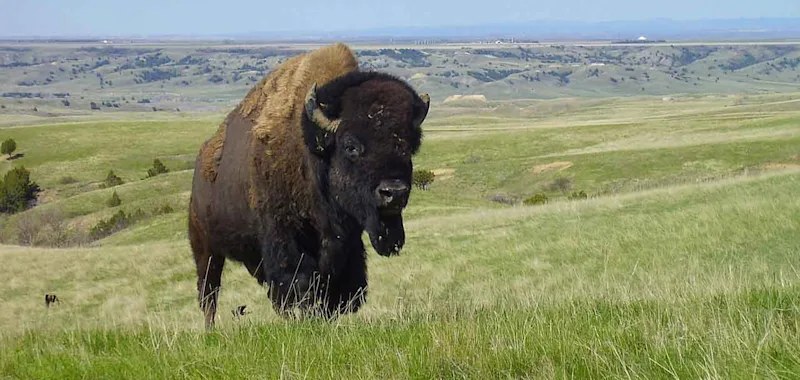
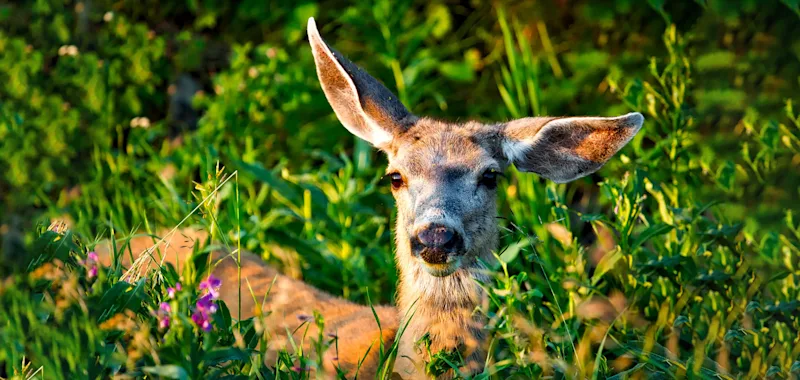
    What, you may be asking, is an ungulate? You’ve actually known them all along, but perhaps just didn’t know them by their official moniker. Among the ungulates that are native to North America are bighorn sheep, bison, caribou, Dall sheep, mountain goats, moose and white-tailed deer. What do they all have in common?
  • Nature & Wildlife

    Lives of Yellowstone: From Large to Small; Ancient to New

    Dec 5, 2025 · Candice Gaukel Andrews

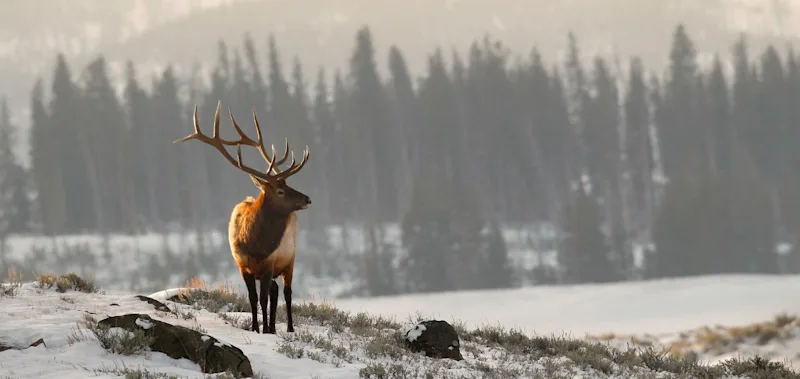
    Large herbivores—such as bison and elk—have continuously lived in the Yellowstone National Park region for at least 2,300 years, according to a new analysis of chemicals preserved in lake sediments. How have they made their livings and survived for so long?

  • Nature & Wildlife

    Needing Natural Habitats

    Apr 30, 2024 · Candice Gaukel Andrews

    We human beings have certain basic needs. We must have air, food, water and shelter to survive, according to NASA. If any one of these basic needs is not met, then humans cannot persist. I think the same applies to more-than-human animals, as well.

  • Nature & Wildlife

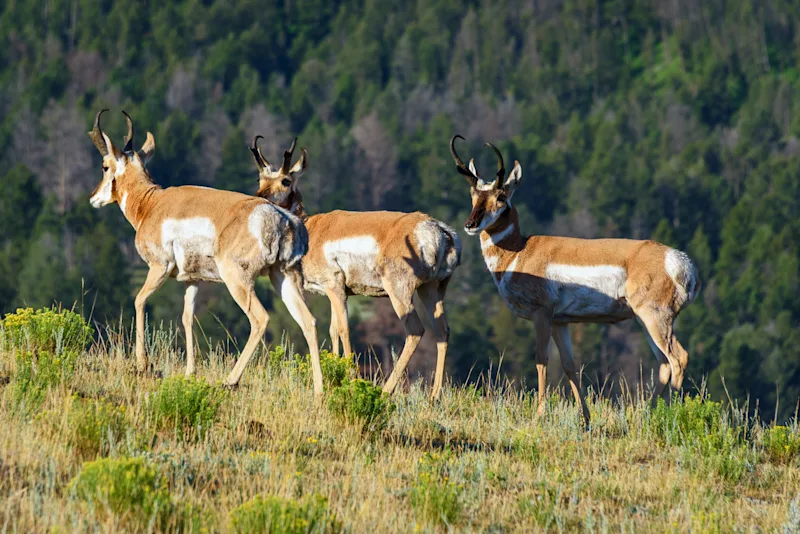
    What’s the Difference Between a Pronghorn and an Antelope?

    Feb 28, 2022 · Jon Jared

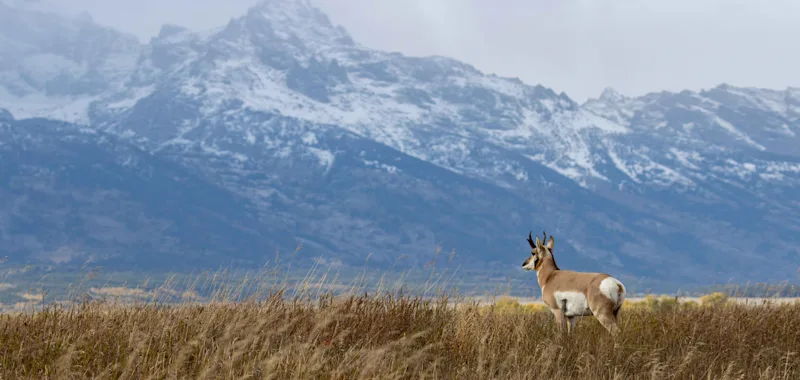
    At the beginning of the 19th century, explorers Lewis and Clark prompted a discussion that continues to this day when they chronicled their discovery of the pronghorn. William Clark described the distinctly American pronghorn as “like the antelope or gazella of Africa.” The comparison stuck, and the question took hold.

  • Nature & Wildlife

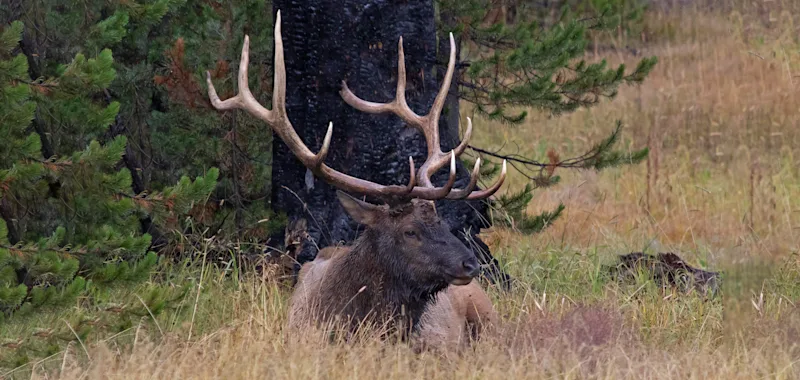
    Elk Use Changing Environmental Signs to Time Migrations

    Nov 12, 2019 · Candice Gaukel Andrews

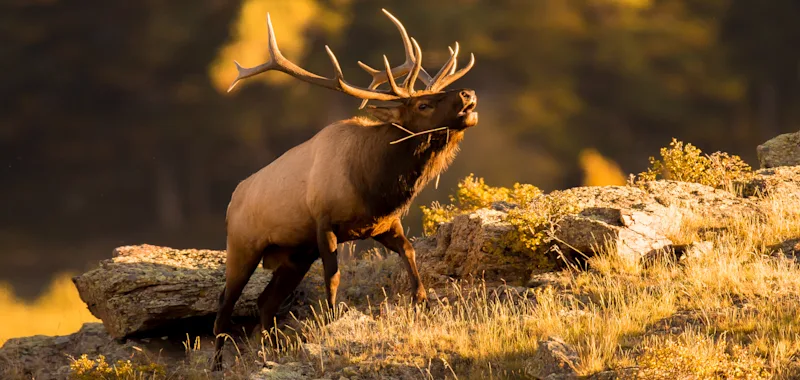
    On a recent Natural Habitat Adventures fall trip to Grand Teton and Yellowstone National Parks, my guide talked about a common question he gets from visitors who come to see the National Elk Refuge at this time of year. “Where are all the elk?” they typically ask.

  • Nature Photography

    Grand Teton National Park Photo-Essay: from Marmots to Moose and Pikas to Pronghorn

    Oct 15, 2019 · Candice Gaukel Andrews

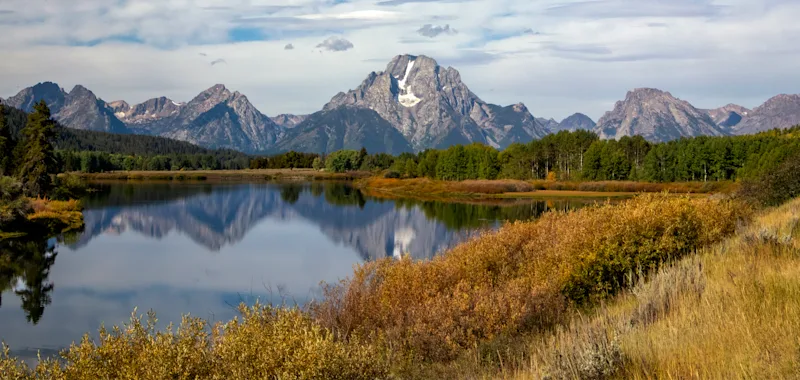
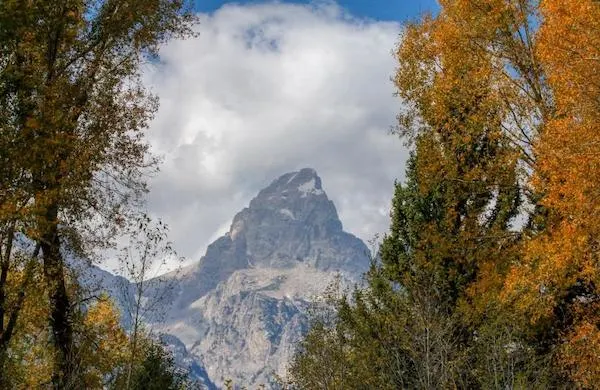
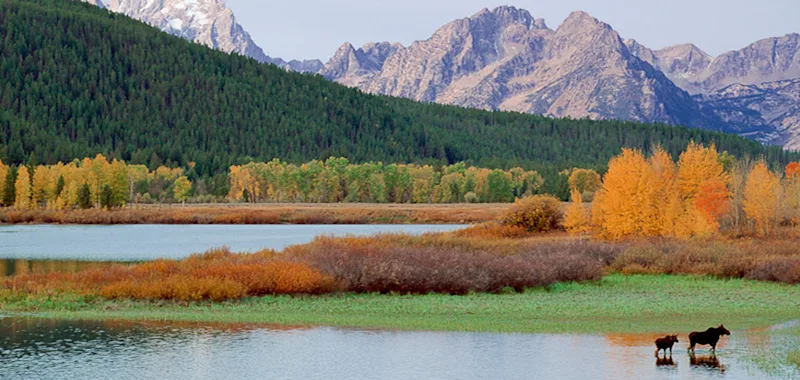
    While there are higher mountains in North America, perhaps none are more dramatic than those in the Teton Range. Grand Teton Mountain rises almost 7,000 feet straight up from the Jackson Hole Valley, with no foothills to impede the views of its rocky slopes and spectacular, often snowcapped peak.

  • Nature & Wildlife

    Grasslands: A Lot More Than Just Flyover Country

    Feb 5, 2019 · Candice Gaukel Andrews

    Across the world, they go by many names: downs, prairies, pampas, rangelands, steppes, savannas or velds. But what all of these landscapes have in common is that grass is their naturally dominant vegetation.

  • U.S. National Parks

    Video: A Newly Discovered Yellowstone Migration

    May 24, 2018 · Candice Gaukel Andrews

    After a long winter—which still seems to be hanging on in some places—people are understandably anxious to get outside and get on the move again. Perhaps we take our cue from the nonhuman animals, which have for millennia followed spring migration routes.

  • Videos

    Videos: Golden Eagle Catch and Release

    Sep 14, 2017 · Candice Gaukel Andrews

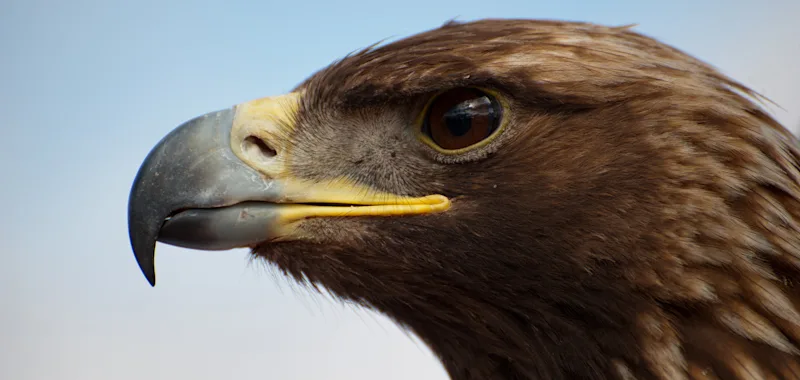
    One of the largest birds in North America, a golden eagle is an expert hunter. It can dive on prey from tremendous heights and has been clocked flying close to 200 miles per hour. Golden eagles primarily hunt ground squirrels, jackrabbits, marmots and prairie dogs.

  • Videos

    Video: the Pronghorn Path, the First Federally Protected Wildlife Corridor

    Oct 16, 2014 · Candice Gaukel Andrews

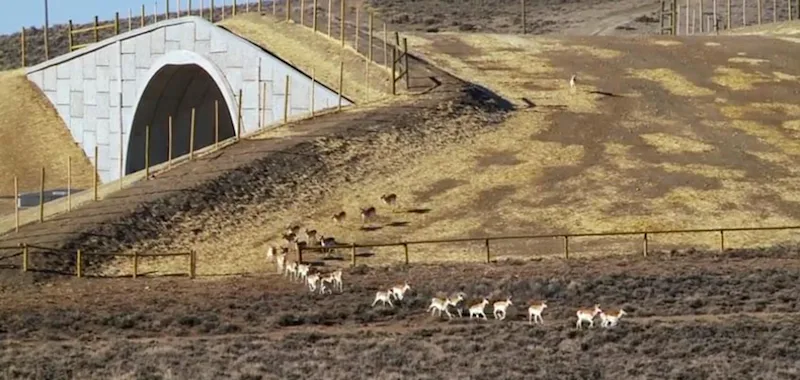
    For nearly 6,000 years, pronghorn have made an annual migration from their summer range around the highlands of Grand Teton National Park to their wintering grounds, located about 170 miles south in the sagebrush-covered Upper Green River Valley near the town of Pinedale, Wyoming.