


Conservation
Savoring and Saving Summer Beaches
Summer will arrive soon, and that means that a lot of you will be thinking about a sunny beach vacation.
Conservation
Summer will arrive soon, and that means that a lot of you will be thinking about a sunny beach vacation.
Conservation
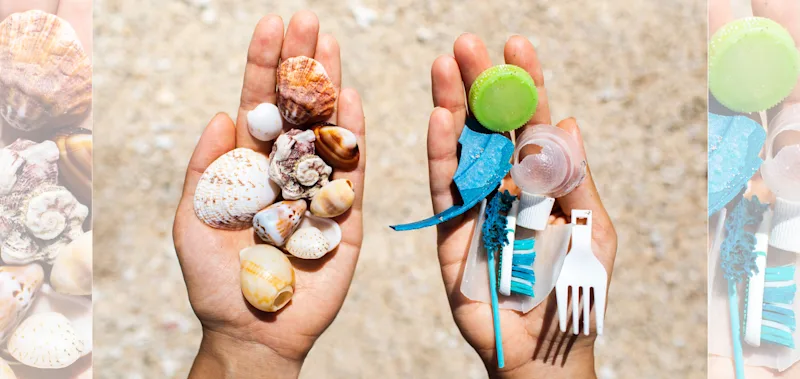
Plastics. It’s almost become an emotionally charged word. Today—no matter how you feel about their use—plastics provide us with both benefits and significant drawbacks. The strengths of plastics include durability, low cost and versatility, which have enabled medical advancements and modern conveniences.
Nature & Wildlife
As someone who cares deeply about the Earth and the natural habitats that it provides, you’ve heard a lot about the 30 x 30 idea—which aims to protect 30% of the planet by 2030—and the similar America the Beautiful plan, with the objective of conserving and restoring 30% of U.S. lands and waters by 2030.
News & More
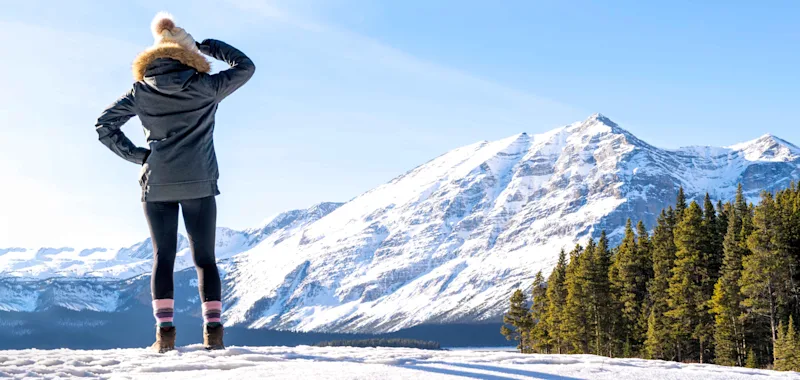
When you’re traveling and going on adventures in the outdoors, there’s nothing more important than having comfortable and durable clothes to wear. It can mean the difference between having a memorable time or a miserable one.
Conservation
“Paper or plastic?” asks the grocery store clerk. For me, that question is never easy. I tend to choose paper when it comes to grocery bags or drinking cups and straws, but I’m finding out that my choices aren’t always the most eco-friendly.
Conservation
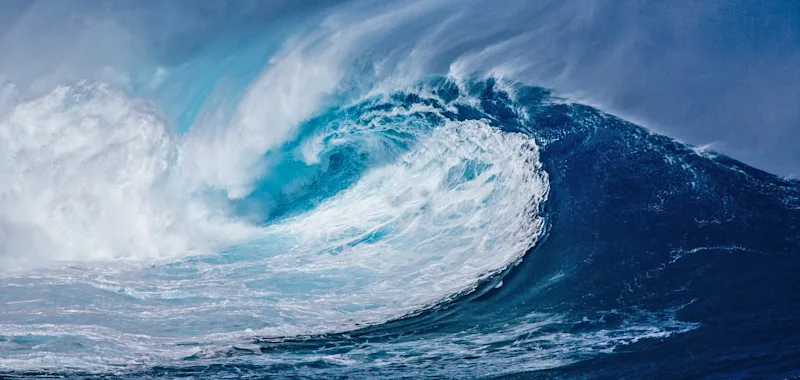
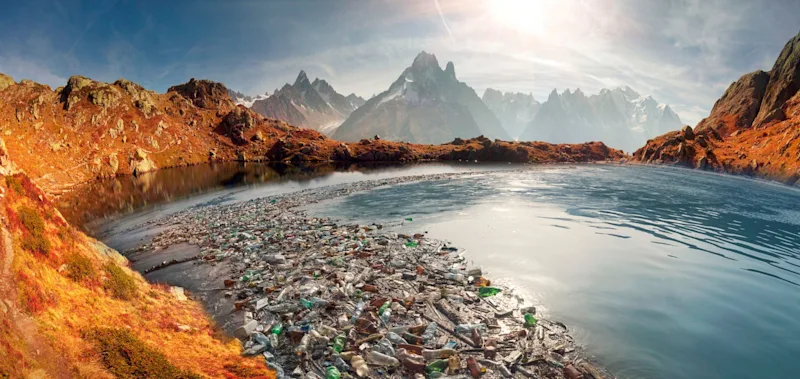
Plastics are the most prevalent type of marine debris found in the Great Lakes and in the oceans. Plastic pollution pieces come in all shapes and sizes, but those that are less than 0.2 inches (or five millimeters) in length—about the size of a sesame seed—are called “microplastics.”
Conservation
In February 2017, residents on the Norwegian island of Sotra found a Cuvier’s beaked whale stranded on a beach in southwestern Norway. It wasn’t the first time this particular 20-foot-long male, who was visibly sick, had gotten stuck in the island’s shallow waters.

News & More
Quiet, small-but-deep Crawford Lake in Canada’s Niagara Escarpment in Ontario may soon become the symbolic starting point for a radical new chapter in Earth’s official history: the Anthropocene, or the Age of Humans.

Conservation
Sometimes the buzzwords, newly coined phrases and terms that scientists use to describe environmental concepts and their research make it hard for us to understand what’s going on in the natural world.

Conservation
Teaching our children to care for the Earth and its many natural habitats is probably the best investment in the future that we could ever make.
Conservation
Wildfires. Global warming. Floods. Pollution. Mass extinctions. With the 24-hour news cycle constantly spouting negative headlines about the state of the planet, it’s easy to feel down, especially during the winter months.
News & More
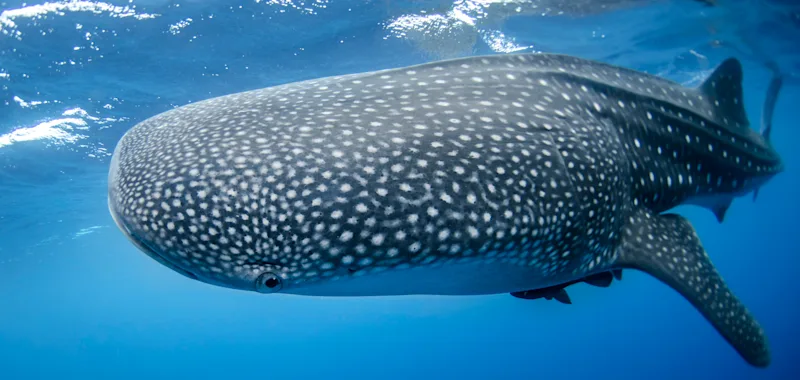
Whale sharks are the biggest fish and shark in the world. Adults can weigh 41,000 pounds and average about 40 feet long, but they may grow as large as 65 feet. According to World Wildlife Fund (WWF), these gentle giants roam all the planet’s tropical oceans, generally alone.