Good Nature Travel Blog

  • African Safaris

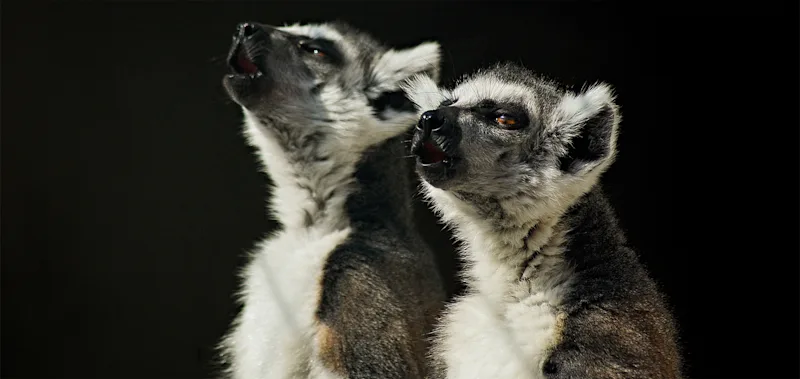
    The Singing Lemurs of Madagascar

    Sep 4, 2026 · Megan Brief

    Often referred to as the “eighth continent,” the island nation of Madagascar has developed its own distinct ecosystems and extraordinary wildlife since it split from the African continent an estimated 160 million years ago. Approximately 95% of Madagascar’s reptiles, 89% of its plant life and 92% of its mammals exist nowhere else on Earth.
  • Nature & Wildlife

    The Balance and Bond of Predators and Prey

    Feb 24, 2026 · Candice Gaukel Andrews

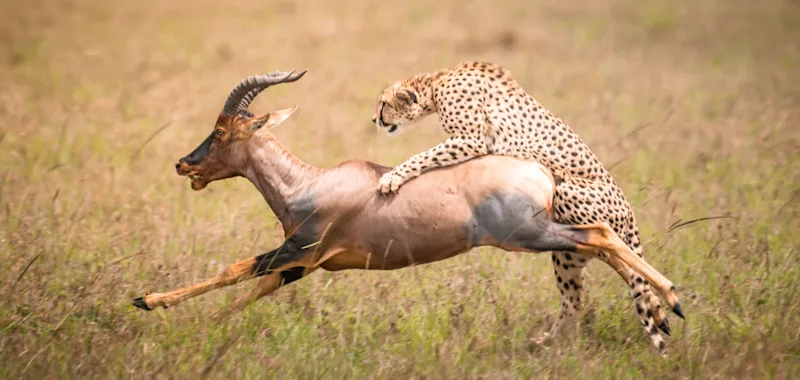
    The predator/prey relationship is an age-old association. Despite that longevity, it can still mystify us. For example, on a remote Alaskan island, gray wolves are rewriting the rule book by hunting sea otters—a behavior few scientists ever expected to see.

  • Conservation

    Saving Species from Extinction

    Sep 23, 2025 · Candice Gaukel Andrews

    Around the world, the variety of living things—defined as biodiversity—is declining, as increasing numbers of species face the risk of extinction.

  • Conservation

    3 Ways to Celebrate International Wolf Day

    Aug 1, 2025 · Lavanya Sunkara

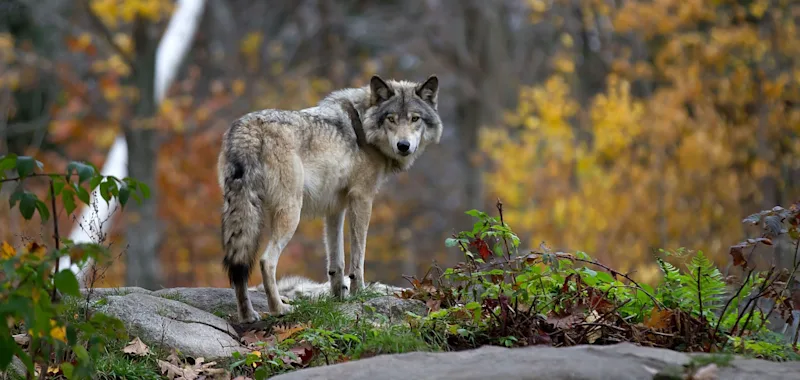
    Like sharks, wolves have an unfair reputation for being villains. Children grow up reading fairy tales about the “big bad wolf.” But in reality, these animals are generally not harmful to humans, as they shy away and avoid any interactions with us.

  • Asia & The Pacific

    4 Ways You Can Help Save Sea Turtles

    Apr 12, 2025 · Sheryl Nance-Nash

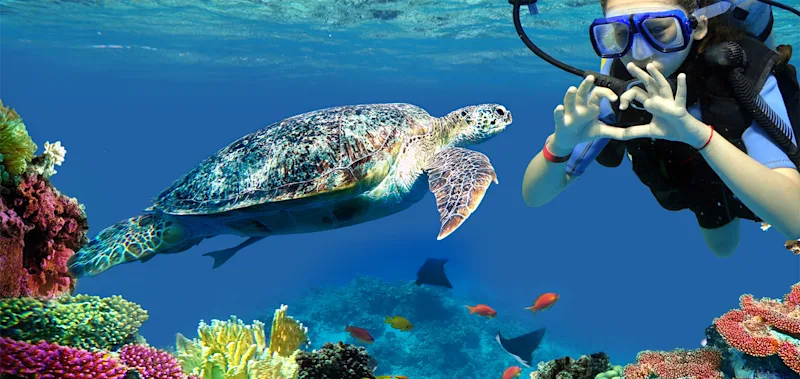
    What is it about sea turtles that makes them so endearing? It is their size? Their age? Their gracefulness in the water? All of these characteristics add to our fascination with these gentle sea creatures, but, additionally, I believe it’s that they’re critical to the health of the world’s oceans.

  • Nature & Wildlife

    Animals Shape the Earth

    Mar 18, 2025 · Candice Gaukel Andrews

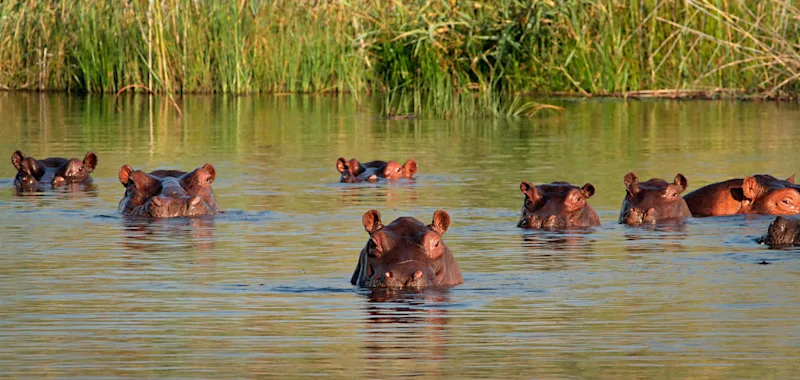
    Wild animals are not just the inhabitants of the natural world—they are its architects. That’s the exciting finding from a new study that reveals how hundreds of species have shaped the landscapes we depend on, from beavers creating entire wetlands to hippos carving drainage systems.

  • News & More

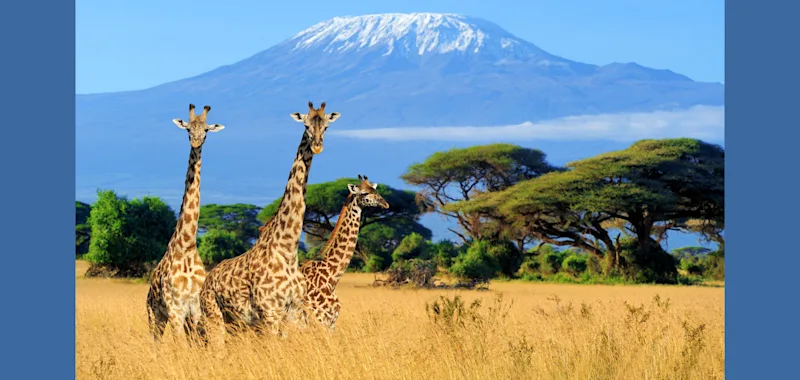
    Giraffes Could Soon Be Listed as Endangered

    Jan 14, 2025 · Candice Gaukel Andrews

    The Earth’s tallest living land animals are in trouble. Giraffes, who reach heights of up to 18 feet, are declining at an alarming rate, and trade in wildlife body parts and anthropomorphic climate change are largely to blame. Surprisingly, though, it’s not the world’s rising temperatures that are putting giraffes in jeopardy.

  • Churchill Polar Bears

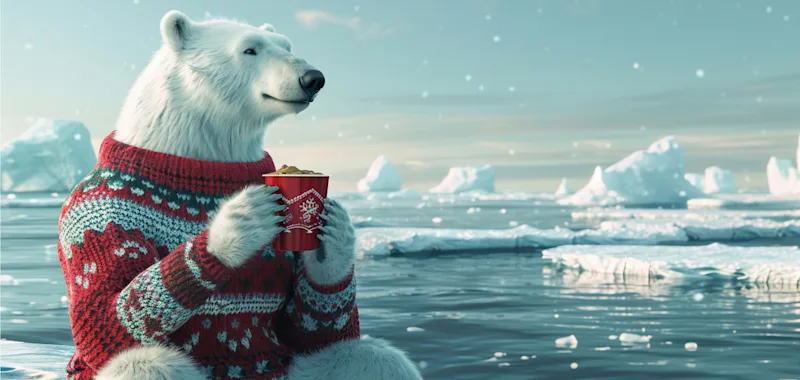
    Polar Bear Paws, Problems and a Promising Plan

    Nov 12, 2024 · Candice Gaukel Andrews

    As the end-of-the-year holidays approach, themes of ice-skating rinks, snowflakes and cute polar bears in sweaters decorate many homes and shops.

  • Conservation

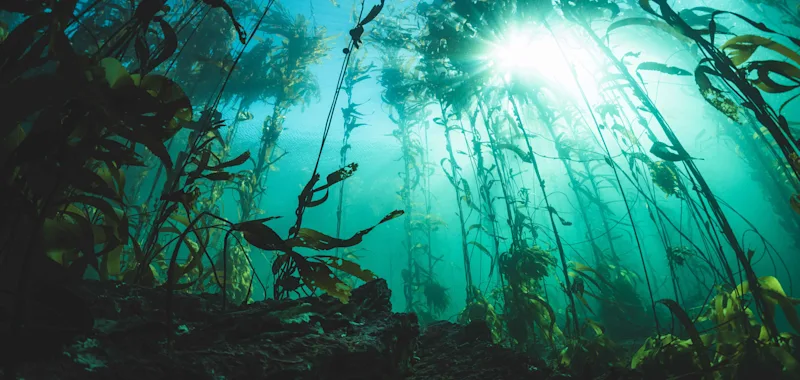
    Kelp: Coastal Sea Otter Help and Patagonia Cold Comfort

    Aug 13, 2024 · Candice Gaukel Andrews

    Found along 25% to 30% of the world’s coastlines, kelp forests are the most extensive marine vegetated ecosystems in the world. A type of seaweed, kelp attaches to rocky surfaces on the ocean floor and—like terrestrial plants and trees—grows upward toward the sunlight. Some experts even call kelp “the sequoias of the sea.”

  • News & More

    Surprising Sharks and Shipwrecks Saving Seas

    Feb 20, 2024 · Candice Gaukel Andrews

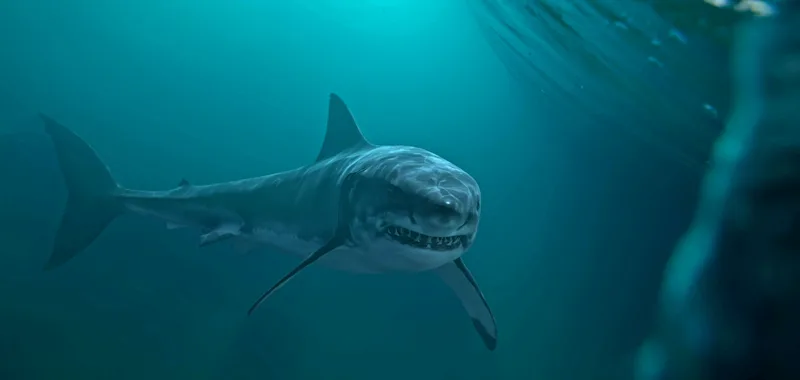
    In the popular and now iconic 1975 movie Jaws, directed by Steven Spielberg, a great white shark attacks swimmers during one summer in the fictional beach town of Amity Island, New York. Because of the film, many people came to fear great whites—with good reason.