Good Nature Travel Blog

  • Nature & Wildlife

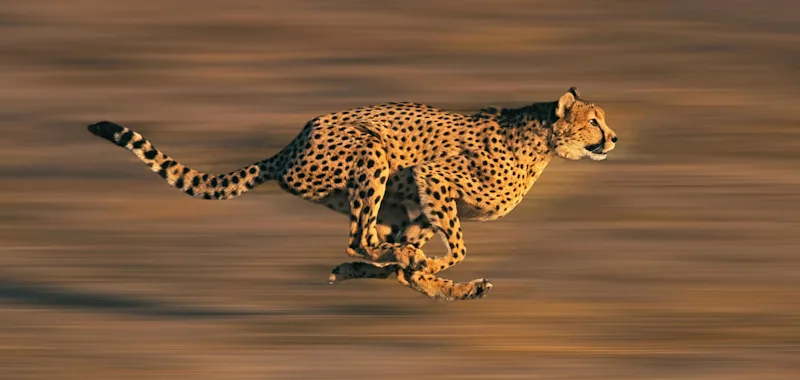
    Animal Sizes: On Continents, on Islands and Over Time

    Aug 4, 2026 · Candice Gaukel Andrews

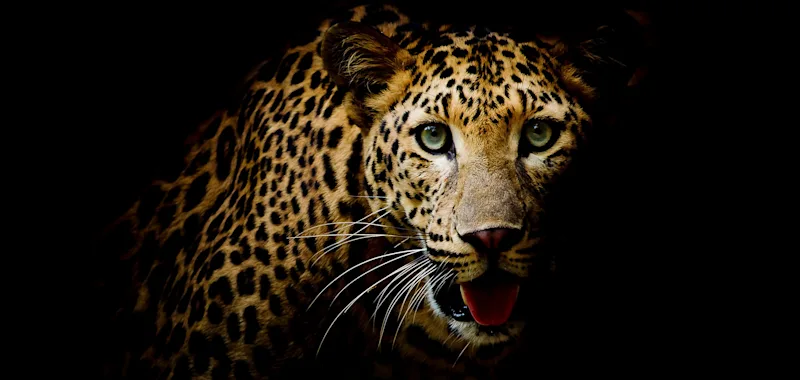
    Some tiny birds on remote Scottish islands are undergoing a dramatic evolutionary transformation. Four isolated populations of British wrens have grown astonishingly large. At the other end of the scale, however, leopards in South Africa’s Cape Floristic Region have become much smaller than most African leopards.
  • Nature & Wildlife

    The Ears of Animals

    Feb 17, 2026 · Candice Gaukel Andrews

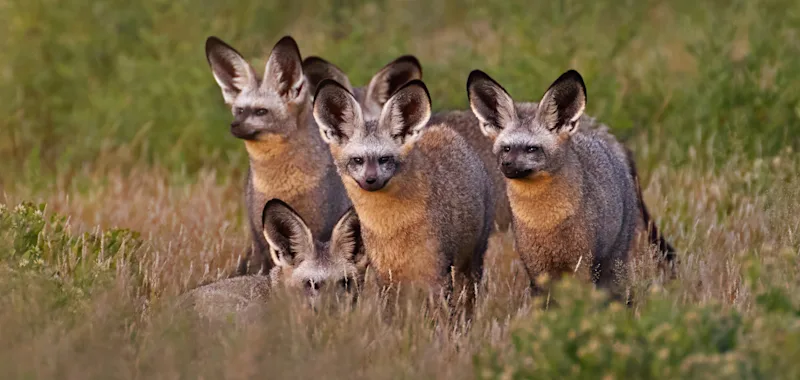
    Because it’s so automatic, hearing is a sense that is often taken for granted. However, it’s a crucial sensory system for humans and other animals, acting as a primary tool for survival by detecting threats, locating food and enabling communication, often functioning even in darkness or over long distances.

  • Nature & Wildlife

    Nature’s Chefs, Dinosaur Drumsticks and Turkey Trots

    Nov 18, 2025 · Candice Gaukel Andrews

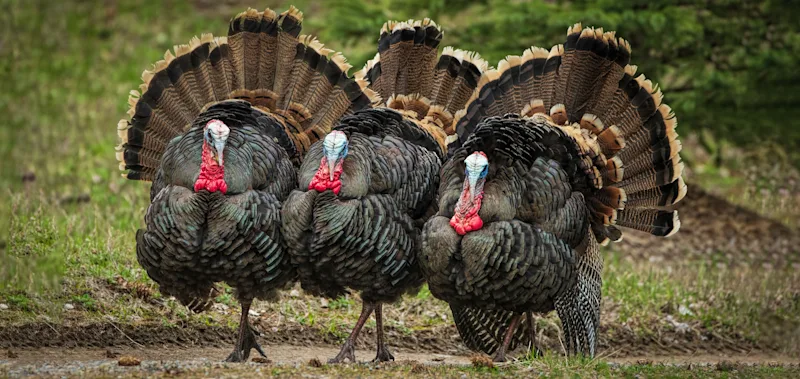
    At the end of the year, many of our holiday celebrations revolve around food, such as a Thanksgiving feast or a Christmas dinner. This food-intensive season reminds me of a new concept in nature studies: “nature’s chefs.” In essence, nature’s chefs are organisms that provide food—or the illusion of food—to other organisms.

  • Nature & Wildlife

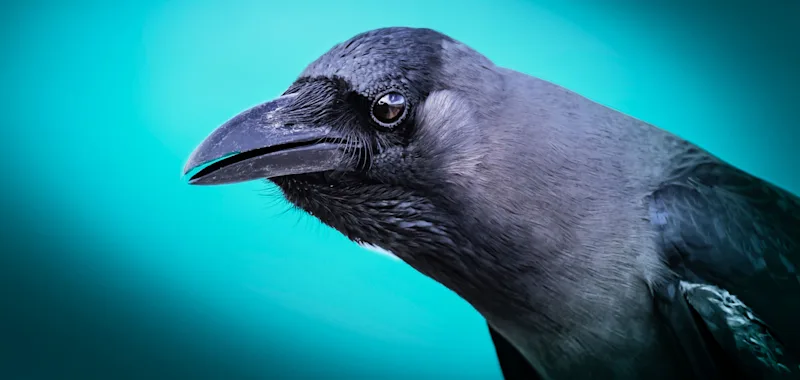
    The Benefits of Being a “Birdbrain”

    Sep 30, 2025 · Candice Gaukel Andrews

    The word birdbrain became a common slang term for a stupid person in the early 20th century. And while it’s still sometimes used as an insult, it’s a misnomer. In fact, the brains of birds are so large (relative to their body size) that scientists say they are practically braincases with beaks.

  • Nature & Wildlife

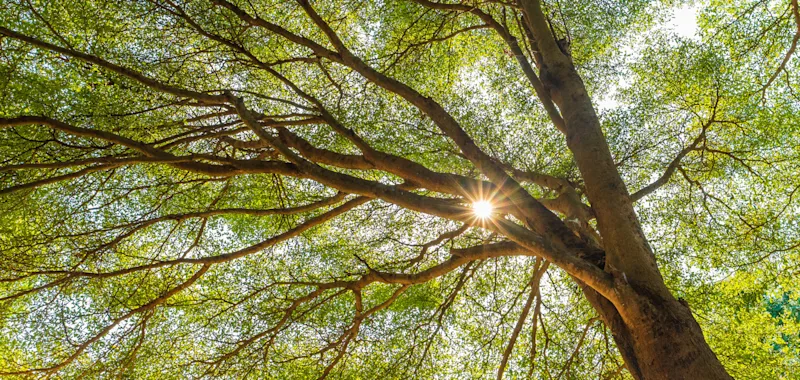
    When We Walked in Trees and in Other, Early Terrains

    Sep 2, 2025 · Candice Gaukel Andrews

    I believe that we are drawn to certain terrains. We know instinctively what landscape feels most like home when we want to wander, whether it’s mountains, seascapes or wide, open ranges. Our inclination for peregrination is old.

  • Nature & Wildlife

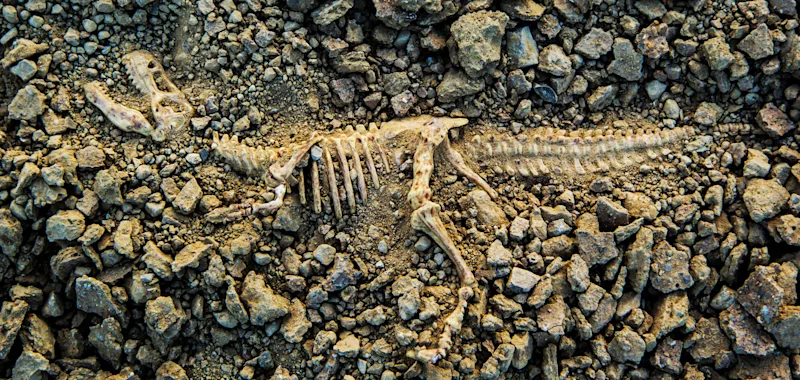
    Fossils: Past Preservers and Future Forecasters

    Jun 17, 2025 · Candice Gaukel Andrews

    Captivating remnants of ancient times, fossils offer a window into Earth’s history and the evolution of life. They document the past, providing clues about extinct species, vanished environments and the processes that shaped our planet.

  • Nature & Wildlife

    When Size in Nature Does—and Doesn’t—Matter

    Oct 15, 2024 · Candice Gaukel Andrews

    You’ve no doubt heard the phrase “size matters,” used today quasi-humorously in almost every imaginable context in which the size of a particular object—animate or inanimate—is discussed. For example, one ESPN Classic article by writer Mike Puma on the racehorse Seabiscuit was titled Size Doesn’t Matter.

  • Nature & Wildlife

    Wildlife Flourishes Inside—and Outside—National Parks

    Sep 12, 2023 · Candice Gaukel Andrews

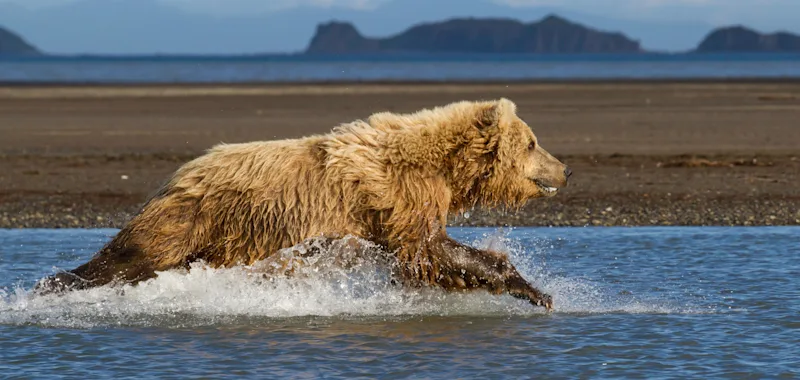
    Our national parks protect some of our nation’s most cherished, iconic and native wildlife species, such as the brown bears of Katmai National Park and the bison—America’s national mammal—of Yellowstone National Park. But, according to some, there’s a dark side to that safety.

  • Nature & Wildlife

    Among the World’s Animals, We’re Not That Exceptional

    Aug 8, 2023 · Candice Gaukel Andrews

    Growing up, you probably learned some version of the following: in the animal kingdom, humans are exceptional and unique. Among the one-of-a-kind qualities that we possess are a higher intelligence than all the other creatures on the planet, the ability to use tools and empathy.

  • Nature & Wildlife

    Feathers, Hair or Scales: Not Much Difference

    Jul 18, 2023 · Candice Gaukel Andrews

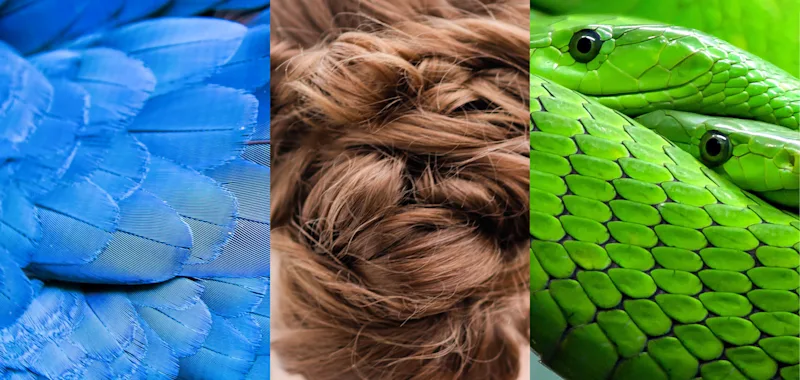
    Feathers, hair and scales. While it might seem that there’s a lot of difference between these natural “coverings” on animals, they have more in common than you’d probably think. Despite their multitude of forms, all three of these vertebrate skin appendages share early developmental processes at the embryonic stage.