Good Nature Travel Blog

  • Nature & Wildlife

    The Many Animals Who Use Tools

    Jul 21, 2026 · Candice Gaukel Andrews

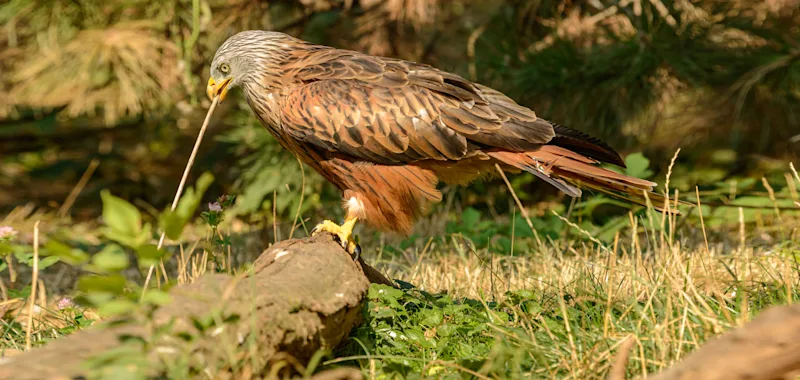
    Tool use isn’t unique to humans. Various species across the animal kingdom, including birds, insects and mammals, exhibit the behavior. For example, sea otters use stones to crack open shellfish, while crows modify twigs to probe for hidden prey—and even have been observed using cars to crack open nuts.

  • Nature & Wildlife

    Hot Holiday Travels and Awkward Family Reunions

    Nov 25, 2025 · Candice Gaukel Andrews

    Right now, as you’re probably finalizing your plans for the end-of-the-year holidays, there are some new developments in travel—and family get-togethers—that I think you might find interesting.

  • Nature & Wildlife

    Biodiversity and Building Better Cities

    Nov 4, 2025 · Candice Gaukel Andrews

    I like to think of biodiversity as a symphony orchestra, where each note, each instrument—every single part—is needed to make the whole. In the concert called “biodiversity,” then, every species, from microscopic life to towering trees and vast oceans, plays a vital role.

  • Nature & Wildlife

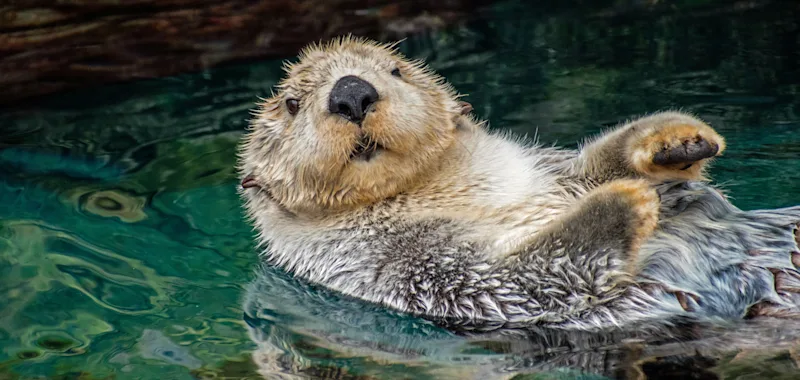
    Celebrating Sea Otters

    Sep 16, 2025 · Candice Gaukel Andrews

    Sea otters can be a powerful ally in confronting climate change, according to the Monterey Bay Aquarium in California. In places where they’re thriving, they can maintain and restore kelp forests and coastal wetlands, strengthening our natural defenses against the worst impacts of a warming world.

  • Nature & Wildlife

    Our Impacts on the Natural World

    Aug 19, 2025 · Candice Gaukel Andrews

    Our impacts on the natural world can be very large—and often detrimental. This manifests in various ways, including in biodiversity loss, climate change, habitat destruction and pollution. These changes can have cascading effects on ecosystems and human societies, leading to a range of challenges.

  • Nature & Wildlife

    Fossils: Past Preservers and Future Forecasters

    Jun 17, 2025 · Candice Gaukel Andrews

    Captivating remnants of ancient times, fossils offer a window into Earth’s history and the evolution of life. They document the past, providing clues about extinct species, vanished environments and the processes that shaped our planet.

  • Conservation

    AI Advances and Robotic Strides in Conservation

    May 21, 2024 · Candice Gaukel Andrews

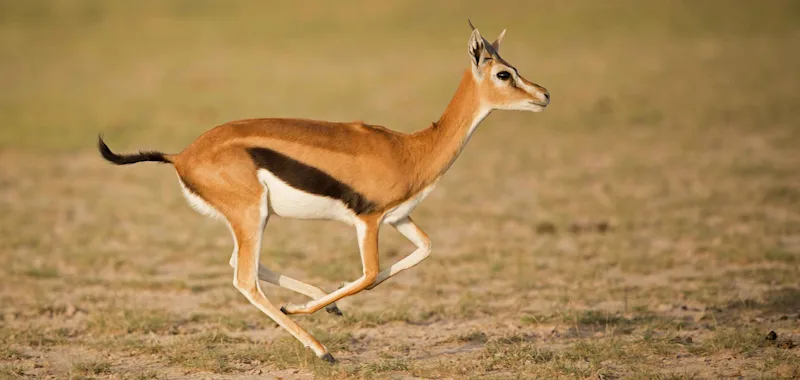
    The grace of a running gazelle, the majesty of a migrating herd of wildebeests, the elegance of an outstretched wing in flight or the grand glissades of massive glaciers. These are nature’s lissome movements. There’s nothing else like them.

  • Nature & Wildlife

    A Myriad of Mothering Styles from the Animal Kingdom

    May 7, 2024 · Candice Gaukel Andrews

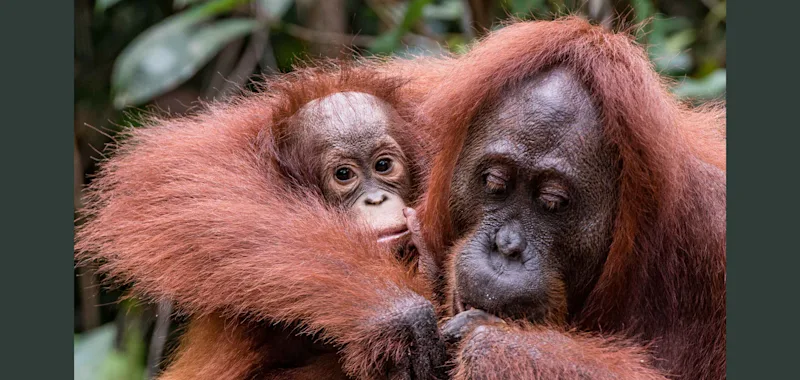
    When you think of your mother, a warm memory probably pops up of her being there when you needed a hug, lending an ear when you wanted to talk, or standing up for you when you required a hero.

  • Nature & Wildlife

    Coastal Wolves and Their Surprising Catches

    Dec 5, 2023 · Candice Gaukel Andrews

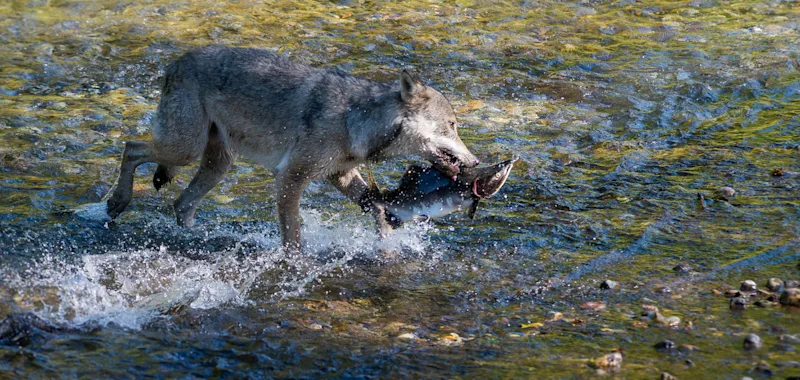
    Wolves are probably one of the most widely studied species on the planet. What’s fascinating, though, is that just when we think we know almost everything there is to know about them, they find a way to surprise us. It’s estimated that 2 million wolves once roamed freely throughout North America.

  • Conservation

    The Endangered Species Act’s 50th Birthday: Doing Even More

    Nov 7, 2023 · Candice Gaukel Andrews

    On December 28, 1973, the Endangered Species Act (ESA) was signed into law. We’ll soon be celebrating the 50th anniversary of this landmark conservation legislation, which has saved hundreds of animals that once wavered on the brink of extinction.

  • Conservation

    Plants Could Solve the Microplastics Problem

    Sep 5, 2023 · Candice Gaukel Andrews

    Plastics are the most prevalent type of marine debris found in the Great Lakes and in the oceans. Plastic pollution pieces come in all shapes and sizes, but those that are less than 0.2 inches (or five millimeters) in length—about the size of a sesame seed—are called “microplastics.”