Good Nature Travel Blog

  • Conservation

    Salmon-Fed Flowers, Sockeye-Rich Shores and Self-Aware Fish

    Mar 7, 2023 · Candice Gaukel Andrews

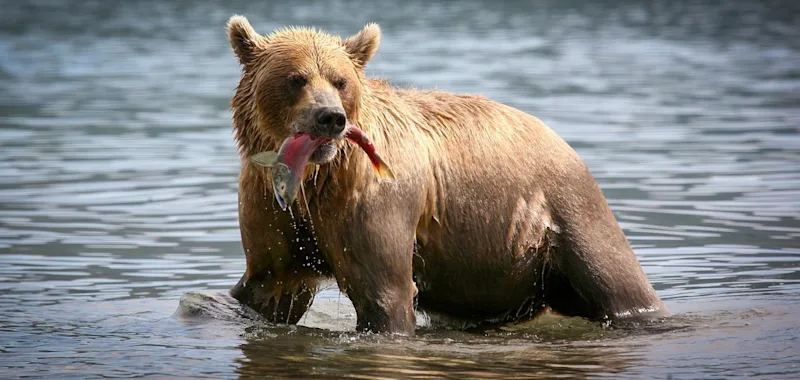
    Although sometimes heart-wrenching to discover on our nature outings, the animal carcasses that we may come across play an important role in the functioning of healthy ecosystems. The animal remains not only provide food for many carrion-eating species, their nutrients also contribute to the significantly increased growth of surrounding plants.
  • Nature & Wildlife

    Fjords Play a Big Role in Storing CO2

    Jan 17, 2023 · Candice Gaukel Andrews

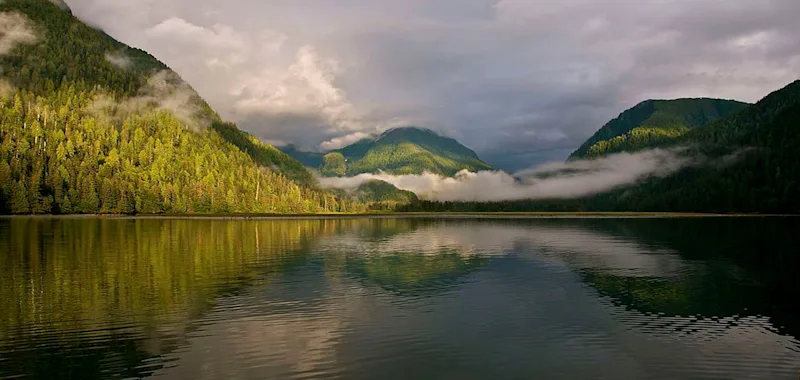
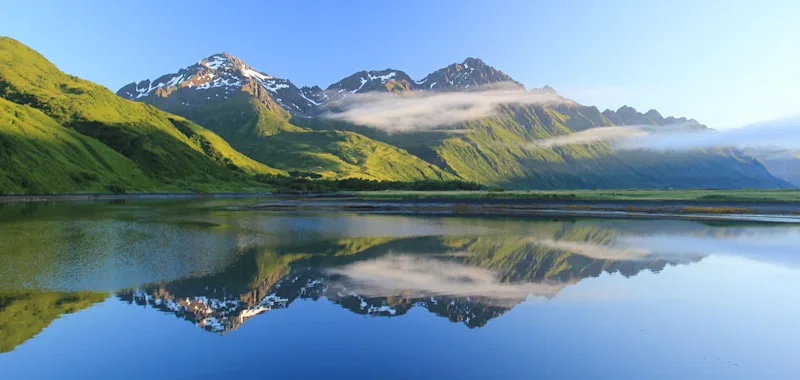
    Long, deep and usually surrounded by breathtaking cliffs, a fjord begins as a U-shaped trough, gouged out by an advancing glacier. When the glacier retreats, rising seas enter these trenches, eventually forming finger-shaped, steep-sided inlets, commonly more than 1,000 feet deep.

  • Nature & Wildlife

    Holidays 2022: Tree Revelations and Reindeer Rebound

    Dec 13, 2022 · Candice Gaukel Andrews

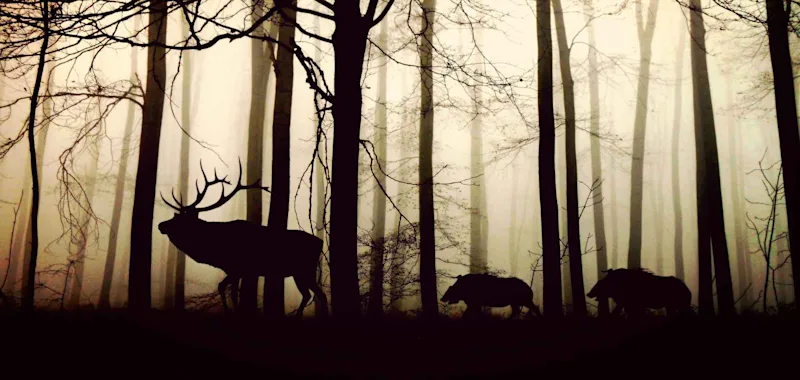
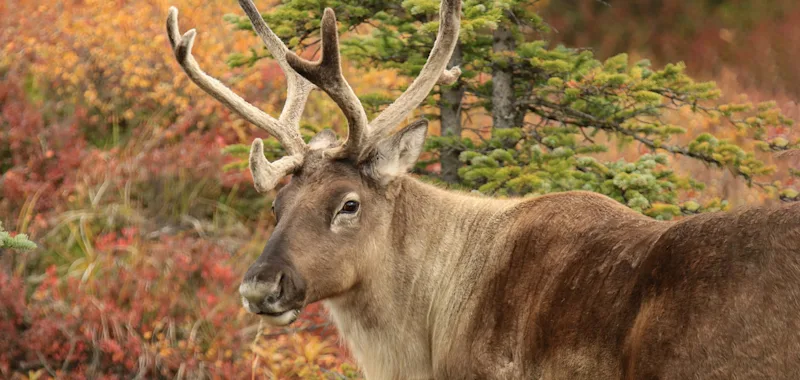
    Throughout time, reindeer have been used for economic purposes by various circumpolar peoples, including the Chukchi, Evenks, Khants, Nenets and Sami. Long heralded for their dependable and docile natures and their dexterity in a range of tasks, reindeer were even widely used during World War II by the Soviet forces to help transport injured soldiers.

  • Alaska

    Sharing Salmon: Bears and People

    Oct 25, 2022 · Candice Gaukel Andrews

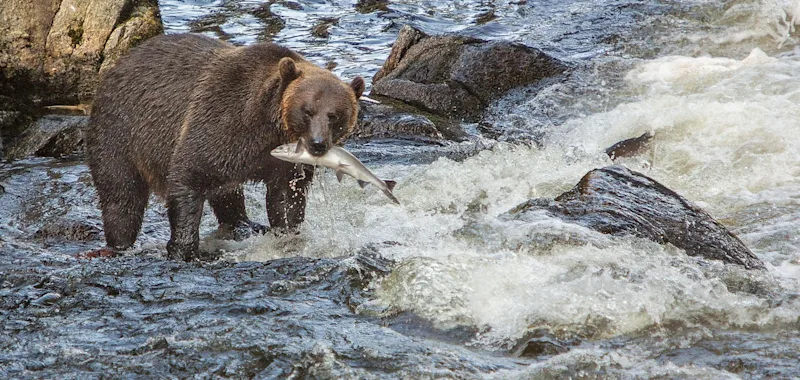
    Fat Bear Week recently announced the 2022 champion: 747 (aka “Bear Force One”).

  • Canada & the North

    The Ancient Trees of British Columbia’s Great Bear Rainforest

    Jun 6, 2022 · Michelle Peters

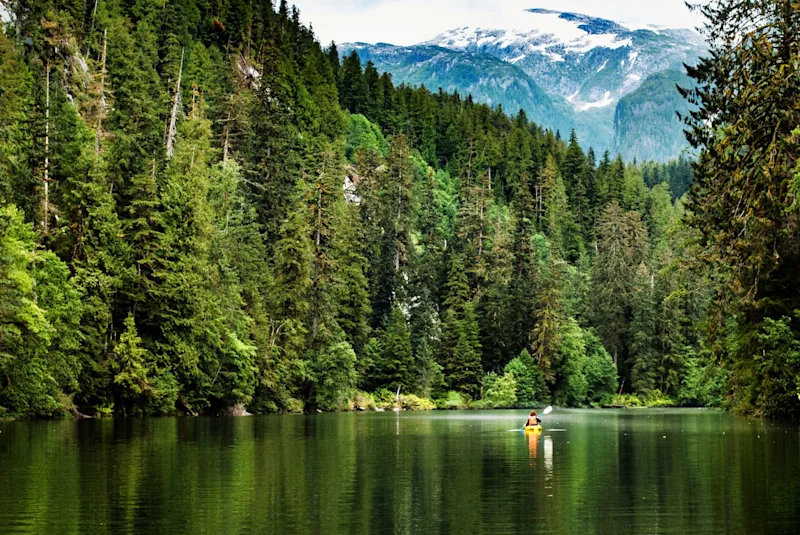
    Within a 250-mile stretch of British Columbia’s central and northern coast, some of Earth’s oldest and tallest trees reach for the sky. Covering 21 million acres, the expansive Great Bear Rainforest—which stretches from the Knight Inlet of British Columbia’s Inside Passage to the Alaska Panhandle—is home to thousand-year-old red cedars and towering Sitka spruce trees.

  • Nature & Wildlife

    Nat Hab’s Bear Adventures Around the Globe

    May 11, 2022 · Michelle Peters

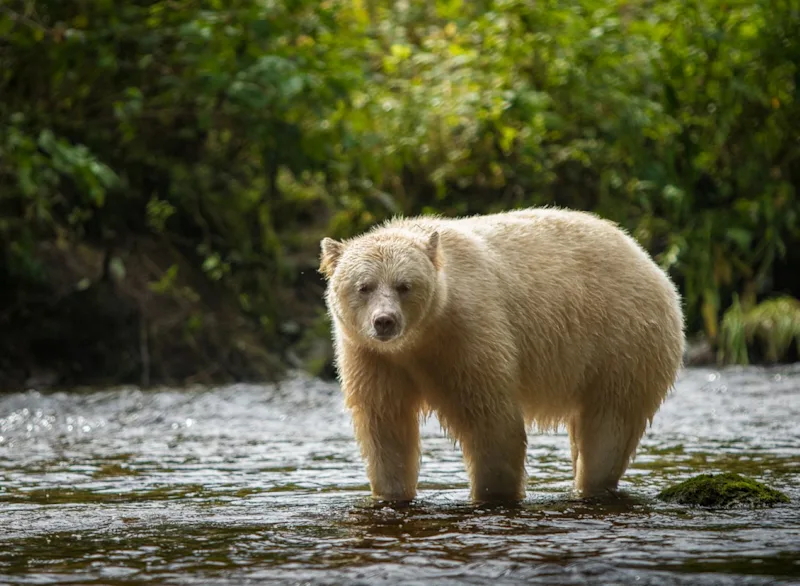
    What do a sun bear, a sloth bear and a polar bear have in common? Despite living in vastly different habitats—think lush tropical jungles versus barren Arctic tundra—they do have some similarities. Learn what those common threads are on Nat Hab bear-focused expeditions from Alaska to South Asia, Churchill to China.

  • Latin America

    Found: Fishing Jaguars in Brazil’s Phenomenal Pantanal

    Apr 5, 2022 · Candice Gaukel Andrews

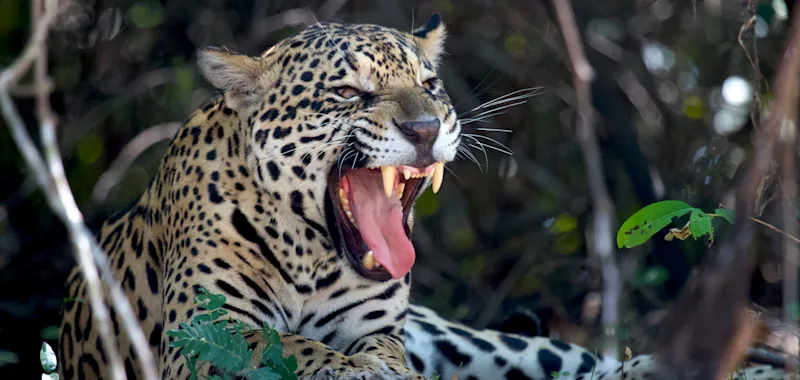
    At more than 81,000 square miles—greater than 10 times the size of Florida’s Everglades—the Pantanal, located mostly in Brazil, is the largest tropical wetland and one of the most pristine in the world. This seasonally flooded plain is fed by tributaries of the Paraguay River and is one of the planet’s most productive habitats.

  • Conservation

    Parks, People, a Pandemic and Problem-Solving

    Sep 14, 2021 · Candice Gaukel Andrews

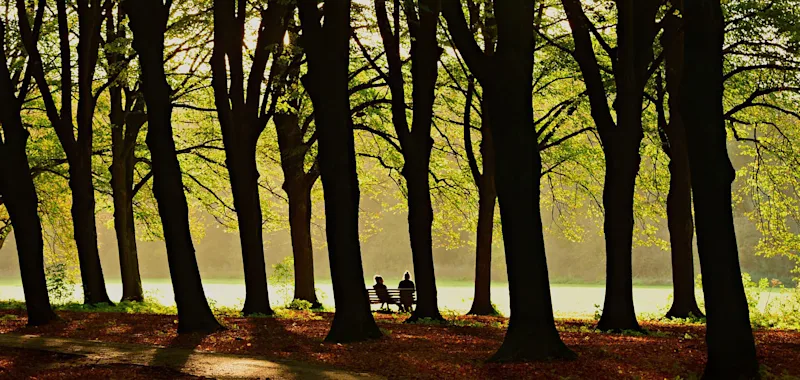
    Being able to get away to a park—whether national, state or local—played an important role in mental and physical health for a lot of us during the first months of the worldwide COVID-19 pandemic. And as we still struggle with the disease and all its new variants, parks still do.

  • News & More

    Good News: Pikas Now Predicted to Persist

    Sep 7, 2021 · Candice Gaukel Andrews

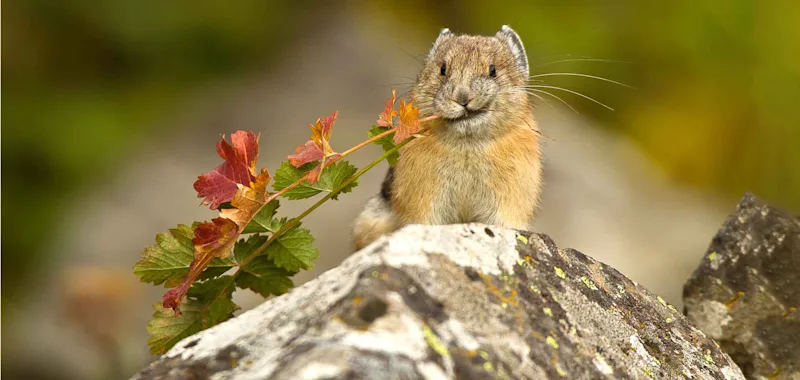
    A relative of rabbits, tiny, cute and charismatic American pikas typically live in cool, mountain environments and find refuge from the hot sun under boulders and rocks.

  • Videos

    Video: Anna’s Hummingbirds, from Nestlings to Fledglings

    Jun 4, 2019 · Candice Gaukel Andrews

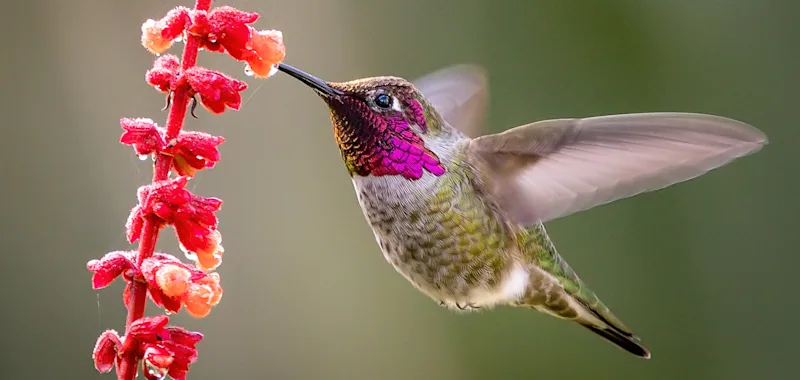
    Common in the wild as well as in urban and suburban settings, Anna’s hummingbirds seem to have figured out the secret to expanding their ranges and how to thrive in what can sometimes be a hostile world for anything wild.