Rhinos Without Borders Attempts Massive Rhino Relocation
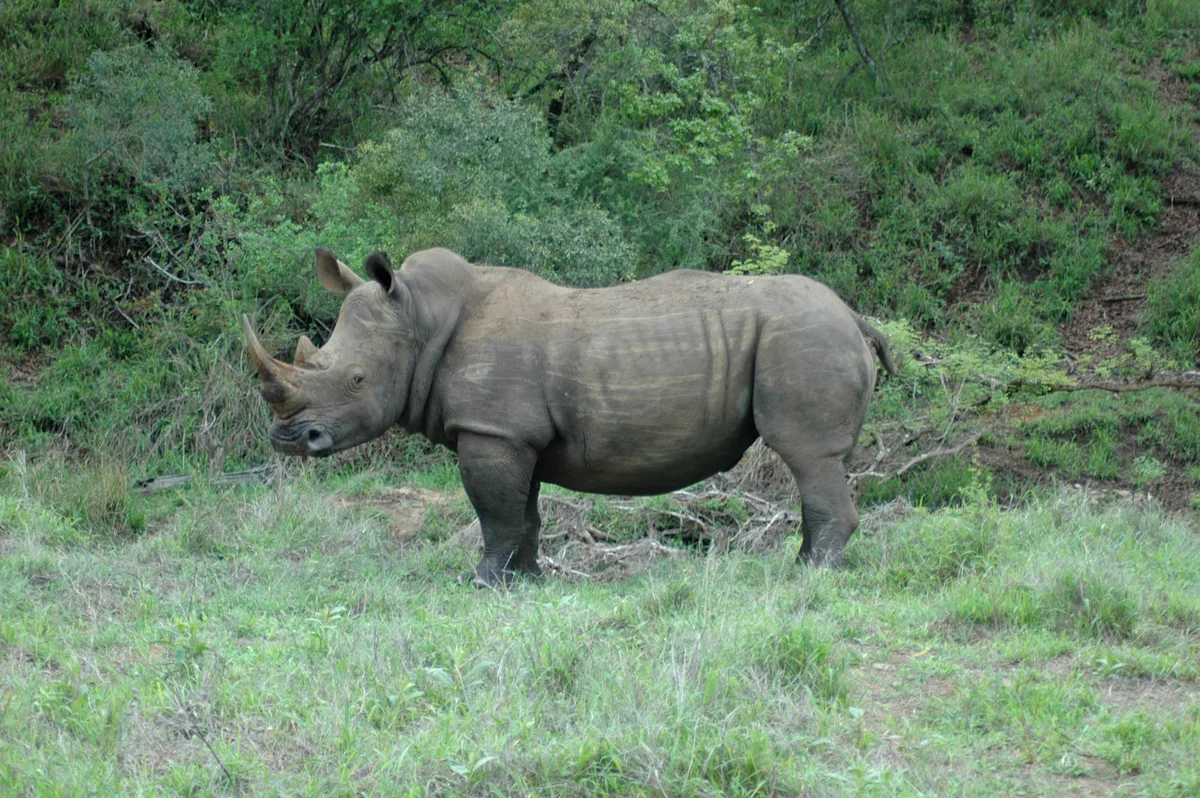
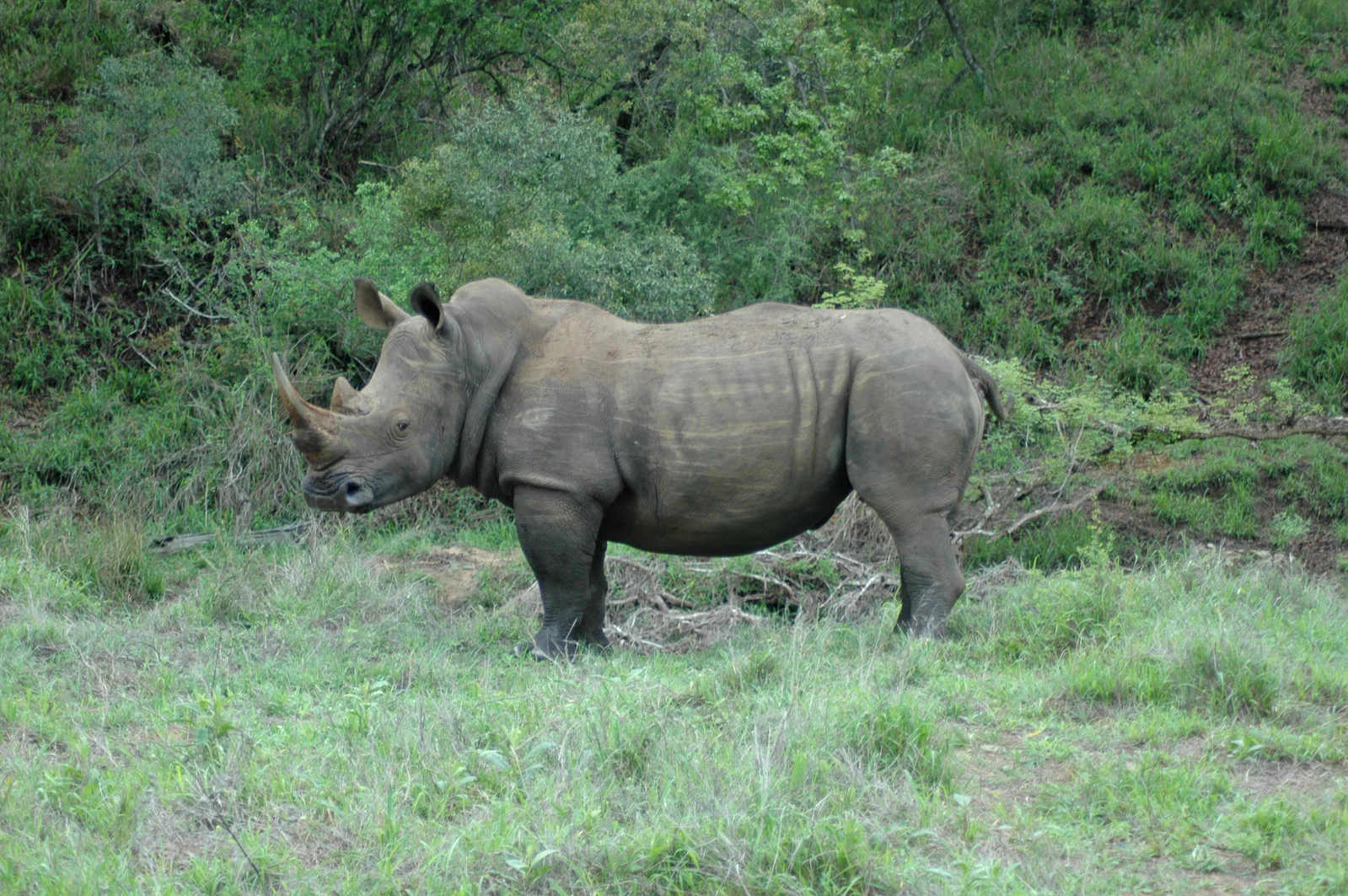
The rhinos of Africa are faced with a sad reality. Every seven hours a rhinoceros life is taken by poachers, and without the help of conservation efforts, the two African rhino species face the very real possibility of extinction. In order to combat the loss of these titans of the savanna, conservationists plan to move black and white rhinos from heavily poached areas of South Africa to safer areas of Botswana. Rhinos Without Borders, opens in new tabwas able to successfully relocate six rhinos from South Africa’s Phinda Private Game Reserve to Botswana in 2013. Following that success, the organization, lead by &Beyond and Great Plains Conservation, is currently in the process of preparing for the relocation of 100 rhinos into Botswana’s secure wildlife preserves. The first 10 rhinos are scheduled to be relocated in January of 2015.
Both black and white rhino have been in serious jeopardy in Botswana since the late 1970s. The black rhino (diceros bicornis) was previously confined to the Kwando-Chobe area, while the white rhino (ceratotherium simum) had been common throughout the open areas of Botswana until the mid 20th century. Because of rampant poaching and illegal selling of horns, a survey in 1992 showed that only 19 white rhino were still to be found in Botswana, while the black rhino was classified as “locally extinct”.
The Wilderness Wildlife Trust, opens in new tabbegan the Botswana Rhino Relocation and Reintroduction Project in 2001 to bring the animal back to Botswana. They were able to move 32 white rhino into the Mombo Camp, opens in new tab area of the Moremi Game Reserve within the greater Okavango Delta ecosystem, and in 2003, two breeding pairs of black rhinos were reintroduced as well. In 2004, the first white rhino calf in almost 15 years was born in Botswana, and in 2009, the first black rhino calf was discovered. The rhinos are closely monitored by Botswana’s Department of Wildlife in partnership with the Botswana government, and the populations continue to increase in number today.
Looking to see rhinos in the wild? Check out one of these camps: Duba Expedition Camp, opens in new tab, Selinda Camp, opens in new tab or Zarafa Camp, opens in new tab