Good Nature Travel Blog

  • Conservation

    Tigers and Jungle Scenes Decorate Indian Train Station to Inspire Conservation

    Jul 18, 2016 · Julie Waggoner

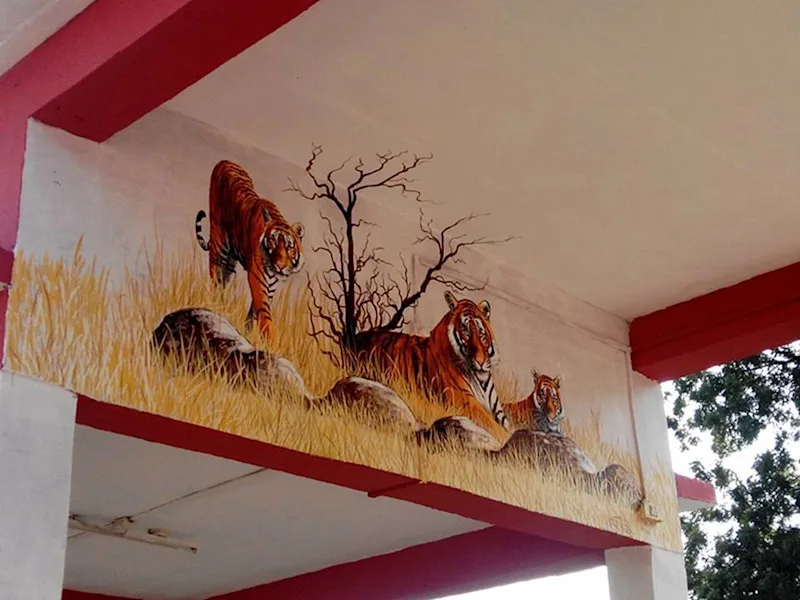
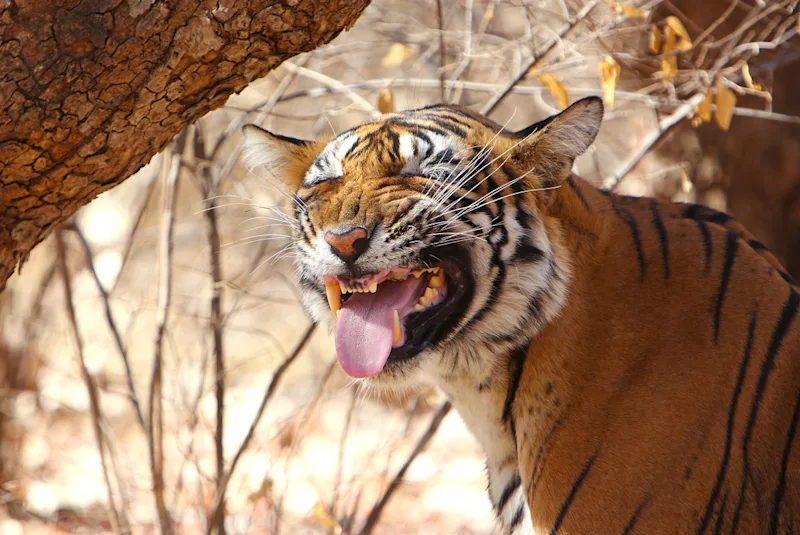
    The hundreds of thousands of tourists who pass through Sawai Madhopur on their way to search for tigers in the famous Ranthambore National Park and Tiger Reserve in eastern Rajasthan now have something more interesting to look at as they exit the train from New Delhi.
  • Conservation

    Assam State in India Takes New Steps to Stop Rhino Poaching

    Jul 2, 2016 · Julie Waggoner

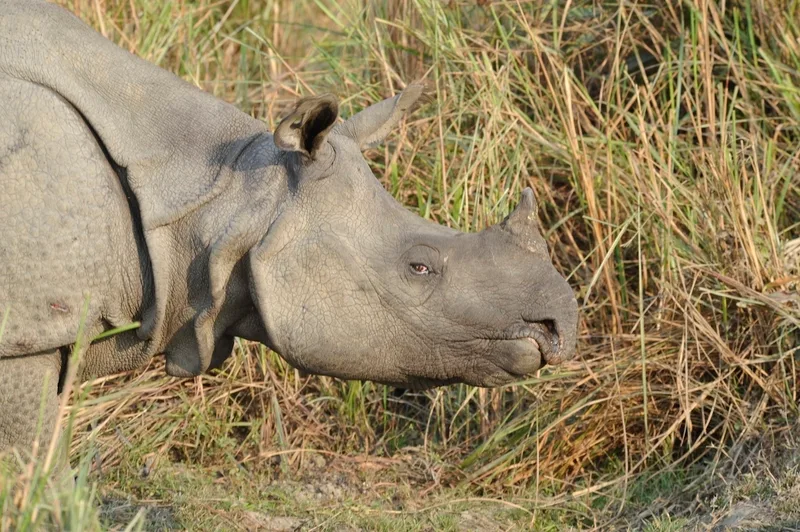
    In the northeast Indian state of Assam the newly elected government this month announced plans to crack down on poaching of one-horned rhinos in the area. Kaziranga National Park in Assam is home to the world’s largest population of rare and endangered one-horned rhinos.

  • Nature Photography

    Wildlife Photo of the Week: Ranthambore Tiger

    Jun 24, 2016 · Kendal Bower

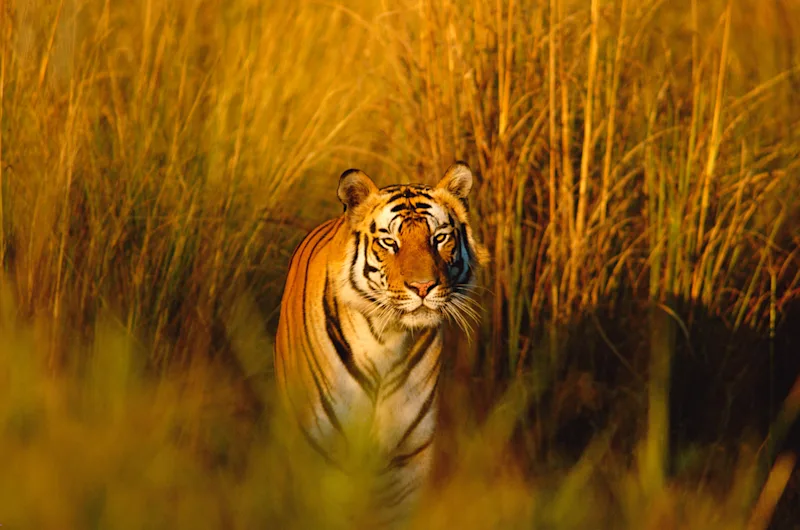
    Every Friday, we choose our favorite photo of the week from our Wildlife Photo of the Day website. This week we selected a tiger in India. Photographer Marion Fauchart Jocher took this photo while visiting Ranthambore National Park. This tiger began marking trees after smelling another female in her territory.

  • Nature Photography

    Wildlife Photo of the Week: Tiger Eyes

    Jan 15, 2016 · Kendal Bower

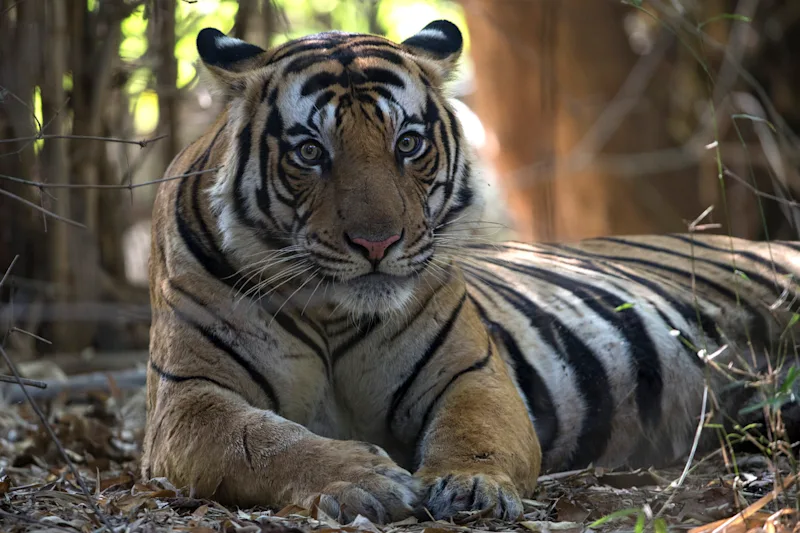
    Every Friday we choose our favorite photo of the week from our Wildlife Photo of the Day website. This week we chose this majestic tiger in India. Photographer Ranjan Ramchandani captured the tiger’s intense gaze in a dense part of the forest in Bandavgarh National Park. Have you taken some amazing wildlife photos during your travels?

  • News & More

    Human-Wildlife Conflict and Malheur National Wildlife Refuge

    Jan 5, 2016 · Candice Gaukel Andrews

    I heard about another act of wildlife poaching this morning. Only this time it wasn’t African elephants or Indian tigers or Indonesian rhinos. It was in the U.S., and it involved deer. The poachers have been sentenced to five-year terms and have turned themselves in for transport to prison today, January 4, 2016.

  • Travel Tips

    5 Iconic At-Risk Species (And Where to Travel to See Them)

    Jul 15, 2015 · Natural Habitat Adventures

    This is a guest post by Matt Kareus, Editor in Chief of The Safarist and About Galapagos, and Executive Director of the International Galapagos Tour Operators Association. Many of our planet’s most iconic species are reeling from the effects of climate change, habitat loss, the rapidly growing illegal wildlife trade, and other serious threats.

  • Nature Photography

    Wildlife Photo of the Week: Queen of Ranthambore

    May 29, 2015 · Kendal Bower

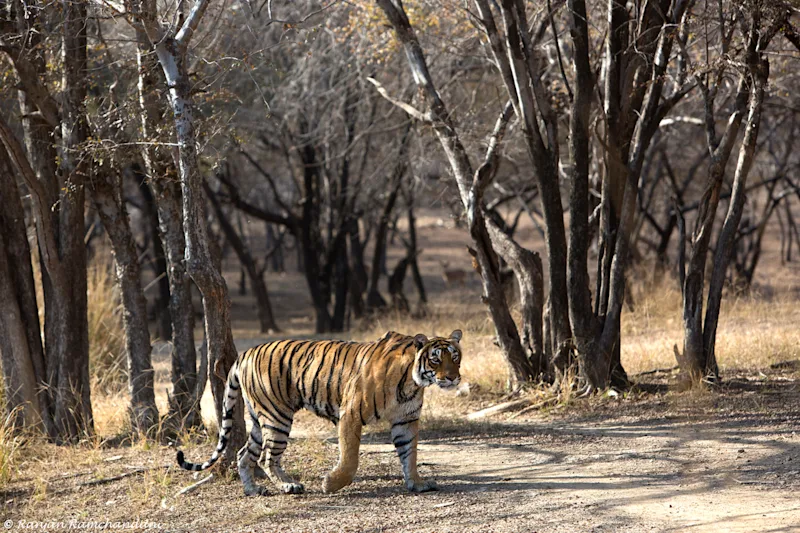
    Every Friday we choose our favorite photo of the week from our new Wildlife Photo of the Day website. This week we chose this majestic tiger in Ranthambore National Park, India. Photographer Ranjan Ramchandani says this tigress, named Krishna, had lured away a male tiger who had come too close to her cubs.

  • Conservation

    Should We Vaccinate Wild Animals for Canine Distemper Virus?

    Feb 17, 2015 · Candice Gaukel Andrews

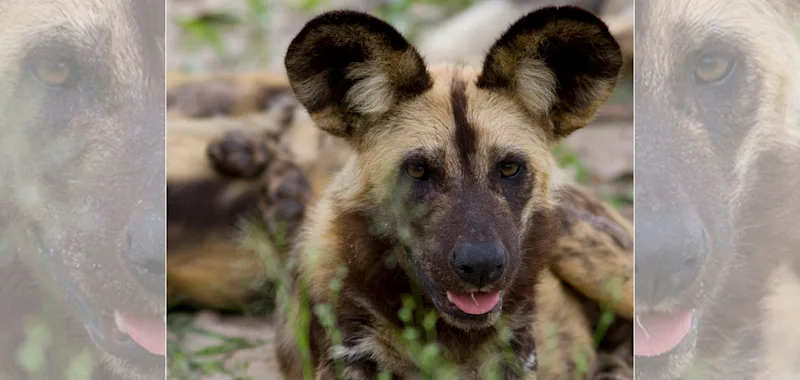
    The world’s tigers face considerable threats today: poaching, habitat loss, depletion of their prey and retaliatory kills by humans when the big cats take livestock. But now, a new threat has surfaced: the canine distemper virus (CDV).

  • News & More

    New in 2015: More Tigers with Fewer Crowds in India

    Jan 7, 2015 · Maddi Higgins

    We revamped our Grand India Wildlife Adventure for the new year! Immerse yourself in a preview of what our trip holds as you flip through the colorful pages of our 2015 travel catalog. If you don’t have one yet, order your free copy here.

  • Conservation

    When Going Green Isn’t Good: Climate Change and the Green Revolution

    Dec 16, 2014 · Candice Gaukel Andrews

    Feeding the world’s population in the coming years is going to be a challenge. The United Nations estimates that by 2100, there will be an average of 11 billion people on Earth; that’s 4 billion more than there are today. Several solutions have been suggested, such as farming and eating insects.