Good Nature Travel Blog

  • Conservation

    Plastics and PCBs: Ocean Pollutants Causing Big Problems

    Aug 27, 2019 · Candice Gaukel Andrews

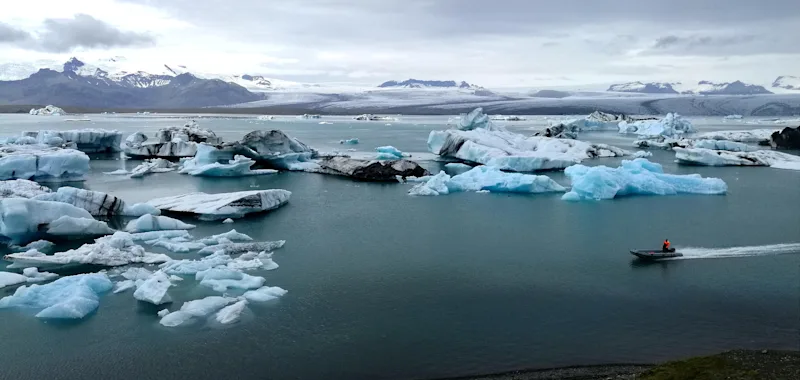
    More than eight million tons of plastic debris end up in our oceans every year. Present in nearly every oceanic layer, plastic garbage today accounts for nearly 80 percent of all waste found in our oceans.
  • Conservation

    New "Ghost Forests” Are a Sign of Climate Change

    Aug 20, 2019 · Candice Gaukel Andrews

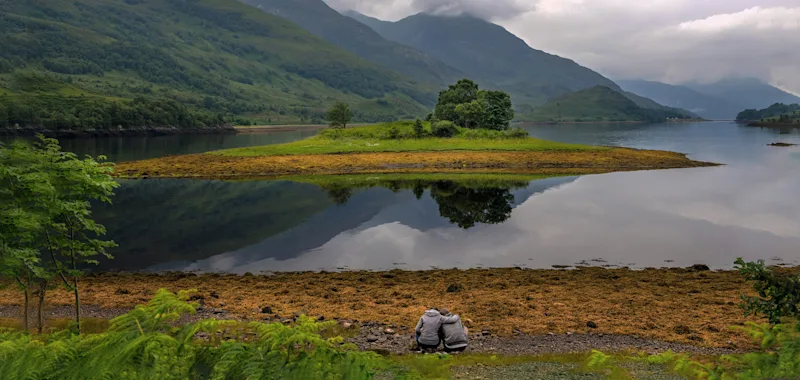
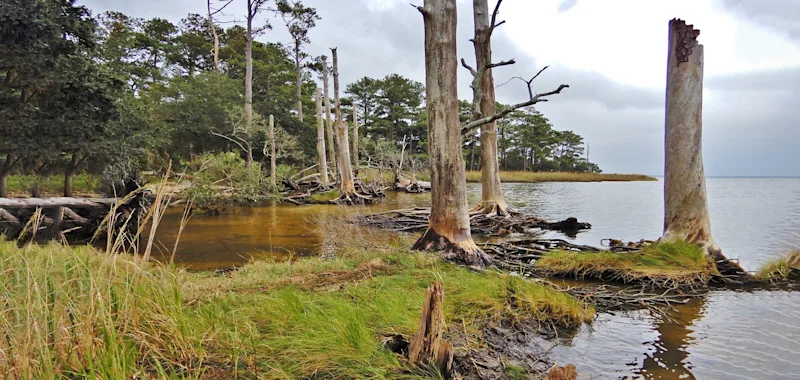
    Now, at the end of August, you may think that it’s about two months too early to talk about “ghost forests.” But, in fact, they have nothing to do with Halloween—and everything to do with rising sea levels.

  • Churchill Polar Bears

    Black, Grizzly and Polar Bears Now All Found in Churchill

    Jul 30, 2019 · Candice Gaukel Andrews

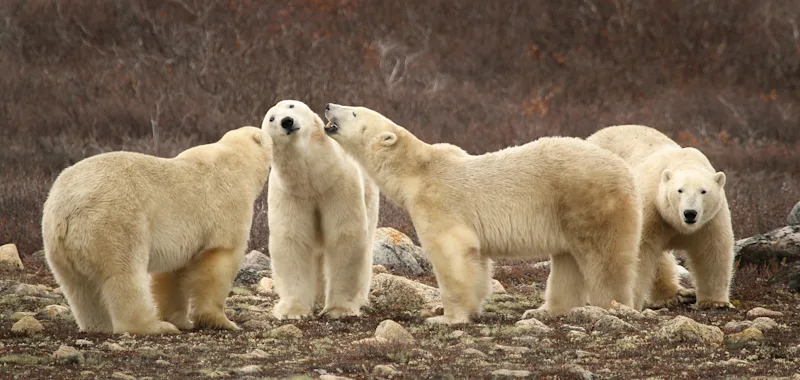
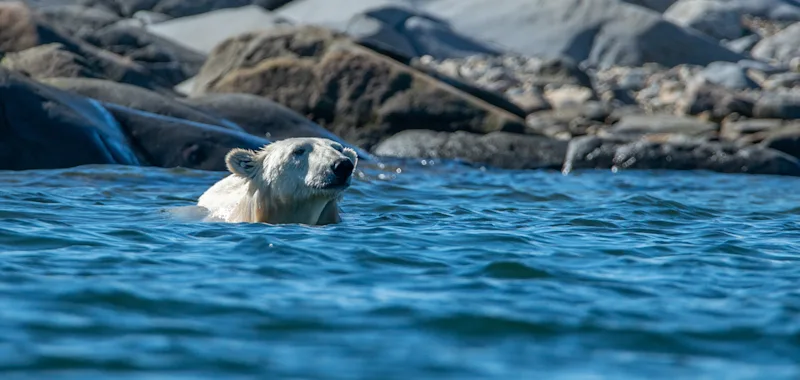
    For the first time, North America’s three bear species—black, grizzly and polar—have been documented sharing the same spot. And that spot happens to be one that is very dear to Natural Habitat Adventures and its travelers: Churchill, Manitoba, Canada, our polar bear tour headquarters.

  • Churchill Polar Bears

    What Do Polar Bears Eat?

    Jun 15, 2019 · Emily Goodheart

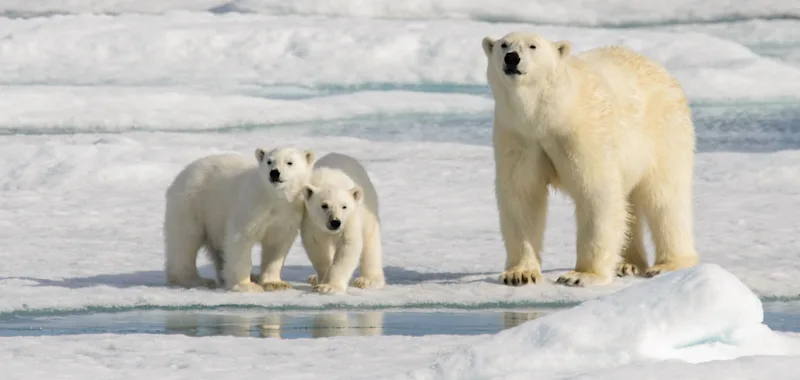
    Wherever I’ve traveled in the world, I have always been fascinated by what humans and other species eat. With a background in animal behavior and food anthropology, I traveled to the Polar Bear Capital of the World with a curiosity about the diets of people and animals living in this remote portion of the subarctic.

  • Videos

    Video: The “Scientific” Beauty of the Northern Lights

    Feb 19, 2019 · Candice Gaukel Andrews

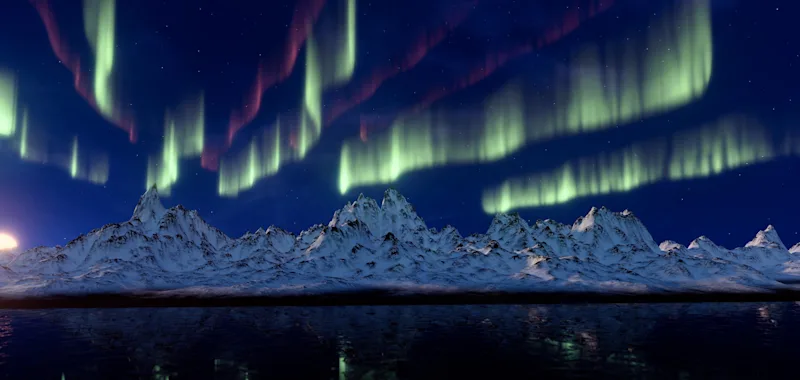
    There are many delightful and magical myths about the aurora borealis, also known as the northern lights. The Inuit of North America interpreted the lights as a ball game—with a walrus head serving as the ball—played by their ancestors.

  • Nature & Wildlife

    The Year-Round Land of Evergreens: the Taiga

    Jan 15, 2019 · Candice Gaukel Andrews

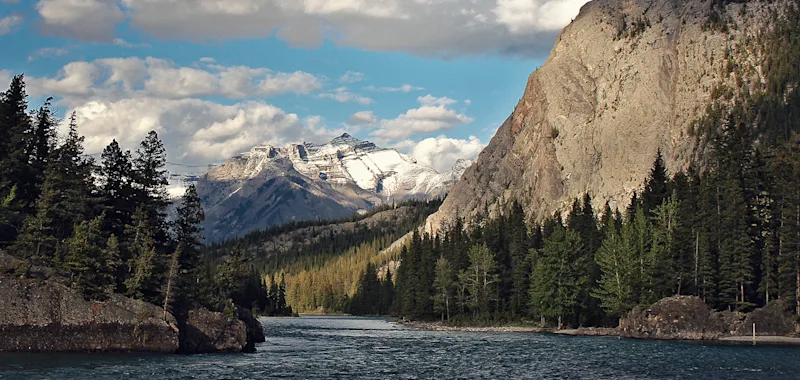
    It’s mid-January, the time some people call the “doldrums,” a period of feeling low energy and a lack of motivation after the Christmas and New Year season of celebration and parties. It can be brought on by putting the holiday decorations away, facing a blank engagement calendar or taking down the Christmas tree.

  • Conservation

    More than Travel Guides, Maps Tell Nature’s Stories

    Jan 8, 2019 · Candice Gaukel Andrews

    Maps are far more than sets of instructions on how to get from Point A to Point B. They tell stories. And whether they’re digital or paper maps, the tales they spin range from absurd to fun on one end of the spectrum and from informative to sobering and shocking on the other.

  • Conservation

    New Year’s Day 2019: What Outdoor Place Misses You?

    Jan 1, 2019 · Candice Gaukel Andrews

    My father never had the “urge for going,” as songwriter-singer Joni Mitchell calls it—the desire to travel. I place the blame for that fact squarely on the shoulders of World War II.

  • Antarctica & Arctic

    Video: Using Drone Photography to Protect the Arctic

    Dec 20, 2018 · Candice Gaukel Andrews

    Growing up in the Arctic regions of Canada made a lasting impression on National Geographic Young Explorer Nansen Weber. When he wasn’t out guiding guests who visited his parents remote lodge on the otherwise uninhabited Somerset Island, he was out exploring—often accompanied by a handheld camera and a camera drone.

  • Antarctica & Arctic

    Under the Ice in Antarctica and Greenland: More Future Warming and a Past Cooling Down

    Dec 18, 2018 · Candice Gaukel Andrews

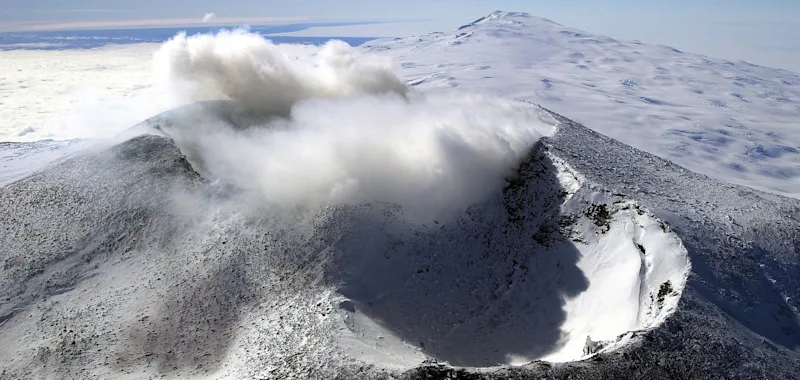
    If you were asked to name active volcano sites around the world, you’d probably include places such as Hawaii, Yellowstone National Park and Iceland, the country often labeled “the land of fire and ice.” But what’s under the white, frozen expanses in Antarctica may be far more dramatic.

  • Conservation

    Signing Pledges to Be Better Tourists

    Nov 27, 2018 · Candice Gaukel Andrews

    While travel has the potential to positively impact the places visited—infusing money into local economies, supporting local artisans and conservation projects, and promoting understanding across cultures—it also has the capability to destroy the very things we seek to experience and explore.