Good Nature Travel Blog

  • Videos

    Video: Thank-You Note from a Whale

    Jul 21, 2011 · Candice Gaukel Andrews

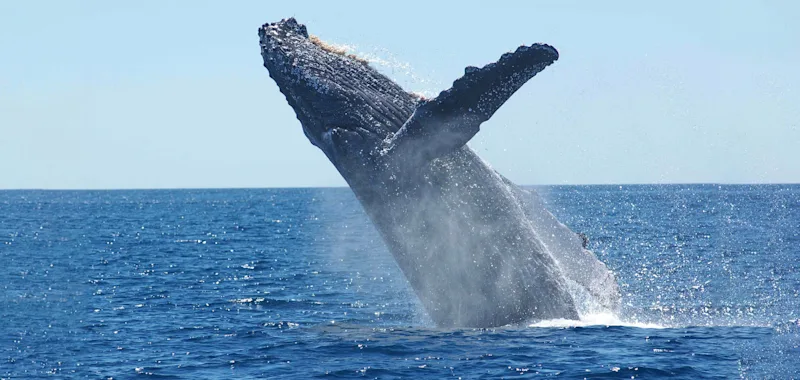
    When going out into the Sea of Cortez, California, with the intended purpose of doing some whale watching, it’s probably not all that unusual to actually come across some whales. However, finding a dead humpback is rarely in the plan.
  • News & More

    The Adventures of a Photo

    Jun 7, 2011 · Candice Gaukel Andrews

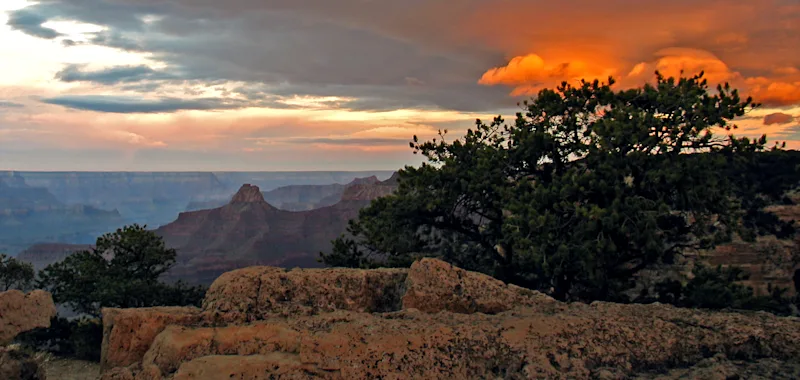
    Images of natural landscapes have spoken to our souls since the time we started painting them on cave walls. And every few months, it seems, another new report touts the healing benefits of the outdoors and green spaces.

  • Nature & Wildlife

    Great Migrations—from Small Creatures

    May 10, 2011 · Candice Gaukel Andrews

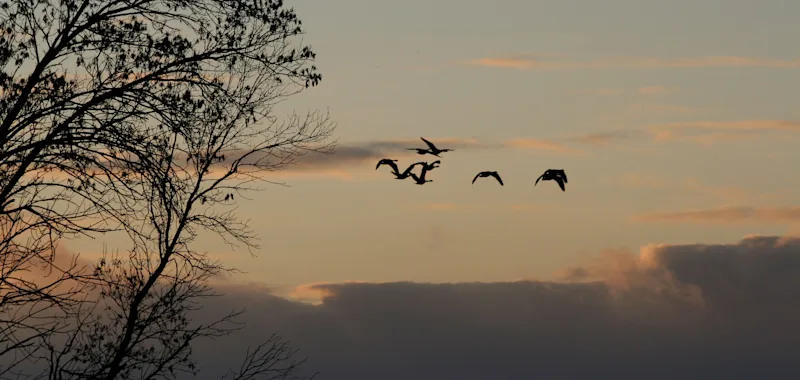
    If you dread overseas flights because you always land intolerably tired and exceedingly hungry, I have some facts that might help you put such ordeals into perspective. It was recently discovered that a female bar-tailed godwit flew 7,145 miles from Alaska to New Zealand—without taking a single break for food or drink.

  • Travel Tips

    Places, Good and Bad

    Apr 26, 2011 · Candice Gaukel Andrews

    We humans seem to have a great need to anthropomorphize; that is, we tend to want to ascribe human characteristics to inanimate objects, nonhuman animals and natural phenomena, such as the wind, rain or sun.

  • Travel Tips

    Saving Places Never Seen

    Mar 29, 2011 · Candice Gaukel Andrews

    I still vividly recall the dream, even though I couldn’t have been more than six or seven years old when I had it. I was flying, low—without a plane, mind you—over Alaska. I soared above waving fields of purple flowers and gurgling, ribbon-like, blue rivers.

  • Videos

    Video: Wild Turkey Takes on a Mail Truck

    Mar 3, 2011 · Candice Gaukel Andrews

    Typically, a dog is the animal a mail carrier has to worry about most while doing his or her job. Not so in Centerville, Massachusetts. It’s a wild turkey this intrepid driver has to watch out for.

  • News & More

    Choosing the Sea

    Mar 1, 2011 · Candice Gaukel Andrews

    Two very old whales are telling us a fascinating story. They are fossils—a male and a pregnant female—that were discovered in Pakistan in 2000 and 2004. Researchers say that these 47.5-million-year-old cetaceans are beginning to reveal that, without a doubt, our modern whales originated from terrestrial ancestors.

  • Conservation

    Wildlife On Canvas

    Feb 14, 2011 · Brad Josephs

    I love my career as a Natural Habitat guide because I love wildlife and wilderness, but equally I thrive on sharing my passion of nature with others. There are many reasons which drive people to take trips beyond the edges of civilization to immerse themselves in wild country.

  • Alaska

    Amazing Alaska Grizzly Bear Videos

    Jan 24, 2011 · James Dziezynski

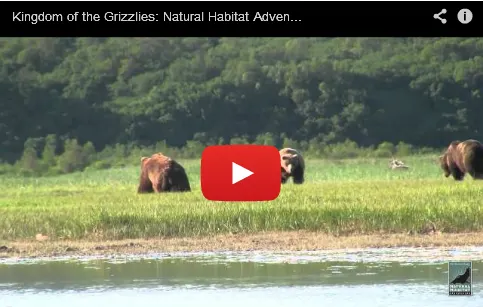
    Natural Habitat Adventure guide Brad Josephs recently sent us this amazing compilation of grizzly bear footage from our Hidden Alaska and Grizzlies: From Kodiak to Katmai trips. Watch as these amazing bears fight, hunt, relax and roam. Enjoy!

  • News & More

    Top Adventure Job of 2010

    Jan 18, 2011 · Candice Gaukel Andrews

    Winter, along with the start of a brand-new year, tends to put us in a reflective mood. I guess that’s why the January issues of many magazines are now full of “best of” lists for last year.

  • Conservation

    Be our friend on Facebook and help protect wildlife

    Jan 5, 2011 · Wendy Redal

    Did you know 2011 is World Wildlife Fund’s 50th Anniversary? Natural Habitat Adventures will be doing a lot this year to help WWF celebrate! To kick things off this month, Nat Hab is donating $1 for each new “friend” who “likes” our Facebook page between now and January 31st!

  • Conservation

    Eating Goose Eggs and Other Culinary Adventures

    Dec 13, 2010 · Candice Gaukel Andrews

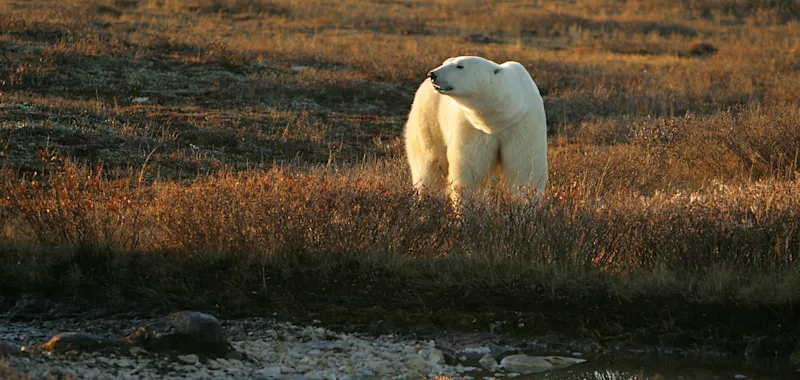
    The statistics regarding a worldwide climate trend toward global warming and the resultant loss of biodiversity are alarming—and attention getting, to say the least. Most of us have heard the often-quoted statement that the planet’s polar bears could be gone by the year 2050.