Good Nature Travel Blog

  • Nature & Wildlife

    Biodiversity Comes in Bursts and Goes with Glaciers

    Dec 2, 2025 · Candice Gaukel Andrews

    From birds to flowers, the majority of the Earth’s species stem from a few evolutionary “explosions,” where new habitats or traits sparked rapid diversification. These bursts, in fact, explain most of the planet’s biodiversity. Some of those new habitats were ignited by glaciers.

  • Nature & Wildlife

    Hot Holiday Travels and Awkward Family Reunions

    Nov 25, 2025 · Candice Gaukel Andrews

    Right now, as you’re probably finalizing your plans for the end-of-the-year holidays, there are some new developments in travel—and family get-togethers—that I think you might find interesting.

  • Nature & Wildlife

    Nature’s Chefs, Dinosaur Drumsticks and Turkey Trots

    Nov 18, 2025 · Candice Gaukel Andrews

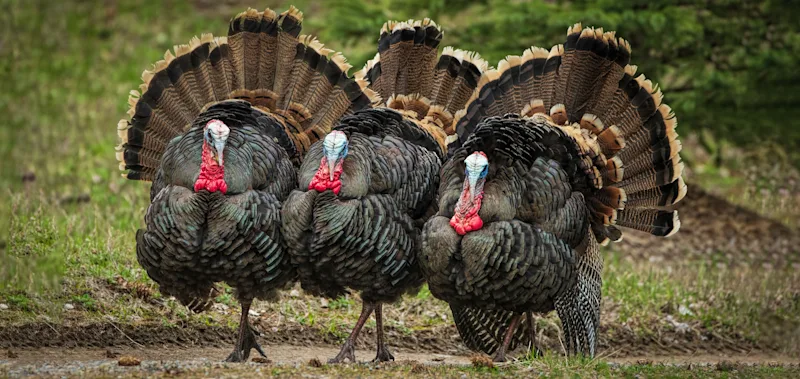
    At the end of the year, many of our holiday celebrations revolve around food, such as a Thanksgiving feast or a Christmas dinner. This food-intensive season reminds me of a new concept in nature studies: “nature’s chefs.” In essence, nature’s chefs are organisms that provide food—or the illusion of food—to other organisms.

  • Conservation

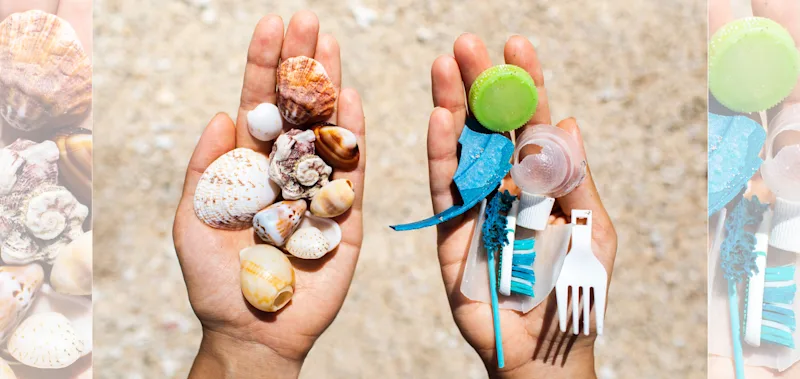
    A Taste for Waste: Plastic Eaters

    Nov 11, 2025 · Candice Gaukel Andrews

    Plastics. It’s almost become an emotionally charged word. Today—no matter how you feel about their use—plastics provide us with both benefits and significant drawbacks. The strengths of plastics include durability, low cost and versatility, which have enabled medical advancements and modern conveniences.

  • Nature & Wildlife

    Biodiversity and Building Better Cities

    Nov 4, 2025 · Candice Gaukel Andrews

    I like to think of biodiversity as a symphony orchestra, where each note, each instrument—every single part—is needed to make the whole. In the concert called “biodiversity,” then, every species, from microscopic life to towering trees and vast oceans, plays a vital role.

  • Nature & Wildlife

    Circadian Rhythms, Saving Hours and Time Travels

    Oct 28, 2025 · Candice Gaukel Andrews

    Daylight savings time—the practice of advancing clocks to make better use of the longer daylight available during summer so that darkness falls at a later clock time—will end on November 2 this year. That means that we’ll set our clocks to “fall back” into standard time.

  • Nature & Wildlife

    Snow: Why We Need It and How We’re Losing It

    Oct 21, 2025 · Candice Gaukel Andrews

    I grew up in the Midwest. That means that as a child, as the joke goes, I had to decide on a Halloween costume that could incorporate my winter coat.

  • Nature & Wildlife

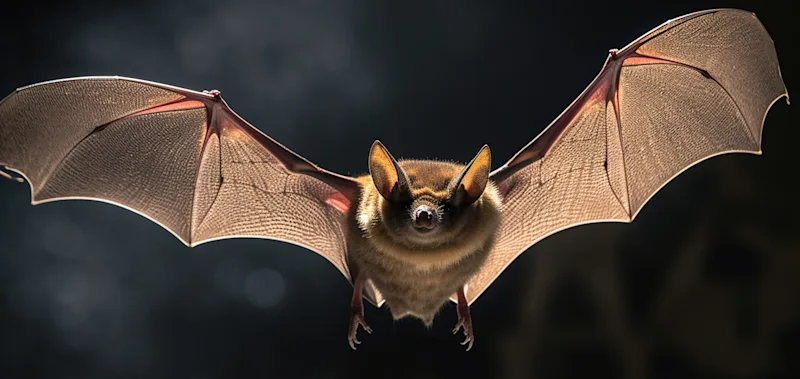
    Halloween 2025: Bat Hearing

    Oct 12, 2025 · Candice Gaukel Andrews

    If I asked you to name a “Halloween animal,” the first answer you’d probably give me is bat.

  • Conservation

    Clean Air Matters

    Oct 7, 2025 · Candice Gaukel Andrews

    The term “air pollution,” according to the World Health Organization (WHO), is the contamination of the indoor or outdoor environment by any biological, chemical or physical agent that modifies the natural characteristics of the atmosphere.

  • Nature & Wildlife

    The Benefits of Being a “Birdbrain”

    Sep 30, 2025 · Candice Gaukel Andrews

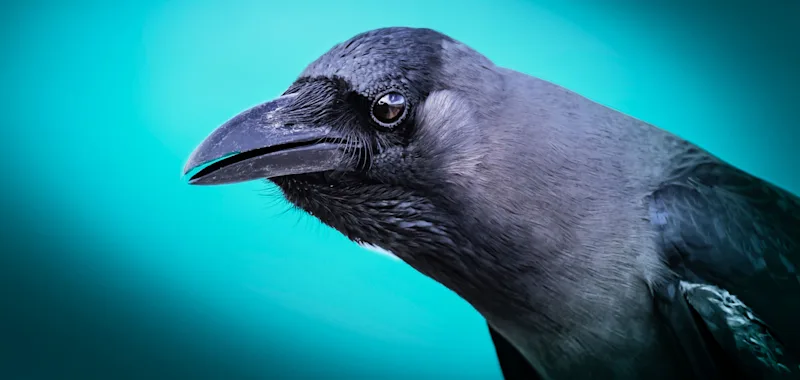
    The word birdbrain became a common slang term for a stupid person in the early 20th century. And while it’s still sometimes used as an insult, it’s a misnomer. In fact, the brains of birds are so large (relative to their body size) that scientists say they are practically braincases with beaks.

  • Conservation

    Saving Species from Extinction

    Sep 23, 2025 · Candice Gaukel Andrews

    Around the world, the variety of living things—defined as biodiversity—is declining, as increasing numbers of species face the risk of extinction.

  • Nature & Wildlife

    Celebrating Sea Otters

    Sep 16, 2025 · Candice Gaukel Andrews

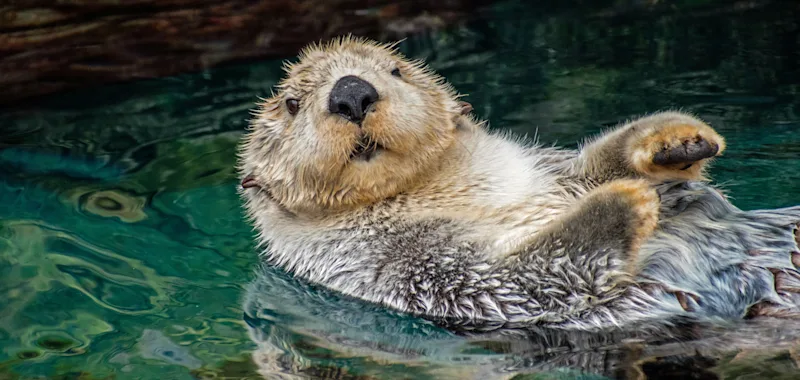
    Sea otters can be a powerful ally in confronting climate change, according to the Monterey Bay Aquarium in California. In places where they’re thriving, they can maintain and restore kelp forests and coastal wetlands, strengthening our natural defenses against the worst impacts of a warming world.