

Conservation
Paying for Protecting Wildernesses and Biodiversity
True wilderness areas—where human impacts are minimal or entirely absent—are dwindling. That probably comes as no surprise to you.
Conservation
True wilderness areas—where human impacts are minimal or entirely absent—are dwindling. That probably comes as no surprise to you.
Nature & Wildlife
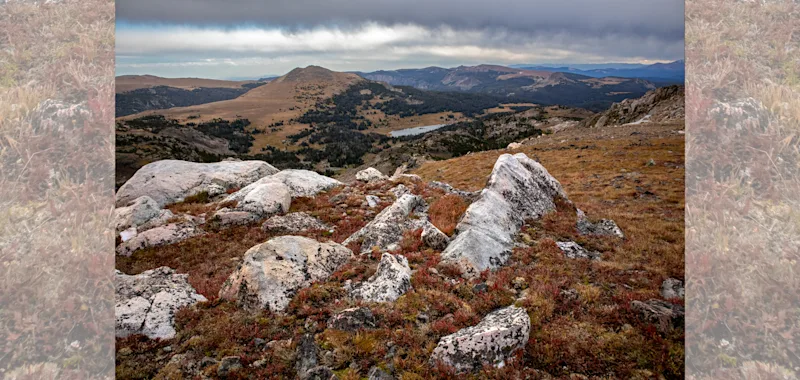
I once walked on the moon. It was remote and windy and bare; the kind of landscape that seems to call to me. This “moon,” though, wasn’t off Earth. It was found just outside Yellowstone National Park in the Shoshone National Forest, above the tree line.
African Safaris
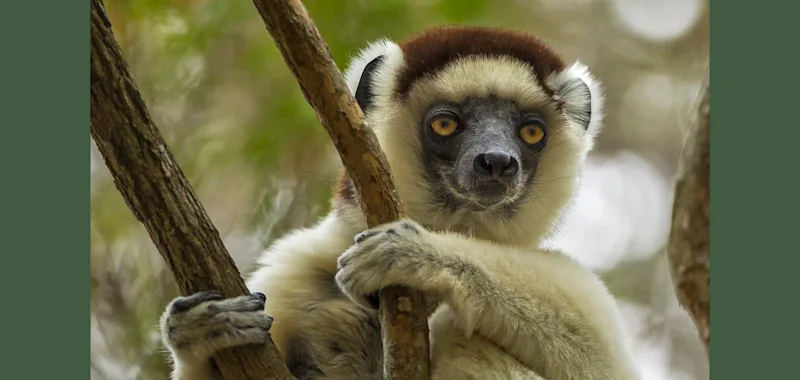
Imagine that you are lactose intolerant, and then you discover that all of the grocery stores in your vicinity sell only dairy products. That’s how a Duke University, North Carolina, ecologist describes the predicament of sifakas, a genus of lemur.
African Safaris
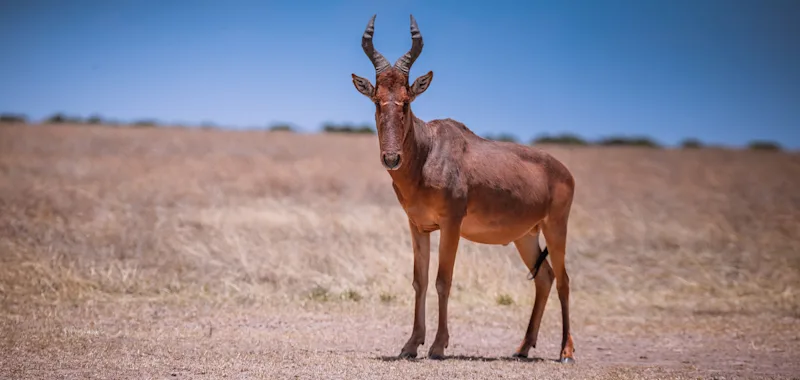
Hartebeests—the narrow-faced, savanna-adapted and unusual-looking African antelope that are native to more than 25 African countries—are on a downhill population slide. The African Wildlife Foundation estimates that there are about 360,000 of them left in eight to 10 recognized subspecies, one of which is entirely extinct. In Kenya, particularly, hartebeest numbers are decreasing, threatening extinction.
Conservation
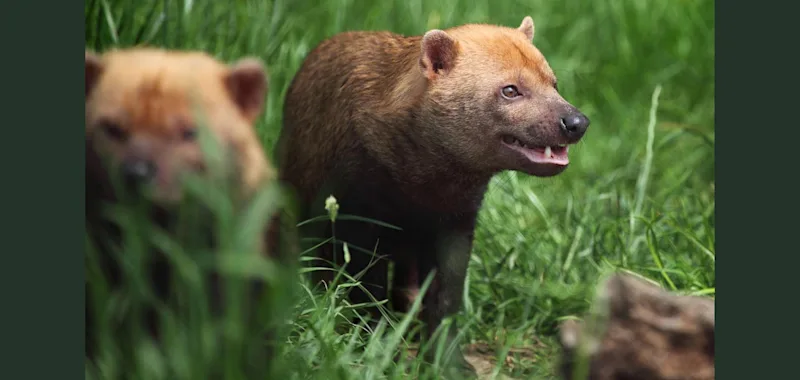
Stories of animals venturing into and enjoying new places have been one bright spot during the COVID-19 worldwide pandemic of 2020.
Videos
Throughout history, philosophers have construed the universe in many ways, and one of the oldest is to see it made up by pairs of opposites. For example, art and science, good and evil, matter and motion, structure and function, and living and nonliving all exemplify this particular way of looking at the cosmos.
Conservation
Spreading around the world at the speed of light, COVID-19 has now infected more than 2.5 million people and killed almost 177,000. Although the virus’s origins are still a little murky, it’s highly likely that it jumped from species to species, until it hit ours. Trading diseases with wildlife isn’t new.
Videos
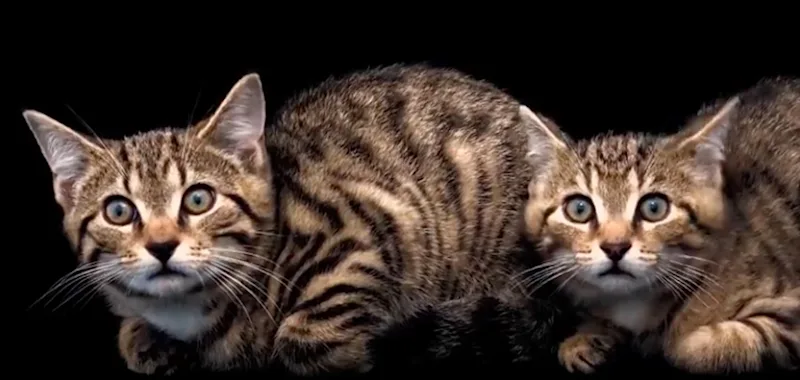
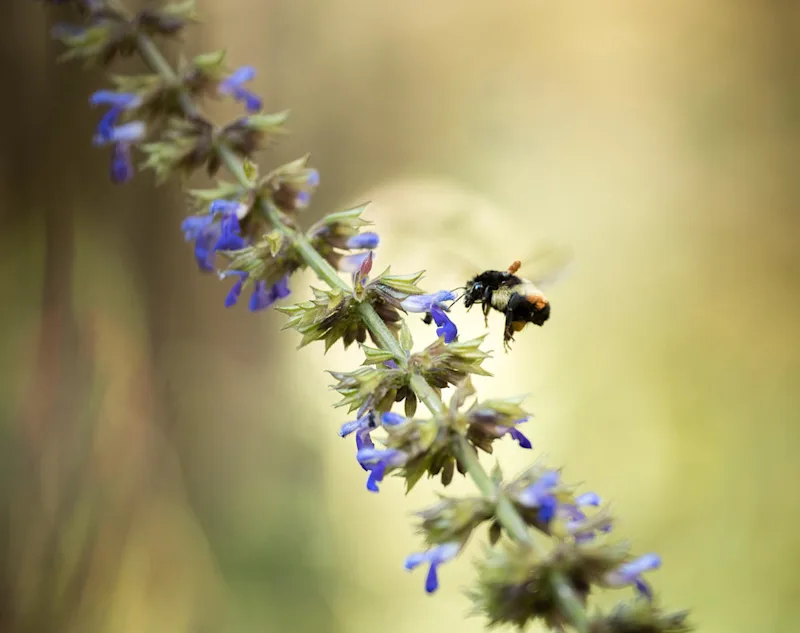
Bears, lynx, wolves and wildcats used to roam the lands that today make up Great Britain. European brown bears, however, have been extinct there since at least the early Middle Ages—and possibly even earlier. British lynx disappeared around 700 A.D., due to hunting and habitat destruction. And by the turn of the 16th century, wolves were extinct in England and Wales.
Conservation
When I was little, I learned about dinosaurs and extinction in the same breath. Those tree trunk sized leg bones I saw at the museum belonged to animals that died out millions of years ago. Why? There was some cosmic, massive event that killed the giants of Earth’s ancient history.
Latin America
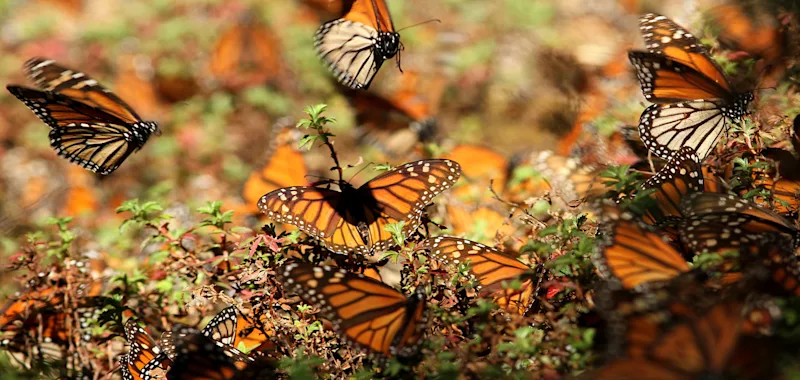
In recent years, reports on monarch butterfly populations have been confusing: just two years ago, we were hearing that the monarchs were teetering on the edge of extinction. More recently, however, conservation news headlines have alerted us to increases in monarch butterfly populations—as much as 144 percent in one year.

Nature & Wildlife
We still have three weeks until the end of a long and brutally hot summer. At times, it seems the only respite we can get outside during our picnics, state fair visits, outdoor music festivals and cabin-by-the-lake stays is to find some shade, most often under a tree.
Antarctica & Arctic
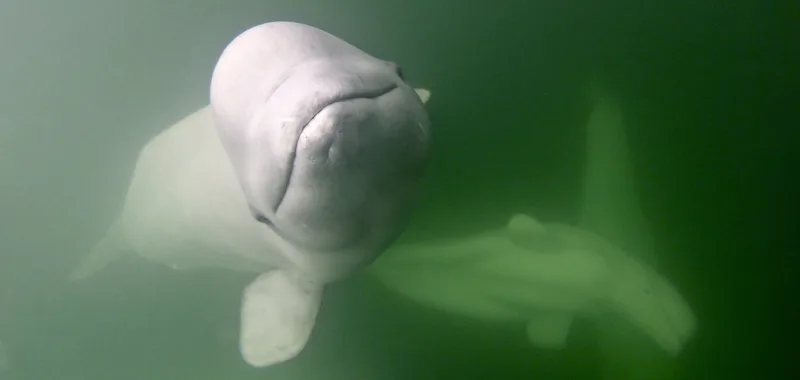
If narwhal-beluga crosses (narlugas) are a result of climate change, will it help the two species continue to survive, or will it inadvertently doom them?