

Conservation
We’re Losing Wilderness. And It’s A Loss to Science.
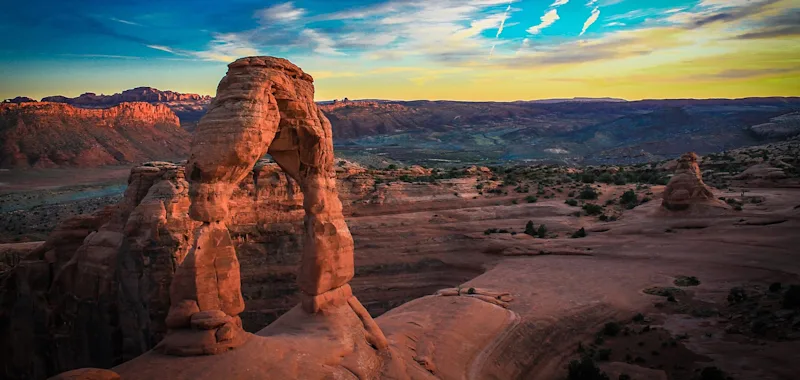
Today, it’s not only animal and plant species that we’re losing at an alarming rate. We’re losing wilderness; everywhere, all over the world.
Conservation
Today, it’s not only animal and plant species that we’re losing at an alarming rate. We’re losing wilderness; everywhere, all over the world.
Asia & The Pacific
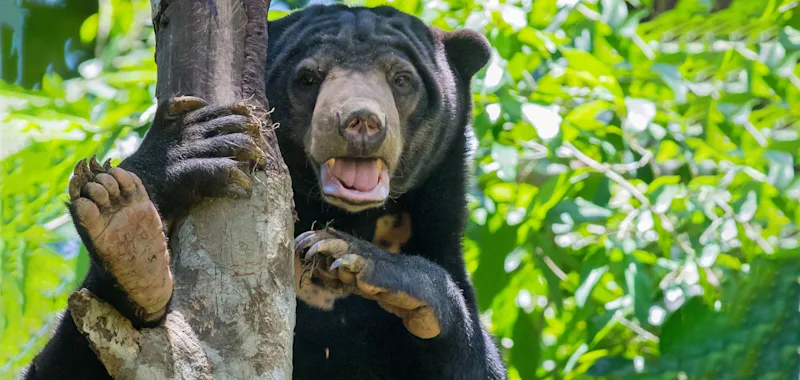
It’s ironic that an animal whose name includes the word sun would be a creature of the night. But once darkness descends, the Malayan sun bear (Helarctos malayanus)—the smallest member of the bear family—lumbers through the dense, lowland forests of Southeast Asia, snacking on berries, birds, fruits, insects, lizards, rodents and roots.
Conservation
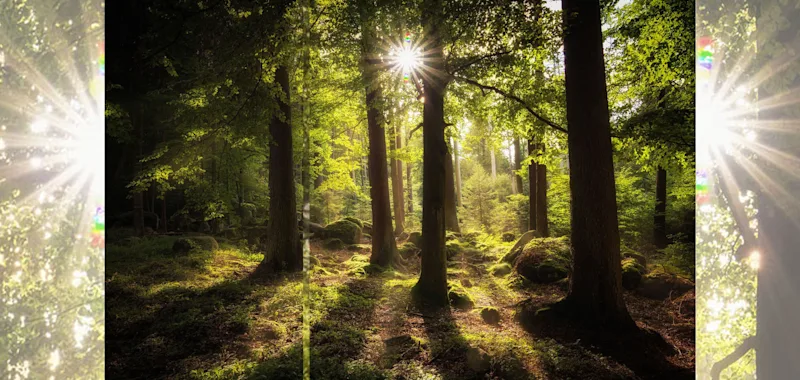
This summer, the world lost a Nebraska-size chunk of forests. Logging, expanding palm oil plantations and wildfires are to blame. This continuing deforestation trend could have devastating implications for the climate. Simply put, forests aren’t merely pretty places. We need them.
Videos
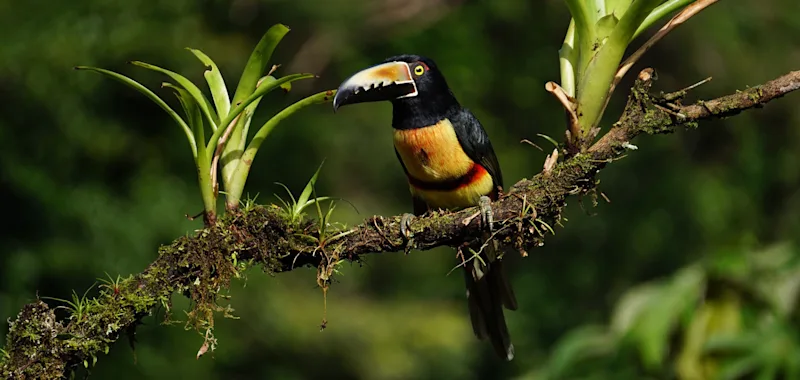
Around the world, deforestation is causing millions of species to lose their natural habitats. Estimates are that tracts half the size of England are lost annually, and scientists say that the world’s rain forests could completely vanish in a hundred years at the current rate of clearing.
News & More
Going rogue. Since 1835, that phrase has been used to describe elephants that exhibit violent behavior, whether through injury or from being separated from their herd. Decades later, when applied to humans, the term came to denote conduct that was erratic or dangerous.
News & More
On the tundra of Siberia, near the coldest city on Earth, there’s a place that local people have come to call a “gateway to the underworld” or a portal to hell. It’s a huge crater, and it has been growing for years. Currently, it measures a mile long and nearly 400 feet deep.
Conservation
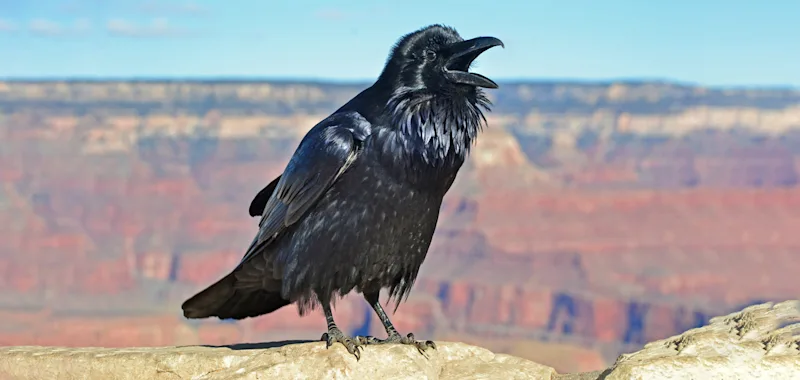
Corvids—a family of birds that includes crows, jays, magpies, nutcrackers and ravens—are smart animals. They can make tools, recognize individual human faces and give our five-year-old children a run for their money in solving puzzles.
Videos
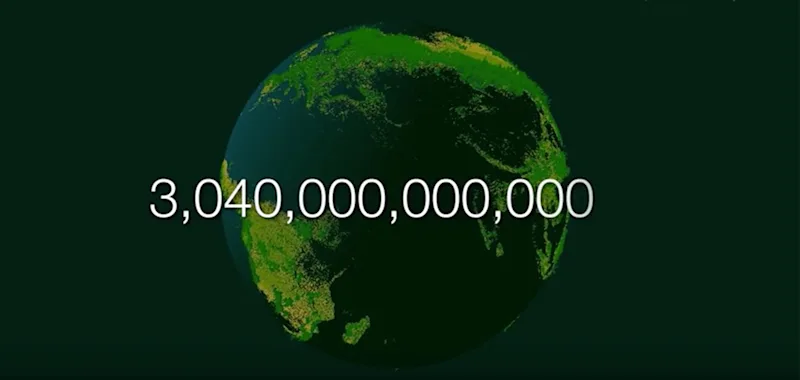
How many trees are there in the world? That’s a question you—or a child in your life—has probably asked many times. Until now, however, there hasn’t been a very precise answer. But according to a new video produced by Nature, there are 3.04 trillion trees in the world; a number that’s hard to mentally grasp.
News & More
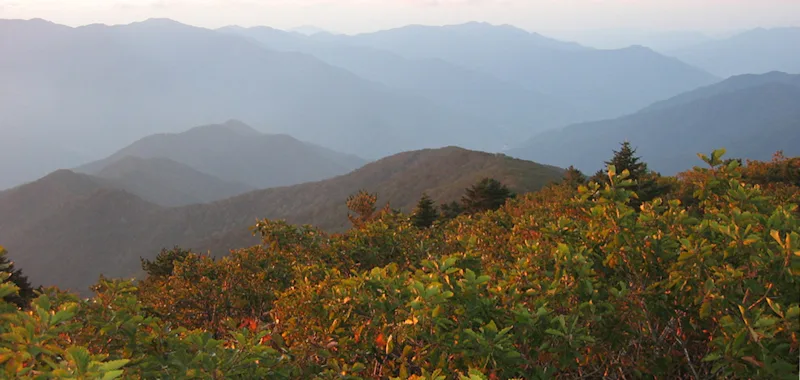
Most of us see the benefits of the world’s Olympic Games: they are some of the very few times nations come together to showcase their most beautiful landscapes and best athletes. For the hosting cities and countries, the hope is that the events will result in economic gains through tourism, marketing and other means.
Nature & Wildlife
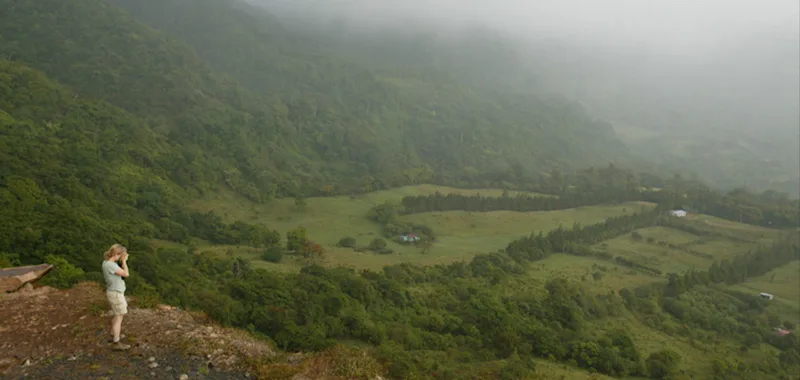
Although experts have been warning of an imminent sixth mass extinction for almost four years, to date most conservation appeals for battling the crisis have been, at best, attempts to stem the tide. None have claimed to be permanent and sustainable solutions—until now.
Conservation
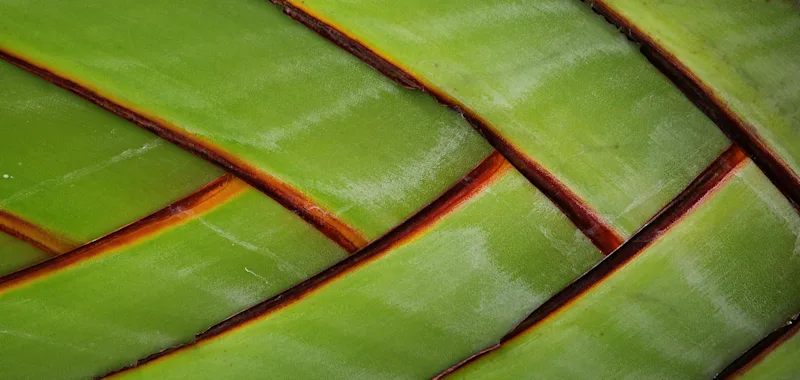
We humans have a long history of looking to trees for sustenance. For thousands of years, our forests have supplied our food, fuel and shelter. While we still count on them today to provide those necessities to some extent, we additionally charge them with the task of mitigating the effects of our carbon-spewing, combustion-engine civilization.
Conservation
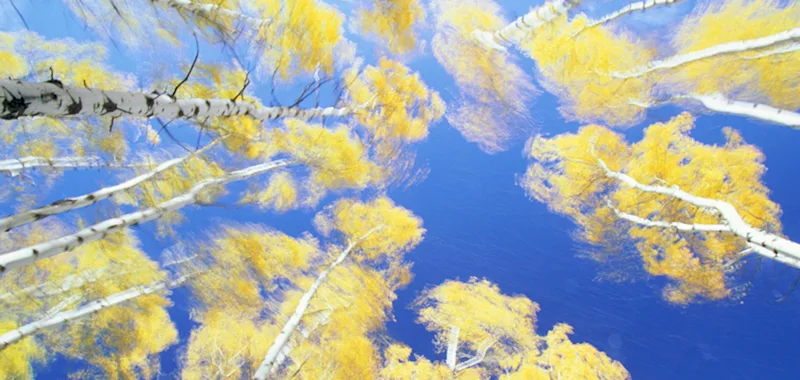
If you’ve ever walked in a forest or a grove on a breezy or windy day, you’ve probably experienced that bit of an unsettling feeling that says to you that the trees are “talking” above your head. With every moan and retort of the wood, you’d almost swear that you could hear rumblings.