Good Nature Travel Blog

  • African Safaris

    Madagascar’s Dwindling Forests and Their Linked Lemurs

    Aug 4, 2020 · Candice Gaukel Andrews

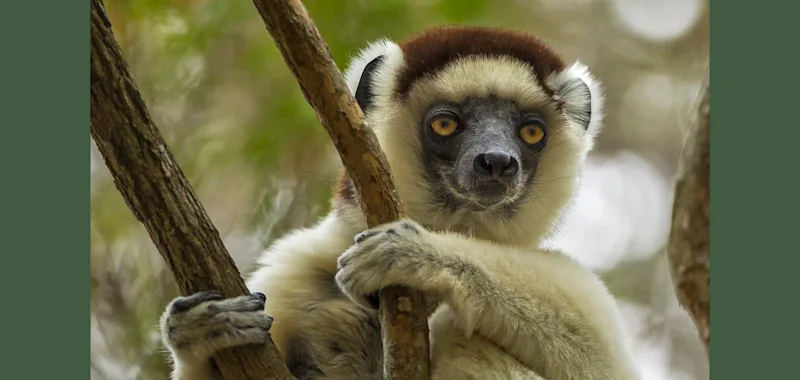
    Imagine that you are lactose intolerant, and then you discover that all of the grocery stores in your vicinity sell only dairy products. That’s how a Duke University, North Carolina, ecologist describes the predicament of sifakas, a genus of lemur.

  • Conservation

    To Prevent the Next Pandemic, Protect Nature

    Apr 28, 2020 · Candice Gaukel Andrews

    Spreading around the world at the speed of light, COVID-19 has now infected more than 2.5 million people and killed almost 177,000. Although the virus’s origins are still a little murky, it’s highly likely that it jumped from species to species, until it hit ours. Trading diseases with wildlife isn’t new.

  • Videos

    Video: Rewilding Scotland’s Highlands with Wildcats

    Mar 3, 2020 · Candice Gaukel Andrews

    Bears, lynx, wolves and wildcats used to roam the lands that today make up Great Britain. European brown bears, however, have been extinct there since at least the early Middle Ages—and possibly even earlier. British lynx disappeared around 700 A.D., due to hunting and habitat destruction. And by the turn of the 16th century, wolves were extinct in England and Wales.

  • African Safaris

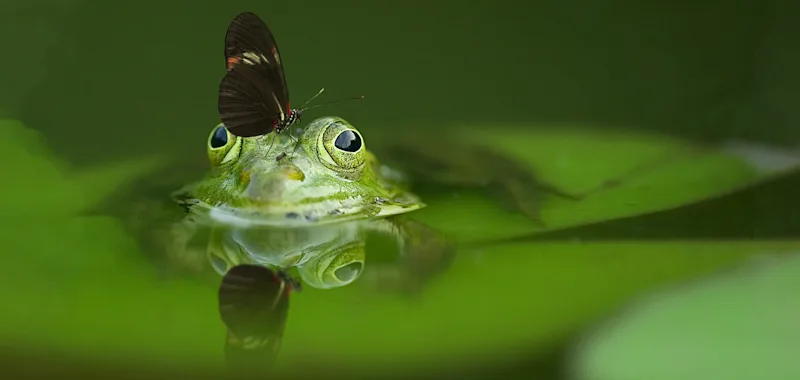
    The New Mini Frogs of Madagascar

    Feb 11, 2020 · Candice Gaukel Andrews

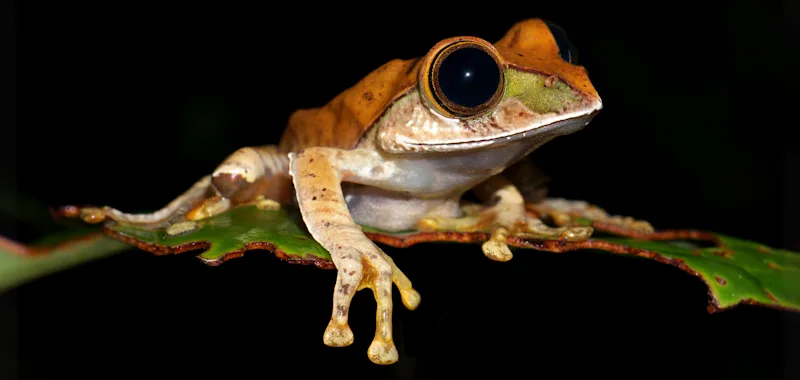
    More than 350 types of frogs live in Madagascar, the world’s fourth largest island after Greenland, New Guinea and Borneo. The nation stretches across 226,917 square miles (approximately the size of France or Texas) off the coast of East Africa. This gives Madagascar possibly the highest frog diversity per square mile of any country in the world.

  • Conservation

    Cooking Stoves: Curbing Disease and Cutting Climate Change

    Feb 4, 2020 · Candice Gaukel Andrews

    Around the world, nearly 3 billion people cook their meals using open fires or simple stoves fueled by biomass (animal dung, crop waste or wood), coal or kerosene, according to the World Health Organization.

  • Nature & Wildlife

    National Parks Are Warming Faster Than the Rest of the U.S.

    Sep 17, 2019 · Candice Gaukel Andrews

    National parks are some of our favorite wild places, set aside for all of us to enjoy and for wildlife to find some yet remaining, far-too-scarce natural habitats. Here, in these lands, we can recharge, find solace and connect and reconnect with our families.

  • Nature & Wildlife

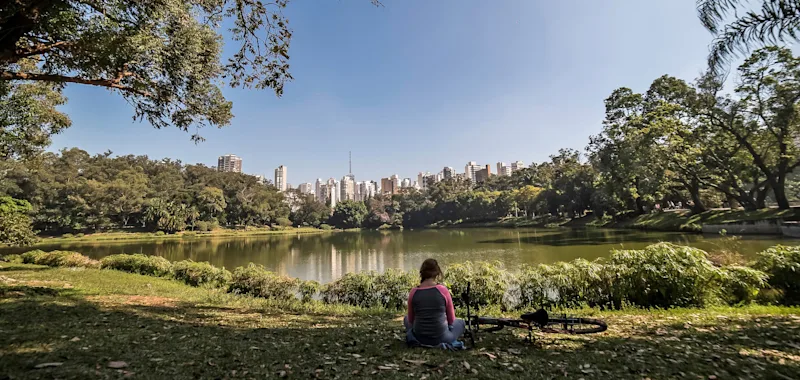
    The Summer Shade of Trees Could Save Species

    Sep 3, 2019 · Candice Gaukel Andrews

    We still have three weeks until the end of a long and brutally hot summer. At times, it seems the only respite we can get outside during our picnics, state fair visits, outdoor music festivals and cabin-by-the-lake stays is to find some shade, most often under a tree.

  • Europe

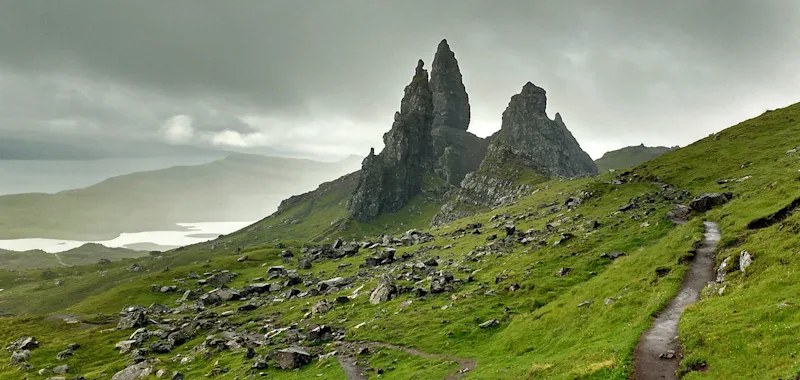
    Bringing Wolves Back to Scotland

    Jul 16, 2019 · Candice Gaukel Andrews

    The Scottish Highlands have been described as achingly beautiful, and I’d have to agree. In this vast wilderness, glens sit in ancient glacial valleys, striped by ribbons of rivers and enclosed by jagged mountain peaks. But this lovely landscape could not be defined as “untouched.”

  • Conservation

    Conservation Inspiration from Our Planet: 7 Ways You Can Help

    Apr 27, 2019 · Emily Goodheart

    Brilliant and skillful in its storytelling, the emotions Our Planet evokes are all at once awe-inspiring, mesmerizing and heart-wrenching. This gripping portrait of the critical condition of our planet highlights key conservation issues, which can be boiled down to one problem: our world is becoming less wild.

  • Videos

    Earth Day 2019: Share Your Favorite, Coolest Nature Video

    Apr 16, 2019 · Candice Gaukel Andrews

    Next Monday, April 22, 2019, the world will mark its 49th Earth Day. The first Earth Day, held on April 22, 1970, was inspired by Wisconsin Senator Gaylord Nelson, who modeled it on the antiwar protests of the late 1960s. The original Earth Day began on university campuses as a national “teach-in” on environmental issues.