Good Nature Travel Blog

  • Nature & Wildlife

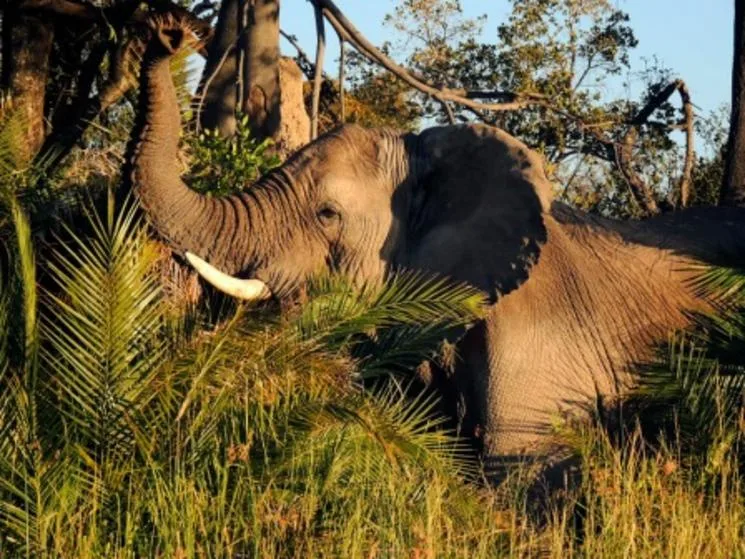
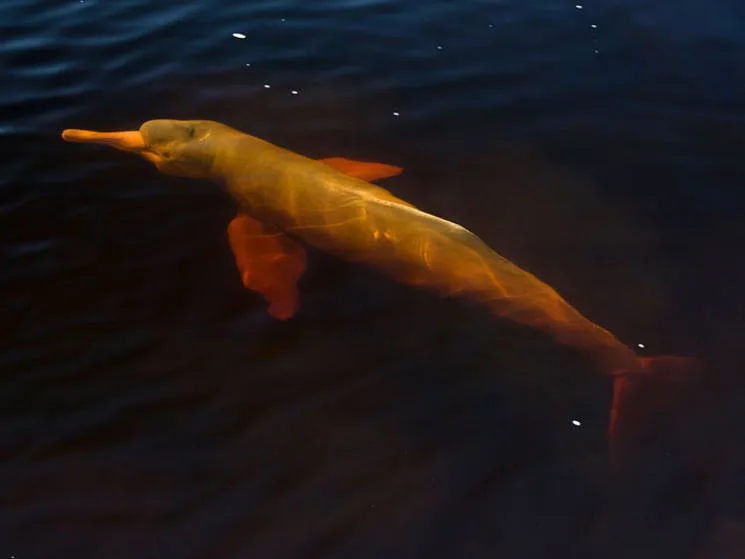
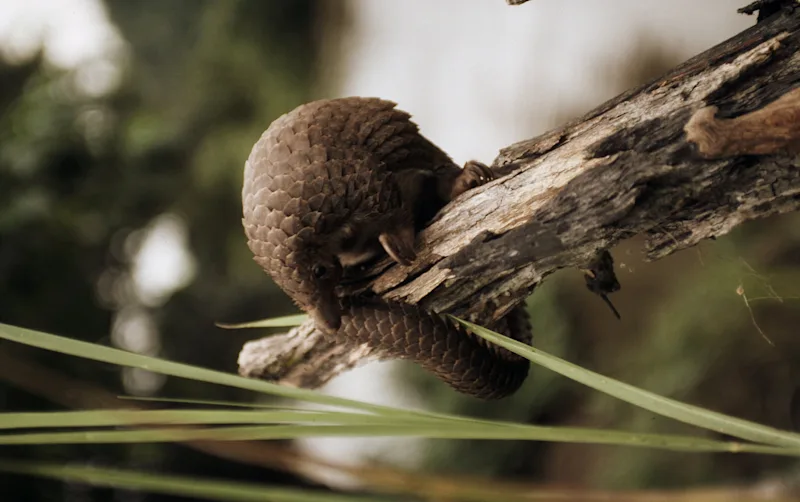
    Top 6 Unusual-Looking Wildlife to See on an African Safari

    May 7, 2014 · WWF

    By Marsea Nelson, guest blogger for WWF Travel Many safari-goers travel to Africa with the hopes of seeing the “Big Five” and other iconic animals like the stunning giraffe and imposing hippo. But what about the less flashy animals that some travelers overlook?
  • Conservation

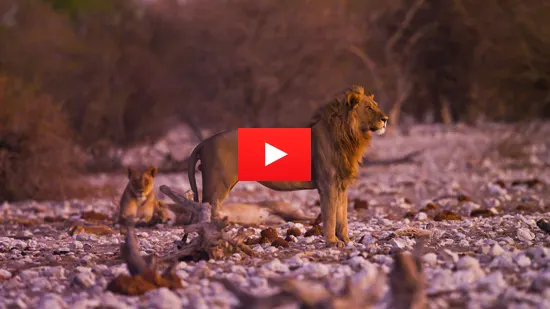
    Video: The Guardians of Namibia's Wildlife

    May 2, 2014 · Tania Curry

    Living with wildlife can be dangerous. However, Namibians are committed to their protection because responsible tourism and national pride make his wildlife worth more alive than dead. “The Guardians” tells the story of Jantjie Rhyn, a farmer directly involved in conservation, guarding Namibia’s legacy and his family’s future.

  • Videos

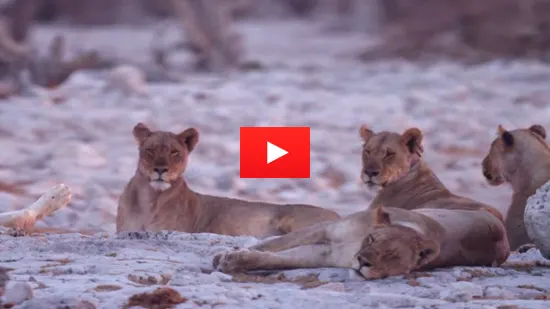
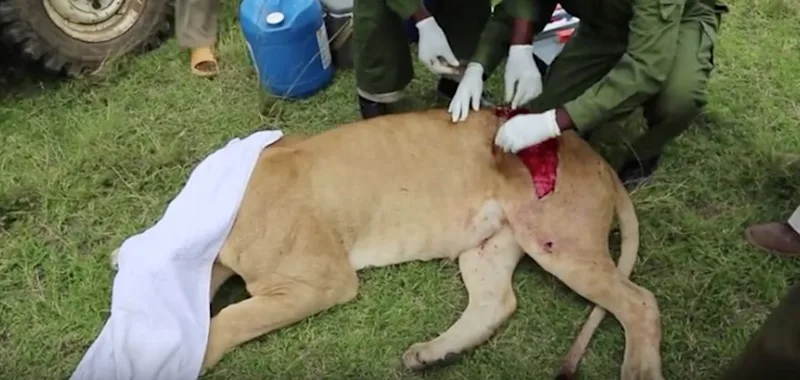
    Video: Saving an African Lion

    May 1, 2014 · Candice Gaukel Andrews

    While it’s never been easy to make your living as an animal in Africa, wildlife presently residing there face even more challenges than their ancestors did. For example, in the last four months in Kenya alone, poachers have killed 18 rhinos and 51 elephants.

  • Conservation

    What Arctic and Tropical Waters Have in Common

    Apr 30, 2014 · Court Whelan

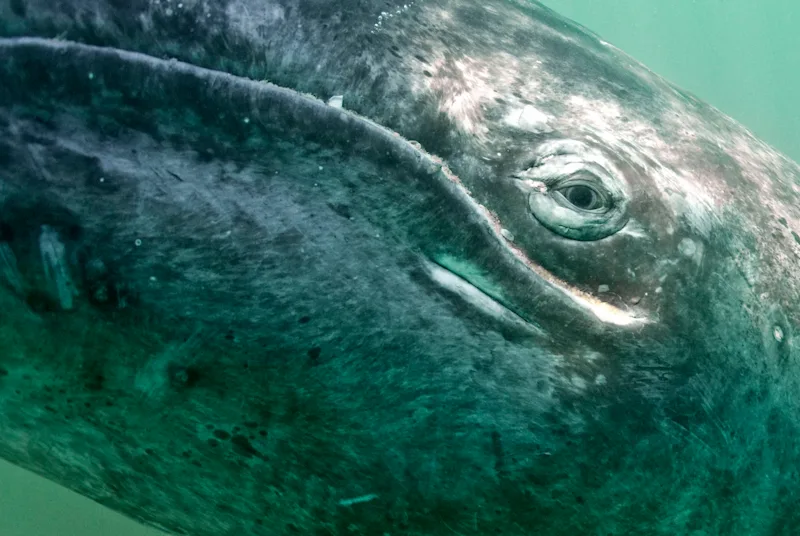
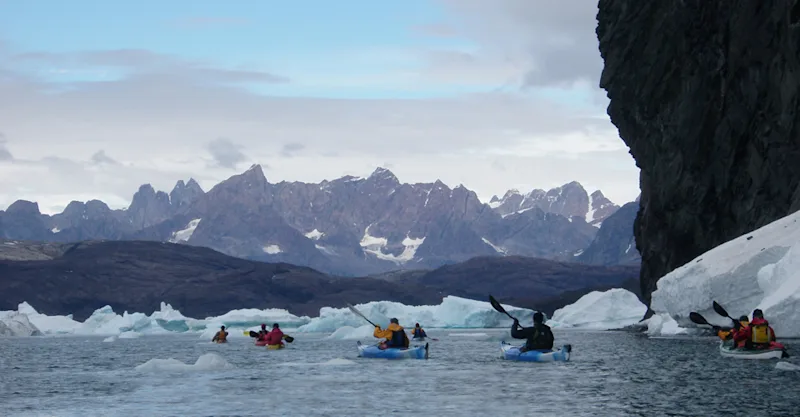
    The old schooner purchased from a fisherman, cut through the icy waters of Glacier Bay, cruising along the picturesque Alaska coastline towards a pod of six massive humpback whales bubble-feeding at the surface of the water. Getting closer, the salt sprays over the travelers in the boat, as the whales breach over and over again.

  • Conservation

    Video: Google Glass Aids Rhino Conservation Groundwork

    Apr 25, 2014 · WWF

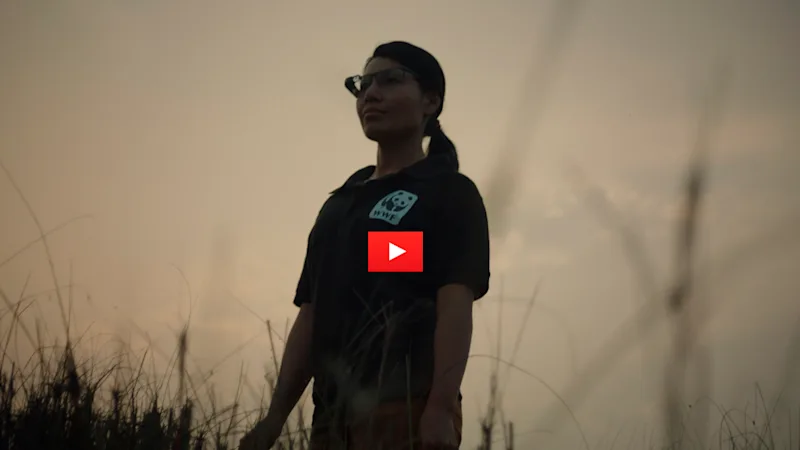
    WWF has actively been looking at how technology is transforming conservation. As a Google Glass Explorer, WWF has started to test Field Notes, a tool biologists can use to record field data hands-free. Watch this video as WWF-Nepal senior research officer Sabita Malla journey’s through Chitwan National Park, monitoring rhinos with Google Glass.

  • Nature & Wildlife

    Where in the World You Can See Penguins

    Apr 23, 2014 · Maddi Higgins

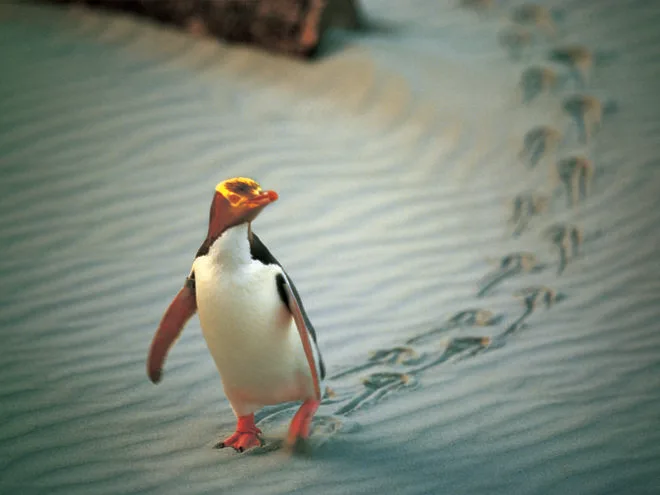
    They slide on their bellies across the snow, congregate on icebergs and seem to fly through freezing water in search of fish. That’s how most people picture penguins, in Antarctica. The southernmost continent has the most penguins of any region in the world, but it’s not the only place where you’ll find the tuxedoed bird.

  • Conservation

    5 Meaningful Ways Eco-Travelers Make a Difference

    Apr 21, 2014 · Tania Curry

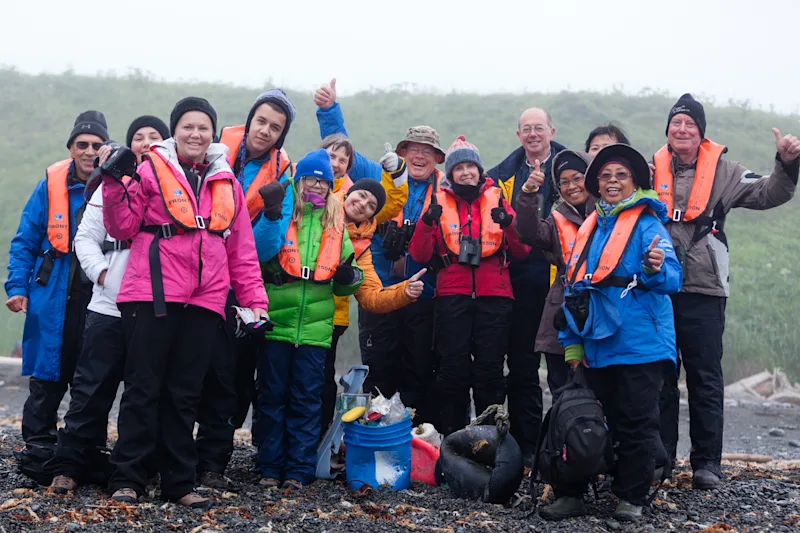
    On Earth Day, we want to celebrate the admirable efforts of our travelers, who have demonstrated in really special ways that they are committed to protecting the environment. These folks share a common message: that they were inspired to protect wild animals and wild places precisely because they had a chance to visit them.

  • Conservation

    How Travel Can Promote Conservation

    Apr 16, 2014 · WWF

    By Jim Sano, VP Travel, Tourism and Conservation, WWF-US This article was originally published in the January 2014 edition of WWF’s Global Arctic Program quarterly newsletter. I’m often asked by WWF colleagues whether we should encourage travel to some of the world’s most iconic but very often fragile places such as the Arctic.

  • Nature & Wildlife

    Ten Wild Facts about the “Big Five”

    Apr 12, 2014 · Elissa Poma

    The term “Big Five” originally referred to the difficulty in hunting the lion, leopard, rhino, elephant and African buffalo. These five large African mammal species were known to be dangerous and it was considered a feat by trophy hunters to bring them home.

  • Videos

    Video of the Week: Pride of Namibia

    Apr 4, 2014 · Tania Curry

    “Pride of Namibia” tells the story of communities committed to protecting wildlife, of a nation that has enshrined conservation into its constitution, and of the future of responsible travel – tourism that directly benefits the people who give wildlife freedom to roam. Travel to Namibia with WWF and NatHab.

  • Conservation

    Antarctica: How Long Can It Remain “Unowned”?

    Apr 1, 2014 · Candice Gaukel Andrews

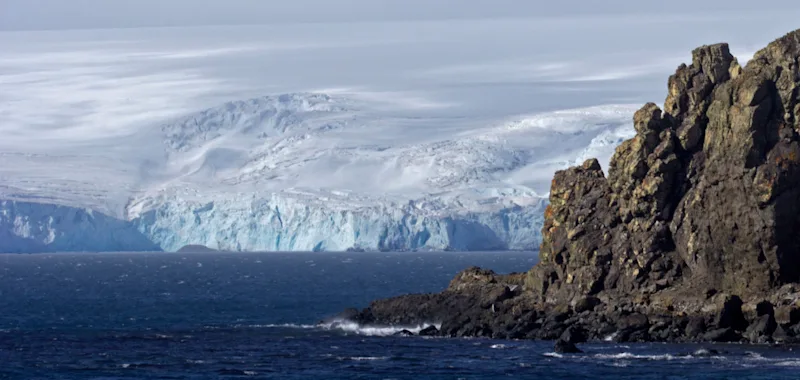
    Antarctica is the Earth’s only continent without a native human population, and no one country can claim to own it. Unique in the world, it is a land dedicated to science and all nations. However, that could soon change.

  • Nature & Wildlife

    Five Myths about Amazon River Dolphins

    Mar 30, 2014 · Elissa Poma

    The elegant gray-and-pink river dolphins that glide majestically through the chocolate-colored waters of the Amazon River aren’t always thought of in such glowing terms. In fact, many residents of the Amazon basin once considered them to be bad luck or even downright evil.