Good Nature Travel Blog

  • Nature & Wildlife

    Whooping Crane Recovery a Victim of Federal Budget Cuts

    Nov 14, 2017 · Candice Gaukel Andrews

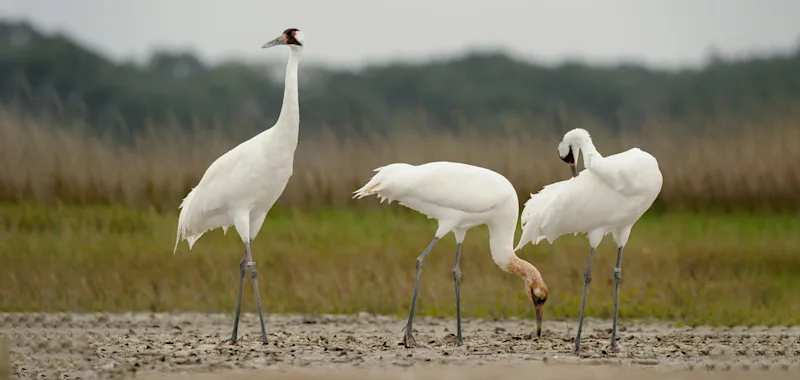
    After more than 50 years, the largest captive-breeding-and-release program for whooping cranes is closing. Housed at the U.S. Geological Survey Eastern Ecological Science Center in Laurel, Maryland, the $1.5 million program was cut from the federal budget for fiscal year 2018, which began October 1, 2017.

  • Videos

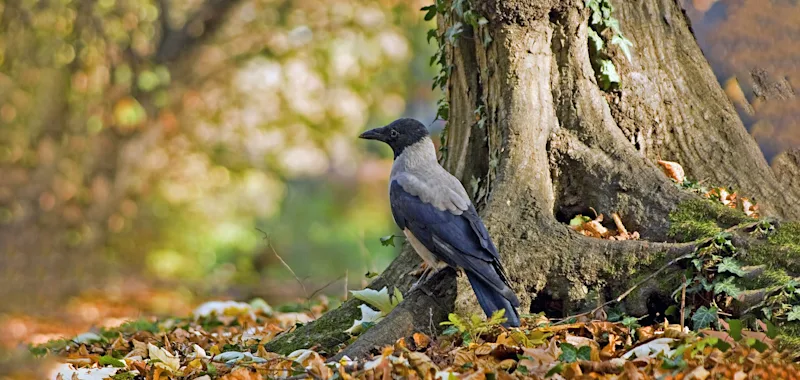
    Video: One Tree’s Wildlife Visitors in One Year

    Nov 9, 2017 · Candice Gaukel Andrews

    I love trees, and I’m not alone. There are those of us that write letters to them, that single-handedly plant forests of them, or—in my case—write books about them. The reasons we have for so loving our trees are many.

  • Conservation

    Dear Forests: Wish You Were Here—and That You’d Remain

    Oct 24, 2017 · Candice Gaukel Andrews

    This summer, the world lost a Nebraska-size chunk of forests. Logging, expanding palm oil plantations and wildfires are to blame. This continuing deforestation trend could have devastating implications for the climate. Simply put, forests aren’t merely pretty places. We need them.

  • News & More

    Keeping It Local: Nat Hab Fallfest 2017

    Oct 16, 2017 · Natural Habitat Adventures

    On the last weekend of September, the cottonwoods along Colorado’s Arkansas River were in full fall glory, burnished gold against the cobalt blue sky and snow-dusted peaks of the Collegiate Range.

  • Nature & Wildlife

    Endangered Orangutans of Borneo

    Oct 16, 2017 · Peter Davis Krahenbuhl

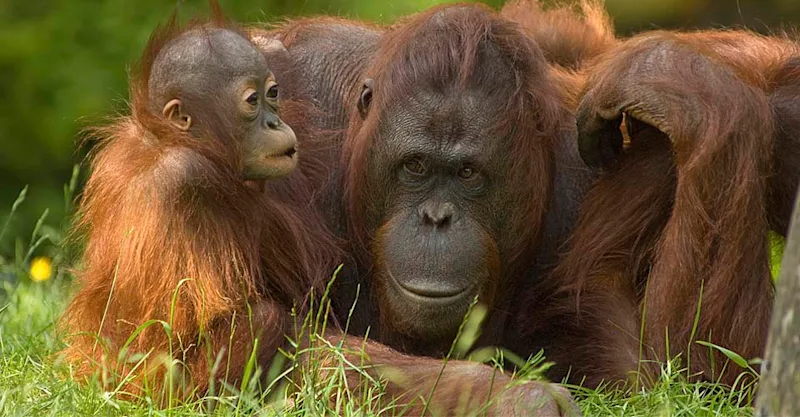
    Known as “the man of the forest,” the unique, colorful, highly intelligent orangutan went from an estimated 300,000 individuals in 1900 to only a handful of remaining populations today. And nowhere else is there a better place to see—and save—these incredible creatures, than in the wilds of Borneo.

  • Videos

    Rare and Raw: Wild Wolverine Video

    Oct 12, 2017 · Candice Gaukel Andrews

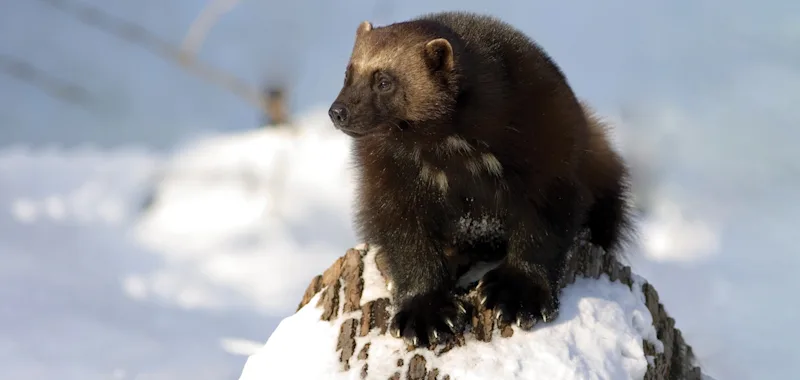
    Wolverines are exceedingly rare. It’s estimated that less than 250 of them still roam the Lower 48, almost exclusively in the rugged Rocky Mountains and North Cascades in the West.

  • Nature & Wildlife

    Could Reintroducing Lynx to Great Britain Revive Ecotourism?

    Oct 3, 2017 · Candice Gaukel Andrews

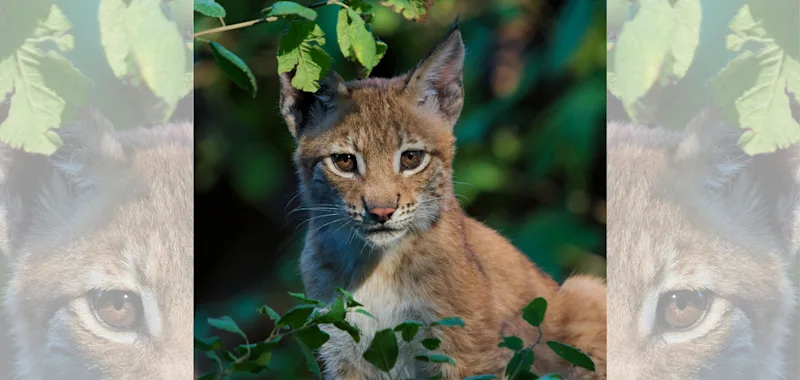
    It’s a story too often told. Once, a predator roamed wildlands and then was relentlessly hunted to extinction or to the brink of it. In the Lower 48, the histories of bison, gray wolves, beavers, grizzly bears and whooping cranes come to mind. In Great Britain, the story includes Eurasian lynx.

  • Conservation

    Nowhere to Hide

    Oct 1, 2017 · WWF

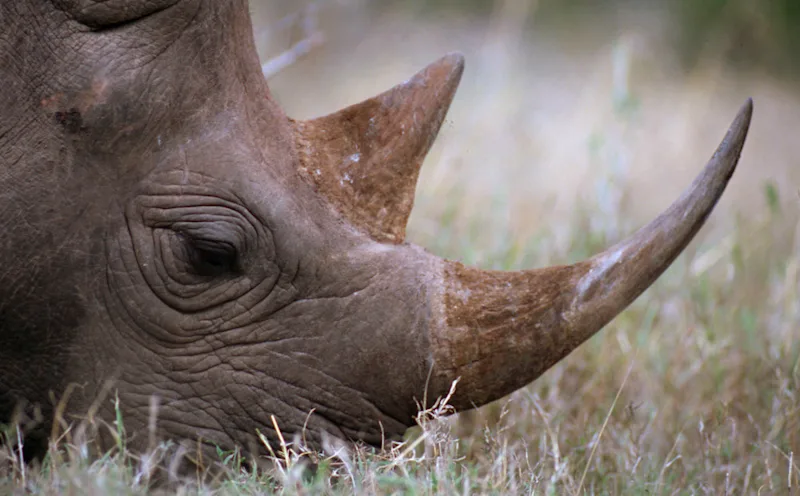
    Poachers, beware: High tech has its eye on you from dusk to dawn. And arrests are racking up steadily, thanks to a new night vision camera that’s policing prime wildlife habitat in Kenya. This may be a big break for vulnerable species at a time when crimes have spiked against endangered elephants, rhinos and tigers.

  • Videos

    Videos: Reforestation, One Nation and One Person at a Time

    Sep 28, 2017 · Candice Gaukel Andrews

    Around the world, deforestation is causing millions of species to lose their natural habitats. Estimates are that tracts half the size of England are lost annually, and scientists say that the world’s rain forests could completely vanish in a hundred years at the current rate of clearing.

  • News & More

    The Disappearing Glaciers of Glacier National Park

    Sep 26, 2017 · Candice Gaukel Andrews

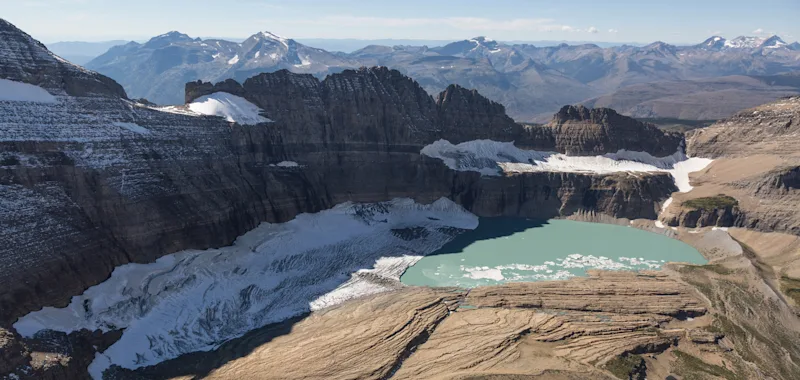
    Glacier National Park is smack-dab in the center of the breathtaking Crown of the Continent Ecosystem, which spans 10 million acres on either side of the U.S.-Canada border. Alpine meadows, grizzly bears, mountain goats, wildflowers and vast tracts of wilderness helped draw 2.9 million visitors to the park last year.

  • Nature & Wildlife

    Study Shows That Mountain Lions Fear the Sound of Human Voices

    Sep 19, 2017 · Candice Gaukel Andrews

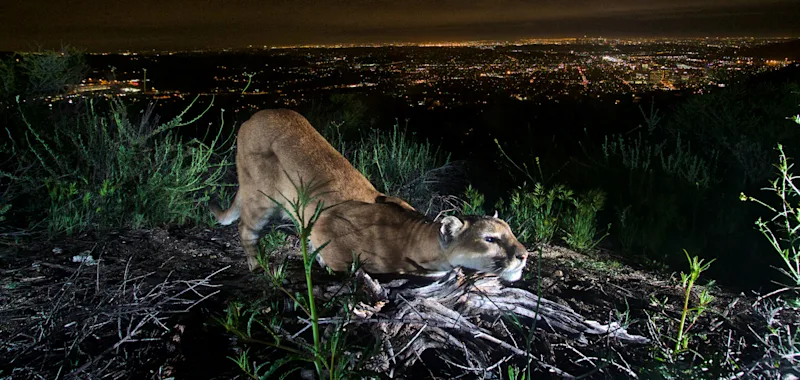
    The largest wild cat in North America, the mountain lion—also known as a catamount, cougar, panther and puma—has powerful limbs and can leap as high as 15 feet and as far as 40 feet. That makes it an expert at attacking prey from behind. It also tends to make hikers in mountain lion territory wary.

  • Videos

    Videos: Golden Eagle Catch and Release

    Sep 14, 2017 · Candice Gaukel Andrews

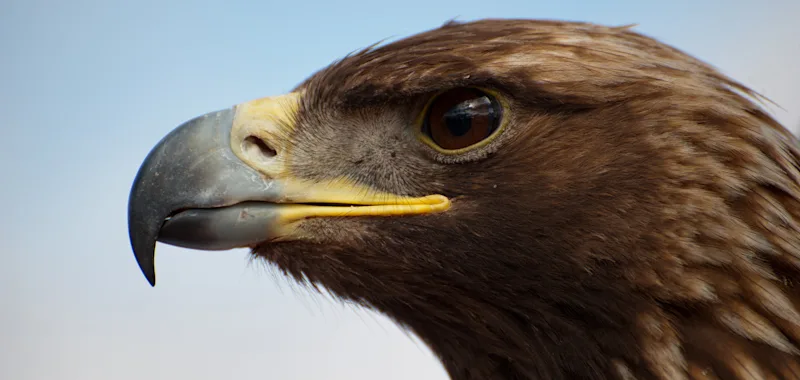
    One of the largest birds in North America, a golden eagle is an expert hunter. It can dive on prey from tremendous heights and has been clocked flying close to 200 miles per hour. Golden eagles primarily hunt ground squirrels, jackrabbits, marmots and prairie dogs.