Nowhere to Hide


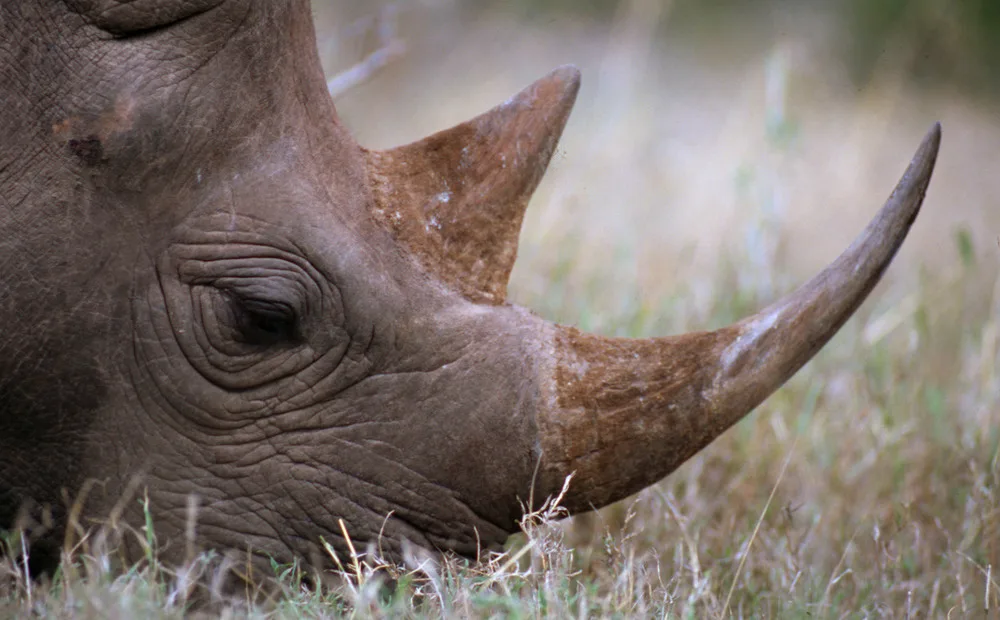
Poachers, beware: High tech has its eye on you from dusk to dawn. And arrests are racking up steadily, thanks to a new night vision camera that’s policing prime wildlife habitat in Kenya. This may be a big break for vulnerable species at a time when crimes have spiked against endangered elephants, rhinos and tigers.
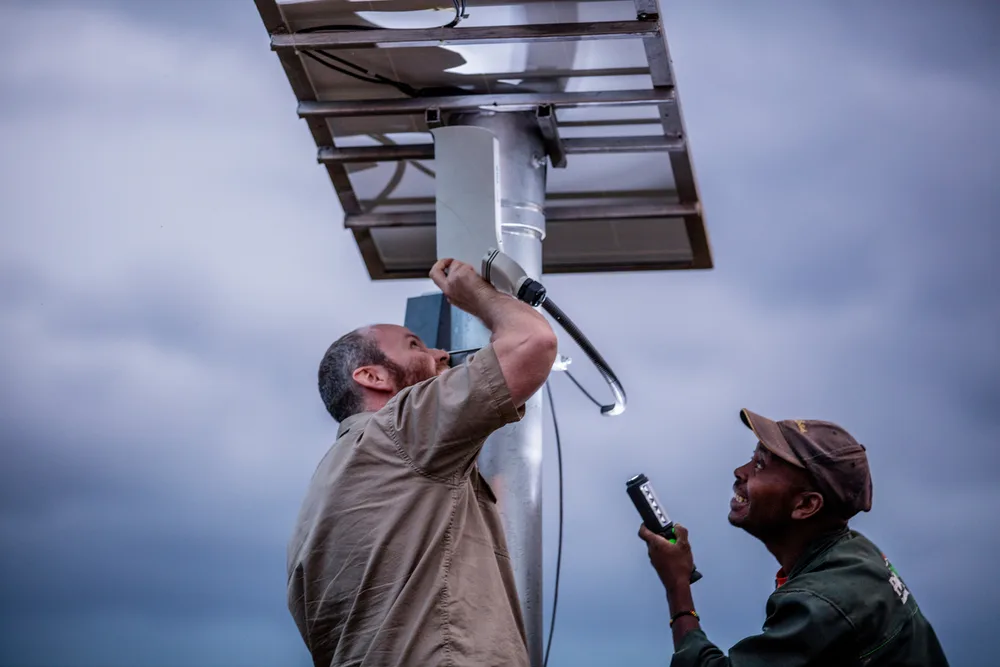
With a $5 million grant from Google, WWF’s Wildlife Crime Technology Project engineered a whole new way to monitor wild animals and nefarious human predators. This includes cameras so smart and heat sensitive that they can distinguish the difference between a hyena and a human. A system of thermal and infrared cameras with innovative software picks out poachers out from a mile away—and strips their ability to maneuver unseen after dark.
Meanwhile, park rangers get an alert via live stream and a precise location to catch the perps. Currently, both a stationary system of infrared cameras posted along park boundaries and a mobile unit mounted on a ranger truck are being tested. It’s an appealing solution to combat wildlife crime in parks and private conservancies all across Africa and Asia. More than two dozen poachers have been captured in the Mara Conservancy so far. That’s a success rate that might let rhinos sleep a little sounder.