

News & More
Environmental Activism: Arctic Drilling and Cecil, the Lion
On July 25, 2015, the MSV Fennica, a Royal Dutch Shell icebreaker which was carrying oil-drilling equipment to the Arctic, arrived in Portland, Oregon, for repairs.
News & More
On July 25, 2015, the MSV Fennica, a Royal Dutch Shell icebreaker which was carrying oil-drilling equipment to the Arctic, arrived in Portland, Oregon, for repairs.
Alaska
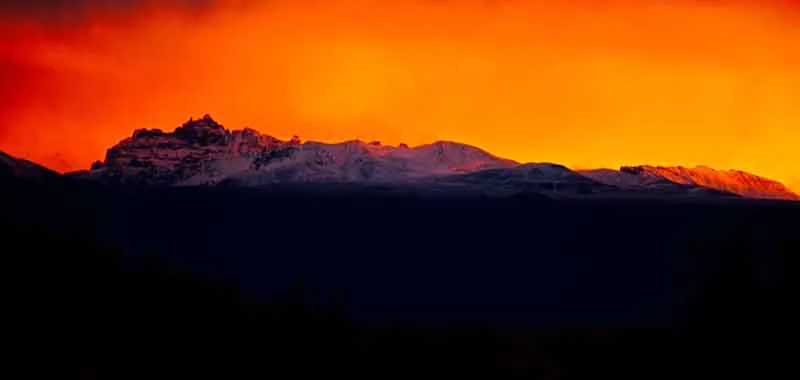
Alaska is on fire. Even where I live in Wisconsin, I can feel it. A NASA photo shows that a plume of smoke from those northern blazes extends all the way down through the Midwest. But that’s not the only reason why I should care about Alaska’s fires.
Videos
Last year, 2014, was the warmest on record since 1880, according to scientists at NASA’s Goddard Institute for Space Studies in New York. What is even more telling is that nine of the 10 warmest years since modern records began have now occurred since 2000.
Videos
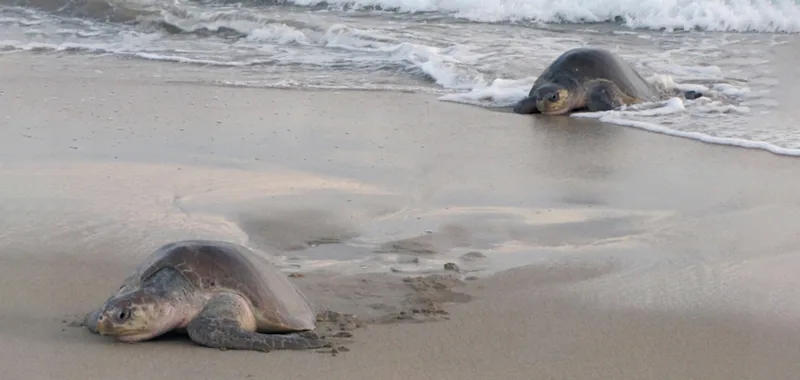
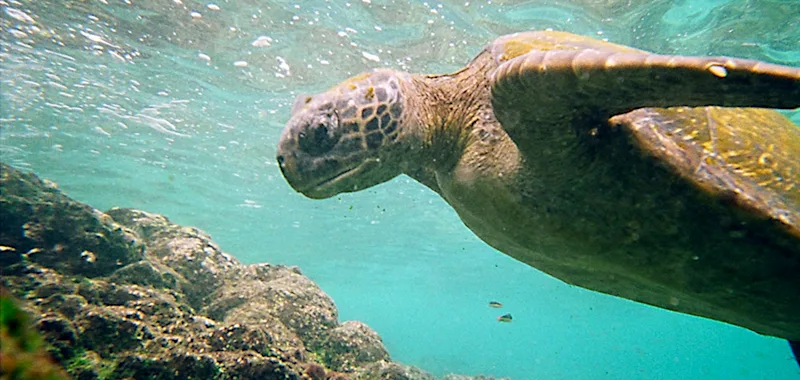
With the official start of summer arriving in just a little over a week, our thoughts are naturally turning to the world’s beaches. We won’t be the only ones, however, who’ll soon be populating the sands. Sea turtles are found in almost every ocean basin throughout the world.
Videos
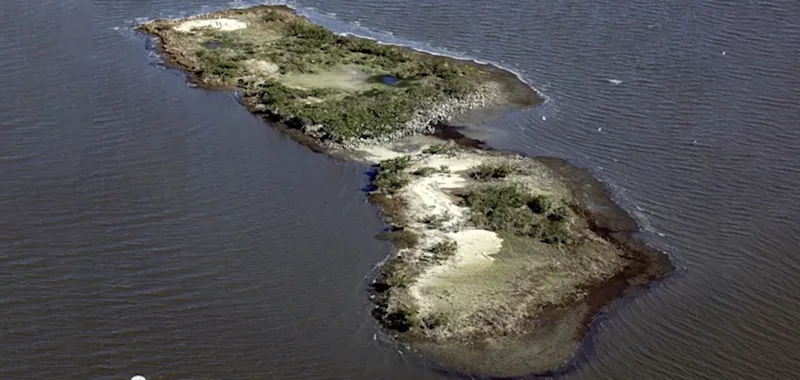
The many news reports regarding the consequences of rapid climate change have made us all familiar with the fact that some islands may soon disappear due to rising sea levels. But you may be surprised to learn that an offshore oil spill has already caused the destruction of an island.
News & More
Just over five years ago, on the evening of April 20, 2010, the BP Deepwater Horizon oil platform exploded off the coast of Louisiana, rupturing the Macondo exploration well below it.
Conservation
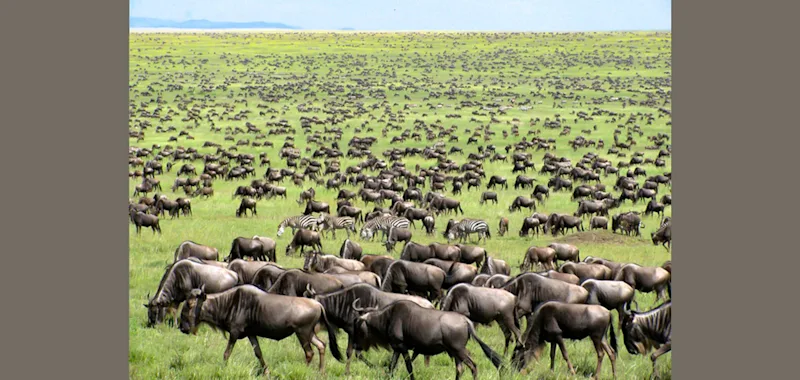
The classical elemental forces of nature are air, earth, fire and water. But there are other great environmental powers that have a beating heart, such as when millions of wild animals come together as one to surge across an endless African plain. Such is the Great Migration of wildebeests in Kenya and Tanzania.
Videos
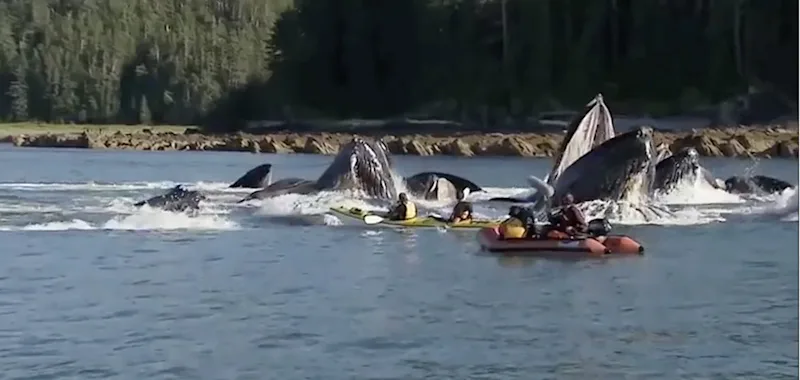
We know that the world’s forests—boreal, temperate and tropical—play a large role in sequestering carbon dioxide (CO2)—as long as drought, harvesting, insect damage and wildfires don’t overpower them. But we may have another “champion” helping us to combat rising CO2 levels: whales.
Conservation
Wednesday, April 22, is Earth Day 2015, the 45th celebration of what started out as a true grassroots movement—the environmental likes of which we haven’t seen since. Last year, on Earth Day 2014, I wrote about Americans’ declining concerns about natural resource issues and the slackening of our environmental laws.

Nature & Wildlife
There has been a lot of good news for endangered and “missing” wildlife lately, which seems like a breath of fresh air amid all the dire headlines about rapid climate change and environmental degradation.
News & More
Words are my business; I’m intrigued by them and the power they have. As an environmental writer, I am particularly interested in the terms we have to describe the natural world: is a particular landscape “inspiring,” or is it more of a “stirring” place?
News & More
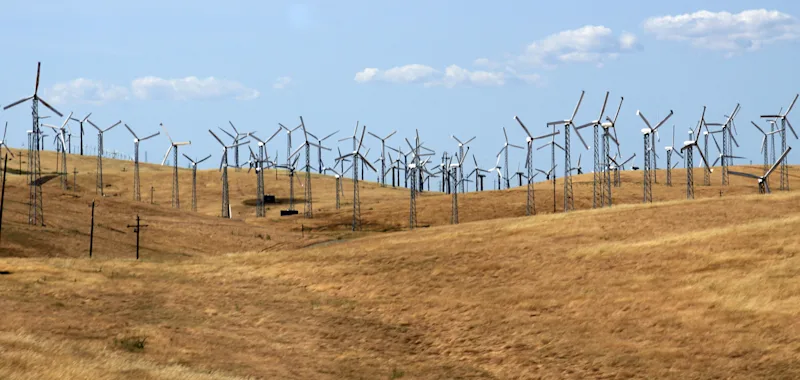
At the most recent United Nations Climate Change Conference, held in Lima, Peru, in December 2014, more than 190 countries—including the United States—voluntarily agreed to limit carbon emissions in order to keep the world from warming another 2 degrees Celsius (3.6 degrees Fahrenheit) by the end of this century.