Good Nature Travel Blog

  • Conservation

    Outdoor Industry Uses Its Power to Save Our Public Lands

    Jan 23, 2018 · Candice Gaukel Andrews

    In early December 2017, Patagonia—the outdoor clothing and gear company for silent sports—took a major stand. When Christmas shoppers looking for gifts visited the Patagonia website, they were met not by the usual ads but by a black screen with big, white letters that stated: “The President Stole Your Land.”
  • Nature & Wildlife

    Despite Cold Temperatures, the Earth Burns and the Arctic Is Lost

    Jan 2, 2018 · Candice Gaukel Andrews

    It’s the day after New Year’s, and we’re just entering into 2018. In Times Square last night, according to the Associated Press, it was the second-coldest New Year’s celebration on record. The temperature was only 10 degrees Fahrenheit in New York City at midnight.

  • Videos

    Video: One Tree’s Wildlife Visitors in One Year

    Nov 9, 2017 · Candice Gaukel Andrews

    I love trees, and I’m not alone. There are those of us that write letters to them, that single-handedly plant forests of them, or—in my case—write books about them. The reasons we have for so loving our trees are many.

  • Conservation

    Dear Forests: Wish You Were Here—and That You’d Remain

    Oct 24, 2017 · Candice Gaukel Andrews

    This summer, the world lost a Nebraska-size chunk of forests. Logging, expanding palm oil plantations and wildfires are to blame. This continuing deforestation trend could have devastating implications for the climate. Simply put, forests aren’t merely pretty places. We need them.

  • Conservation

    Artificial Reefs: Help for Endangered Ecosystems or Ocean Junk?

    Oct 17, 2017 · Candice Gaukel Andrews

    A full 25 percent of all the marine life on the planet calls coral reefs home. But around the world, these natural habitats are in trouble. According to World Wildlife Fund, about one-quarter of coral reefs are considered damaged beyond repair, with another two-thirds under serious threat.

  • Videos

    Videos: Reforestation, One Nation and One Person at a Time

    Sep 28, 2017 · Candice Gaukel Andrews

    Around the world, deforestation is causing millions of species to lose their natural habitats. Estimates are that tracts half the size of England are lost annually, and scientists say that the world’s rain forests could completely vanish in a hundred years at the current rate of clearing.

  • News & More

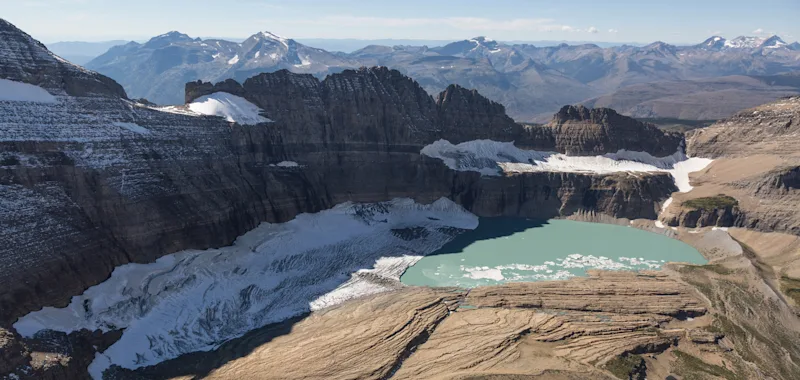
    The Disappearing Glaciers of Glacier National Park

    Sep 26, 2017 · Candice Gaukel Andrews

    Glacier National Park is smack-dab in the center of the breathtaking Crown of the Continent Ecosystem, which spans 10 million acres on either side of the U.S.-Canada border. Alpine meadows, grizzly bears, mountain goats, wildflowers and vast tracts of wilderness helped draw 2.9 million visitors to the park last year.

  • Nature & Wildlife

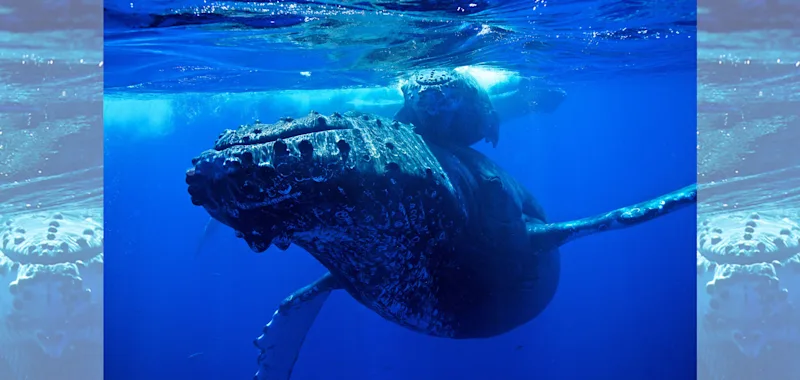
    Humpback Whales Are Gathering in Huge Numbers. Why?

    Sep 5, 2017 · Candice Gaukel Andrews

    Whales are complex creatures with very large brains. We are only just beginning to understand small portions of their highly developed cultures. Among the many things we don’t know about them is why they beach.

  • Conservation

    Losing Wildlife Hurts Biodiversity—and Our Bottom Lines

    Aug 1, 2017 · Candice Gaukel Andrews

    Wildlife tourism—tourism specifically based on encounters with undomesticated animals—accounts for 20 to 40 percent of the total $1 trillion annual, global tourism industry. This comes from a paper published in late 2015 in the peer-reviewed, science journal PLOS ONE. The paper further states that wildlife tourism is the leading foreign-exchange earner in several countries.

  • News & More

    Larsen Ice Shelf Breakoff: Our Future in Ice

    Jul 25, 2017 · Candice Gaukel Andrews

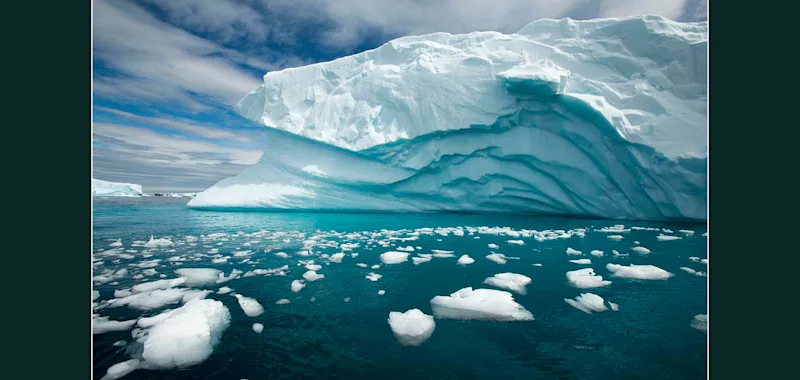
    A gigantic iceberg has just broken off from Antarctica’s massive Larsen C Ice Shelf. The berg began its independent life sometime in the middle of July 2017. And it’s huge. The 2,200-square-mile iceberg weighs a trillion tons (twice the volume of Lake Erie) and is nearly the size of Delaware.