Good Nature Travel Blog

  • African Safaris

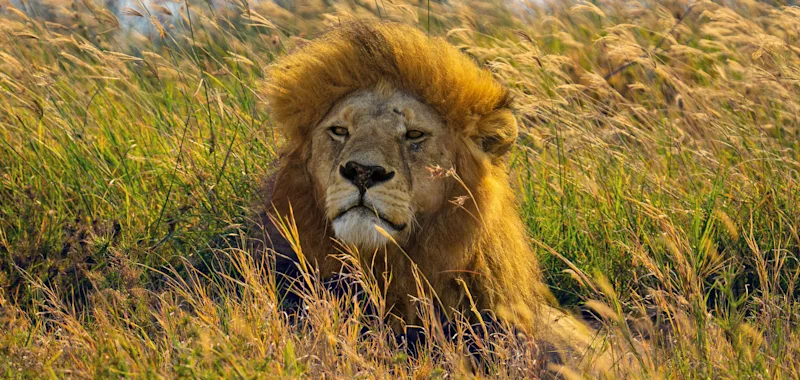
    Lion Teeth Tell Tales

    Oct 18, 2022 · Candice Gaukel Andrews

    Staggering natural wonders—such as Victoria Falls, considered to be the world’s biggest curtain of falling water (not because of a singular dimension, such as height or width, but because of all dimensions taken into account, including flow rate)—and a massive network of remote national parks where you can encounter most of Africa’s iconic wildlife…
  • News & More

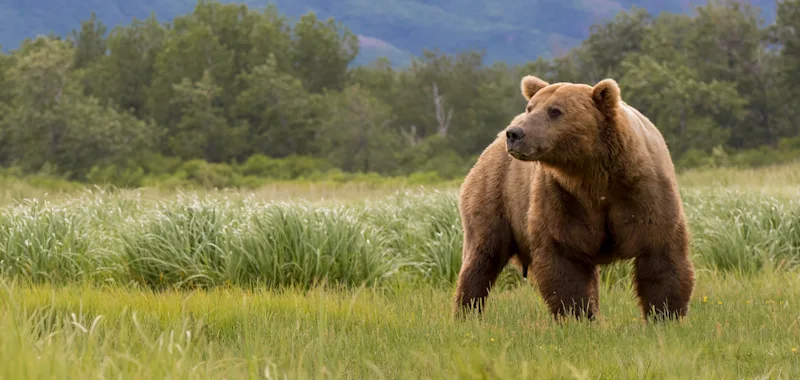
    Whale Sharks Top Kodiak Bears for World’s Largest Omnivore

    Oct 11, 2022 · Candice Gaukel Andrews

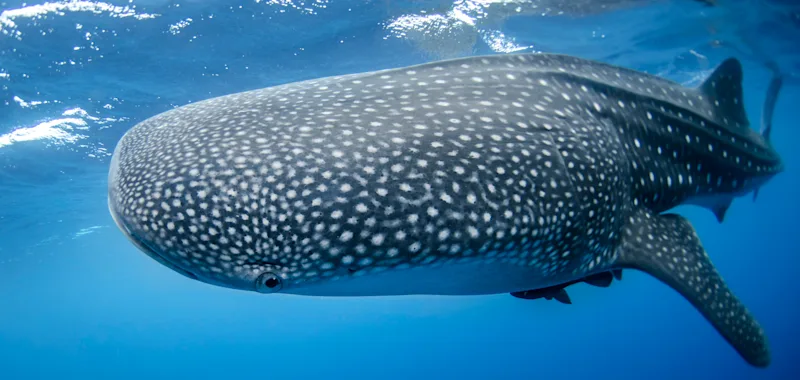
    Whale sharks are the biggest fish and shark in the world. Adults can weigh 41,000 pounds and average about 40 feet long, but they may grow as large as 65 feet. According to World Wildlife Fund (WWF), these gentle giants roam all the planet’s tropical oceans, generally alone.

  • Conservation

    Yellowstone Heats Up; Wolves Could Curb the Warming

    Oct 4, 2022 · Candice Gaukel Andrews

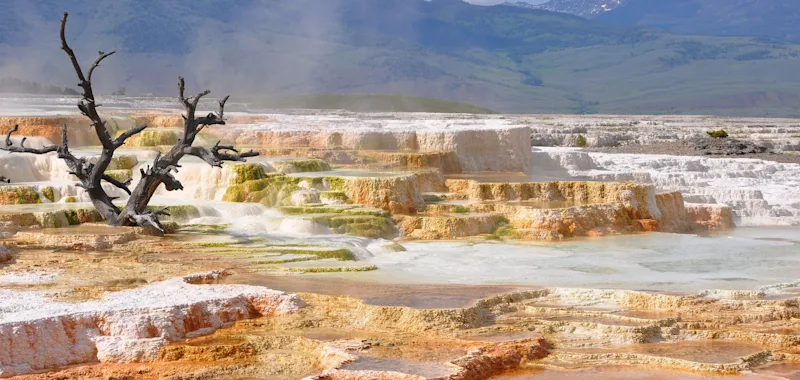
    Yellowstone National Park is famous for its beautiful but harsh winters. Blanketed in snow, it exudes an almost mythical aura—even in the season’s common subzero temperatures there.

  • News & More

    Nature Rx: Better Nutrition, Longer Life and Happier Days

    Sep 27, 2022 · Candice Gaukel Andrews

    Doctors in Scotland made headlines a few years ago when they began “prescribing nature” for their patients with a range of afflictions. That new practice was based on research that suggested that people who spent two or more hours per week in nature improved their health and well-being.

  • Conservation

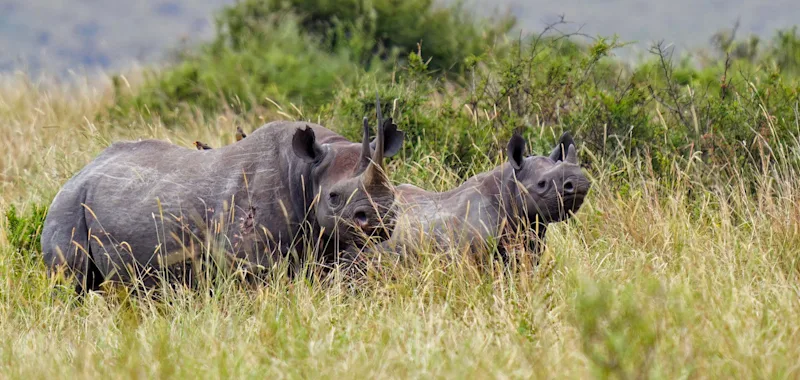
    Black Rhinos and White Rhinos: Counts, COVID and Conservation

    Sep 6, 2022 · Candice Gaukel Andrews

    As caregivers, parents and teachers of children, we try to encourage and respect every youngster’s individuality. We tell them that they are each unique and that every one of them has something separate to give, something different to learn and something distinct to create.

  • Conservation

    Backing Biodiversity Will Lessen the Climate Crisis

    Aug 23, 2022 · Candice Gaukel Andrews

    The history of life on Earth has been marked five times by events of mass biodiversity loss caused by extreme natural phenomena. Today, a sixth mass extinction crisis is underway, this time almost entirely caused by human activities. In fact, one recent survey revealed that more species are threatened with extinction than we previously thought.

  • News & More

    Could Greenland’s Past Be the Amazon’s Future?

    Aug 16, 2022 · Candice Gaukel Andrews

    One of the great mysteries of late medieval history is why did the Norse, who had established successful settlements in southern Greenland in 985, abandon them in the early 15th century? The consensus view has long been that colder temperatures, associated with the Little Ice Age, helped make the colonies unsustainable.

  • Nature & Wildlife

    The Pandemic–Wildlife–Climate Change Connection

    Aug 9, 2022 · Candice Gaukel Andrews

    What sparked the COVID-19 pandemic remains a mystery, according to the Council on Foreign Relations. Several hypotheses exist, but each lacks sufficient evidence to explain the cause of the crisis. Many scientists believe that SARS-CoV-2, the coronavirus that causes COVID-19, spread from animals to humans—known as zoonotic transmission—in late 2019.

  • Asia & The Pacific

    Studies of Extinct Ibex Could Save Today’s Tigers

    Aug 2, 2022 · Candice Gaukel Andrews

    The Pyrenean ibex (Capra pyrenaica pyrenaica) officially became extinct in January 2000, when a falling tree landed on Celia, the world’s last wild Pyrenean ibex. Unfortunately, what led up to that unhappy incident was a sad history for this wild mountain goat. Several species of ibex once lived across Africa, Asia and Europe.