Good Nature Travel Blog

  • Conservation

    New Galapagos Coral Reef Discovered

    May 23, 2023 · Candice Gaukel Andrews

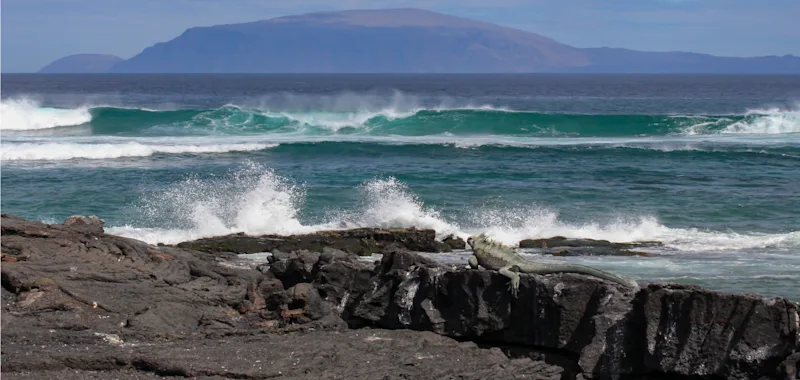
    Deep beneath the waters of the Galapagos Marine Reserve (GMR) and atop a submerged volcano, an ancient coral reef was just discovered by an international group of scientists. It’s the first to be documented inside the protected area since it was established in 1998.
  • Nature & Wildlife

    Crisis Couple: Biodiversity Loss and Climate Change

    May 16, 2023 · Candice Gaukel Andrews

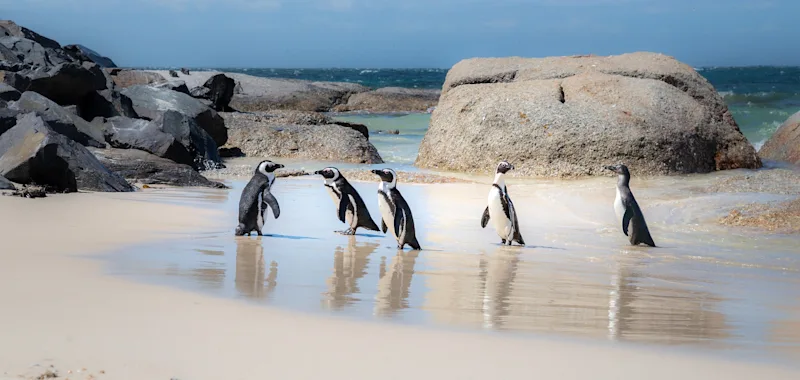
    Highly social and very vocal, African penguins are native to the waters of South Africa. But these endangered birds are now struggling to survive the human impacts and the unfolding climate crisis of the Anthropocene. However, their climate story goes back much further than our modern epoch.

  • Conservation

    Corridors Connecting National Parks Could Conserve Wildlife

    May 9, 2023 · Candice Gaukel Andrews

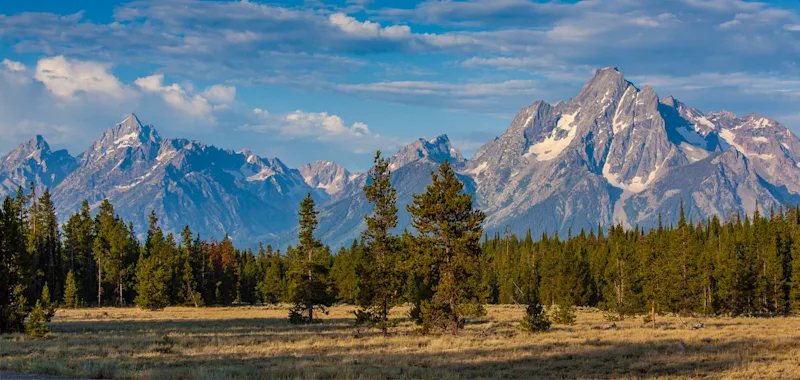
    Our national parks aren’t only “America’s best idea,” as environmentalist and nature writer Wallace Stegner called them. These special places are the backbone of national conservation programs.

  • Conservation

    Drones: New Wing Movements and Watching Wildlife Groups

    May 2, 2023 · Candice Gaukel Andrews

    Unmanned aerial vehicles (UAVs), also known as drones, don’t offer just a safer way for wildlife biologists to observe their subjects; they’re often less costly, more efficient and more precise than traditional approaches. While researchers are still navigating the challenges and complexities of mixing wildlife and drones, the technology holds incredible potential.

  • Conservation

    Arbor Day 2023: More Trees Means Longer Lives

    Apr 25, 2023 · Candice Gaukel Andrews

    On the last Friday in April, we will mark the annual National Arbor Day. This year, that date is April 28. Much like Earth Day, Arbor Day celebrates nature. Its main purpose is to encourage people to plant trees. Some communities also take this opportunity to organize litter-collecting events.

  • Conservation

    Earth Day 2023: Invest in Our Planet

    Apr 18, 2023 · Candice Gaukel Andrews

    I like to think that Earth Day and I have a personal relationship. I remember participating in the first one as a demonstrator on April 22, 1970. At that time, there was no Clean Air Act, no Clean Water Act and no Environmental Protection Agency.

  • Conservation

    Your Eco-Anxiety Is Real. Here’s How to Handle It.

    Apr 11, 2023 · Candice Gaukel Andrews

    It was in 1999, I think, when I went to a writers’ convention and participated as a panelist for a discussion on environmental-and-nature writing. One of the questions from a member of the audience directed to all of us on the dais was: “What keeps you up at night?”

  • Conservation

    Iceland: A “Future Food” Protein Provider

    Apr 4, 2023 · Candice Gaukel Andrews

    Although you may never have heard of it, spirulina is among the world’s most popular alternative-protein foods. This nutrient-filled and antioxidant-rich blue-green alga is highly sustainable, risk resilient, and grows in both freshwater and saltwater.

  • Nature & Wildlife

    Glacier National Park Has More Canada Lynx Than Expected

    Mar 21, 2023 · Candice Gaukel Andrews

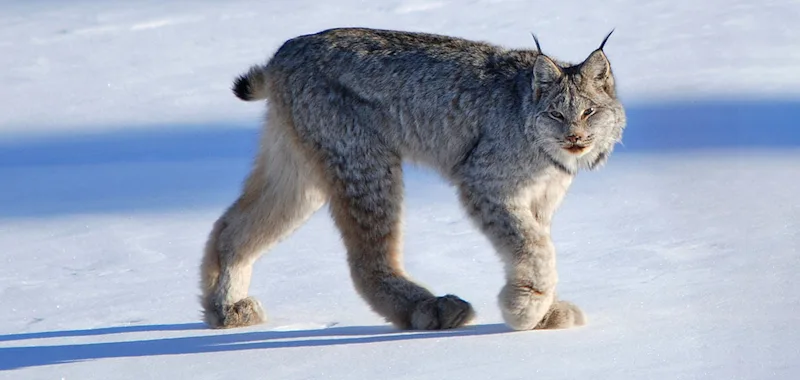
    Known for their long, black ear tufts and ability to hunt ghostlike across the surface of deep snow, Canada lynx are the elusive, midsize cats (hardly bigger than a large house cat) that feed almost exclusively on snowshoe hares.

  • African Safaris

    Privately Caring for Rhinos and Publicly Tolerating Tigers

    Mar 14, 2023 · Candice Gaukel Andrews

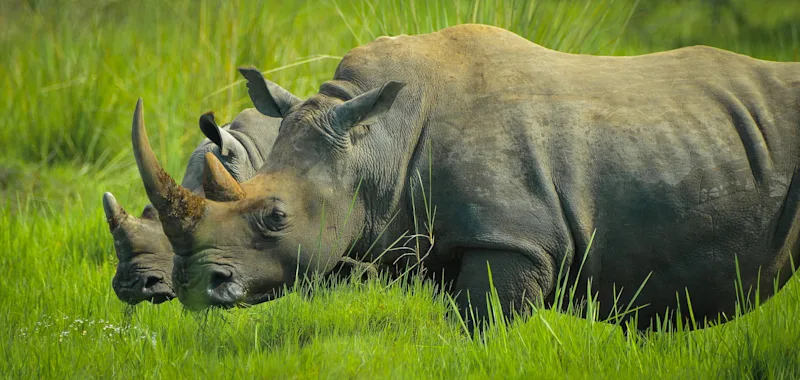
    Often, the numbers seem to look bad for African rhinos. Right now, the statistics show that these animals are rapidly declining in core, state-run reserves, such as South Africa’s Kruger National Park. Currently—much like with tigers—more than half of the continent’s remaining rhinoceroses are now on private lands.

  • Conservation

    Salmon-Fed Flowers, Sockeye-Rich Shores and Self-Aware Fish

    Mar 7, 2023 · Candice Gaukel Andrews

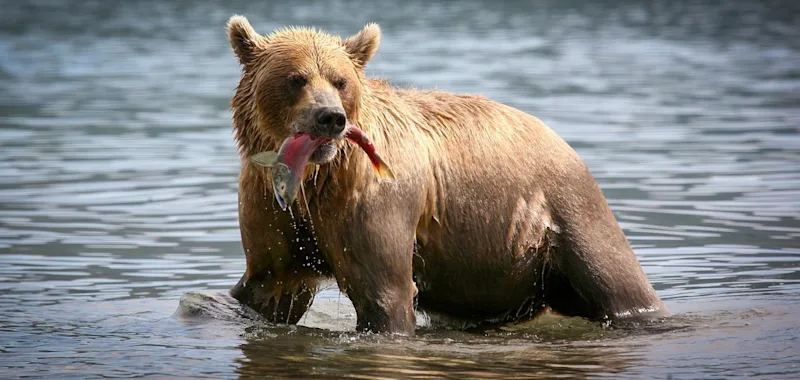
    Although sometimes heart-wrenching to discover on our nature outings, the animal carcasses that we may come across play an important role in the functioning of healthy ecosystems. The animal remains not only provide food for many carrion-eating species, their nutrients also contribute to the significantly increased growth of surrounding plants.