

Conservation
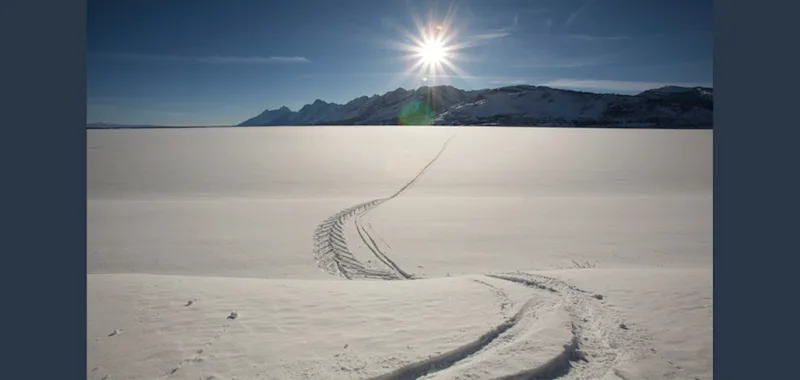
We Need More Snow Days
I think part of the reason that I love snow and ice is because I think winter is an endangered species. Have you ever chosen to travel to a particular place because you miss the colder winters of the past?
Conservation
I think part of the reason that I love snow and ice is because I think winter is an endangered species. Have you ever chosen to travel to a particular place because you miss the colder winters of the past?
Nature & Wildlife
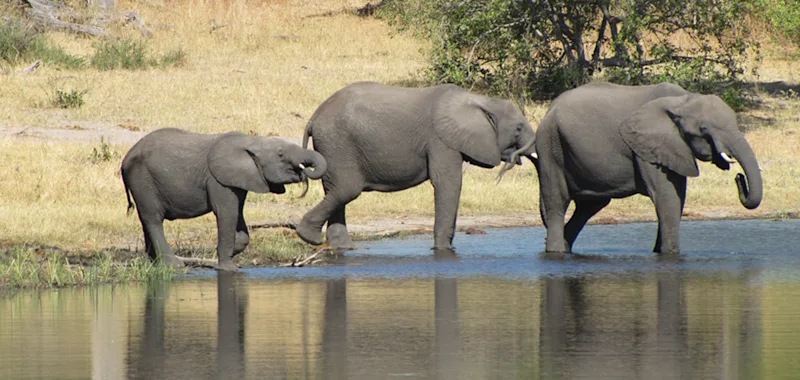
Last week, the U.S. Fish and Wildlife Service pulverized nearly six tons of illegal African and Asian elephant ivory. A conservative estimate of this ivory, which was seized at our nation’s ports of entry from the late 1980s to the present, is that it represents 2,000 animals.
Nature & Wildlife
There’s an interesting, little book I picked up a few years ago. It’s titled Back in the Day: 101 Things Everyone Used to Know How to Do.
Nature & Wildlife
There’s no doubt that tracking devices, such as GPS collars, have helped researchers monitor and conserve wildlife. While the necessity of capturing and handling wild animals—and the high costs involved—in order to attach these mechanisms has been controversial for some time, now a band-new, sinister use of these tools is being discovered.
Videos
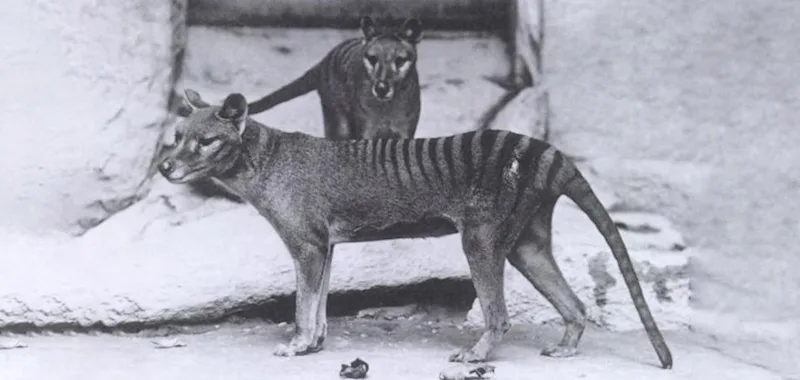
As with the film footage of the last known imperial woodpecker or the remains of the last passenger pigeon, seeing video of the final member of any animal’s kind is sad and eerie, and a good reminder of how fragile our planet and its life-forms are.
Videos
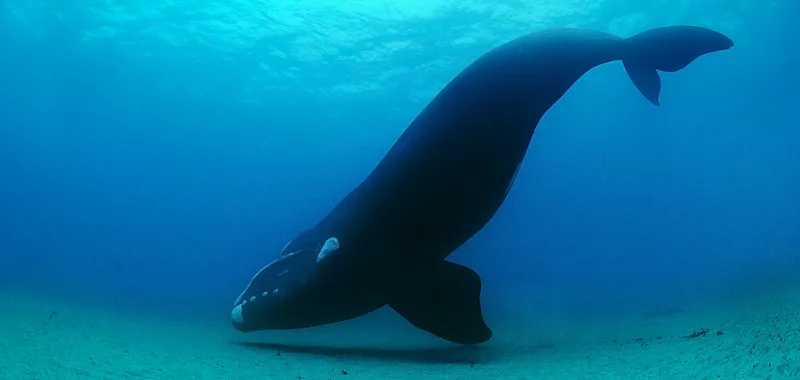
The most rare of all large whales, right whales were given their common name by whalers, who identified them as the “right whales” to kill. At 50 feet long and weighing 70 tons, right whales were hunted for their plentiful oil and baleen, which could be made into buggy whips, corsets and parasol ribs.
Videos
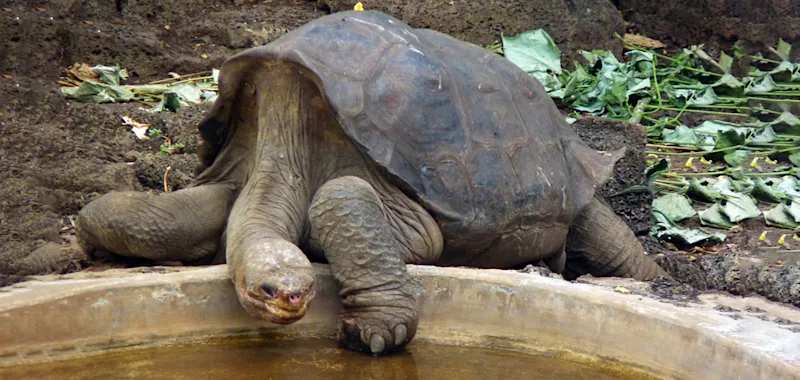
The passing of Lonesome George last month was a sobering event for the whole world. With him went the last of his kind, the giant Galapagos Pinta tortoise.
Conservation
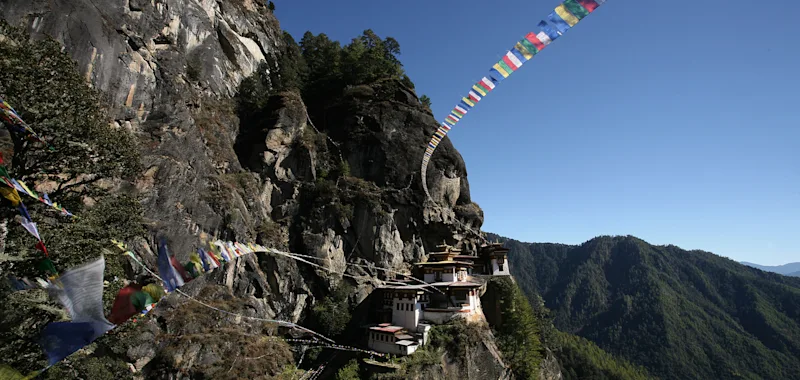
By any measure, Bhutan is a spiritual place, known for how it assesses the quality of life of its citizens, phrased as “gross national happiness (GNH).” The term, in fact, was coined in 1972 by Bhutan’s then King Jigme Singye Wangchuck, who used it to signify his commitment to social progress.
Nature & Wildlife
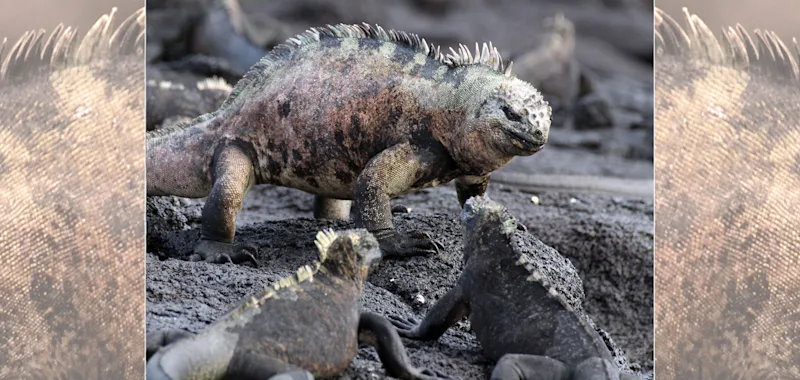
Animals and plants are shrinking, and most scientists believe that global warming is the cause. Recently, researchers examined 85 species and found that 45 percent of them have been steadily decreasing in size from generation to generation.
Nature & Wildlife
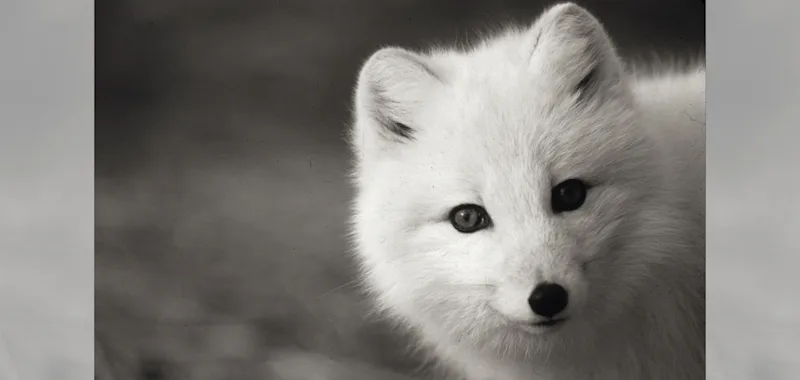
An arctic fox off the coast of Baffin Island has recently proved that wanderlust isn’t restricted to humans. Apparently, this little canid—and some others of her kind—has a propensity for it, too. In spring 2008, Canadian biologists fitted 29 arctic foxes with tracking collars and began monitoring their movements by satellite.
Videos
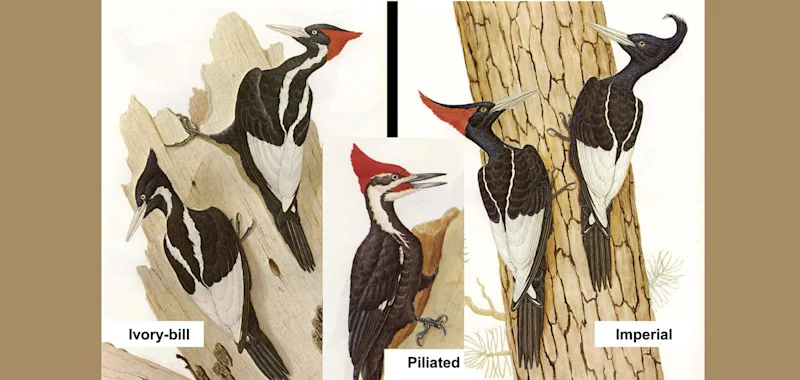
Campephilus imperialis (the imperial woodpecker) may have been the largest woodpecker that ever lived. The last documented sighting of this two-foot-tall bird happened in 1956 in the state of Durango, in the high-altitude, old-growth pine forest of the Sierra Madre in Mexico.
Nature & Wildlife
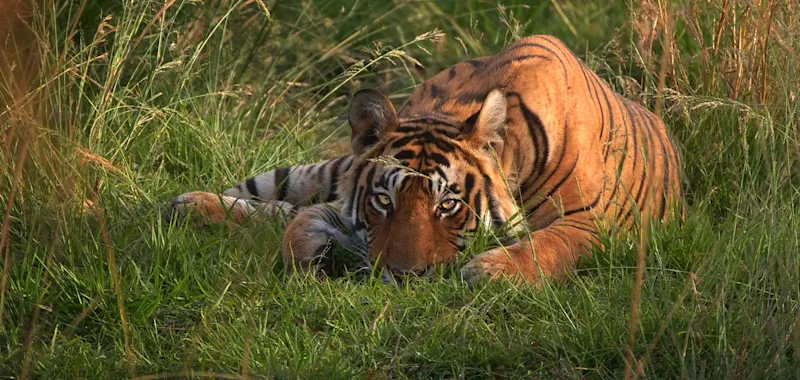
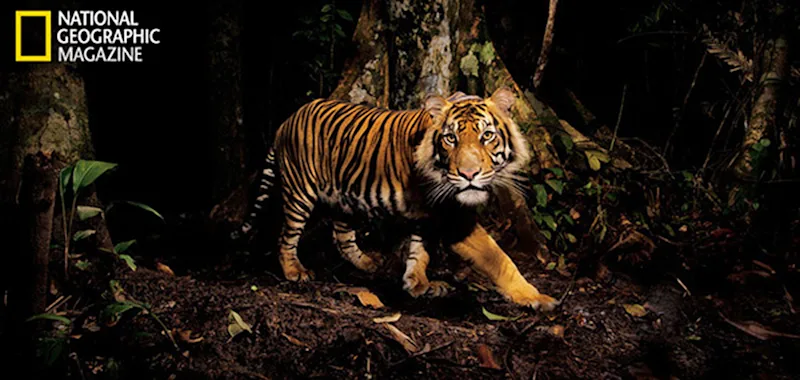
“We have the means to save the mightiest cat on Earth, but do we have the will?” asks writer Caroline Alexander in an article titled “A Cry for the Tiger” in the December 2011 issue of National Geographic magazine. The question certainly gives us pause.