

Nature & Wildlife
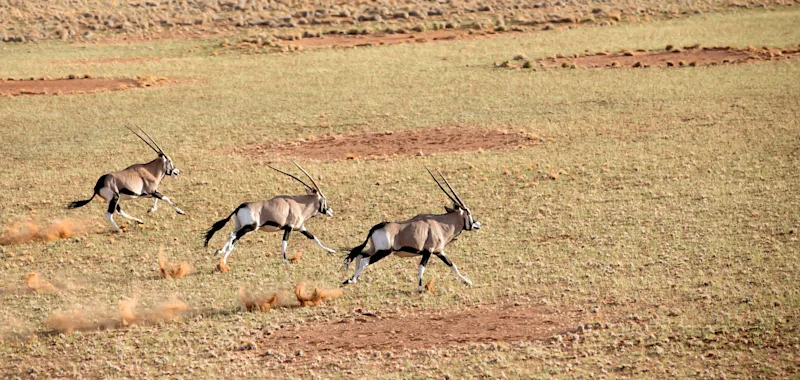
Ecological Enigmas of Easter Island and Namibia’s Desert
Haunting photos and mysterious stories of the stone statues—or moai (pronounced mo-eye)—on Easter Island have probably fascinated you since you were a child.
Nature & Wildlife
Haunting photos and mysterious stories of the stone statues—or moai (pronounced mo-eye)—on Easter Island have probably fascinated you since you were a child.

Nature & Wildlife
Songs have power. That was never made clearer to me than when I recently read about some new discoveries involving the songs of animals. Songs can lead us to find rare wonders.
Conservation
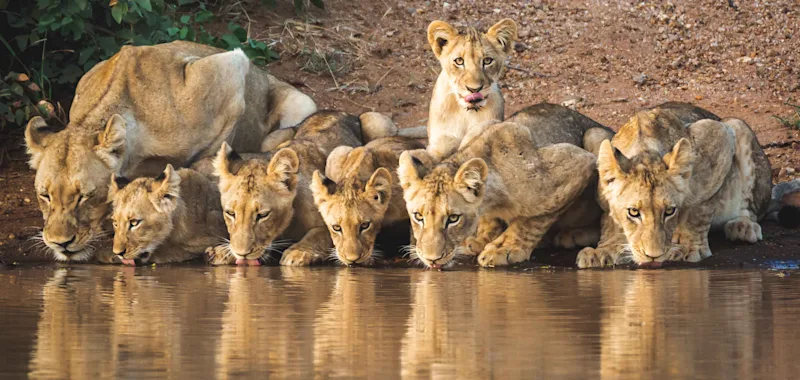
In our human-dominated world, Earth’s most iconic and imperiled wildlife are facing tough decisions. Two lion brothers recently illustrated that fact when they undertook a long, record-breaking swim across a predator-infested African river in search of homes and mates.
News & More
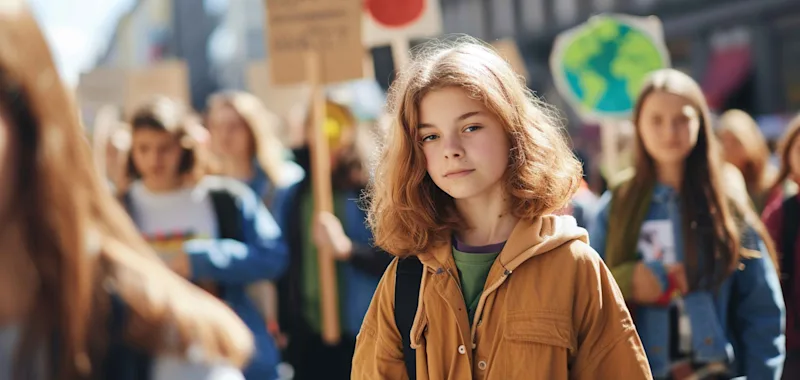
Beyond the widely reported higher temperatures, rising sea levels, and negative impacts on food supplies and animal and human migrations, worsening, human-induced climate change is amplifying mental distress among teenagers in Australia and in the United States. That’s not good.
Nature & Wildlife
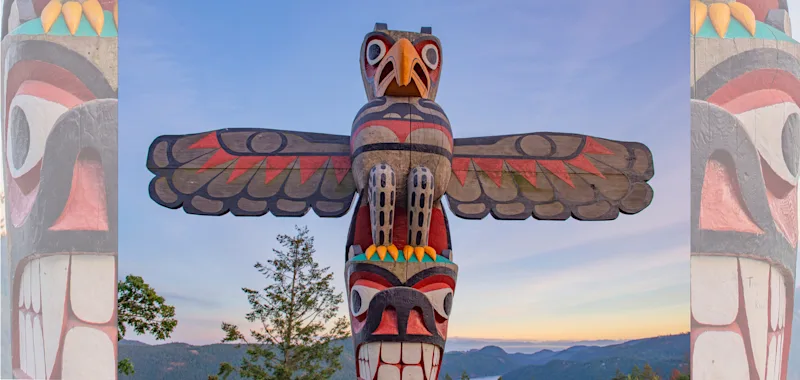
Many Native American communities belong to a clan that identifies with an animal, such as a bear, eagle or turtle. Such four-legged, winged or swimming family members are considered brothers and sisters. Several play major roles in creation stories, and conversations between them and people flow freely.
Conservation
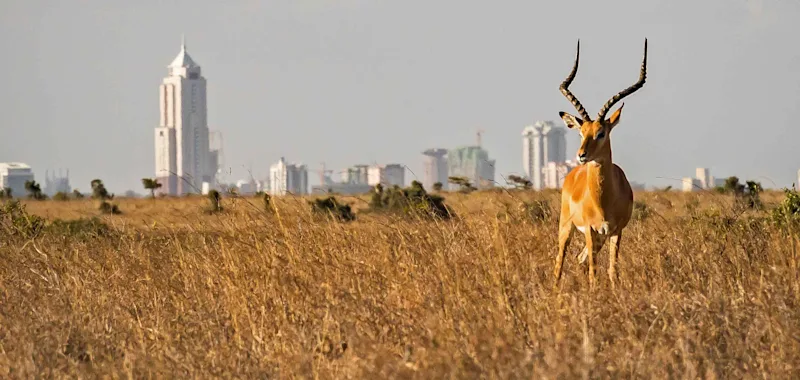
Here, in the United States, 80% of us live in cities. If you’re in that majority, how do you feel about your wild neighbors, the animals who also live in our urban areas? It’s an important question to ask because your answer has major implications for biodiversity protections, nature conservation and urban planning.
Nature & Wildlife
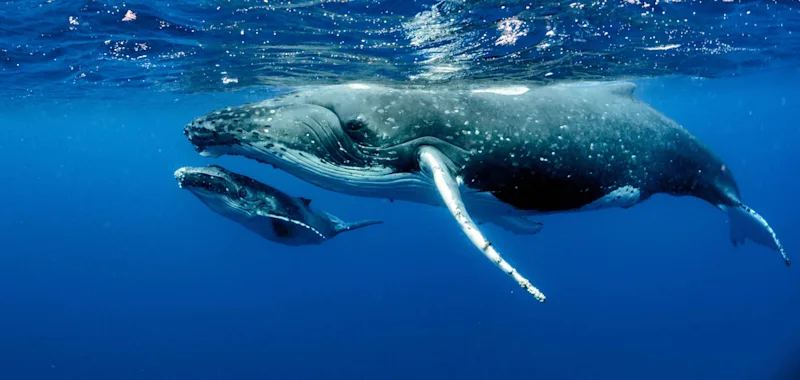
Oceans pulsate with underwater songs, coral reefs crackle and croak, and the sounds from stars tell us just how far away they are. It seems the whole universe absolutely vibrates with music. Now, science is verifying that notion.
Nature & Wildlife
We know that spending time in nature is good for us, proven by hundreds—perhaps thousands—of scientific studies. But most of what we know about nature and its benefits have come from research focused on how seeing nature affects us.
Nature & Wildlife
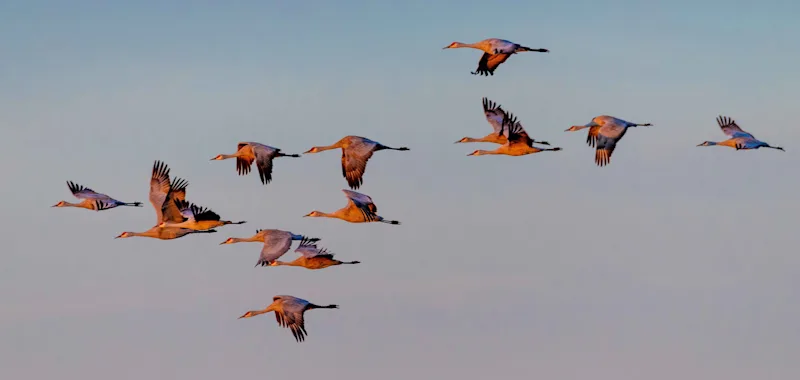
Nearly 1,000 birds were killed in Chicago on October 4, 2023, when they collided with an illuminated glass building. Though mass fatalities of this magnitude are rare, light pollution poses a serious—and growing—threat to migrating birds. We need birds.
Nature & Wildlife
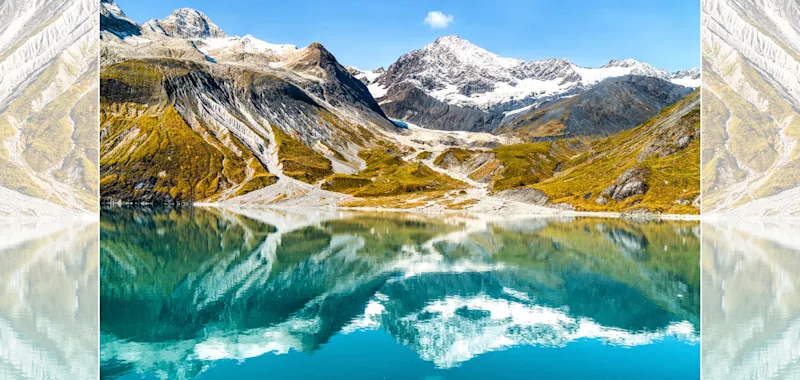
Glaciers are tremendous accumulations of snow, compacted by weight and turned to ice. They move with gravity due to their own mass, often carrying rocks and sediment debris with them.
Conservation
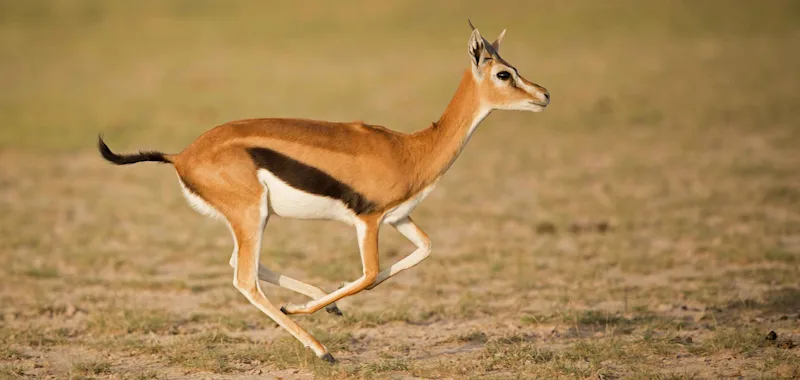
The grace of a running gazelle, the majesty of a migrating herd of wildebeests, the elegance of an outstretched wing in flight or the grand glissades of massive glaciers. These are nature’s lissome movements. There’s nothing else like them.
Conservation
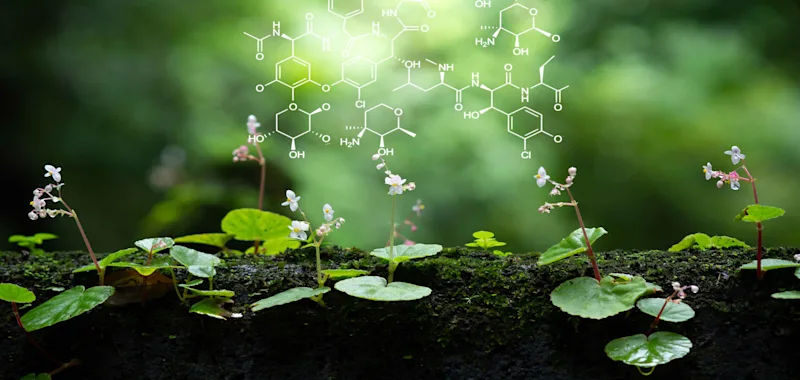
Drawing on her life as an Indigenous scientist, author Robin Wall Kimmerer in her now iconic 2015 book Braiding Sweetgrass: Indigenous Wisdom, Scientific Knowledge and the Teachings of Plants intertwines the knowledge she gained during her Potawatomi upbringing with the education she later received as a scientist—specifically, a plant biologist.