The Future of Galapagos Cruising

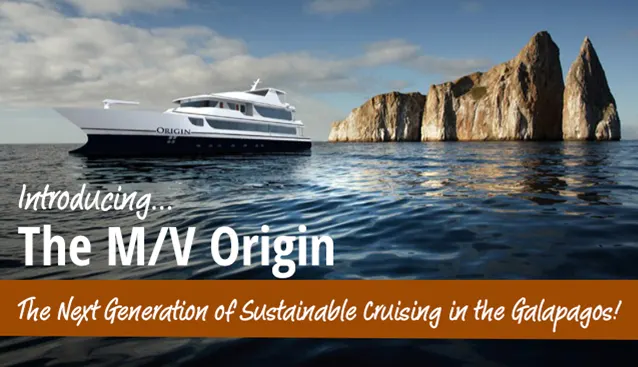
Experience the wonders of the Galapagos on a small-group adventure aboard the newest private yacht exploring the islands – the M/V Origin, designed with the most cutting-edge features available in the archipelago.
Making its debut with Nat Hab and WWF, opens in new tab in April 2016, we’re thrilled to add the Origin to our collection of distinctive vessels exploring the Galapagos. Reflecting cutting-edge environmental standards, the brand-new ship combines sophisticated design with superlative features and service.
The Origin, designed for optimal fuel efficiency, will be one of the most eco-friendly vessels in the Galapagos. Aiming to reduce fossil fuel consumption by 30-40% from other ships in the archipelago, a number of innovations will make this ship more fuel efficient than other vessels:
The curved design of the bow to cut the waves, which provides greater comfort when the ship hits a wave and also creates less drag, which translates to greater fuel efficiency.
The underwater bulbous keel on the stern of the ship reduces drag and friction and increases speed, without increasing RPMs, therefore reducing fuel consumption.
The Origin uses a lighter type of steel and a special welding technique that results in a bigger ship with less weight, without compromising rigidity and safety.
The ship will use the latest in fuel efficient engine and generator technology.
The Origin will also implement modern techniques to minimize water pollution and save water:
By international regulations, ships are generally allowed to dispose of untreated grey water when at a given distance from shore, and most ships in the Galapagos practice this method of waste disposal. However, the Origin will not dispose of any grey water into the ocean. Instead, it will treat all grey water (and black water too!) with a state-of-the-art on-board treatment plant that will filter more than 10,000 liters per day.
It will feature ecological marine toilets. What makes them ecological? Each toilet has the option of a 1.2 or 2.2 liter flush, as well as a special Sanimarin maceration pump, opens in new tab, which requires less water in the black water tanks.
Not just for guest cabins, these toilet systems will be installed ship-wide, including crew cabins, guide cabins, captain quarters, and common areas.
As we cruise from island to island, swimming with sea lions, opens in new tab and turtles and walking ashore among iguanas and blue-footed boobies, you’ll relish the amenities offered by this yacht that provides your home base.
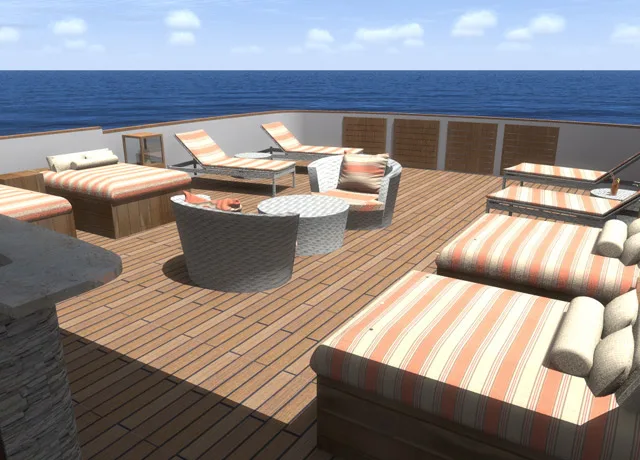
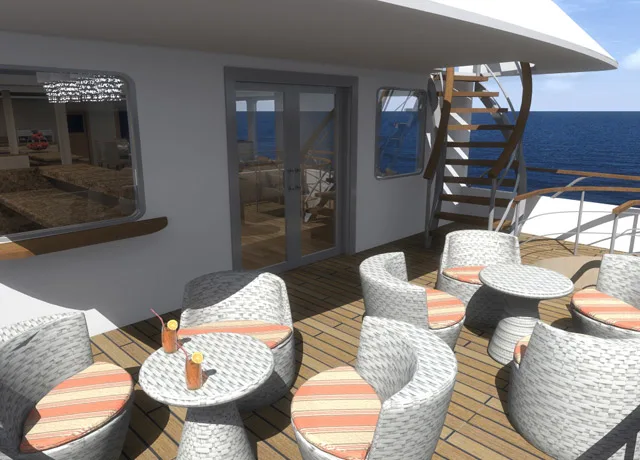
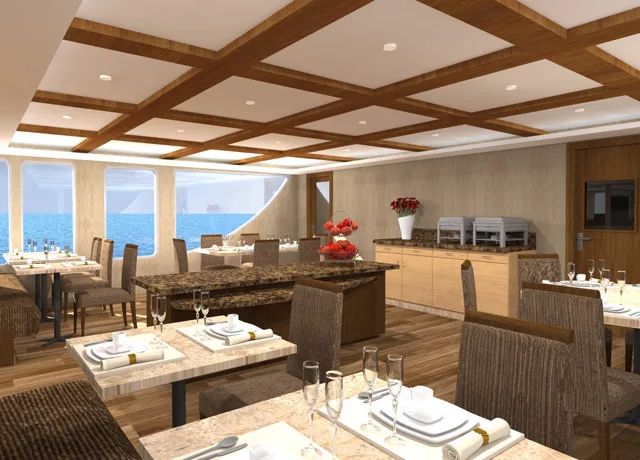
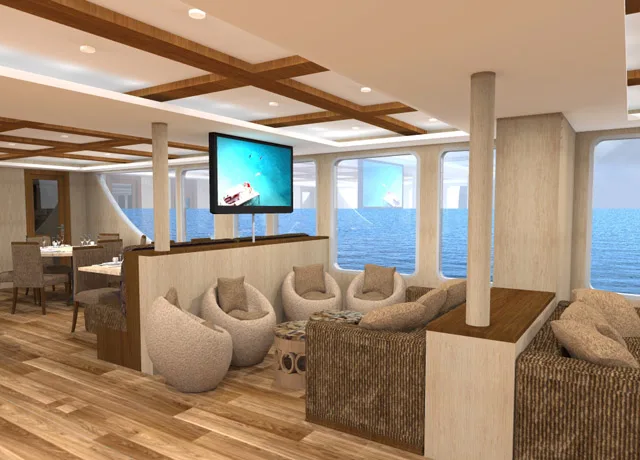
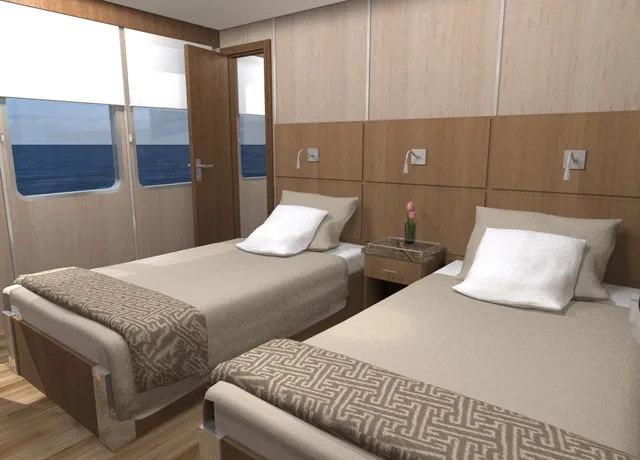
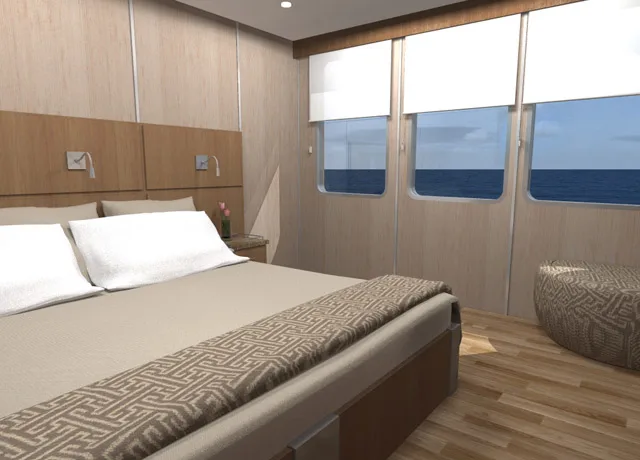
Ten en suite cabins have panoramic windows offering uninterrupted views of the passing scenery and marine life. Gourmet fare is served in the casual yet elegant dining room or al fresco—with an open bar. On the spacious topside deck you’ll find hammocks, settees, bed-sized chaises for reclining in the sun or shade, and a Jacuzzi for soaking under the stars.
The Origin carries kayaks, snorkeling gear, and wetsuits, for a full complement of active ways to explore the islands. And you’ll also enjoy a Nat Hab exclusive – a night ashore at our Tortoise Camp in the highlands of Santa Cruz!
We’re proud to feature three of the finest ships in the islands for our Classic Galapagos Adventure – the Letty, the Athala II, and now, the elegant Origin. Join us aboard the small-ship departure of your choice!

Scroll down to see more images of the Origin.