Cutest Cubs of them all – Baby Polar Bear Facts & Photos

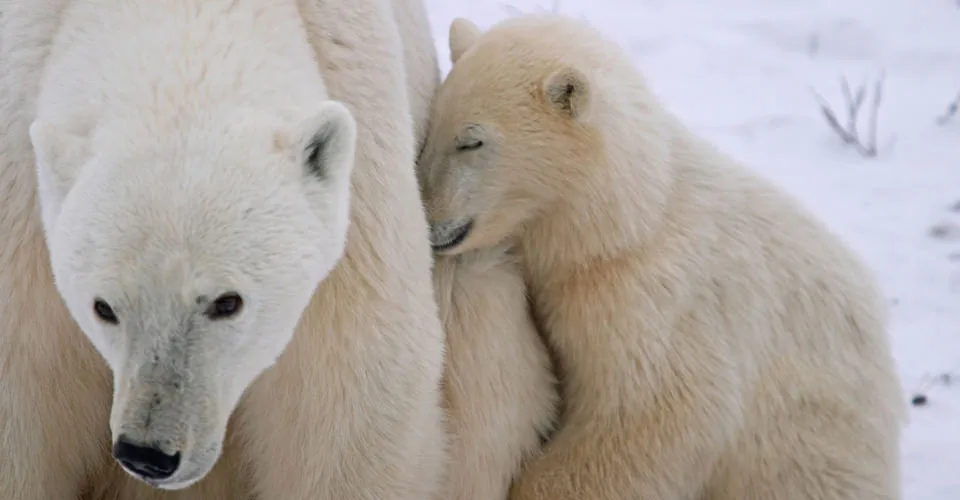
While we humans like to claim that our own offspring are incredibly cute creatures, there is no denying that the most adorable babies in the world are the future kings of the great white North.
Polar bears are born in the shelter of their mother’s den. Instinct kicks in and she will dig into snowdrifts, snow-covered hills or snow ridges near the coast of the Hudson Bay. Weighing only 16 to 24 ounces and measuring about one foot long, baby polar bears are born small and helpless, with their eyes closed. Their fur is very fine and translucent at birth, making the cubs look almost hairless—a shocking discovery when you are born into such a cold place!
Despite the fact that polar bear dens are built in the snow, they provide the cubs protection from the wind, cold and predators, the most common of which include Arctic foxes and other polar bears, especially adult males. The den is warmer than the outside air since snow traps air molecules and the bears’ bodies generate heat, resulting in a form of natural insulation.
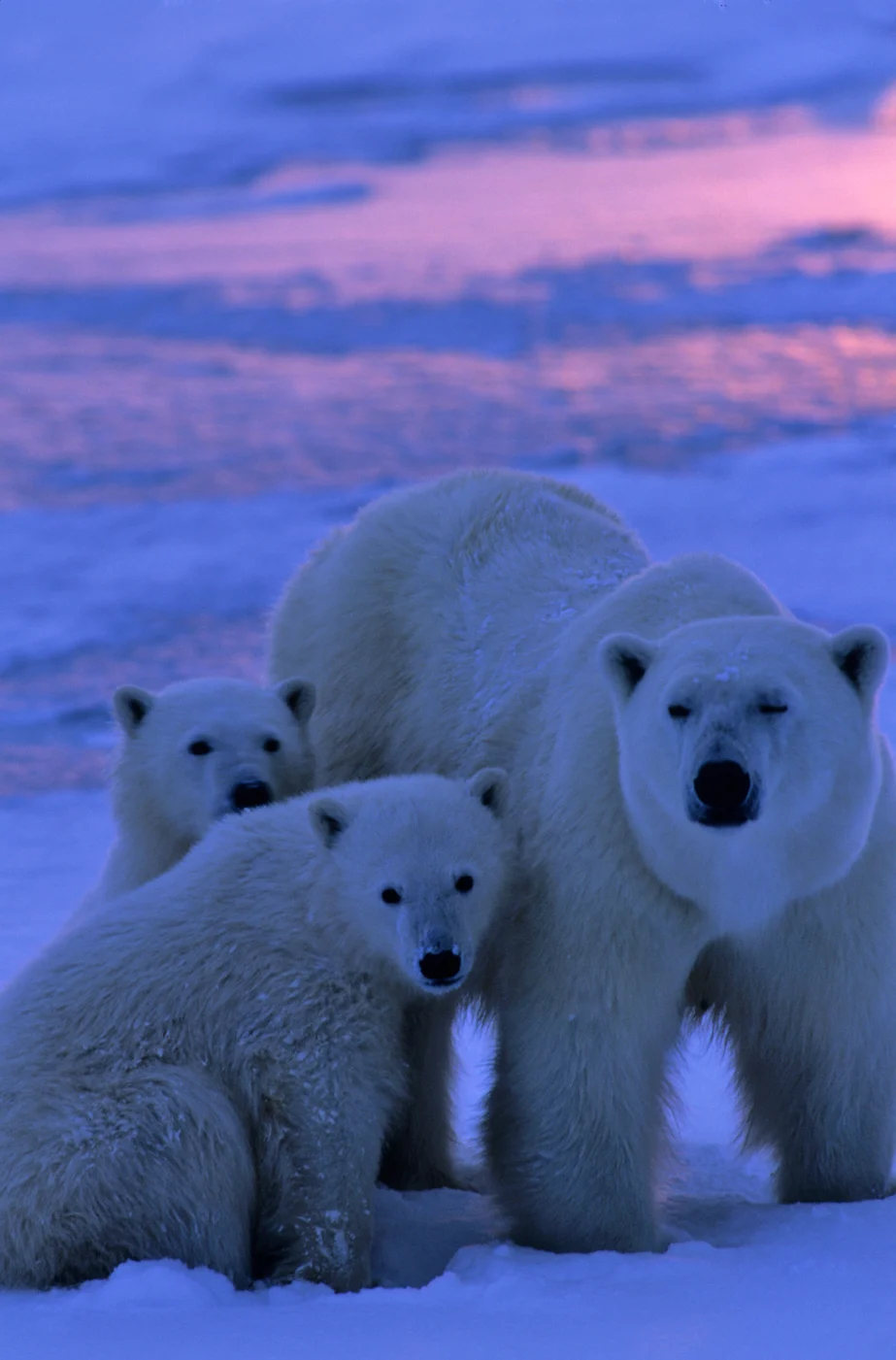
Polar bear cubs spend the majority of their early childhood days in the safety of the den to stay warm and bond with their mother, often nursing for three to four months before venturing out into the subarctic wilderness around Churchill, Manitoba.
Naturalist-guided, small-group Churchill polar bear tours allow you to see the world’s largest concentration of polar bears in their natural habitat while supporting conservation efforts through the World Wildlife Fund. Experience the joy of watching wild polar bear cubs up close on Natural Habitat’s Ultimate Churchill Adventure!