

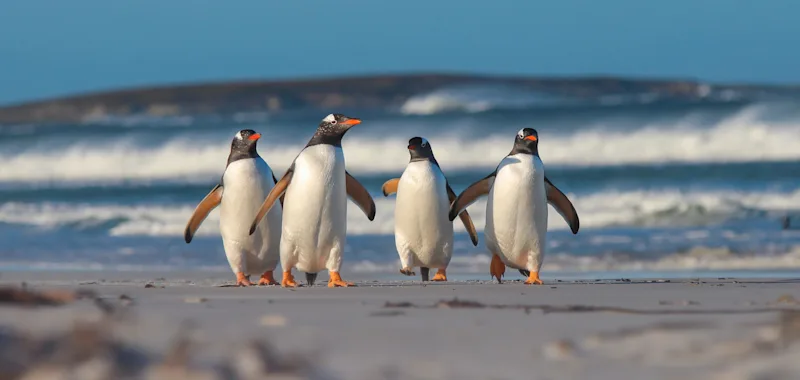
Top 5 Places in the World to See Penguins
They slide on their bellies across the snow, congregate on icebergs and seem to fly through freezing water in search of fish. That’s how most people picture penguins: playing among icebergs in Antarctica.
1183 stories
They slide on their bellies across the snow, congregate on icebergs and seem to fly through freezing water in search of fish. That’s how most people picture penguins: playing among icebergs in Antarctica.
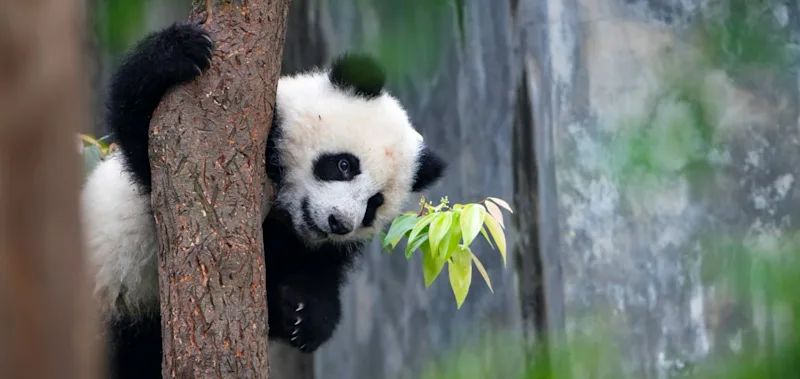
There are few creatures on this planet as oddly enchanting as a big, black-and-white, roly-poly panda. Their dorky antics are just as irresistible as their dramatic, color-blocked eyes.
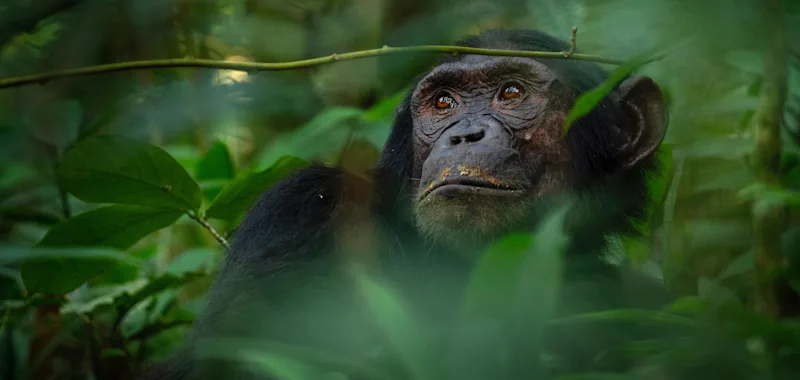
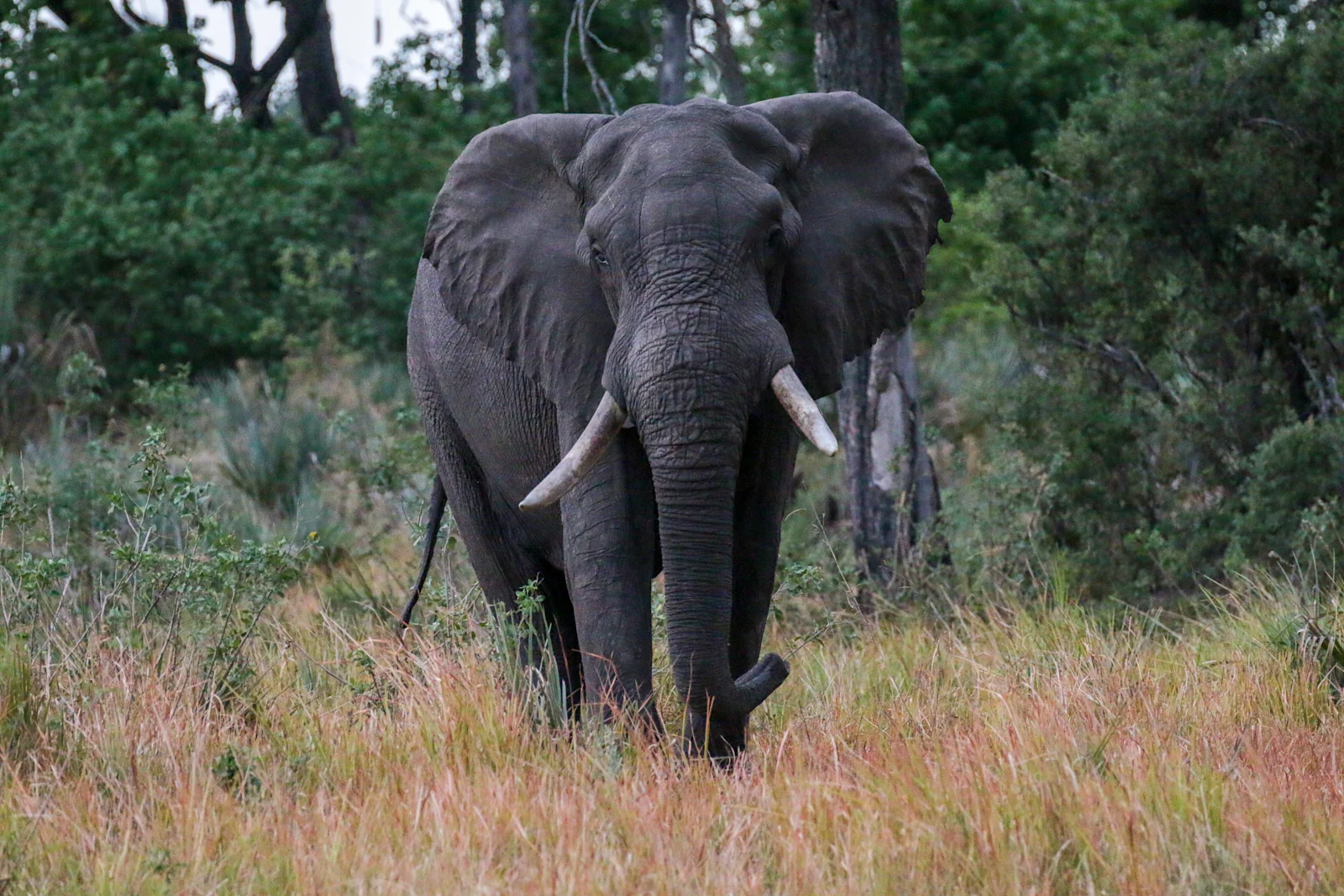
Do chimpanzees experience grief, do crows seek joy and do elephants show affection?
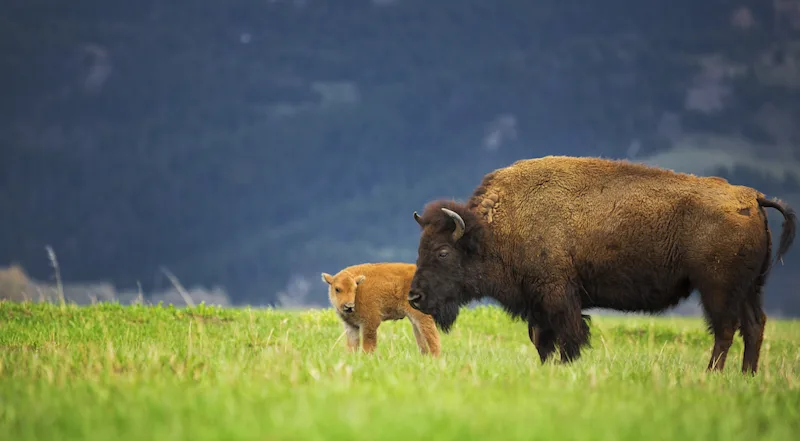
Nat Hab’s journey through Yellowstone is a trip for the true wanderer, embracing the spirit of remote nature travel. This adventure stands apart from the typical park tour, delving deep into Yellowstone’s wilds.
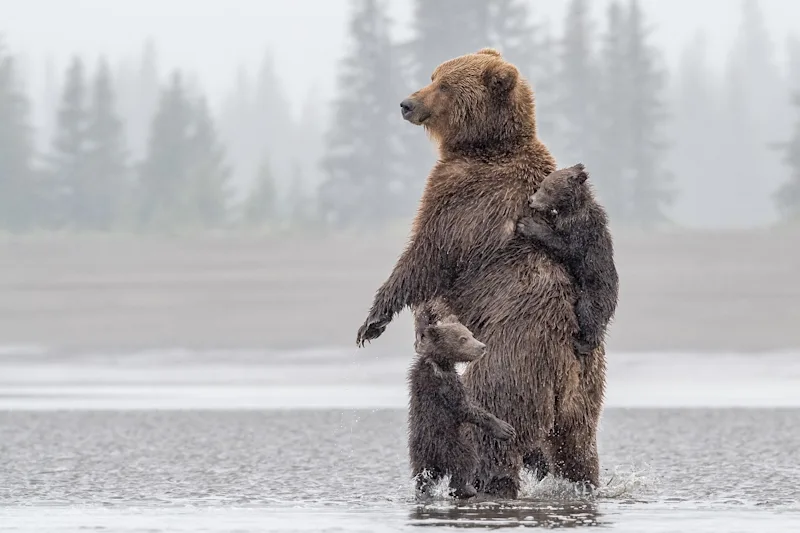
Brown bears, commonly called grizzlies, have long evoked fascination. These intelligent mammals display dynamic behaviors that inspire onlookers with a myriad of questions. At some point, one may wonder which is the correct term for Ursus arctos—grizzly or brown bear?
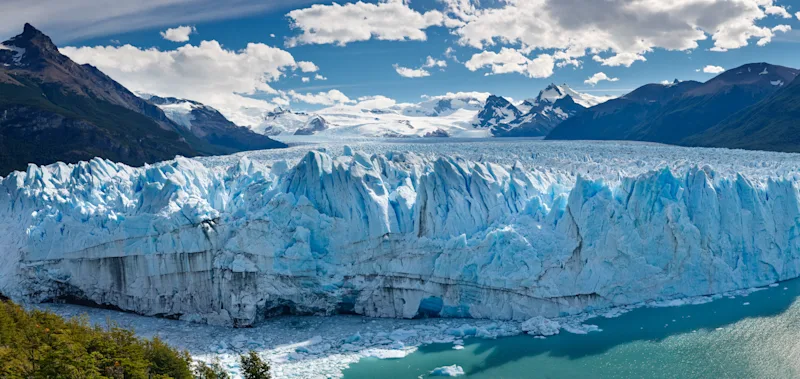
In the southernmost part of South America, Patagonia occupies 260,000 square miles that span Argentina and Chile. The region is known for dramatic mountain peaks, an abundance of glaciers and an array of unique wildlife.
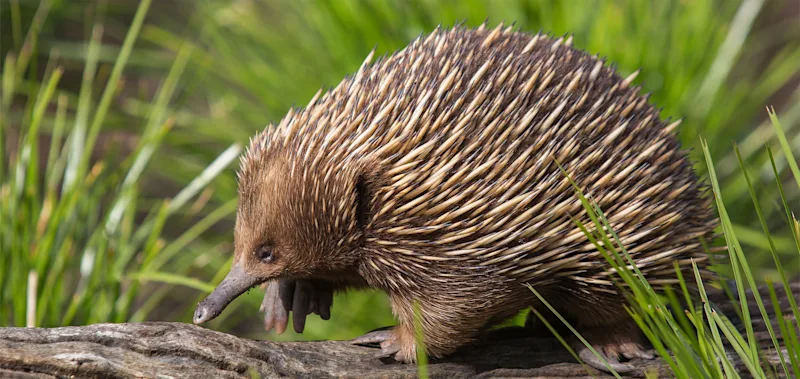
No one likes to be labeled, especially when it’s the wrong label. And the echidnas of southern Australia are no different. Don’t call them porcupines, please! And don’t even think about referring to one as a “hedgehog.” These spiny anteaters are proud of their distinctive name.

Any adventure from abroad to Australia feels like a journey to the ends of the Earth. But just imagine the sensation of awe and wildness that awaits when going even more “down under” than mainland Down Under.
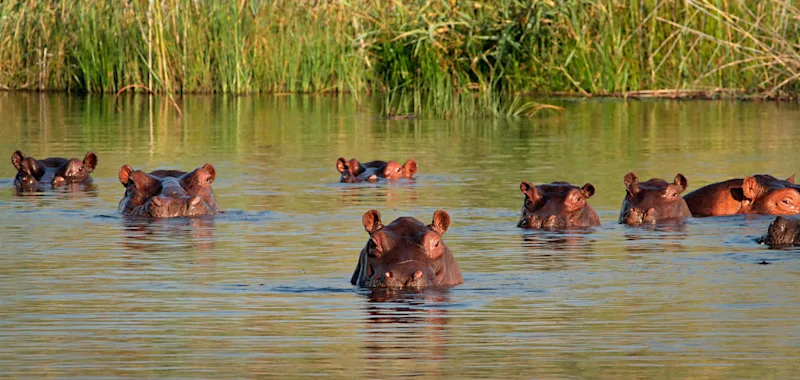
Wild animals are not just the inhabitants of the natural world—they are its architects. That’s the exciting finding from a new study that reveals how hundreds of species have shaped the landscapes we depend on, from beavers creating entire wetlands to hippos carving drainage systems.
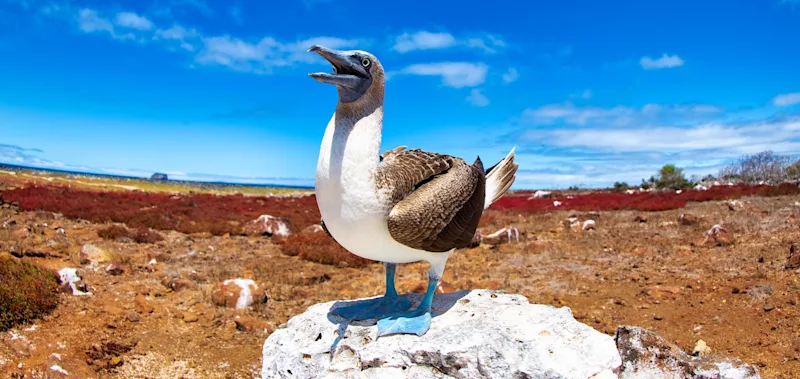
Imagine capturing the brilliant red-and-orange-colored Sally Lightfoot crab against a backdrop of lava rocks along the water’s edge. The enormous wingspan of a Galapagos albatross as it soars above the Pacific Ocean. The bright blue feet of blue-footed booby birds during their courtship dance.
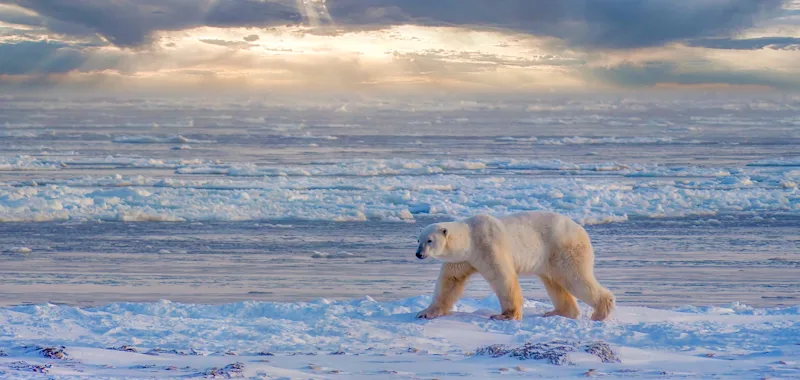
Symbols of courage, resilience and strength, polar bears have been featured in decorative arts for centuries. Today, they may be best known as emblems of climate change, “charismatic victims” used to inspire people to care about our warming Earth.
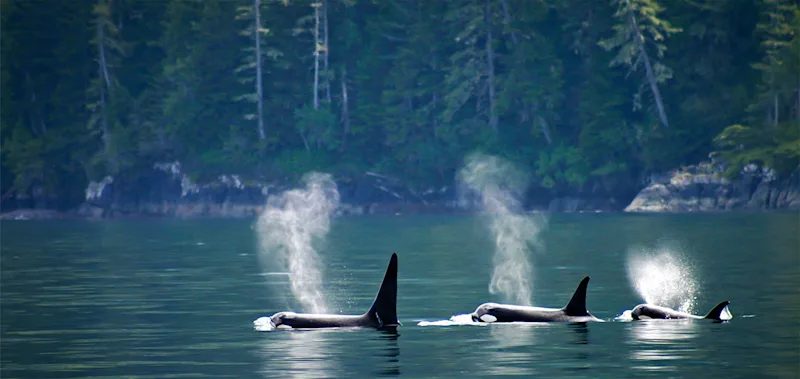
Off Canada’s wild northern Pacific coast lies Haida Gwaii, an archipelago of more than 200 islands. Dominated by two main islands—Graham Island (Kiis Gwaay) in the north and Moresby Island in the south—this mystical landscape is separated from the mainland by the shallow and turbulent waters of Hecate Strait.