Nature & Wildlife

1183 stories

  • Bird Eyes and Dark Skies

    Feb 18, 2025 · Candice Gaukel Andrews

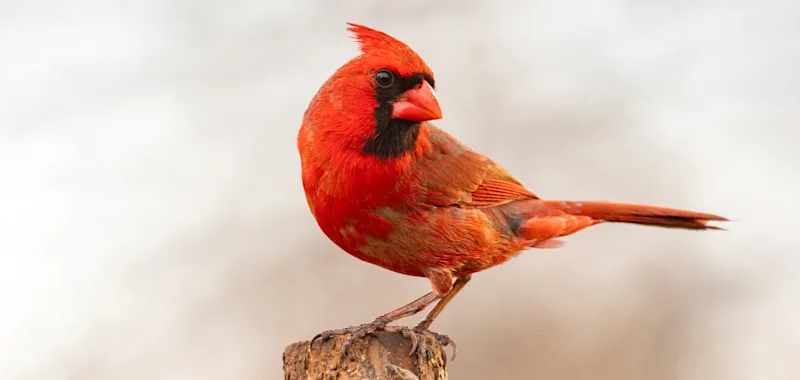
    When we misuse or overuse artificial light at night, we create nighttime light pollution, which makes it harder to see the night sky and causes negative effects on wildlife and human health. For example, sea turtle hatchlings usually wait until night to emerge from their nests to reduce exposure to daytime predators.
  • What’s the Difference Between Hyenas and African Wild Dogs?

    Feb 12, 2025 · Laura Kiniry

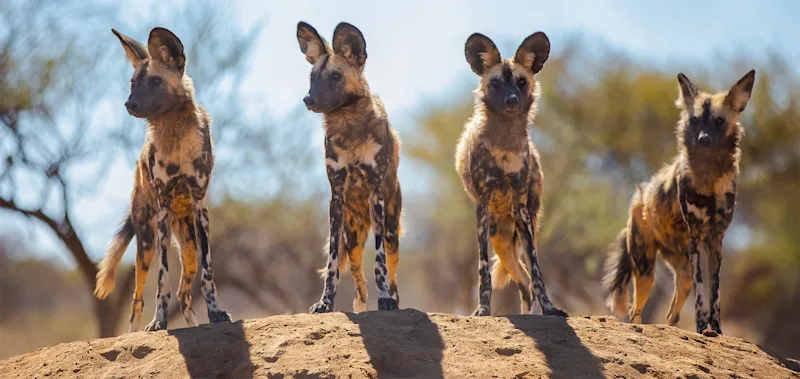
    On a recent morning game drive in Botswana’s Chobe National Park, our group happened upon a pack of wild dogs. “Are those hyenas?” someone in our vehicle whispered. The resemblance was obvious. Both animals are medium-sized carnivores with patchy fur and a canine appearance.

  • Love Is in the Air: The Amazing Courtship Dance of the Waved Albatross (Video)

    Feb 11, 2025 · About Galapagos

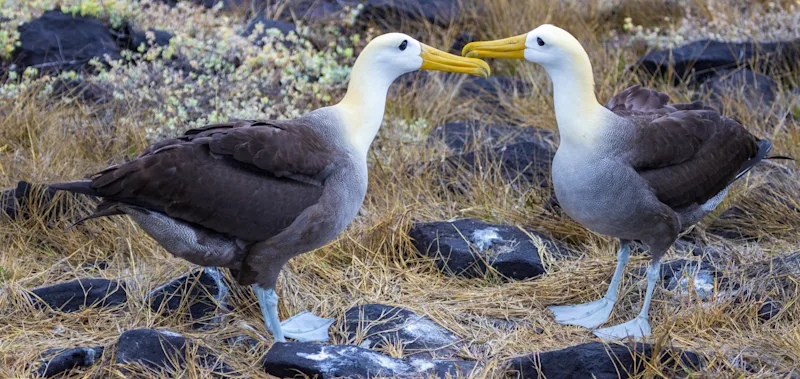
    Visit the Galapagos Island of Española in April and you may experience firsthand one of the most interesting and elaborate courtship rituals in the entire animal kingdom. Each spring, tens of thousands of waved albatrosses—nearly the entire worldwide population—return to Española to find mates and breed.

  • 6 Surprising Facts About Hippos in Africa

    Feb 11, 2025 · Matt Kareus

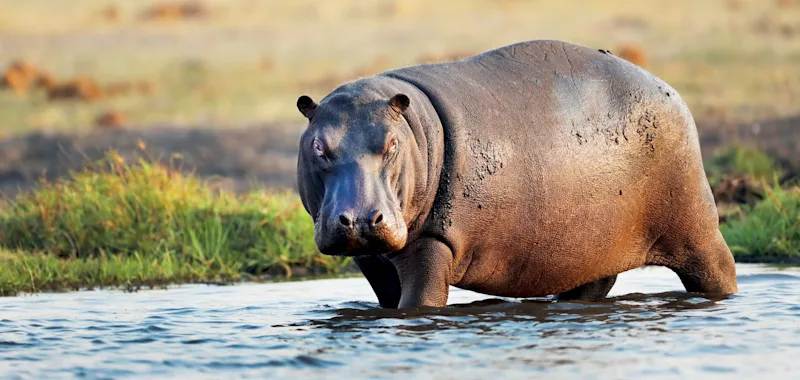
    There’s nothing common about the common hippo. Yet, compared to elephants, rhinos and the big cats of Africa, they are generally underappreciated. This is a shame, considering their declining numbers and the critical role they play in creating and maintaining healthy ecosystems.

  • 10 Top Spots for Viewing Orcas in their Natural Habitats

    Feb 4, 2025 · Rebecca Self

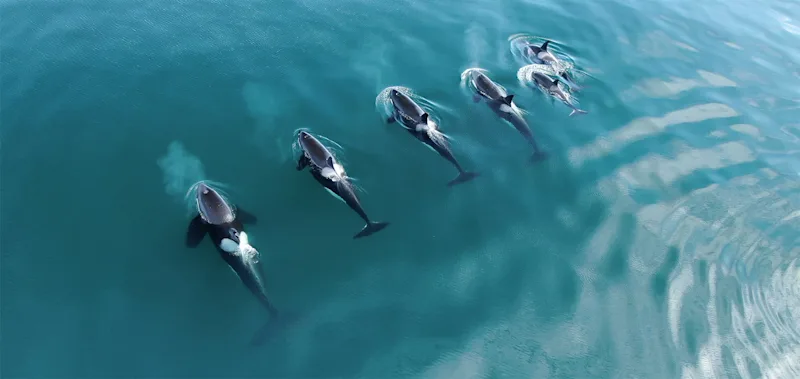
    Orcas (Orcinus orca) are among the ocean’s most intelligent and enigmatic predators. As the largest members of the dolphin family, they are a blend of power, agility and intricate social intelligence.

  • Fascinating Wildlife Facts: 5 Humpback Whale Feeding Strategies

    Feb 4, 2025 · Natural Habitat Adventures

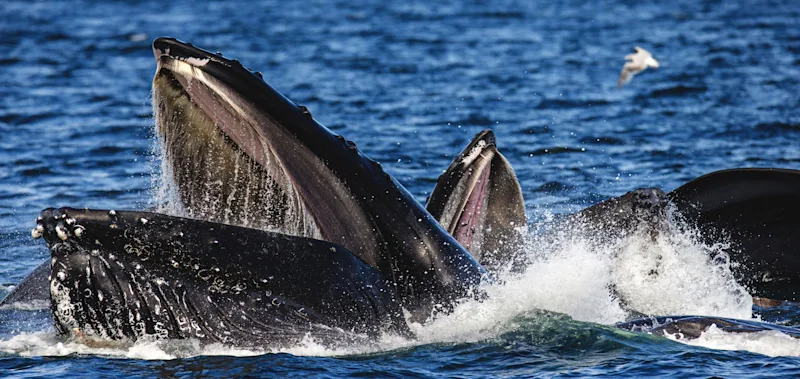
    By Nat Hab Expedition Leader Eddy Savage Humpback whales are among the most widespread and successful cetaceans inhabiting Earth’s oceans. These baleen whales lack teeth, possessing instead dozens of rows of keratin protein aligned in fibrous plates along the roofs of their mouths. Humpbacks have between 270 and 400 baleen plates.

  • 6 of Africa’s Most Elusive Animals

    Feb 2, 2025 · Laura Kiniry

    If you’ve ever been on safari in Africa for any length of time, there’s a good chance you’ve seen some of the continent’s most iconic wildlife, including elephants, giraffes, and zebras. Maybe you observed a lion resting after a feed or a striped hyena wandering across the plains.

  • Bearded Vultures and Beyond: Where to See Nature’s Clean Up Crew

    Feb 1, 2025 · Rebecca Self

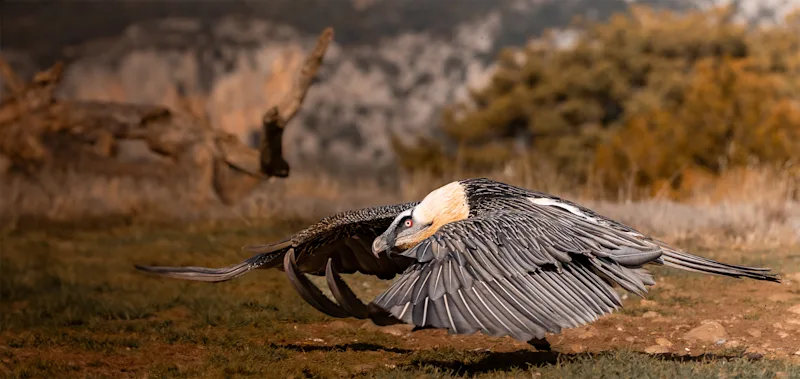
    For many people, our first encounters with vultures are as dark, shadowy, even menacing figures in fairy tales. That’s a shame, because vultures play helpful, even indispensable, roles maintaining ecological balance across five continents. They contribute to human health and even anti-poaching efforts in remarkable, rarely lauded ways.

  • The Influence of Gophers and the Impacts of Wolves

    Jan 21, 2025 · Candice Gaukel Andrews

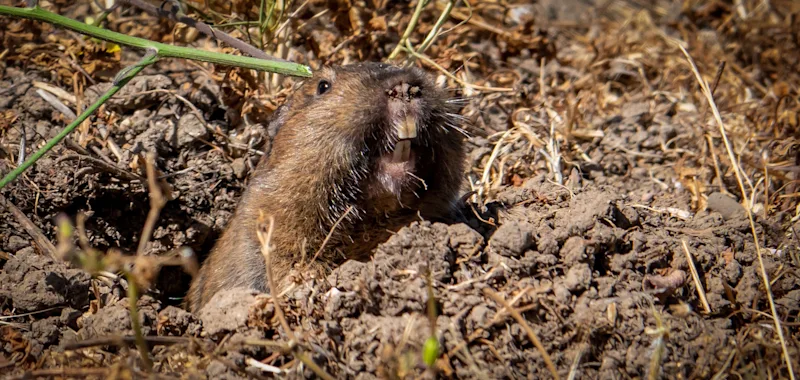
    On the surface, gophers and wolves don’t seem to have much in common. Gophers are small (just a few inches long), burrowing rodents that primarily consume bulbs, roots and other underground plant parts; while wolves (which can reach several feet in length) are much larger predators that hunt and primarily eat meat.