

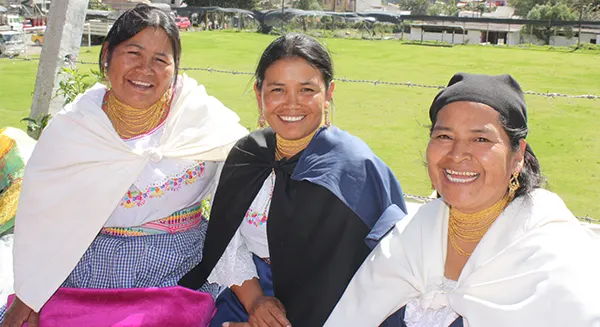
That Magic Otavalo Overload
This post was written by Natural Habitat Adventures Chief Exploratory Officer Olaf Malver.
176 stories
This post was written by Natural Habitat Adventures Chief Exploratory Officer Olaf Malver.

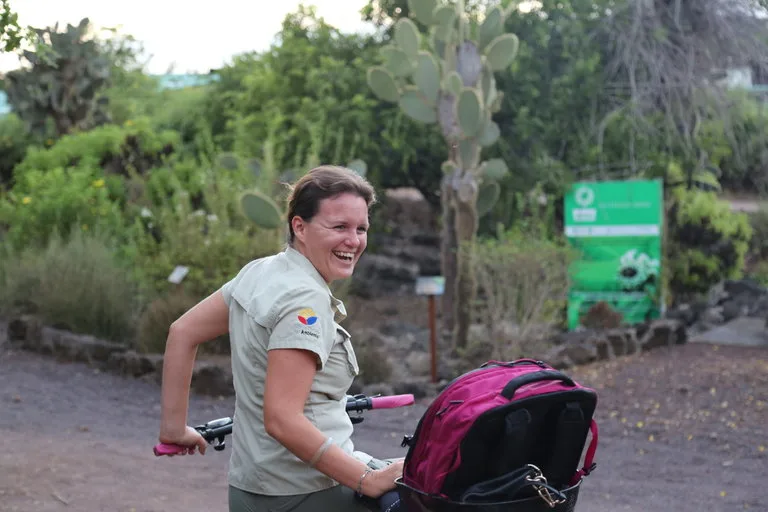
This is the summer of exciting initiatives and new, hopeful directions for the future of the Galapagos Islands. In March, Ecuadorian President signed a decree to create a protected marine sanctuary of 15,000 square miles around the islands. Following the incredible accomplishment of protecting marine ecosystems, the Galapagos National Park will be managed by the newly appointed Africa Besones.
Ecuador is making significant strides in a progressive approach toward conservation and diversity. In March, President Correa designated an additional 15,000 square miles of water surrounding the Galapagos Islands to the marine reserve. Until recently, only a meager one percent of the Islands’ surrounding waters were protected.
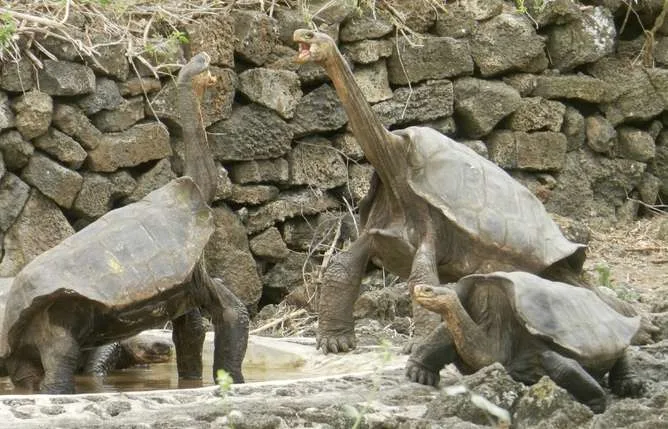
The Galápagos Islands, famed for the adaptive wonders of its unique species, had humble beginnings with just 15 original species evolving to make the islands their home after volcanic eruptions.
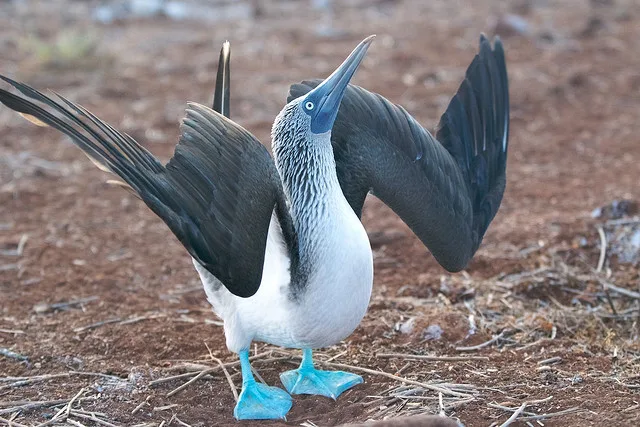
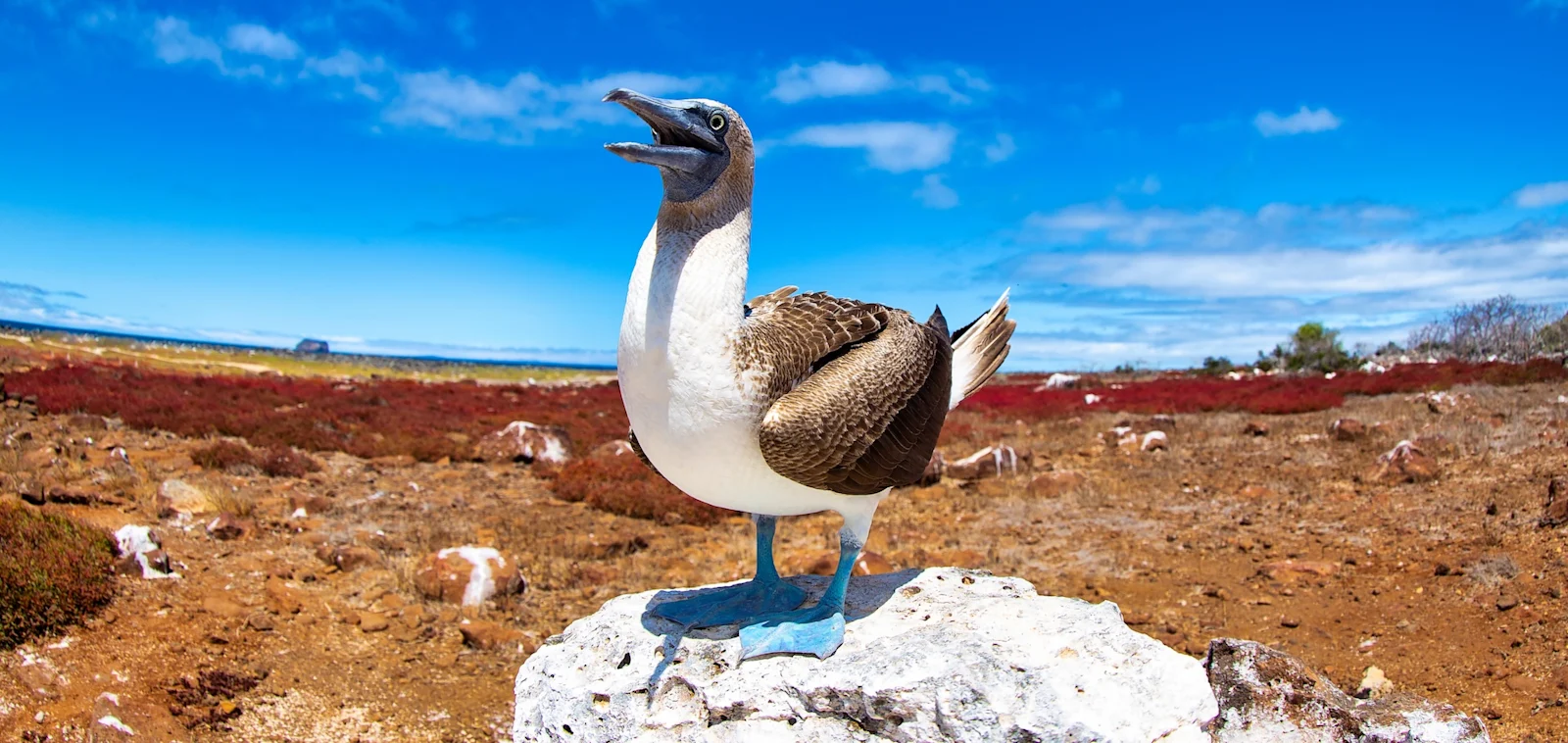
For many, experiencing Galapagos boobies—a rather funny named bird—are a highlight of any trip to this enchanted archipelago. It may be because of their accessibility in large colonies that nest along the walking trails.
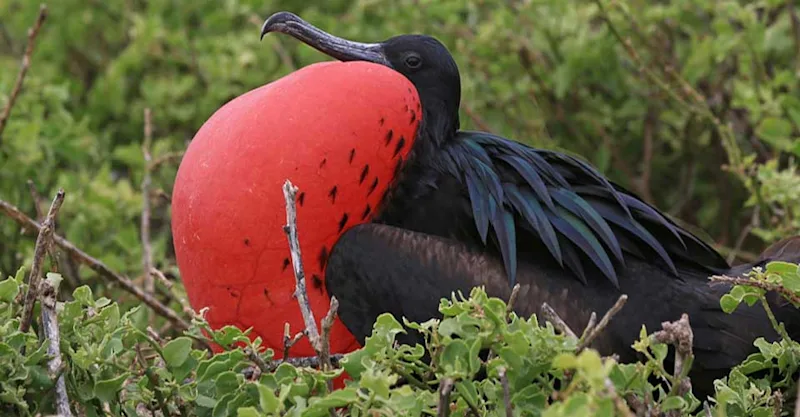
In part one of this article, we looked at Galapagos Finches, three species of boobies (blue-footed, red-footed and masked), and the giant waved albatross. Here are some of our other favorite birds that are more than worth seeing up close and personal in the Galapagos Islands.
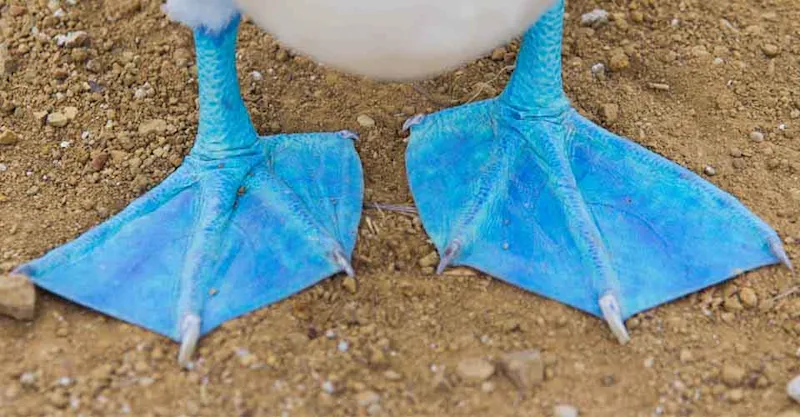
When asked what my favorite part of the Galapagos Islands is, I never know quite where to begin, as the surreal landscapes and friendly wildlife are all so incredible that I often feel like I’m walking through a real-life picture book. I’ll just begin with the incredible birds of the Galapagos.
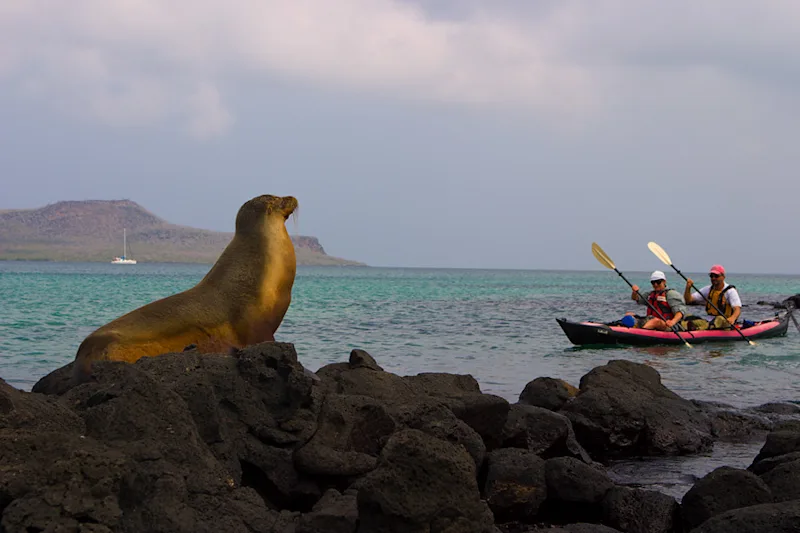
In past posts, I’ve made the case for why it’s far better to explore much of the natural world from inside a kayak, rather than aboard a behemoth cruise ship…the same holds true for the Galapagos Islands.
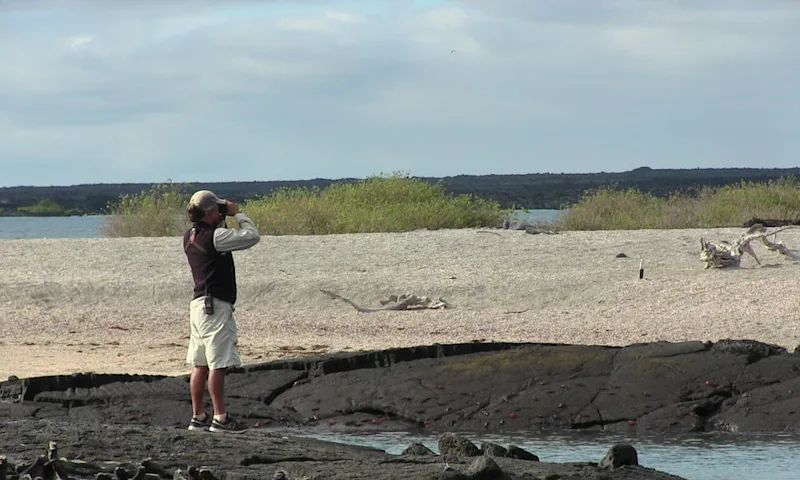
“Life takes on new meaning away from civilization,” said our naturalist guide, Roberto Plaza, as we walked down a quiet Galapagos Islands path on the first day of our Natural Habitat Adventures/World Wildlife Fund (WWF) trip.
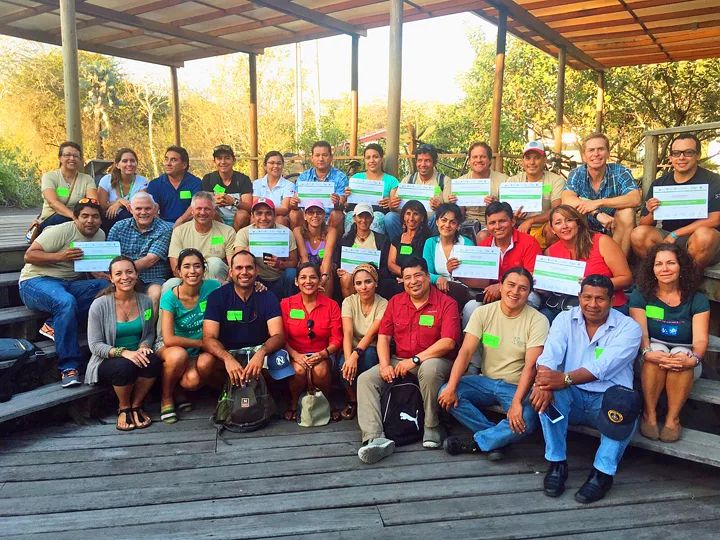
At Natural Habitat Adventures, we pride ourselves in our commitment in to excellence in service on all of our trips, and our devotion to wildlife conservation as an organization. This is evident by our exclusive partnership with World Wildlife Fund (WWF) among our many efforts.
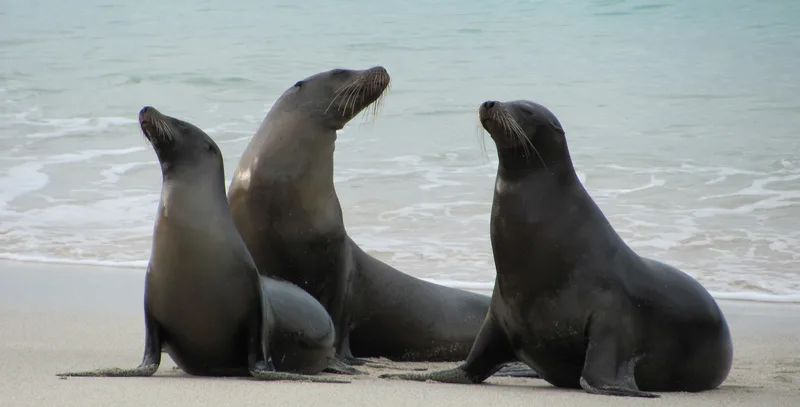
The Galapagos Islands are typically known for Charles Darwin’s “survival of the fittest” theory and the species richness of its unique wildlife—60% of all species are endemic or indigenous to the Islands.
With family in town for the holidays and trying to find an activity we could all enjoy, I noticed that Galapagos 3D: Nature’s Wonderland, an IMAX production, was playing at the Denver Museum of Nature and Science.