

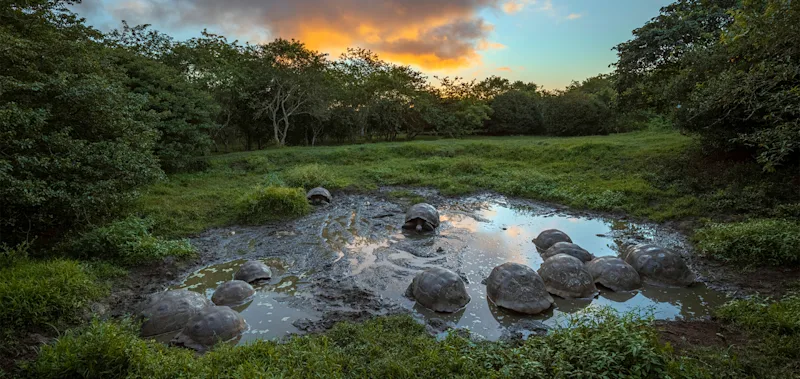
The Galapagos Tortoises Reviving an Island’s Ecosystem
When English naturalist Charles Darwin first arrived in the Galapagos Islands in 1835, he noted the differences in giant tortoises from island to island.
176 stories
When English naturalist Charles Darwin first arrived in the Galapagos Islands in 1835, he noted the differences in giant tortoises from island to island.
Written by Tee Sindler, WWF’s Director of Estate Administration As I sat aboard the Tip Top IV, listening to one passenger after another express their excitement about exploring the Galapagos—an adventure they could now proudly check off their bucket list—I smiled and nodded.
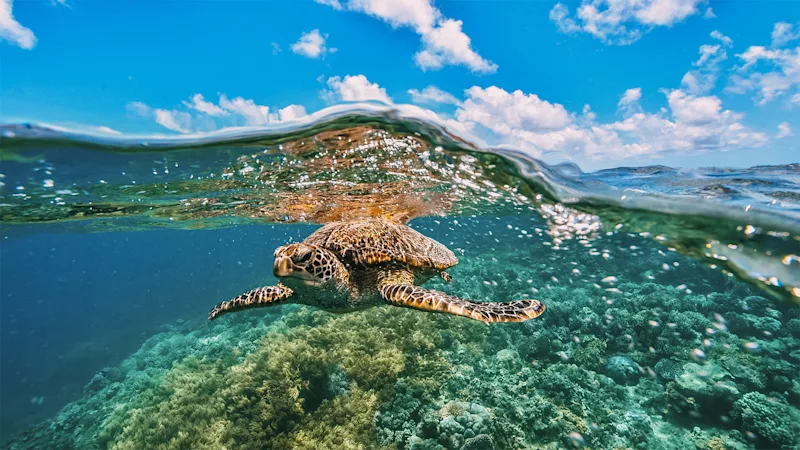
Encountering sea turtles in their natural habitats is an extraordinary privilege. These graceful marine reptiles—currently classified as endangered—face threats ranging from the overharvesting of their eggs and hunting to entanglement in fishing nets, ocean plastic pollution, and the loss of crucial nesting habitats.
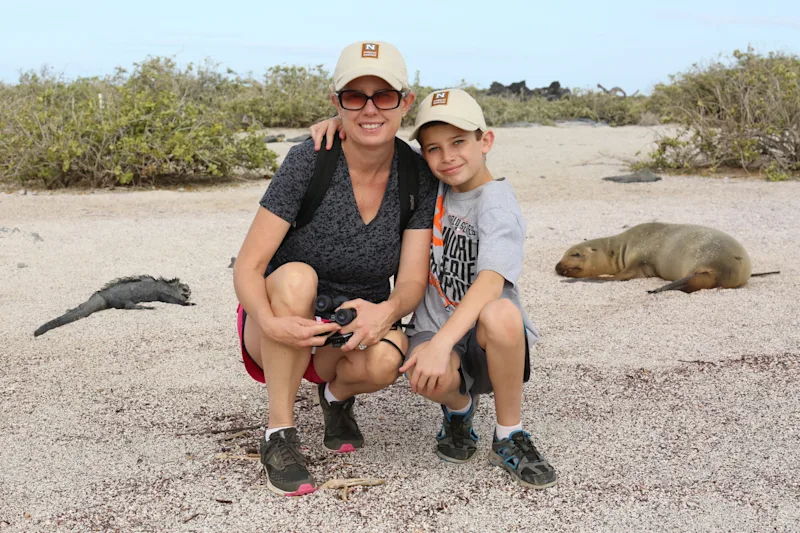
I have three kids whose interests could not possibly be more different.
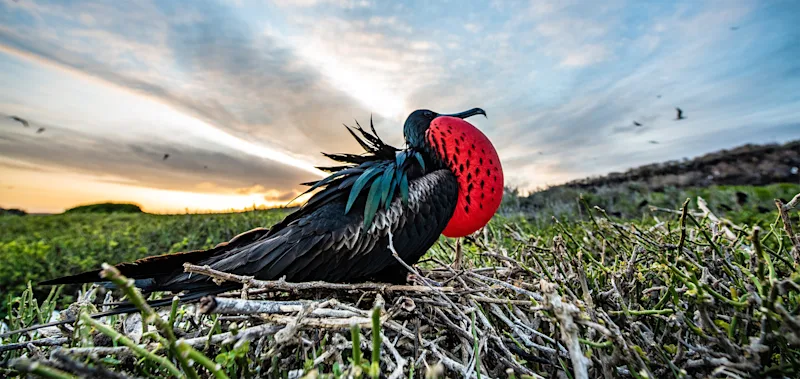
By Matt Kareus Most travelers know that the strange creatures Charles Darwin observed in the Galapagos Islands in the early 19th century played a pivotal role in shaping his world-changing theory of evolution by natural selection.
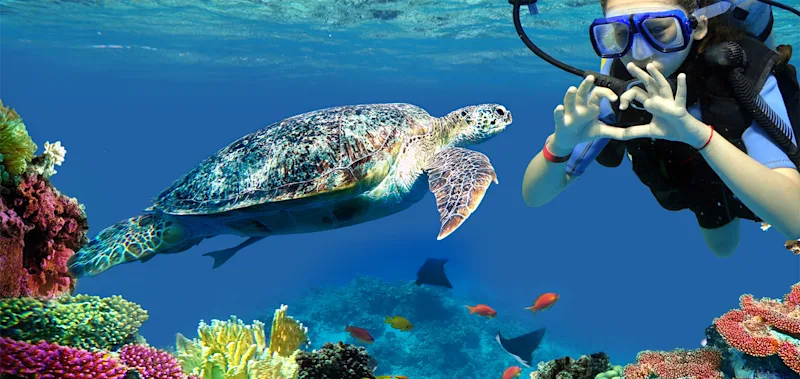
What is it about sea turtles that makes them so endearing? It is their size? Their age? Their gracefulness in the water? All of these characteristics add to our fascination with these gentle sea creatures, but, additionally, I believe it’s that they’re critical to the health of the world’s oceans.
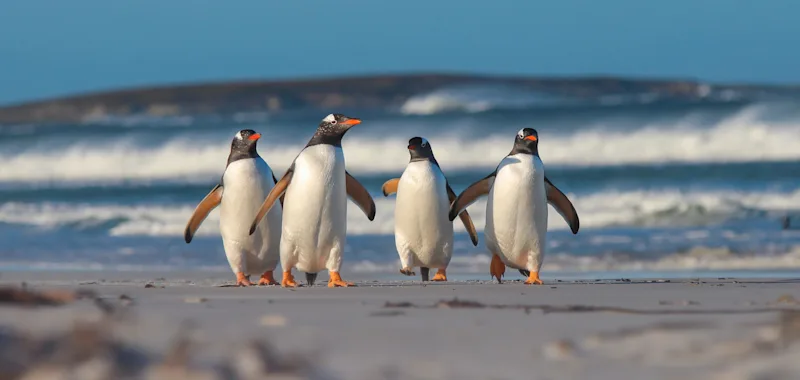
They slide on their bellies across the snow, congregate on icebergs and seem to fly through freezing water in search of fish. That’s how most people picture penguins: playing among icebergs in Antarctica.
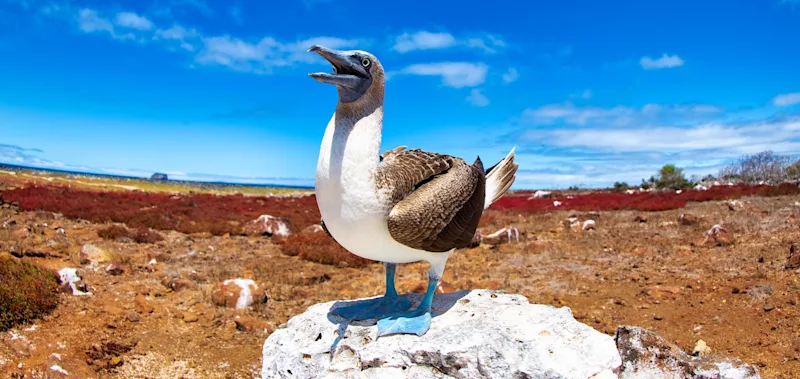
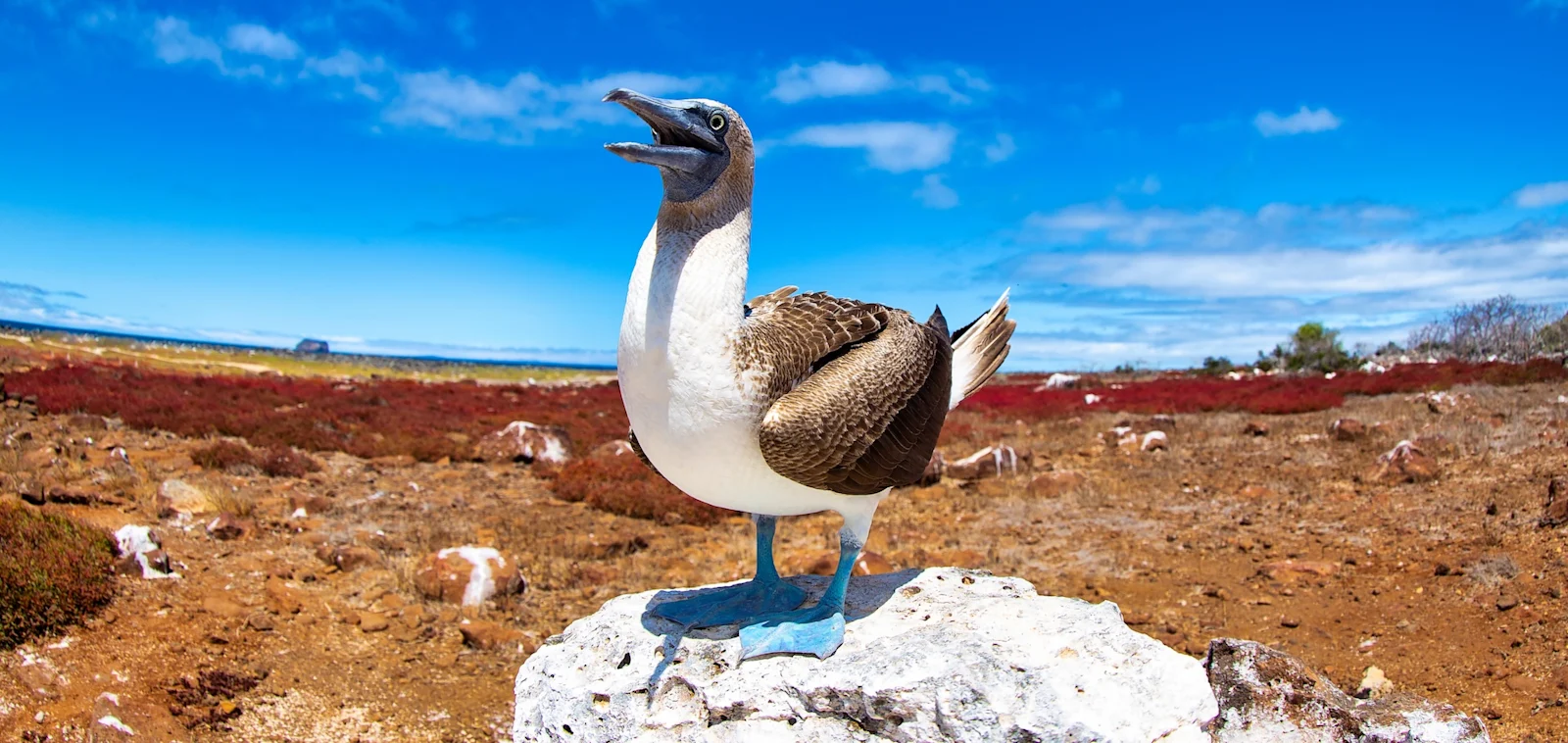
Imagine capturing the brilliant red-and-orange-colored Sally Lightfoot crab against a backdrop of lava rocks along the water’s edge. The enormous wingspan of a Galapagos albatross as it soars above the Pacific Ocean. The bright blue feet of blue-footed booby birds during their courtship dance.
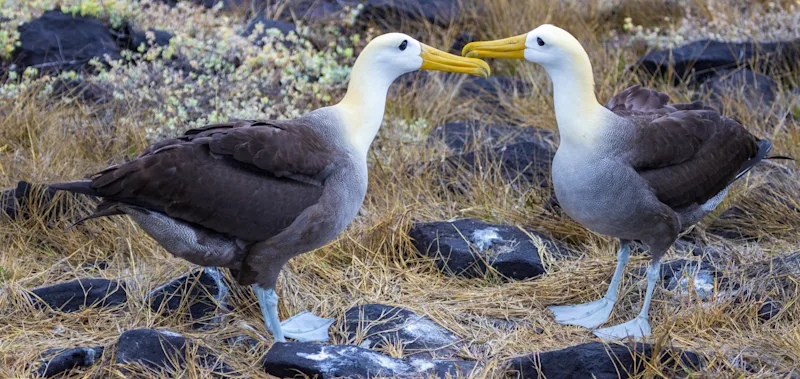
Visit the Galapagos Island of Española in April and you may experience firsthand one of the most interesting and elaborate courtship rituals in the entire animal kingdom. Each spring, tens of thousands of waved albatrosses—nearly the entire worldwide population—return to Española to find mates and breed.
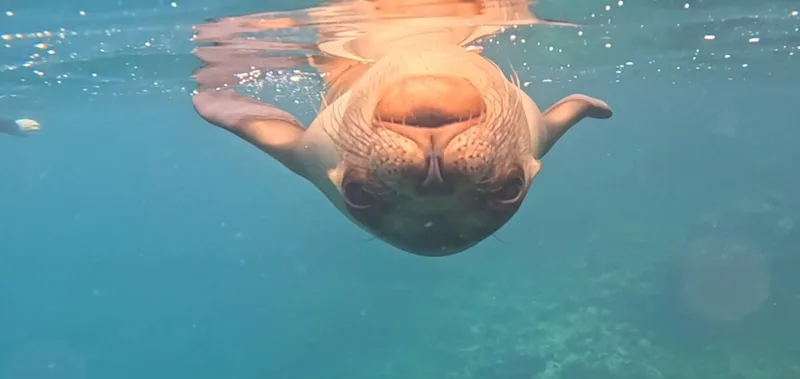
By Rachel McDevitt, Development Research Specialist at World Wildlife Fund Day One: Quito I am currently in the air flying to Quito, Ecuador, to the Galapagos Islands. We spent yesterday touring the city, where I got to practice my Spanish, which I think is finally at the elementary school level!
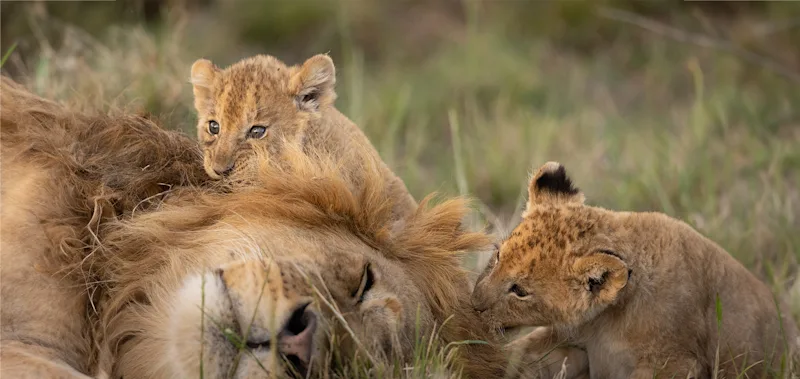
We wanted to wish a happy Father’s Day to all the dads out there, both human and animal fathers alike! As a tribute to hardworking dads, we made a list of some of the animal kingdom’s most dedicated dads.
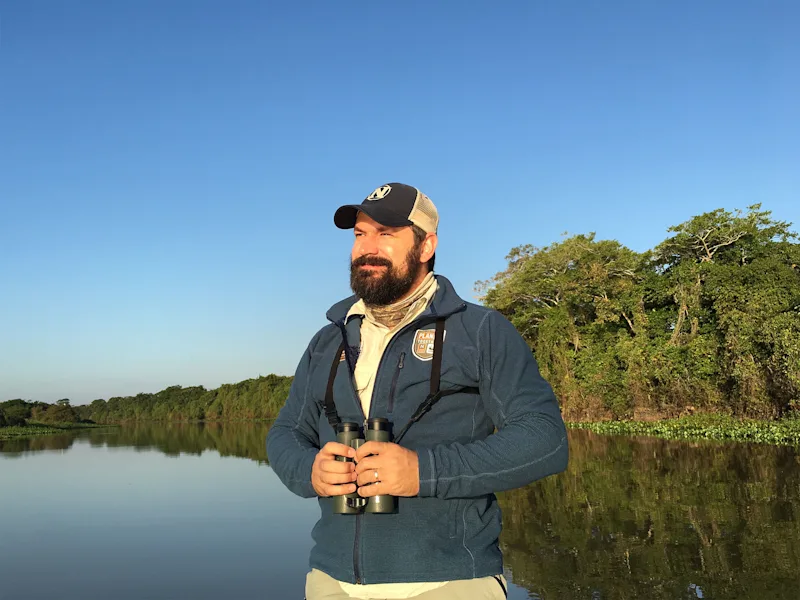
Cassiano Zaparoli—better known as “Zapa”—is passionate about exploring the wilds of South America. But he finds a joy in guiding nature adventures that tops the satisfaction he gets while exploring nature on his own. “It’s much better when I can share these unique places—all that I see, all my knowledge— to enhance other people’s experiences.