Green Future for Bhutan’s Forests
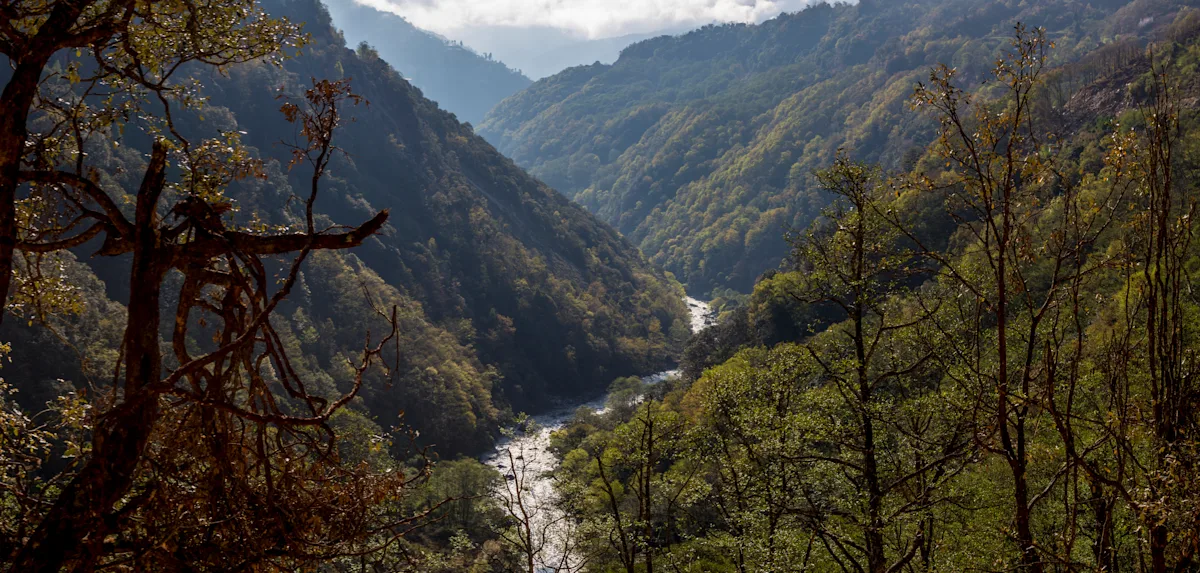
Bhutan, nestled in the Himalayas between China and India, is one of the smallest countries in the world. But don’t let its size fool you! The country’s commitment to conservation is bigger than most. They have designated 51% of its territory to protect land and remain carbon neutral. However, Bhutan faces challenges that many smaller countries face, and that is the financial support for conservation efforts that help protect the area from threats such as poaching and illegal logging.
But the future is looking bright for Bhutan. WWF, the Royal Government of Bhutan, and donors from around the world have created a $43 million fund that ensures the long-term protection of the country’s protected area. This funding will be combined with USD $75 million from the Bhutan government, which will be contributed over a 14-year period, to support a new program called Bhutan for Life (BFL), opens in new tab, which is the same financial approach (Project Finance for Permanence (PFP), opens in new tab that was applied to secure a healthy future for the Brazilian Amazon in 2014.
With BFL funds—which comes from the Green Climate Fund, Global Environment Fund and private donors—Bhutan will be able to properly manage their network of protected areas for their long-term future. BFL aims to mobilize all governmental, financial, and other commitments needed to develop Bhutan’s protected area system.
Bhutan is the first country in Asia to implement the innovative PFP funding approach, which will help ensure that the country’s forests stay healthy, and that Bhutan can remain carbon neutral—meaning that emissions released into the atmosphere are offset by the amount its forests are able to absorb, through the purchase of carbon credits, or other greenhouse gas emission prevention projects. Currently, Bhutan is one of the only countries in the world to be carbon negative. Its forests absorb nearly three times more carbon dioxide than the country emits every year!
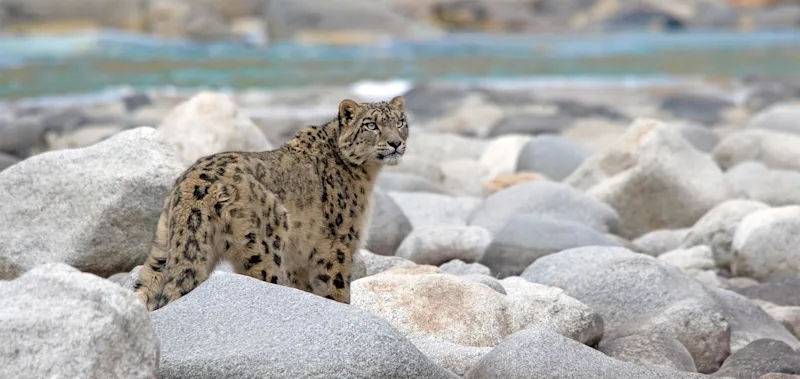
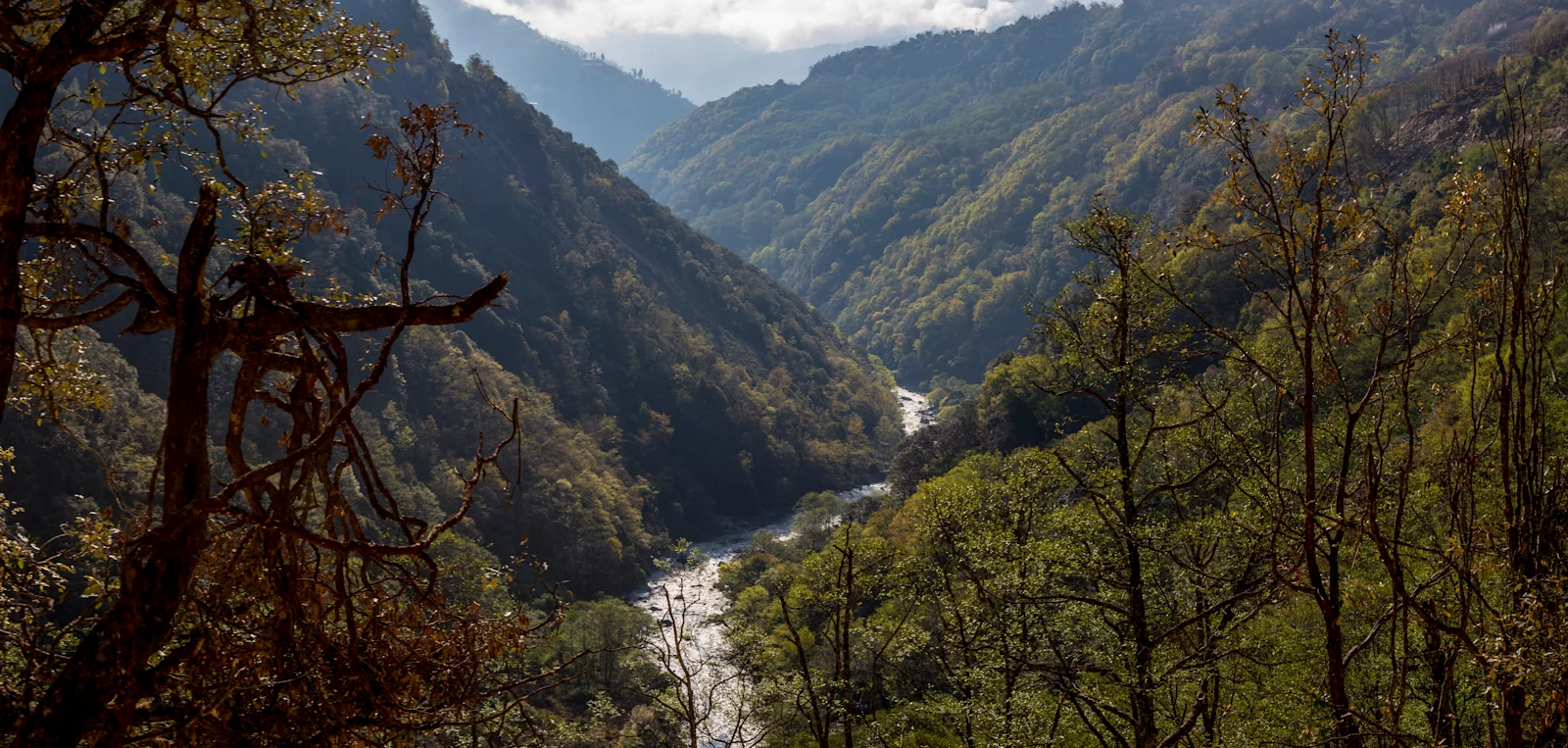
Permanent protection will help Bhutan’s forests–home to wildlife such as Bengal tigers, snow leopards, Asian elephants, black-necked cranes, white bellied herons, and nearly 200 other mammal species—thrive. Bhutan’s rivers– which provides water for one-fifth for the world’s population—will provide a clean source of drinking water. Healthy forests can also create jobs in remote areas including tourism and agriculture, a very important aspect since 70% of Bhutan’s population that lives in rural areas.
Here’s to a long and healthy life for Bhutan’s forests, its wildlife, and its people. Bhutan for Life!