

Dates, Prices & Info
No departures for 2027 with these filters. Try another year, or clear all filters.
Payment & Refunds
Trip prices are per person based on double occupancy and are given in U.S. dollars. Please read our Payment & Refund Policy here.
Custom Departures
Customized private departures can be arranged for this destination. Please contact an Adventure Specialist at 800-543-8917 for more information.
Group Size
A very important feature of our India wildlife safari is the limited group size, as nature encounters are best experienced away from crowds within the intimate setting of a small group.
Take this trip on a private basis, traveling exclusively with your immediate family, multi-generational family or group of friends.
Included
Trip price includes: Accommodations, services of Nat Hab's professional Expedition Leader(s), local guides, lodge and park staff, all meals from dinner on Day 1 through lunch on final day, some gratuities, still camera fees, VIP airport arrival and departure service, airport transfers on Day 1 and final day, all activities and entrance fees, all taxes, permits and service fees.
Not Included
Travel to and from the start and end point of your trip, alcoholic beverages, some gratuities, passport and visa fees, optional activities, items of a personal nature (phone calls, laundry, etc.), airline baggage fees, required medical evacuation insurance, optional travel protection insurance. Note: India requires additional fees for video camera usage in parks, which is not included in your trip fee.
Internal air: All flights within the itinerary (this will be listed separately on our invoicing).
Important Information About This Trip
Wildlife Encounters
Our guests choose a trip to India to encounter the country’s unique wildlife. And while wild India is captivating, there is a significant difference between wildlife experiences in the Indian jungle and a typical African safari. Sometimes, guests attracted to India for a "tiger safari" can be disappointed to see fewer animals than expected, or at least fewer than they might typically see in Africa, if we are comparing tiger sightings to lions, for example. It is not that India's jungles are thinly populated with wildlife, but, similar to places like Costa Rica where the forest vegetation is dense, animals have mastered the art of camouflage in thick cover and can be very difficult to spot. We design our itineraries to capitalize on the best places and seasons to see tigers. But various factors can affect potential sightings, including inclement weather, which creates small pockets of water that allow the animals to remain hidden in the forest, rather than being driven into the open to drink. There is no doubt that the Indian jungles Kipling immortalized, offer wondrous discoveries. And the secret to uncovering them lies with the value of expert guides—and ours are second to none! With realistic expectations, an Indian safari holds plenty of rewards.
The Seasons
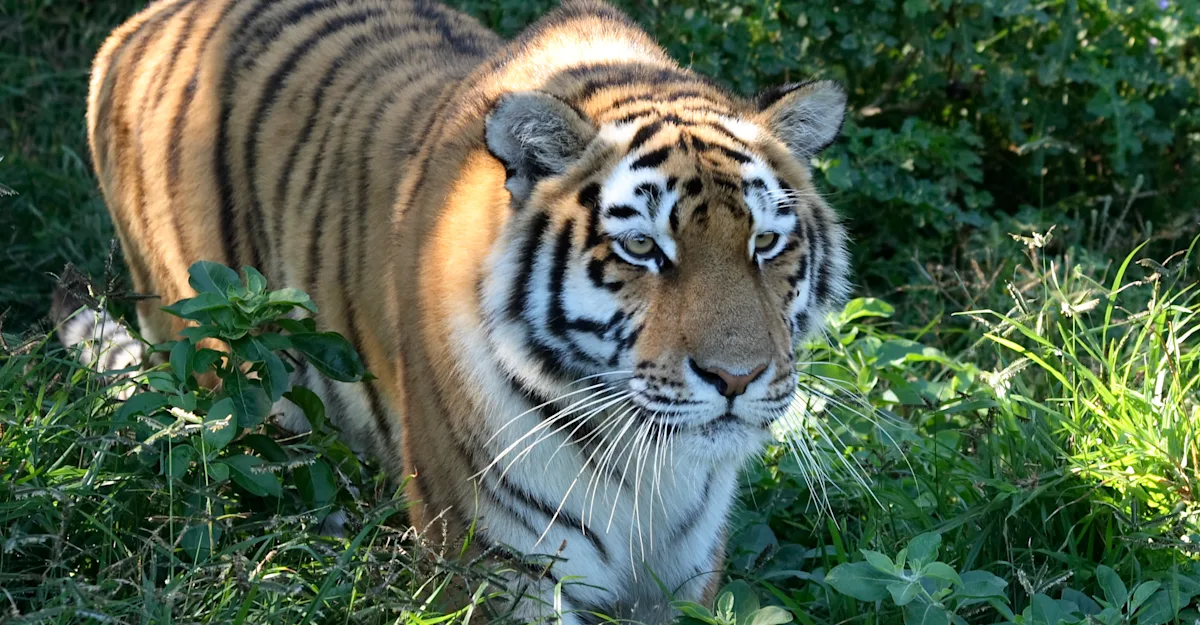
We schedule our departures at the best times of year to see wildlife. While tiger sightings do take a while to fully pick up after the long monsoon off-season (April–September), they become more frequen from mid-November onward. Water begins to evaporate from deep forest pools and streams, vegetation starts to dry up, and, most importantly, tiger activity accelerates, including mating, which mostly occurs in December and January. During this season, tigers are consistently on the move, walking game trails extensively, which makes sightings more probably and more exciting. They are also at their most vocal as they call out to mates and spray and mark their territories, stepping up their breeding efforts. In the fall and early winter, tigers (and many other animals) grow a brilliant winter coat that makes them look their most alluring. Other species, like the hardground swamp deer, also enter their rut in December, and males are extremely vocal with bugling. Winter is also the best time for birdwatching in India's tiger habitats, as large numbers of palearctic migrants arrive. Landscapes are also stunning in winter—frost on the grasslands and mist rising until late in the morning create an ethereal atmosphere, with shafts of sunlight filtering through the canopy. Weather-wise, winter is the most pleasant time of the year to travel in India. Cooler temperatures provide more comfort, and the previous season’s rains create lush green scenery, though, it's important to keep in mind that thick jungle vegetation can impede wildlife sightings.
Safari Vehicle Routes & Seating Allocation
In contrast to nearly every other safari country we travel to, in India the driving routes in national parks are pre-assigned and must be followed. This is generally not a problem, but when searching for tigers, it can be frustrating, as they simply may not be visible on a particular route on a given day. We always hope to follow different routes on different days. However, the park service allocates routes at random for each vehicle, so there is no guarantee that vehicles will get a different route for each wildlife drive. Please understand that your assigned vehicle could take the same route multiple times, and we have no control over this situation, although our Expedition Leaders and local guides do all they can to facilitate rewarding animal sightings.
Also, on rare occasion you may see film crews inside the parks. They hold special permits to film inside park bounds with certain advantages over regular tourist vehicles, such as spending the entire day inside the park with access to places others cannot go.
Indian park regulations are also extremely strict with regard to seating arrangements on wildlife drives. Requirements dictate that guests be confirmed in specific vehicles upon booking, well in advance of the departure date, and we are unable to change vehicles while we are exploring each park. To the best of our ability, we attempt to ensure that guests who are traveling with a partner or friend will have seats together during wildlife drives. Because couples or friends are booked together in the same vehicle and are unable to split up during drives, it may mean that in some instances, certain vehicles will contain fewer guests than others.
It is also important to understand the limitations based on available vehicle space. Each open safari vehicle has two front seats and two rows of bench seats. Regulations require that the front two seats be occupied by a park ranger and registered driver. Our Expedition Leader and local guides are allowed more flexibility and will switch among vehicles for each drive so all guests are able to spend equal time with them. However, this means that since our Expedition Leaders and local guides rotate vehicles, there may be times when there will be three people (two guests and one Expedition Leader or local guide) to a row—our Expedition Leader/local guides may be required to sit in the rear left seat of the vehicle.
Please know that while there are indeed limiting factors to the tiger viewing experience in India, we have gone to every effort to ensure that your Grand India Wildlife Adventure India with Nat Hab provides the best tiger and wildlife viewing potential possible.
Cell Phone Ban in Bandhavgarh and Kanha National Parks
Tiger reserves in the state of Madhya Pradesh, which includes Bandhavgarh and Kanha national parks, have a strict ban on the use of mobile phones by all visitors within the parks' Core Zone, with no exceptions. Guests are not allowed to use cell phones for any purpose, including photography and taking videos, anywhere within the park. This ban is in place to reduce disturbance to wildlife, enhance the safari experience, and combat the use of location tags by poachers to track tigers. It also supports traditional tiger-tracking methods through word of mouth, which minimizes the number of vehicles at sightings. Tiger sightings take on a whole new level of intimacy when cell phones are set aside, ensuring a more respectful and less intrusive encounter for both humans and wildlife.
To facilitate photography in the park, Nat Hab has developed an exclusive program with Lensrentals, a premier lens rental company. Through our special arrangement, Nat Hab travelers can rent top-quality cameras, lenses, spotting scopes, tripods, flashes, backpacks and other equipment at a 15% discount. To review the available options, visit lensrentals.com. To obtain the discount, add the code “NATHAB15” to the “Promo Code” box and hit “Apply” upon checkout.
Mandatory Insurance
Since the areas we travel to on this trip are remote and wild (that's why we go there!), we require medical evacuation insurance for our guests' safety. If you decline the medical evacuation insurance coverage offered by Natural Habitat, we request that you send us documentation of the independent coverage you have selected. We will add the cost of a medical evacuation policy to your tour invoice until you provide our office with proof of coverage including your insurance company's name, contact number and your individual policy number. Thank you for understanding that our policy exists exclusively in the interest of our guests' safety.
Getting There & Getting Home
This trip begins and ends in Delhi. Because this is a long international journey with considerable travel time and time-zone adjustment, we recommend that you arrive the night before Day 1 to rest from your travels and begin the trip refreshed. For guests who come in early, our recommended hotel will be included in your pre-departure materials.
If you plan to arrive on Day 1, you must arrive in Delhi by 9 am in order to participate in a guided city tour beginning at approximately 1 pm.
You may depart Delhi any time after 9 pm on the final day.
Our Natural Habitat Adventures Travel Desk can best assist with your travel reservations, as our staff is familiar with the specific requirements of this program and can help arrange the most efficient itinerary. Please call us at 800-543-8917. While we offer the best available rates to us on airfare and additional nights’ accommodations, you may occasionally find special web rates or lower fares online.