
Know Before You Go: Polar Bear Tours
What Wildlife Will I See in Churchill?
Churchill is best known as the Polar Bear Capital of the World, but it’s also home to a surprising diversity of Arctic wildlife. From Arctic foxes to snowy owls, the tundra ecosystem supports a rich web of life—even in late fall. The chance to see other wildlife in Churchill—especially in its natural setting—is part of what makes the experience so exceptional.
What Wildlife Live in Churchill?
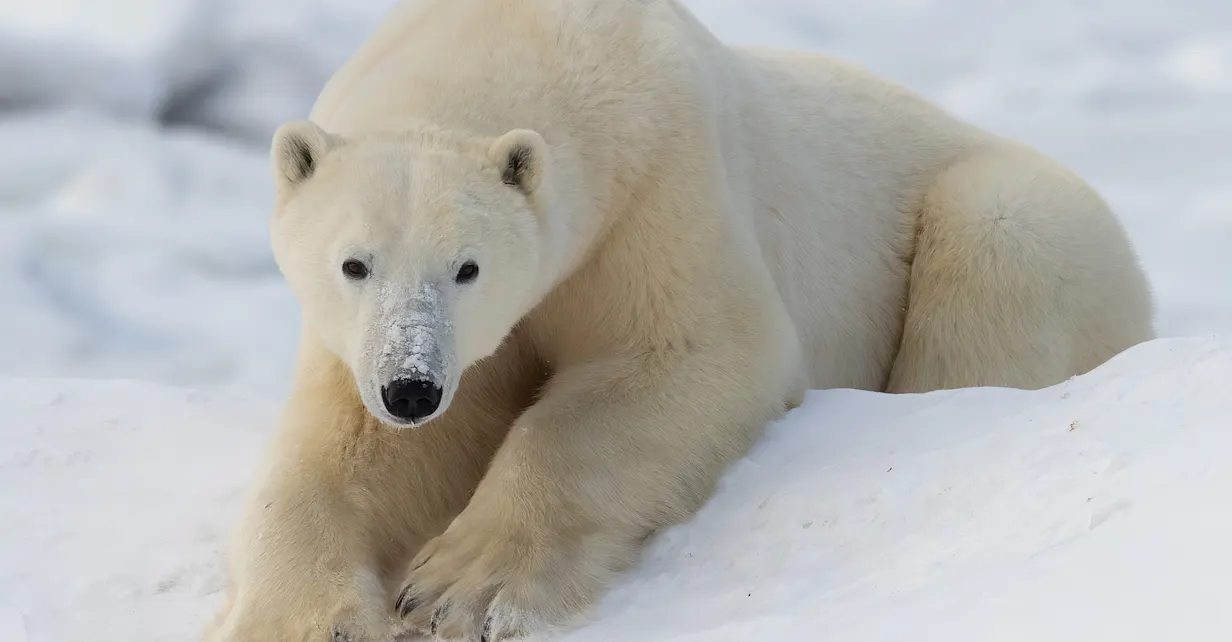
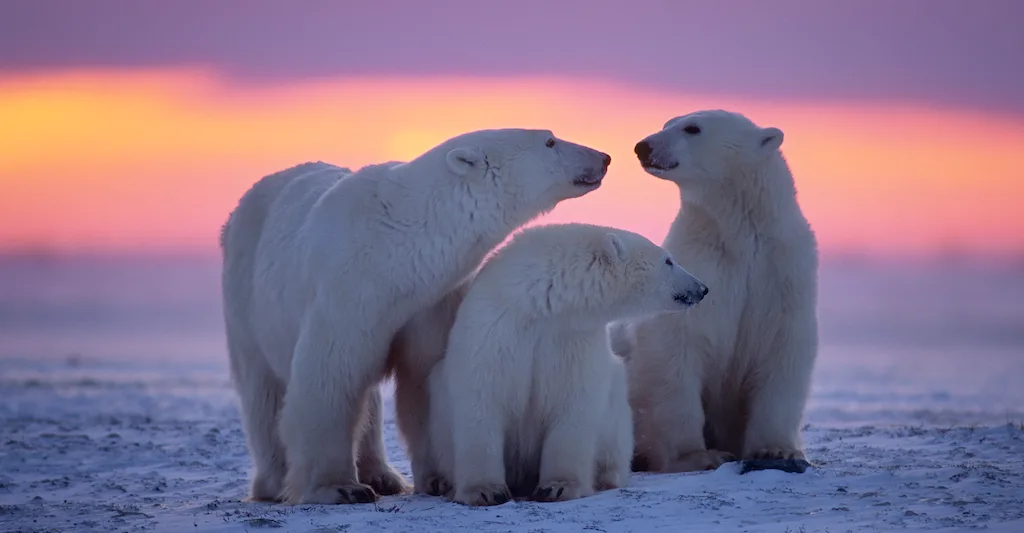
Polar Bears, opens in new tab – The star attraction. Polar bears gather reliably along the Hudson Bay coast each fall (October–November), waiting for sea ice to form so they can hunt seals. Churchill offers the world’s most accessible opportunity to view them in the wild.
Arctic Foxes – Quick, playful, and opportunistic, these foxes are often seen trotting across the tundra or shadowing polar bears, hoping to scavenge scraps from a kill.
Snowy Owls – Striking white owls that perch on rocks and willows across the tundra. They’re most visible in late fall and winter, when their snowy camouflage makes them a magical sight.
Willow Ptarmigan – Hardy ground-dwelling birds that change plumage with the seasons. In late fall, their feathers whiten, blending seamlessly with snow and making them a fun spotting challenge.
Arctic Hares – Large, white hares adapted to extreme cold. They bound across the tundra in small groups, their size and speed surprising first-time visitors.
Caribou – Rare but unforgettable. Small herds occasionally migrate through the area, reminding travelers that Churchill is part of a vast subarctic ecosystem.
Wolves – Elusive and rarely seen, but sometimes spotted near the treeline. Their presence adds an air of wild mystery to the landscape.
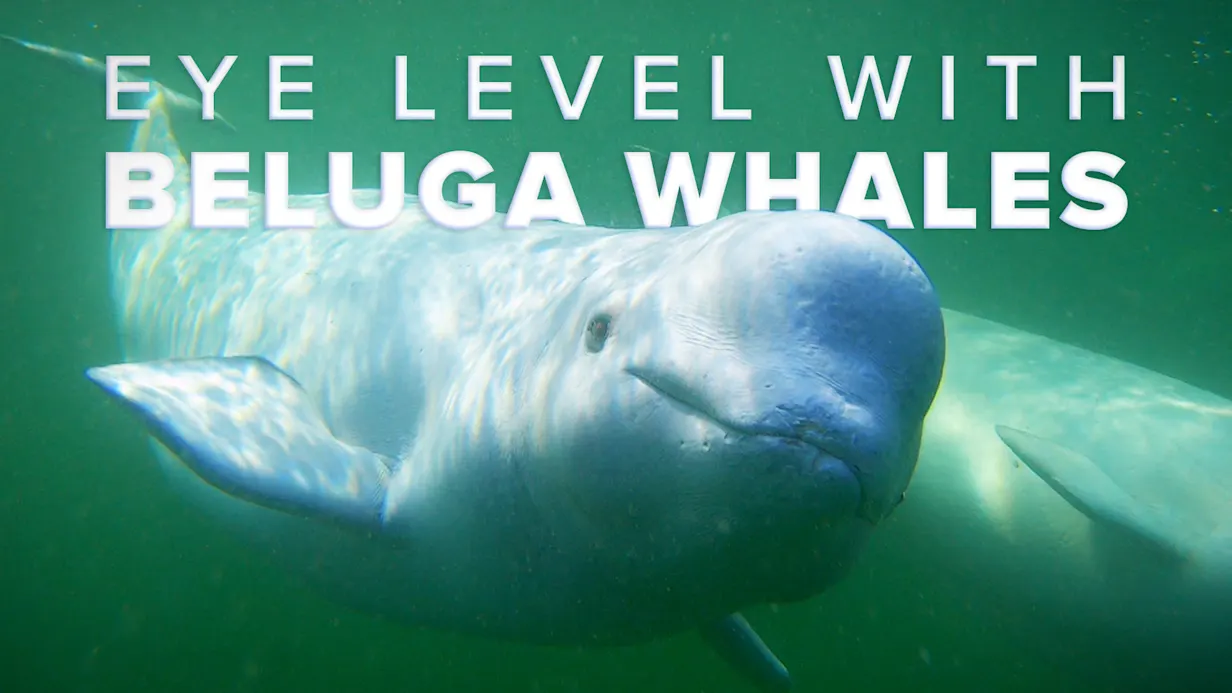
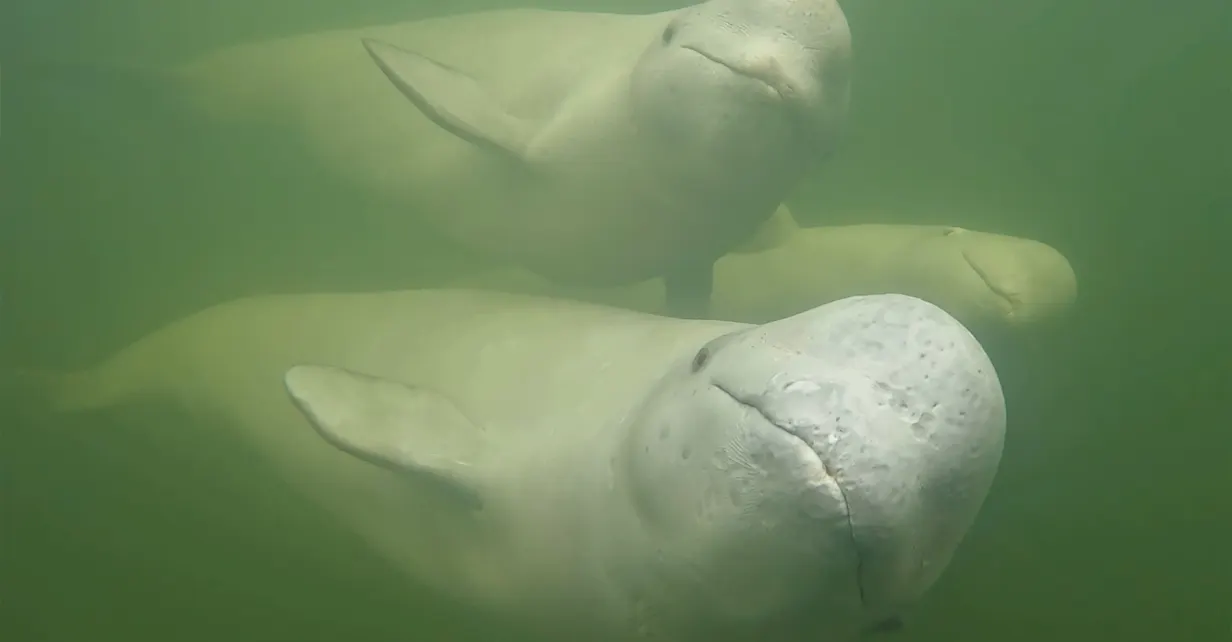
Beluga Whales – A summer highlight (July–August). Thousands gather in the Churchill River estuary, offering boat and kayak tours where visitors can watch—and even hear—them in their natural habitat.
Photo gallery
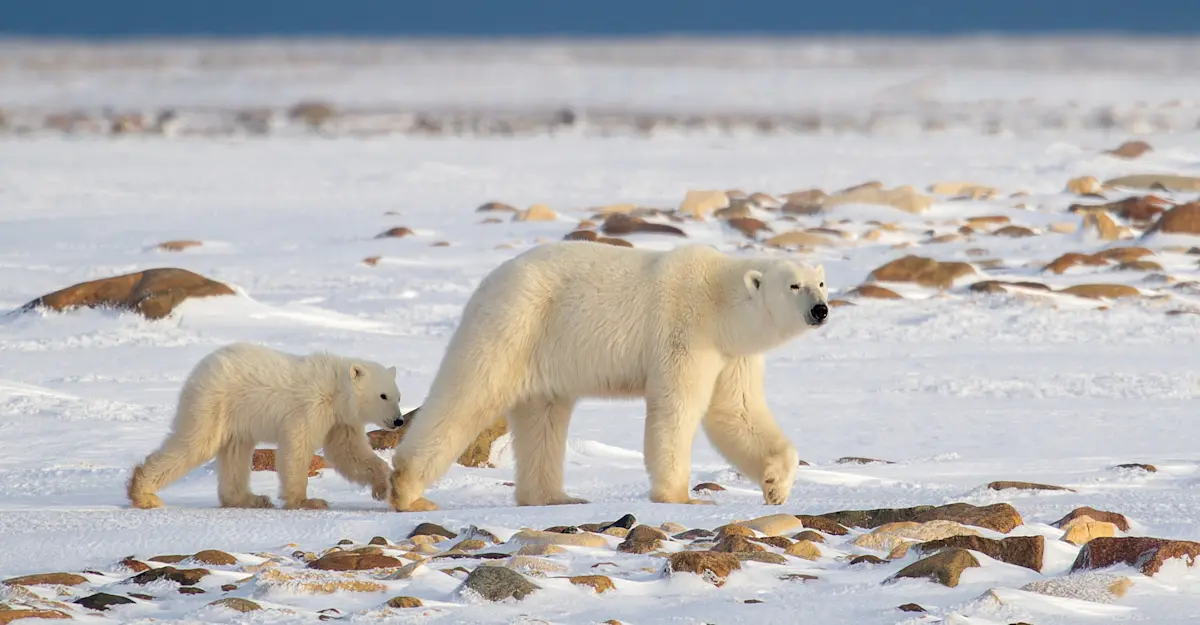
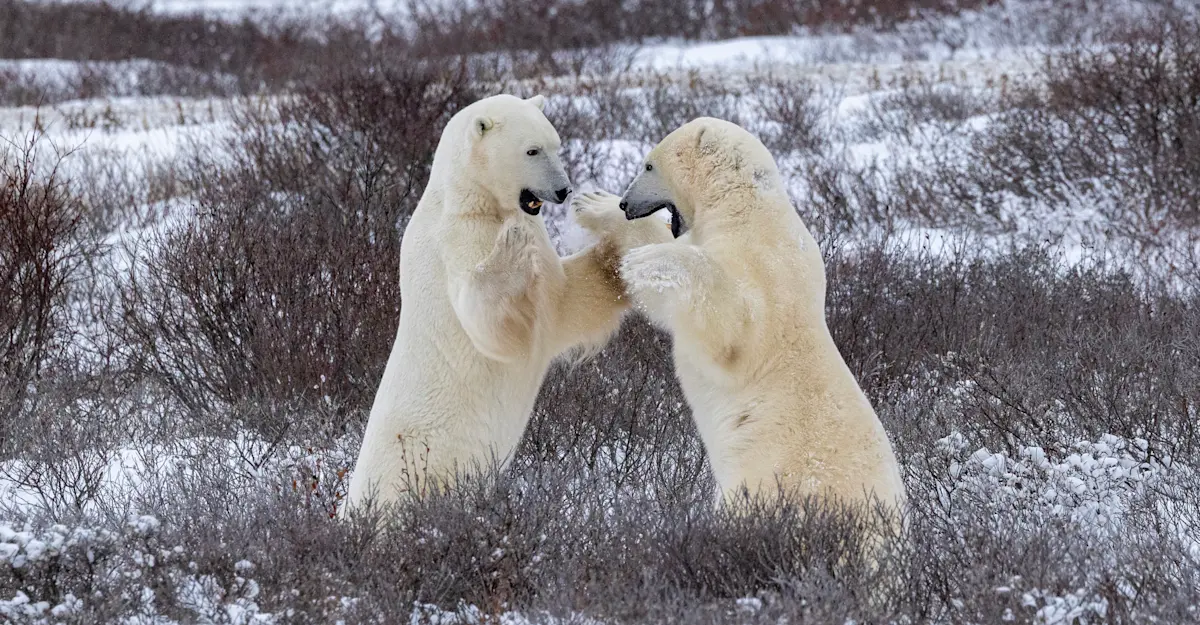
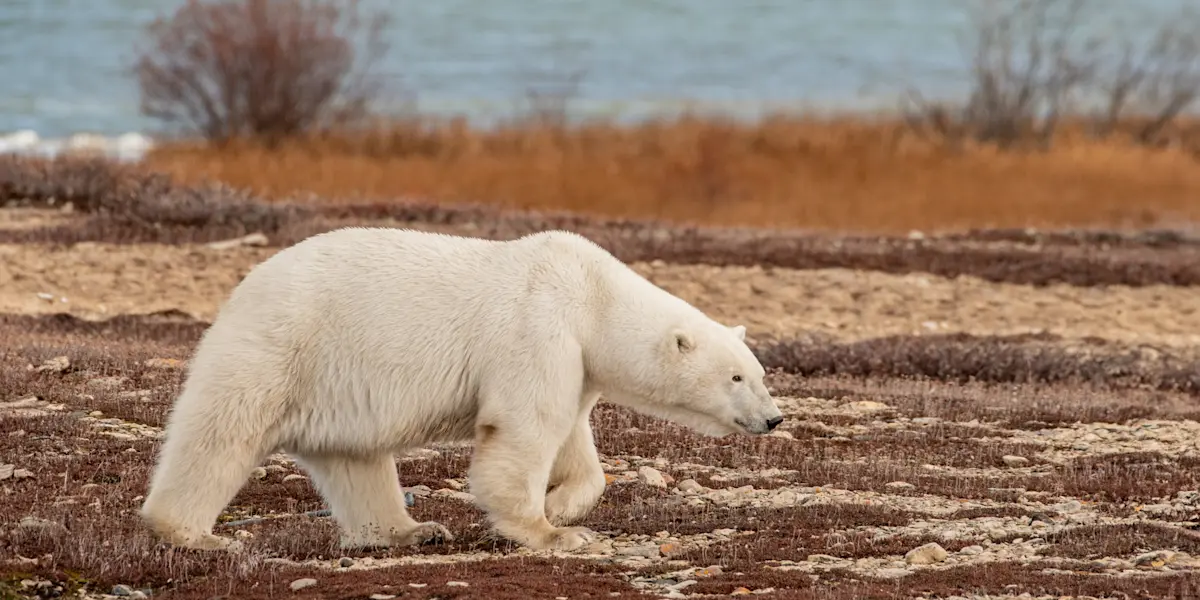
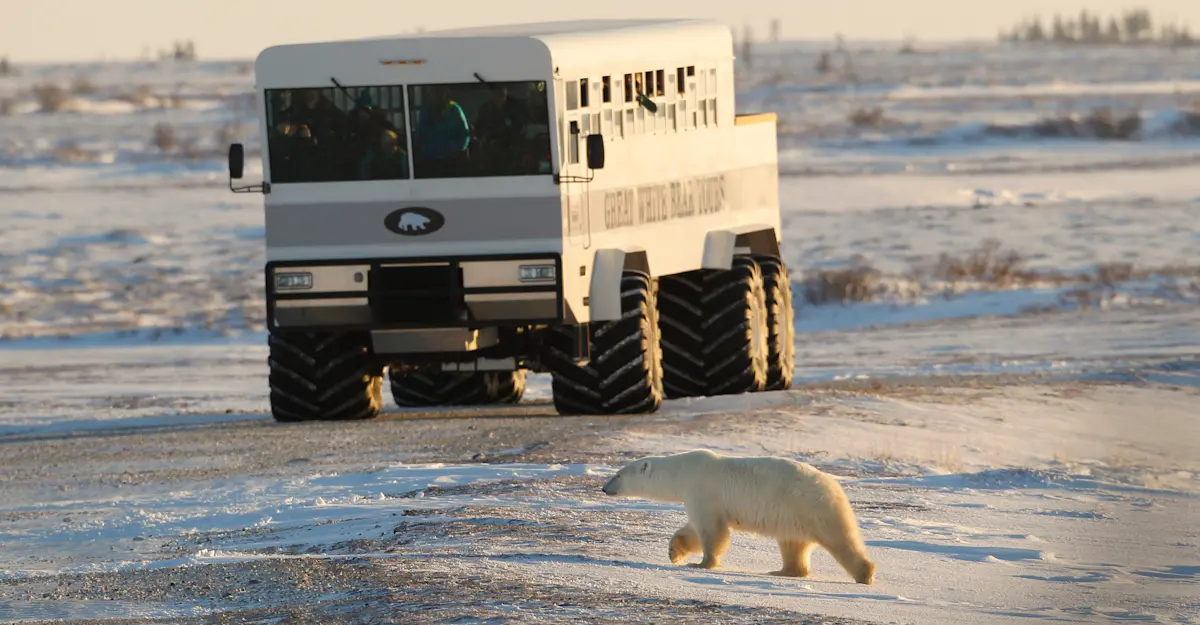
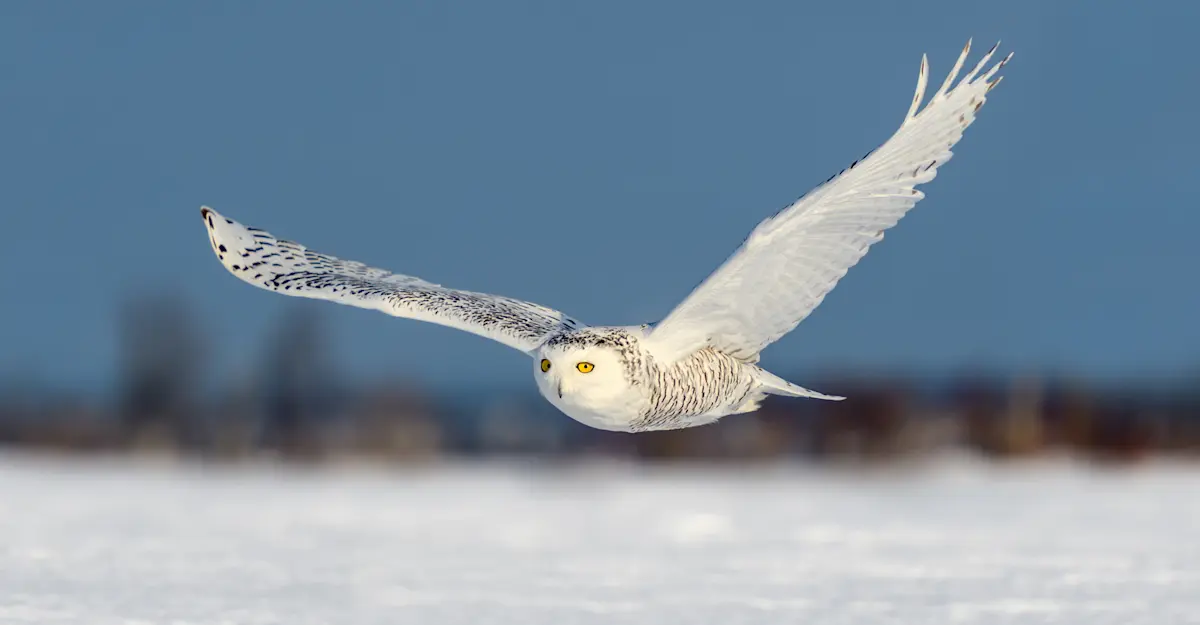
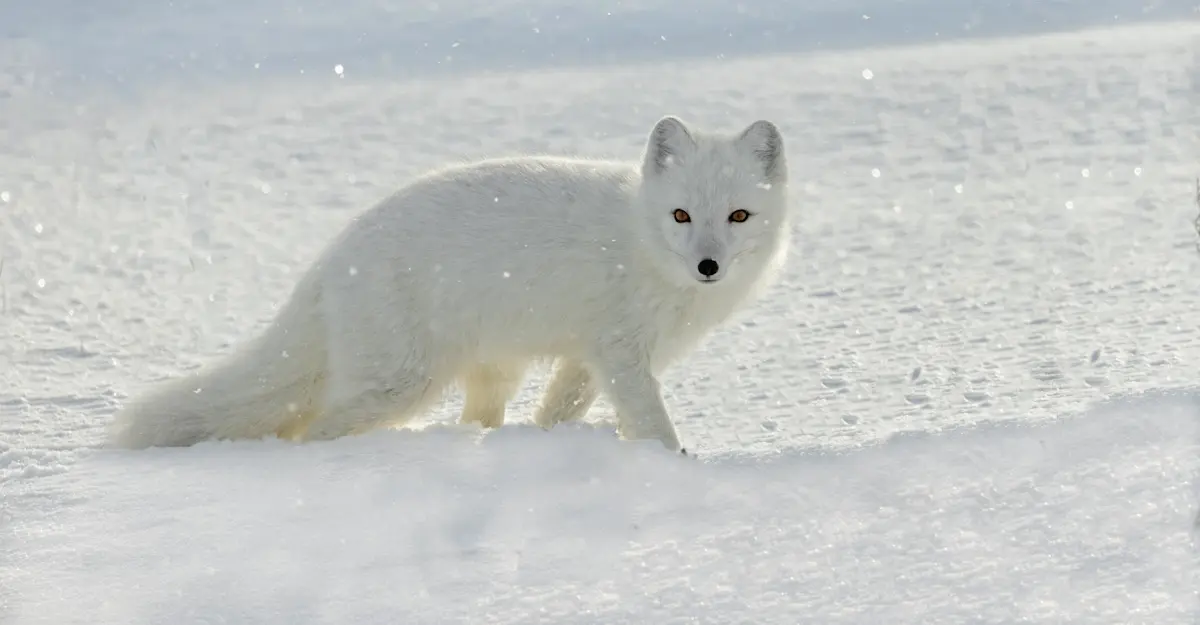
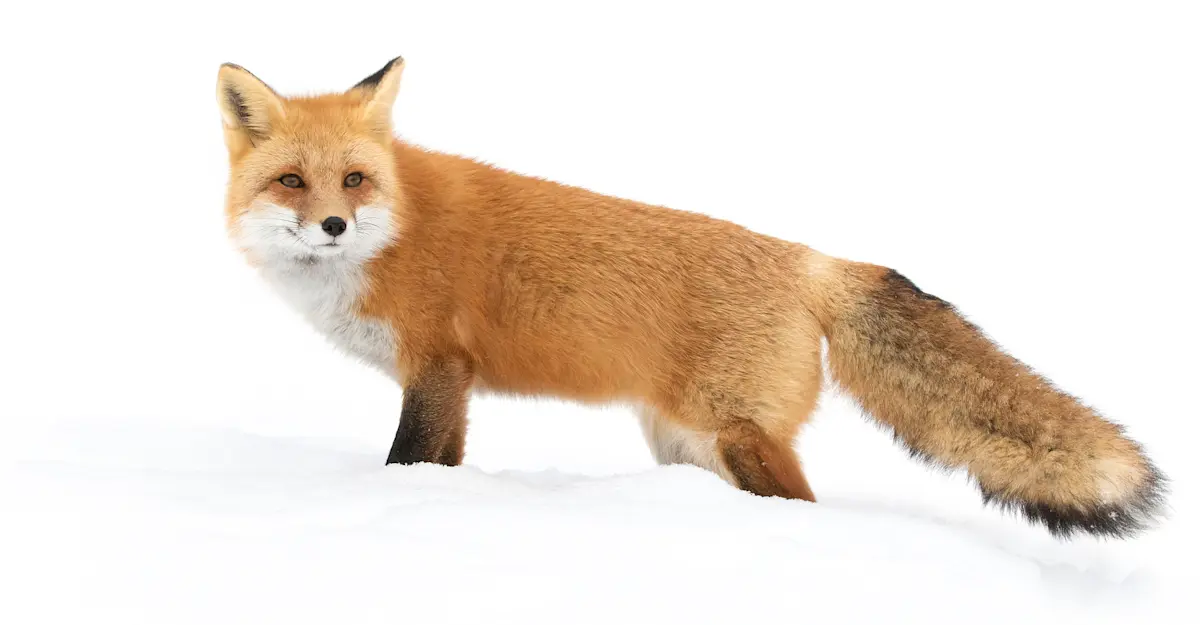
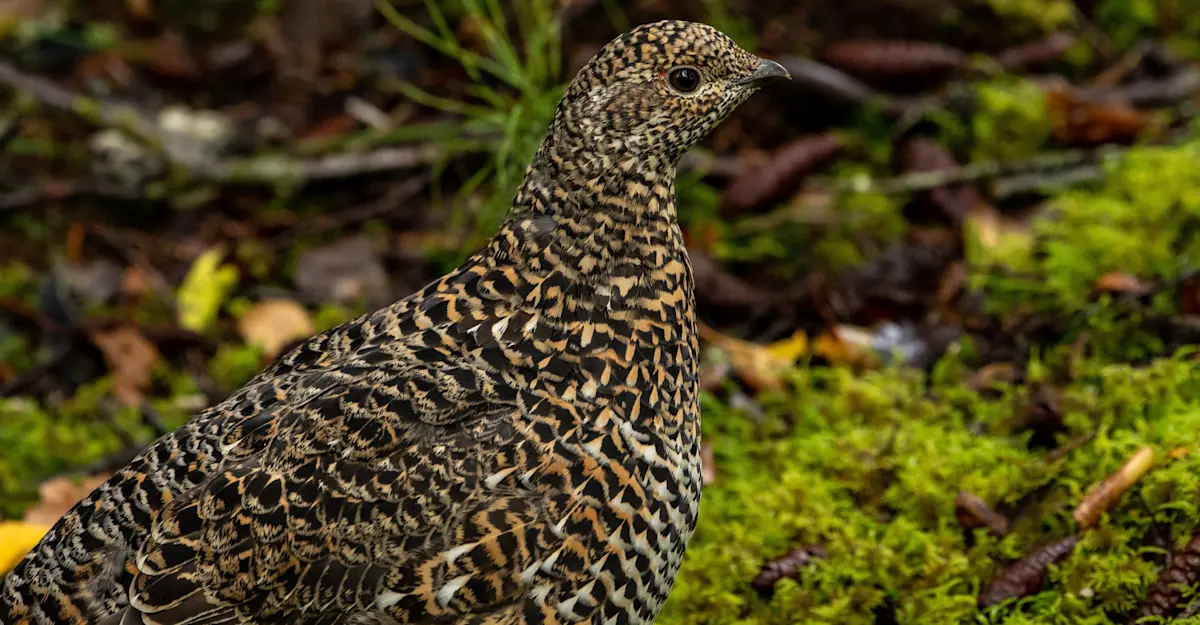
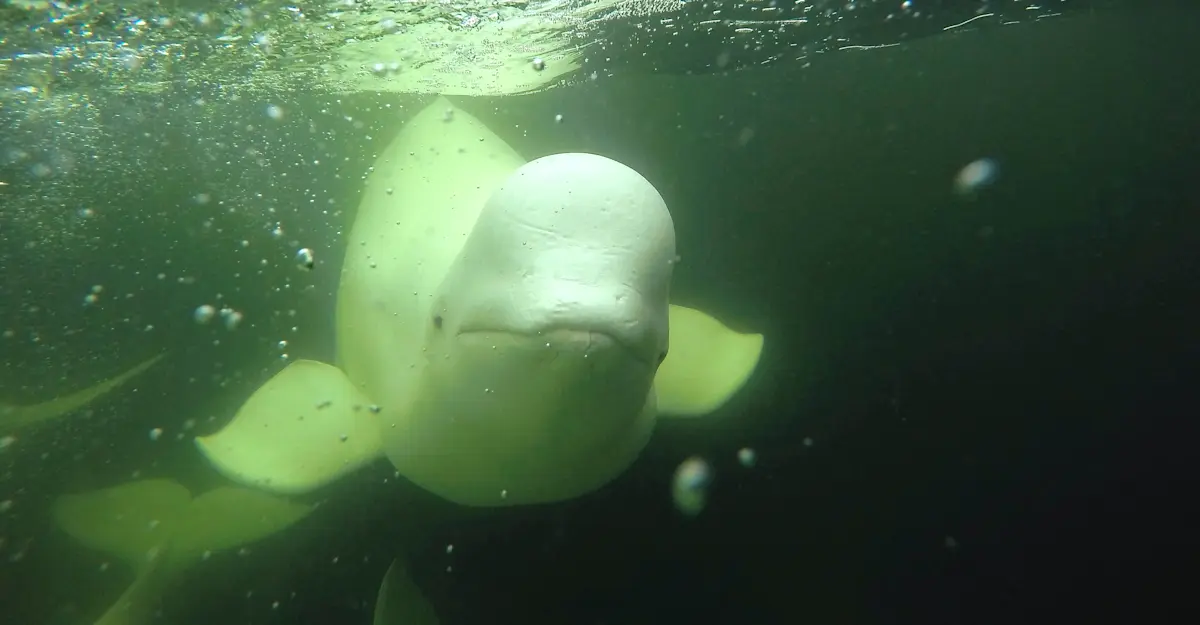
Photo 1 of 10
Will I See Polar Bear Cubs or Families in Churchill?
Polar bear families do appear around Churchill, but timing is key. Most cubs are born in December inside snow dens and remain hidden until spring. By late October and early November, however, travelers sometimes see mothers with older cubs along the Hudson Bay coast.
This period offers the best chance to witness unforgettable family moments: a protective mother guiding her cubs across the snow, or youngsters trailing closely behind her. Spotting a polar bear family in the wild is a highlight of any Churchill polar bear tour.
What Makes Churchill Wildlife Unique?
Churchill offers a rare combination of dense wildlife sightings, minimal human presence, and vast Arctic wilderness. The animals here are uniquely adapted to survive one of the harshest environments on Earth. Because of decades of low-impact tourism, species like polar bears and Arctic foxes are surprisingly tolerant of vehicles, allowing exceptional close-up viewing and photography.
Few places in the world allow you to:
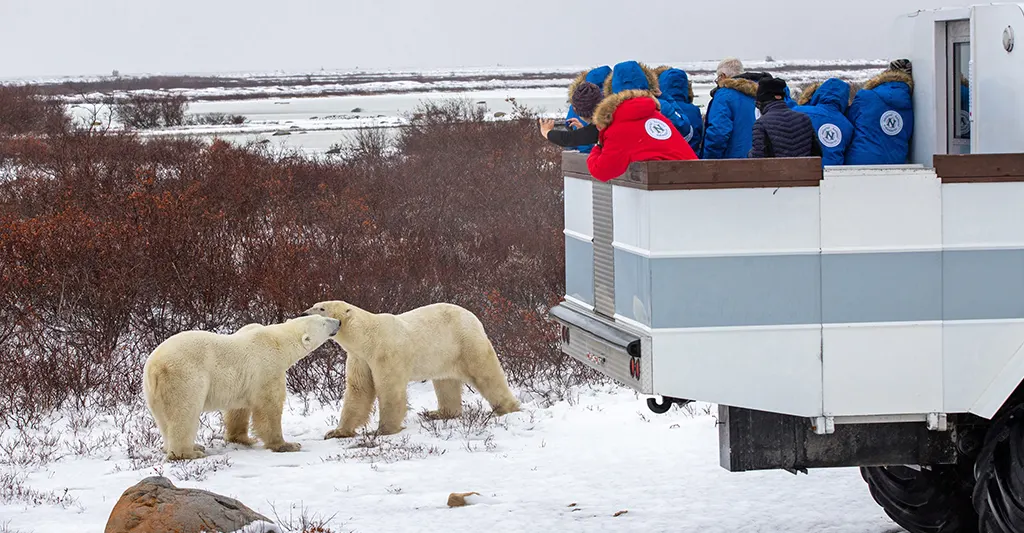
Safely observe a wild polar bear from just yards away
Watch a snowy owl hunt naturally on the tundra
Experience the fragile yet resilient ecosystem of the subarctic edge of Hudson Bay
This blend of accessibility and authenticity makes Churchill a global hub for Arctic biodiversity.
Wildlife Encounters By Experience: Rovers, Tundra Lodge & Town Tours
Activity | Wildlife & Highlights |
|---|---|
Polar Rover | Polar bears up close, plus Arctic foxes and willow ptarmigan |
Tundra Lodge | Overnight immersion with polar bears, Arctic hares, and the occasional fox |
Churchill Town Tour | Dog sledding, cultural sites, and local history—along with chances for birdlife and foxes nearby |
What Wildlife Behaviors Should I Watch For?
Polar bear tours in Churchill are about more than just sightings—the behaviors you witness make the experience come alive:
Young males sparring playfully on the snow
Bears digging shallow snow beds to stay insulated
Arctic foxes scavenging behind polar bears
Curious bears approaching rovers for a closer look
Protective mothers nudging cubs across the tundra
These moments often unfold just outside your rover window, bringing the Arctic to life in unforgettable ways.
What Are the Best Ways to Photograph Churchill's Wildlife?
Photographing Arctic wildlife is one of the highlights of a Churchill trip. To capture your best images:
Chase the light: Golden hours (early morning, late afternoon) add warmth and depth.
Anticipate behavior: Learn animal habits so you’re ready when the moment happens.
Use a long lens: A 400mm+ lens helps capture close detail without intrusion.
Get low and steady: Lower angles create intimacy and isolate your subject against the snow.
Be patient: The best moments often reward stillness—let wildlife come to you.
Churchill’s Arctic wildlife offers extraordinary photo opportunities—with the right approach.