

Know Before You Go
Frequently Asked Questions About Southern Africa
Click on a question below to open the answer.
What is the best time to travel to Southern Africa for a safari?
You can view wildlife year-round in Southern Africa. The rainy green summer occurs from November to April, and the dry, temperate winter typically falls between May and October. Both seasons have their advantages, with the green season offering fewer crowds, vibrant scenery, newborn animals and migratory birds, making it excellent for photography. In contrast, the dry winter has cooler temperatures and tends to have great visibility, with limited water resources forcing wildlife to congregate in smaller areas.
What is the weather like on a safari in Southern Africa?
The weather in Southern Africa varies significantly depending on the region (desert areas, coastal or inland highlands) and time of year. During the dry winter season (May to October), the climate is generally mild to warm days with cooler nights, especially in desert and high-altitude regions. Minimal rainfall across most of Southern Africa makes it a popular time for safaris. In Botswana, South Africa and Namibia, daytime temperatures range from 68-86°F, while nighttime temperatures, especially in deserts like the Namib, can drop close to freezing. Zimbabwe and Zambia have average daytime temperatures of 77-86°F with cooler nights. We recommend you bring warm layers you can peel off as it warms up through the day. A lightweight down jacket or fleece pullover is ideal.
The green season (November to April) is hot and humid, with frequent afternoon thunderstorms in many areas. Rain is most common in the central and northern regions of Southern Africa, including Botswana, Zambia, Zimbabwe, and northern South Africa. Rain is usually in the form of short, heavy downpours, followed by sunshine. Daytime temperatures often exceed 86°F.
What are Africa's Big Five?
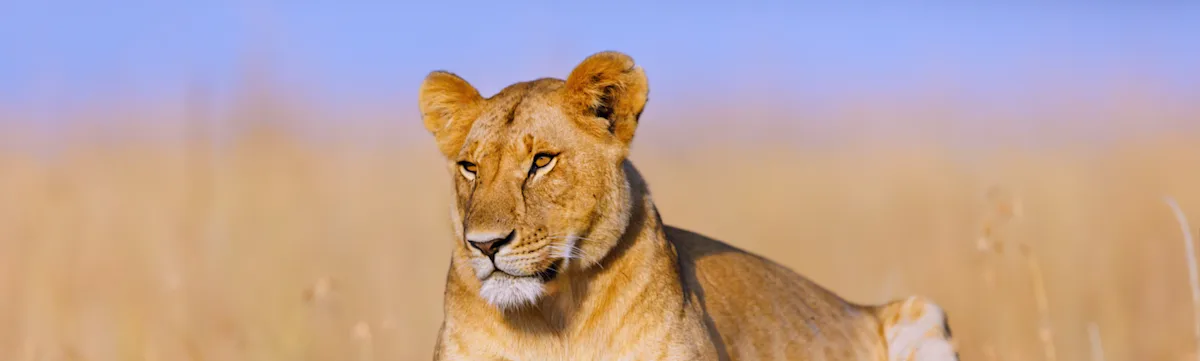
Africa’s famed Big Five are the lion, buffalo, elephant, rhino and leopard. Originally named for the immense challenge they presented to hunters, these animals now embody the allure and majesty of African wildlife. Observing a pride of lions lounging beneath an acacia tree or witnessing the stealthy elegance of a leopard at dusk ignites a profound sense of wonder. Each unforgettable sighting leaves an indelible impression, underscoring the importance of protecting these iconic species for generations to come.
What type of wildlife will we see on a Southern Africa safari?
Southern Africa is home to many species of antelope, African buffalos, hippos, giraffes, zebras, wildebeest, baboons, vervet monkeys, warthogs, hyenas, African wild dogs, bat-eared foxes, ostriches, meerkats and rhinos. Big cat sightings include lions, leopards and cheetahs. Elephants can be found in large numbers, along with hundreds of unique bird species, making for a unique, diverse wildlife viewing experience.
What time of day is wildlife most active in Southern Africa?
Wildlife in Southern Africa is usually the most active in the morning and evening. This works out especially well for travelers because the morning and evening are the coolest times of the day, and therefore the best times to be out in the bush. The morning and evening also provide the best lighting for capturing the perfect photographs of any animals you may encounter on your game drives or bush walks.
What clothing should I pack for the weather in Southern Africa?
Though it gets warmer throughout the day and temperatures rise in the afternoon, mornings and nights can be quite cold, so guests should pack multiple layers. Bring lightweight long- and short-sleeved shirts, pants (zip-off pants are a great idea), a warm fleece or jacket, a hat and good walking shoes for bush walks. A wide-brimmed hat is always helpful on an Africa safari! For further details of what to bring, peruse this helpful packing list and check out Nat Hab’s online Gear Store, opens in new tab for some of the key items recommended for your adventure.
What are Nat Hab's private mobile camps like?
Our mobile safari camps are located in the heart of wildlife regions and allow us an experience that is different from that at permanent camps, particularly in the evening when others have left the park, and we remain. These spacious accommodations combine comfort with immersion in nature. Each private room includes full beds and bedding, a bathroom and a hot-water safari shower. Our camps are designed with classic décor, giving them the safari feel of yesteryear but with all the modern comforts.
What types of accommodations will we stay at on a Southern Africa safari?
On many of our safaris, we combine stays in our exclusive Nat Hab private mobile camps with stays in luxury permanent camps and lodges, often in private reserves where we can do night drives and safari walks. Please consult the accommodations in each trip for specific details of the lodgings we use.
What type of food will be served at the safari camps? Will we have a chance to try local cuisine?
Meals on our African safaris are often described as “fine cuisine!” Breakfast generally consists of a light continental meal before our morning activities, and then often, there is coffee/tea with treats while on game drives. Returning late in the morning, we generally enjoy a full, hot brunch/lunch at camp; on the days we do a longer game drive, a picnic buffet lunch may be served in the bush. Dinners at the end of a long and exciting day can be quite elaborate, with European and local dishes often tilted toward American tastes. We provide plenty of options for all palates and dietary restrictions.
What currency is used in Southern Africa?
Botswana's national currency is the Botswana Pula (BWP). Click here, opens in new tab to check the current exchange rate for USD to BWP. South Africa's national currency is the South African Rand (ZAR). Click here, opens in new tab to check the current exchange rate for USD to ZAR. Namibia's national currency is the Namibian Dollar (NAD). Click here, opens in new tab to check the current exchange rate for USD to NAD. Zimbabwe currently uses the U.S. Dollar as its currency, and U.S. dollars are widely accepted in Zambia.
Will there be Internet connection or cell phone service on this trip?
Internet access is available at most of the permanent lodges and mobile camps we use in Southern Africa, but since it is Africa, expect it to be slow and limited. Please check with us for details regarding the connectivity specific to the trip; however, we recommend that you don’t rely on having a consistent connection throughout your trip. Cellphones are permitted in case of emergency, but we ask that guests refrain from using them during group activities so as not to disturb other travelers or the animals themselves.
Is a Southern Africa safari appropriate for children?
Southern Africa is a fantastic destination for families with both teenage and younger children. If you’re looking for a safari designed specifically for families, consider our Family Adventures.
Can Nat Hab take our family or a group on a private Southern Africa adventure?
Yes! Families or friend groups can reserve entire departures on a private basis. Please call our office at 800-543-8917 for group size and pricing details.
What is the best way to get to Southern Africa to meet the group?
Guests are responsible for booking round-trip flights from their home city to Southern Africa. We recommend that you use Natural Habitat Adventures’ Travel Desk, as our Air Travel Specialists are intimately familiar with the requirements of our trips and can arrange the most efficient and cost-effective travel. Please check the Getting There & Getting Home section on the Dates, Prices & Info page for details on your adventure's required arrival and departure times.
Can Nat Hab help me book a hotel if I want to arrive early?
Nat Hab is happy to reserve a hotel room for you at our group accommodation before your Southern Africa safari begins, but please note that pre-nights are subject to availability at the time of booking. Please speak with our Travel Desk if you’re interested in booking extra nights.